
Our guide on North France Vs South France which is better destination for travel and for food.
France is a country of incredible diversity, offering distinct experiences depending on whether you visit the north or the south. Both regions boast rich histories, scenic beauty, and fantastic food, but they differ significantly in terms of culture, climate, and cuisine. Here’s a detailed guide to help you decide between North France and South France for your next trip, comparing travel highlights and food specialties.
Read here Common Mistakes to avoid in France, France Sim Card for Tourists and 28 Things to Know Before Visiting France
BOOK YOUR TRAVEL INSURANCE
Two of our favorite travel insurance: Heymondo Vs Safetwing cheapest travel Insurance. You can get for $135 USD your Heymondo Travel Insurance with Heymondo discount code valid for 90 days. Read our full comparison of Genki vs Safetywing Travel Insurance Review and the comparison Heymondo vs Genki
North France
Travel Highlights
Paris

The capital city and the heart of French culture. Known for its iconic landmarks such as the Eiffel Tower, Louvre, and Notre-Dame Cathedral. It’s a hub of art, fashion, and history.
Museums like the Musée d’Orsay and the Palace of Versailles offer insight into France’s rich artistic and royal history.
Click here to get the best deals in accommodation with Booking and Agoda
Normandy

Famous for the D-Day landing beaches and the stunning Mont Saint-Michel, a breathtaking island commune.
Rouen, with its medieval architecture and ties to Joan of Arc, is another must-visit.
Brittany
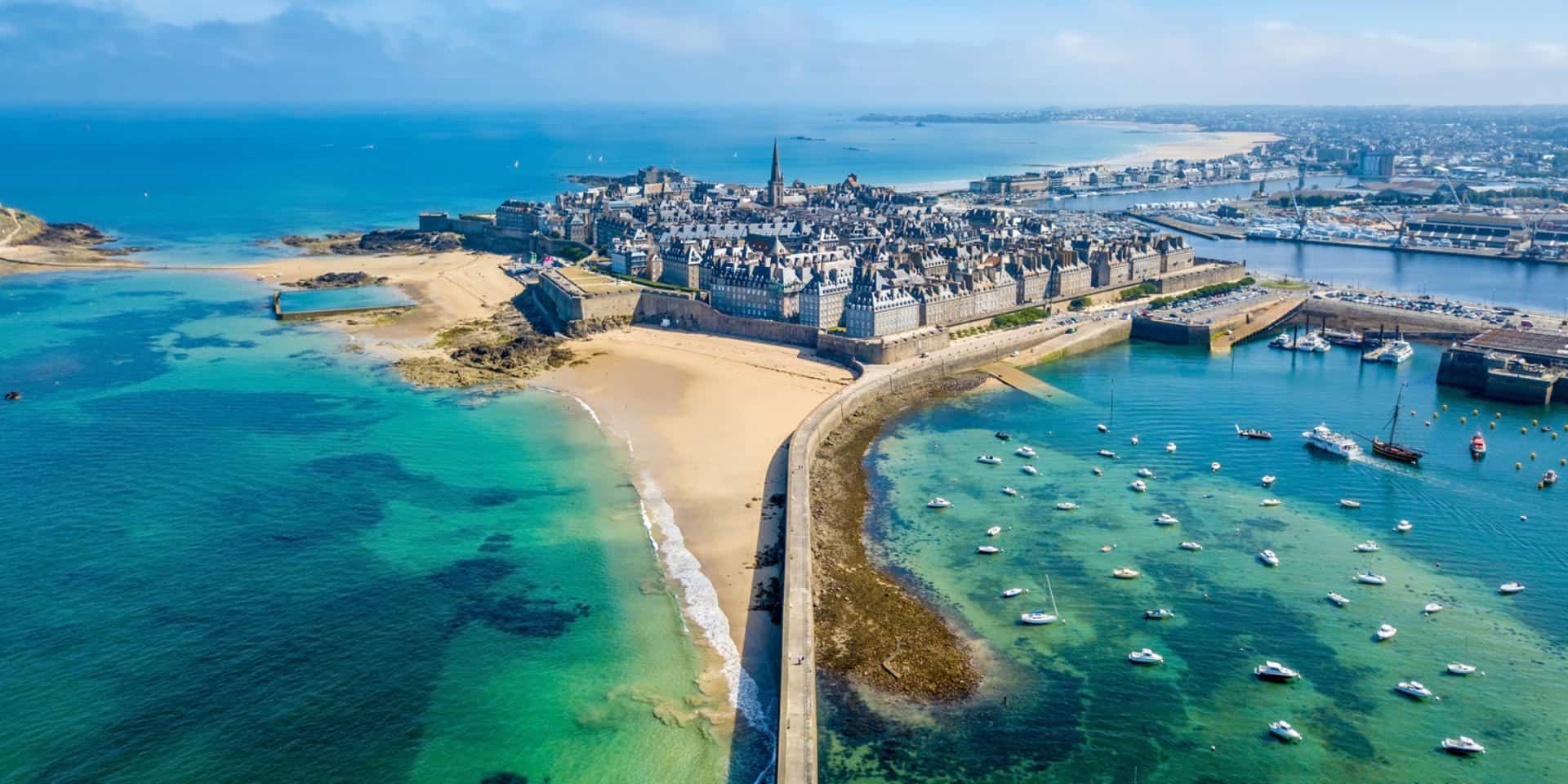
Known for its dramatic coastline, rugged cliffs, and charming port towns like Saint-Malo. The area is perfect for seaside adventures and exploring quaint Breton villages.
Carnac’s megaliths (stone alignments) are also a fascinating prehistoric site.
Loire Valley
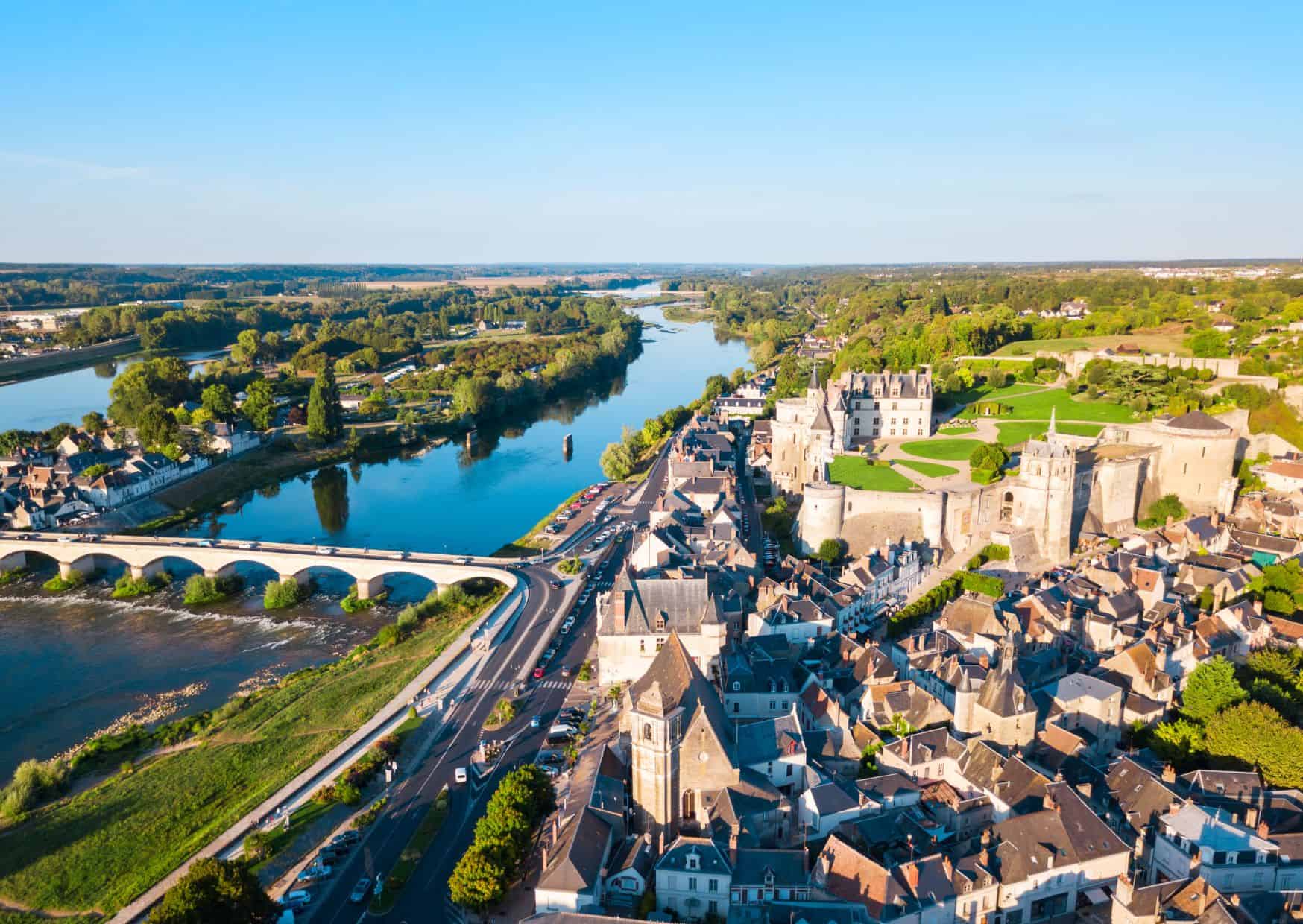
Famous for its fairytale châteaux (castles), such as Château de Chambord and Château de Chenonceau.
The Loire Valley is also a UNESCO World Heritage Site, with picturesque villages and vineyards along the Loire River.
Food in North France
Seafood
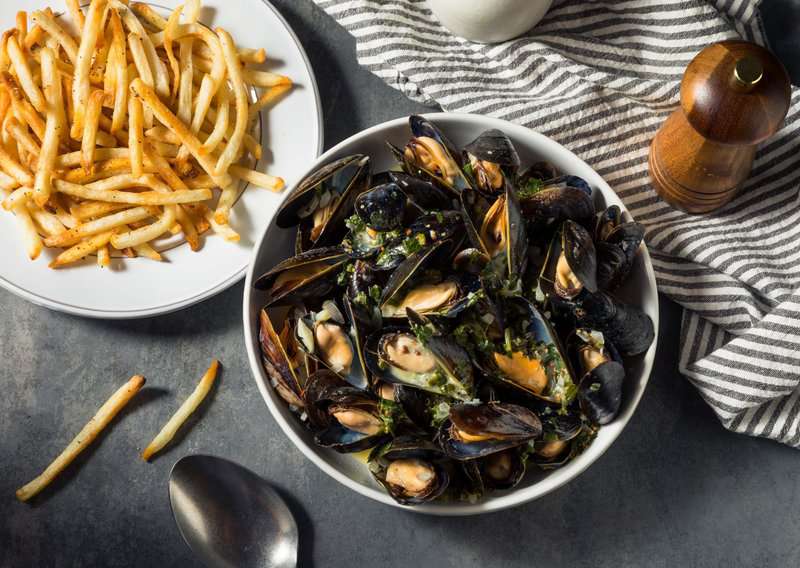
The northern coastlines of Normandy and Brittany are famous for their fresh seafood, particularly oysters, mussels, and scallops.
Dishes like moules marinières (mussels in white wine) and sole meunière are common in coastal areas.
Dairy Products:
Normandy is famous for its butter and cream, often used in rich sauces like sauce Normande, and for its Camembert cheese.
Brittany offers a unique take on butter-based sweets with its famous kouign-amann, a rich, buttery pastry.
Hearty Dishes:
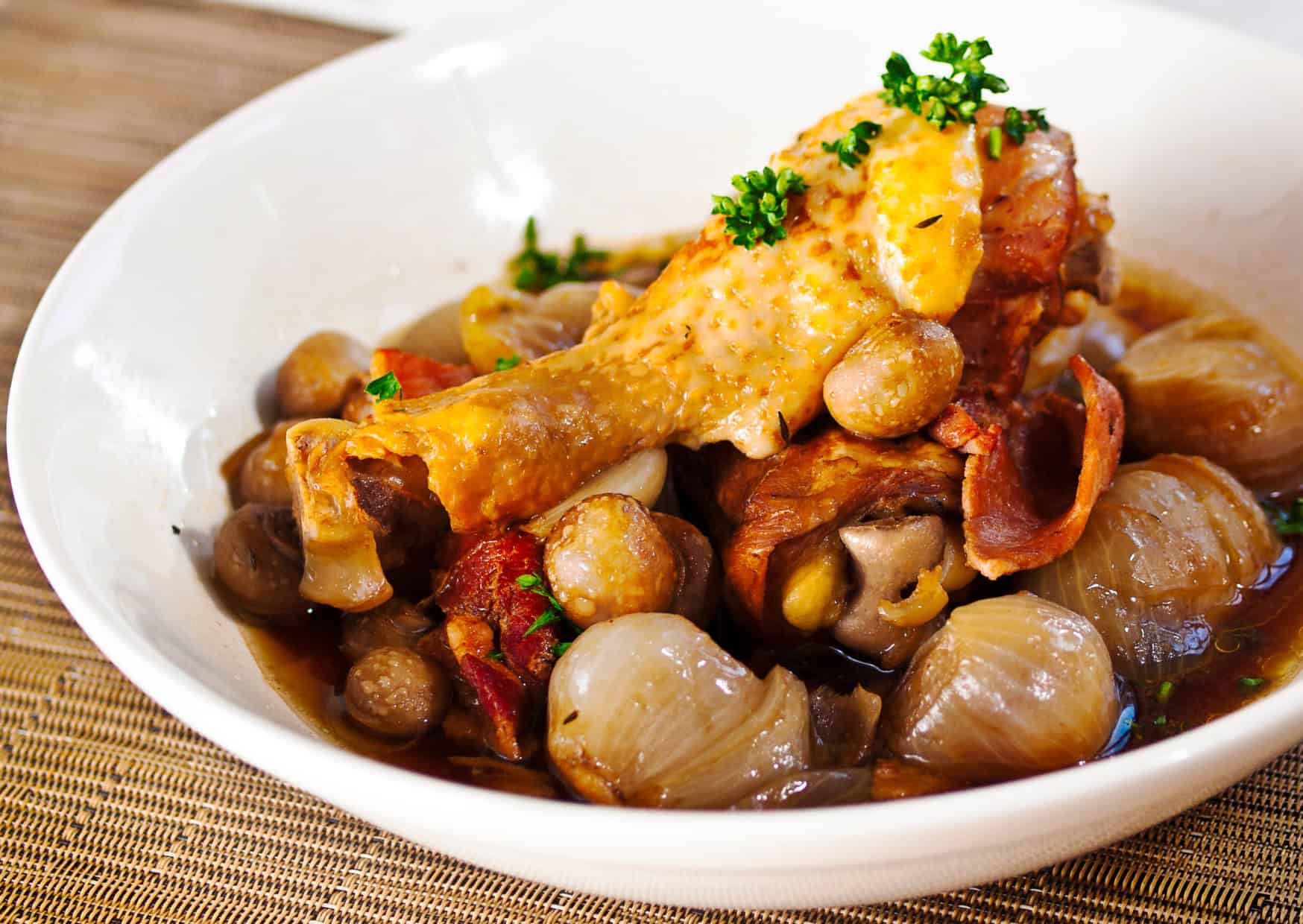
Coq au vin, a slow-cooked chicken dish with wine, is a northern classic, particularly in regions like Burgundy.
Galettes from Brittany are savory buckwheat crêpes filled with ingredients like ham, cheese, and eggs.
Cider and Calvados:
Normandy and Brittany are known for their cider (hard apple cider), which pairs well with the local cuisine.
Calvados, a distilled apple brandy, is a popular digestif.
South France
Travel Highlights
Provence
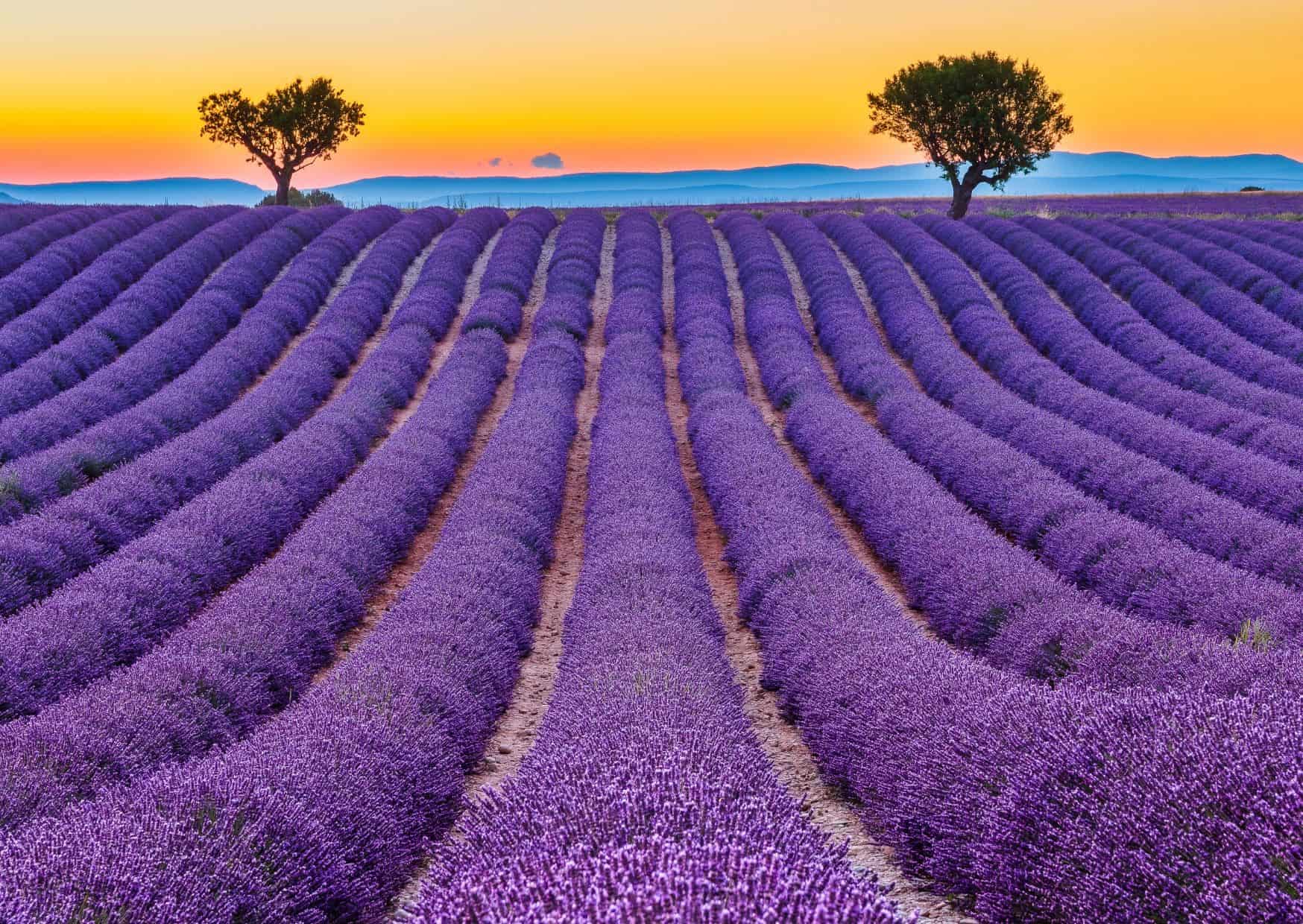
Known for its lavender fields, charming hilltop villages like Gordes and Roussillon, and the historic city of Avignon.
The Gorges du Verdon offers stunning natural scenery and is perfect for outdoor activities like hiking and kayaking.
French Riviera (Côte d’Azur)
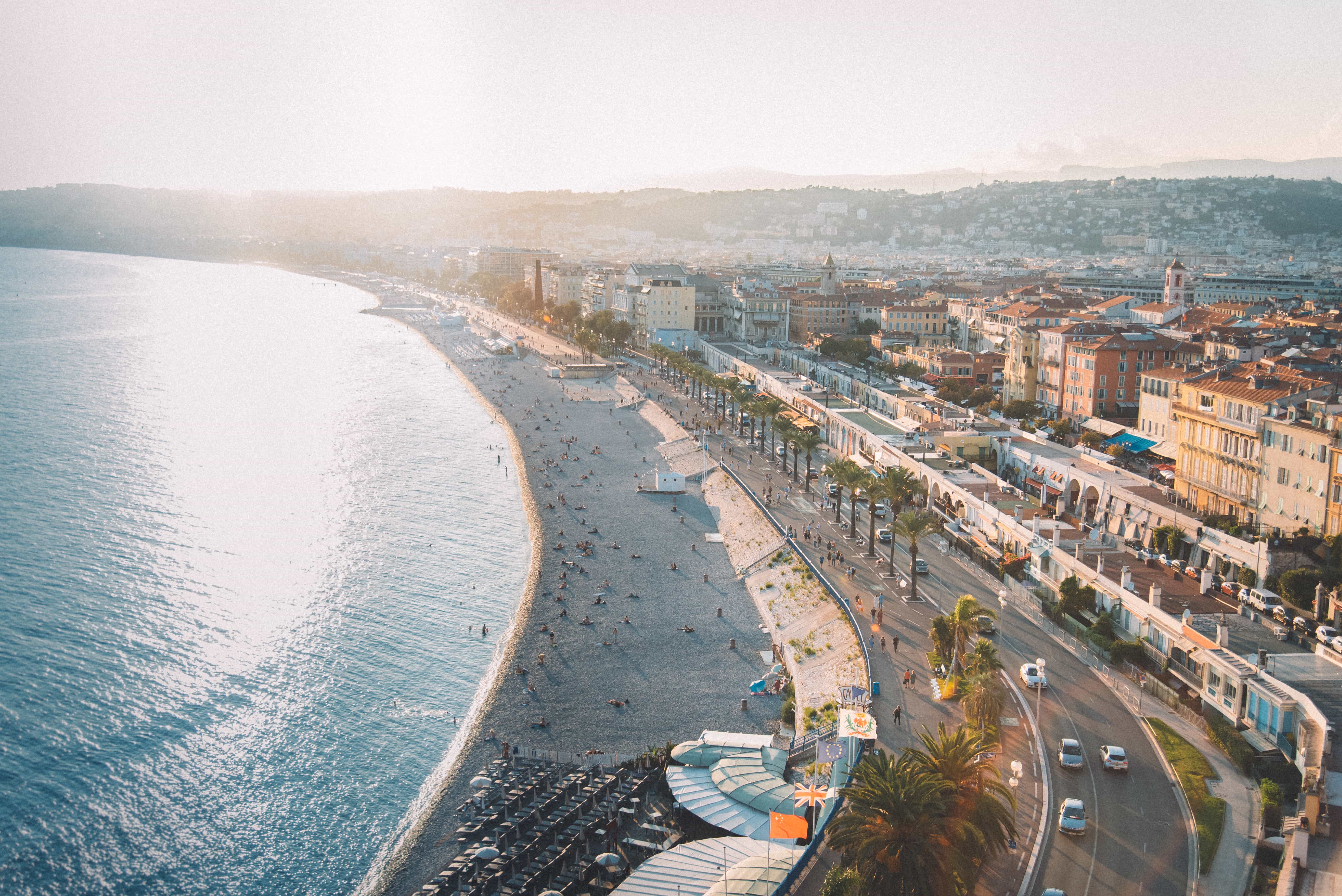
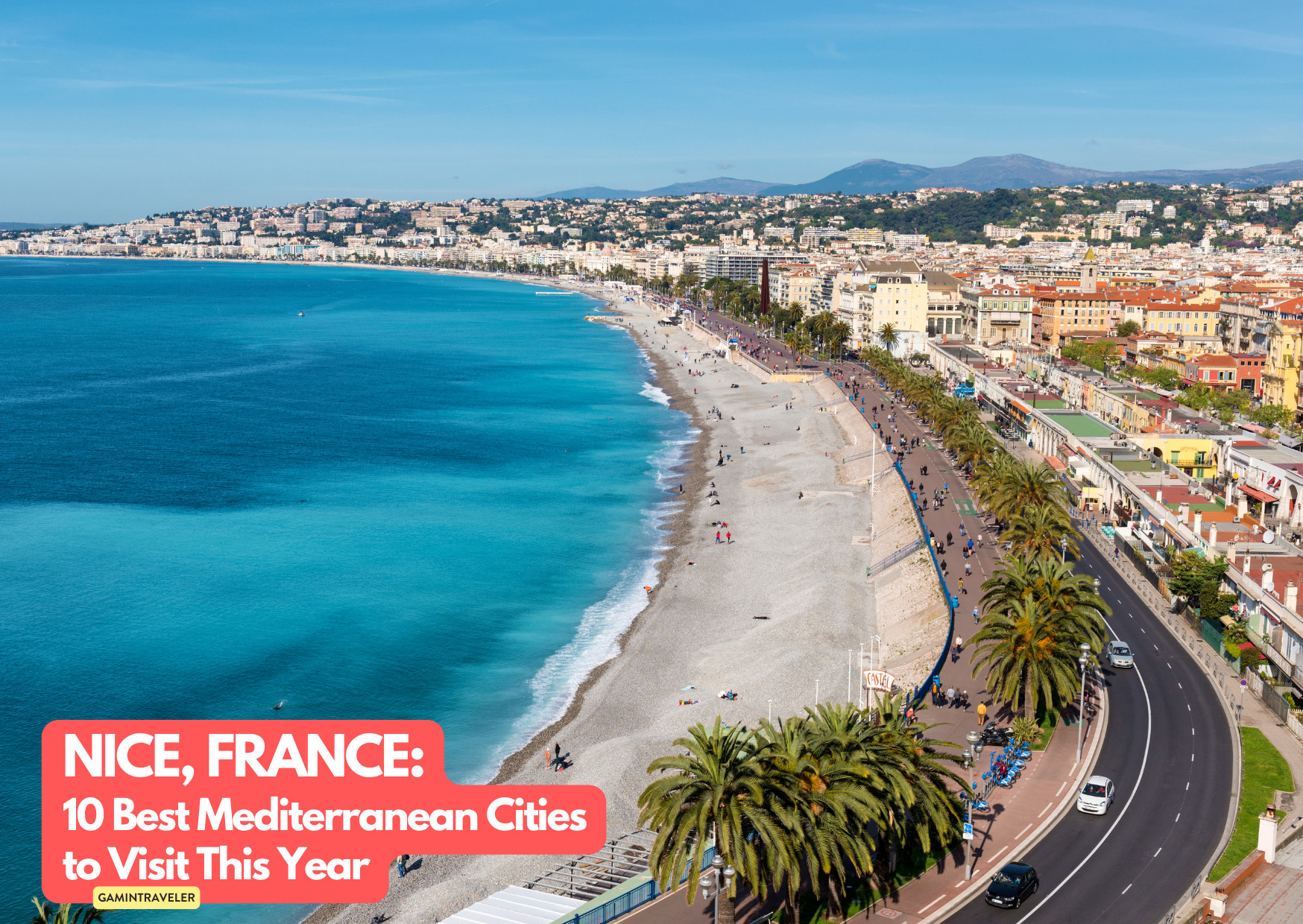
Famous for its glamorous seaside towns such as Nice, Cannes, and Monaco, the French Riviera is known for its sunny beaches and luxury lifestyle.
Saint-Tropez offers both charm and luxury, while Menton is known for its citrus and lemon festivals.
Occitanie

The region includes the Languedoc and Toulouse, offering a mix of medieval history and modern vibrancy. Carcassonne, a fortified city, is one of France’s most impressive medieval towns.
Nîmes and Arles are home to impressive Roman ruins, such as the Pont du Gard and Amphitheatre of Nîmes.
French Basque Country
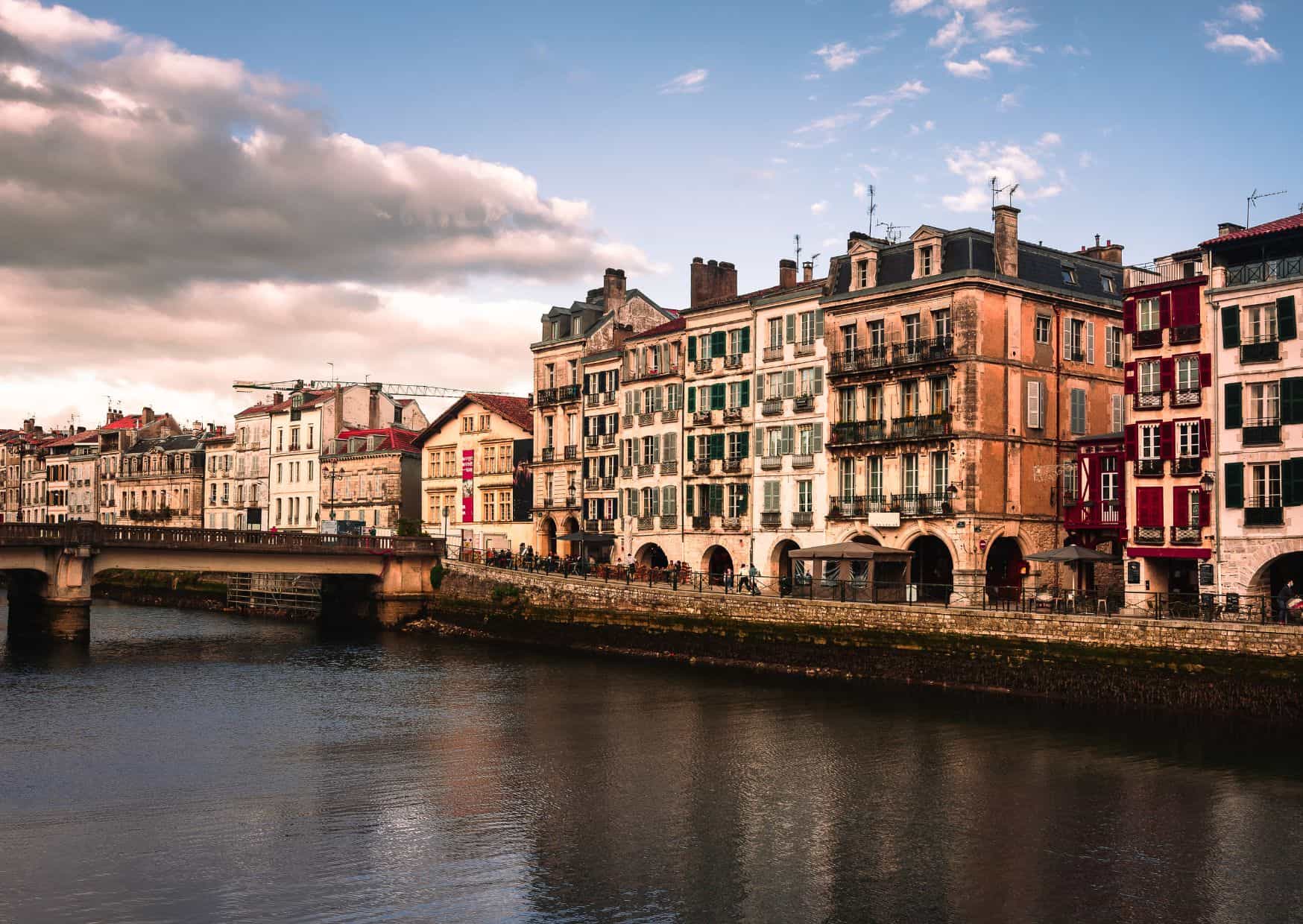
Located near the Spanish border, the French Basque region offers a unique blend of French and Basque culture. Towns like Biarritz and Saint-Jean-de-Luz offer beautiful beaches and distinctive architecture.
Food in South France
Mediterranean Cuisine
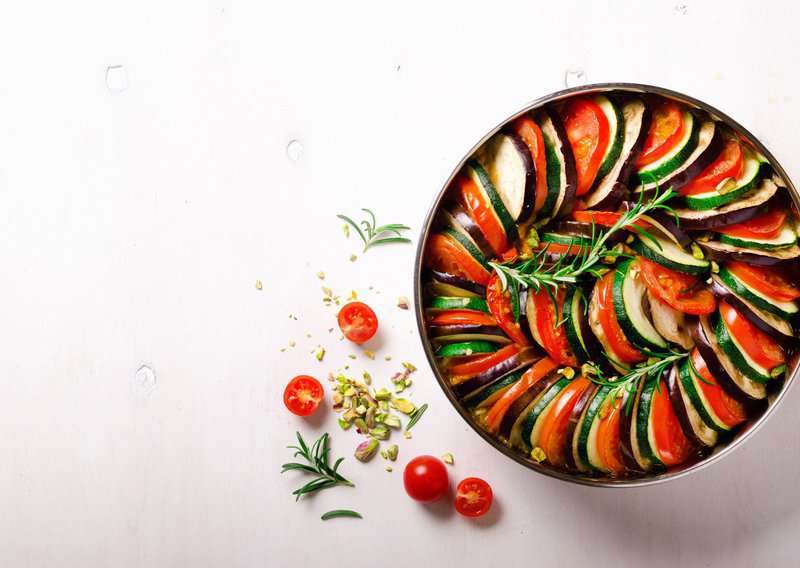
The south is known for its lighter, Mediterranean-inspired cuisine, featuring olive oil, herbs, fresh vegetables, and seafood.
Popular dishes include ratatouille, bouillabaisse (a Provençal fish stew), and salade niçoise.
Provençal Herbs and Spices:
The cuisine in Provence uses a variety of local herbs, such as thyme, rosemary, basil, and lavender, which flavor dishes like lamb with herbs de Provence.
Wine and Pastis:
The Provence and Languedoc regions produce some of France’s best rosé wines, ideal for warm, sunny days.
Pastis, an anise-flavored spirit, is a popular drink in southern France, especially in Marseille.
Hearty Basque Dishes:
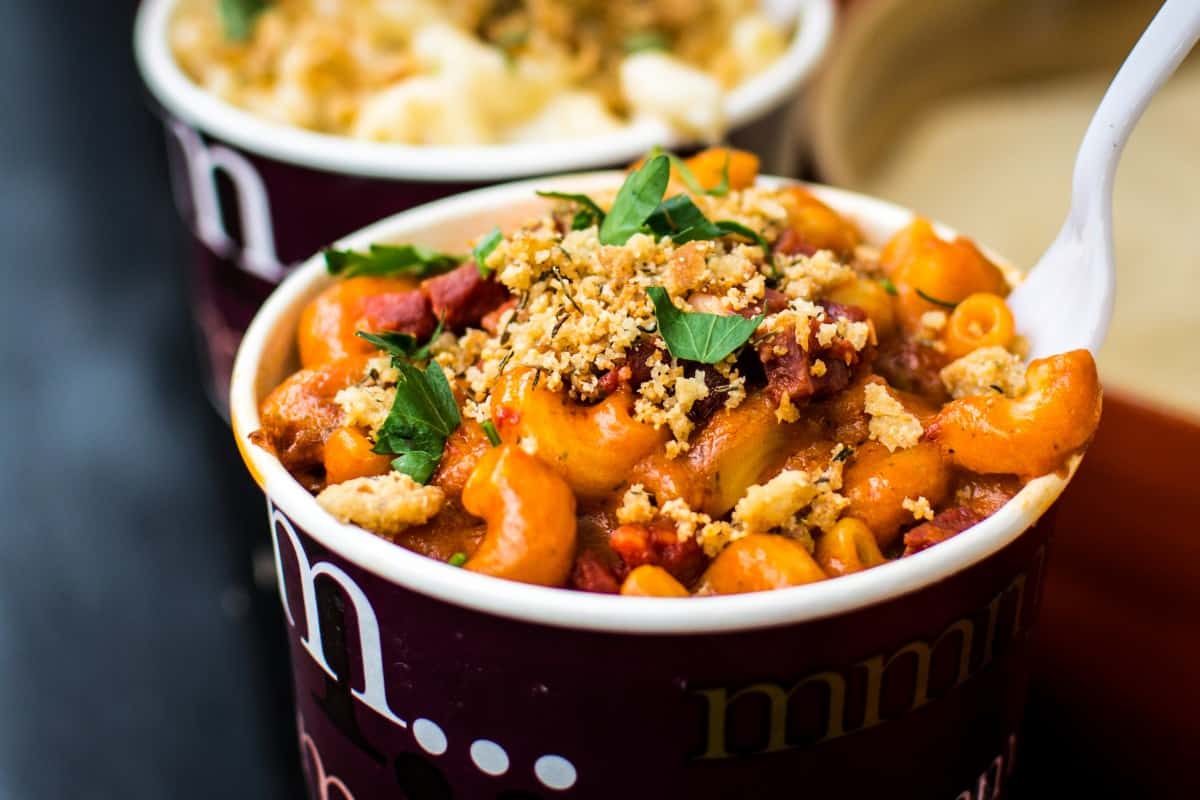
The Basque region is known for its rich flavors, featuring dishes like piperade (a Basque pepper stew) and axoa (a veal stew with Espelette peppers).
Foie gras and cassoulet (a rich, slow-cooked casserole with beans, duck, and sausage) are staples in the southwest.
Comparing North and South France
Travel Experience
North France is ideal for history buffs and those seeking to explore France’s medieval, Gothic, and World War II-era sites. It’s more suited to travelers who enjoy cooler weather, dramatic coastlines, and a mix of urban and rural experiences. The architecture and historic cities like Paris, Rouen, and Mont Saint-Michel provide a deep dive into French history.
South France offers a more relaxed, sun-drenched atmosphere, with a focus on coastal beauty, Provençal charm, and outdoor activities. It’s great for travelers who love warm weather, beaches, and Mediterranean vibes. The South is also perfect for luxury travel, with the French Riviera being a hotspot for upscale resorts and high-end dining.
Food and Wine

North France has a more hearty, comfort food style, with dishes rich in butter, cream, and cheese. The coastal regions like Normandy and Brittany are known for seafood, but the general cuisine is more rustic and filling, perfect for colder weather.
South France focuses on light, fresh, and vibrant flavors, often inspired by Mediterranean cuisine. Expect an abundance of olive oil, seafood, and herbs, as well as a preference for grilled meats and fresh vegetables. The region is also known for its rosé wines and relaxed dining experiences, perfect for enjoying a meal outdoors.
Climate
North France: Expect cooler, wetter weather throughout the year. Summers are mild, and winters can be cold, especially near the coast. If you enjoy cooler climates or are interested in winter travel, northern France may be more appealing.
South France: Mediterranean climate with warm, dry summers and mild winters. Perfect for those who love sunny weather, beach trips, and outdoor activities like hiking and cycling.
Which One is Better?
It depends on what kind of experience you’re looking for:
Choose North France if you’re interested in history, castles, and rich comfort foods. It’s ideal for those who prefer a more traditional French experience with cooler weather and want to explore iconic cities like Paris or historical landmarks like Normandy.
Choose South France if you’re looking for sunny beaches, Mediterranean cuisine, luxury travel, and a more relaxed lifestyle. The South offers a blend of nature, glamour, and culture, perfect for travelers who enjoy wine, outdoor dining, and beautiful landscapes like Provence and the French Riviera.
Both regions offer incredible experiences, so you can’t go wrong with either choice!

About the Author: Ruben, co-founder of Gamintraveler.com since 2014, is a seasoned traveler from Spain who has explored over 100 countries since 2009. Known for his extensive travel adventures across South America, Europe, the US, Australia, New Zealand, Asia, and Africa, Ruben combines his passion for adventurous yet sustainable living with his love for cycling, highlighted by his remarkable 5-month bicycle journey from Spain to Norway. He currently resides in Spain, where he continues sharing his travel experiences with his partner, Rachel, and their son, Han.