
Traveling to Italy is often a dream come true for many Americans. With its ancient ruins, mouthwatering food, and breathtaking coastlines, it’s no wonder Italy is one of the most visited countries in the world. But while it may look picture-perfect on Instagram, first-time visitors often experience a few surprises when daily life in Italy doesn’t match their expectations.
From how Italians drink coffee to how long dinners last, Italian culture moves at a different rhythm one that values tradition, community, and savoring the moment. For Americans used to speed, convenience, and 24/7 accessibility, these differences can feel confusing or even frustrating at first.
In this post, we’re exploring 9 culture shocks that most Americans experience in Italy from the quirks of public transportation to how (and when) to order a cappuccino. Some will make you laugh, others might leave you scratching your head, but all of them are part of what makes Italy such a rich, unforgettable destination.
Read Here Things to know before visiting Italy and how to buy a sim card in Italy
BOOK YOUR TRAVEL INSURANCE
Two of our favorite travel insurance: Heymondo Vs Safetwing cheapest travel Insurance. You can get for $135 USD your Heymondo Travel Insurance with Heymondo discount code valid for 90 days. Read our full comparison of Genki vs Safetywing Travel Insurance Review and the comparison Heymondo vs Genki
Quick & Easy Tips for Navigating Italian Culture
Slow down – Life in Italy is not meant to be rushed. Expect longer meals, relaxed shopping hours, and a slower pace in general.
Learn basic Italian phrases – A simple “Buongiorno” or “Grazie” goes a long way in earning respect and friendliness from locals.
Don’t expect 24/7 service – Many shops close mid-day (for riposo) and reopen later. Always check local hours before planning your day.
Respect meal customs – Don’t ask for extra cheese or butter, and avoid ordering a cappuccino after breakfast — it’s a cultural no-no.
Carry cash – While cards are more accepted now, small businesses and rural towns often still prefer cash, especially for small purchases.
One of the biggest shocks is how Italians prioritize quality over convenience. Fast food, disposable everything, and quick service aren’t the norm here. In fact, many Italians will travel across town just to get the best bread, cheese, or espresso even if it takes longer. Americans used to one-stop shopping or 10-minute meals might see this as inefficient, but to Italians, it’s about enjoying life, not rushing through it.
Another common surprise is how late everything starts. Dinner at 9 p.m.? Normal. Kids out playing at 10 p.m.? Also normal. For Americans with early routines, this schedule shift can be disorienting. But in Italy, life is lived in the evenings, especially in warmer months, when entire towns come alive after sunset.
Perhaps most controversial of all is the Italian attitude toward rules. While laws exist, they’re often treated more as guidelines. Parking on sidewalks, skipping the line at a café, or negotiating “no” into “maybe” is just part of the social rhythm. Americans, who tend to take rules literally, may find this chaotic but it’s also deeply woven into the culture of personal flexibility and negotiation.
Culture Shocks for Americans in Italy
1. Different Meal Times and Dining Habits
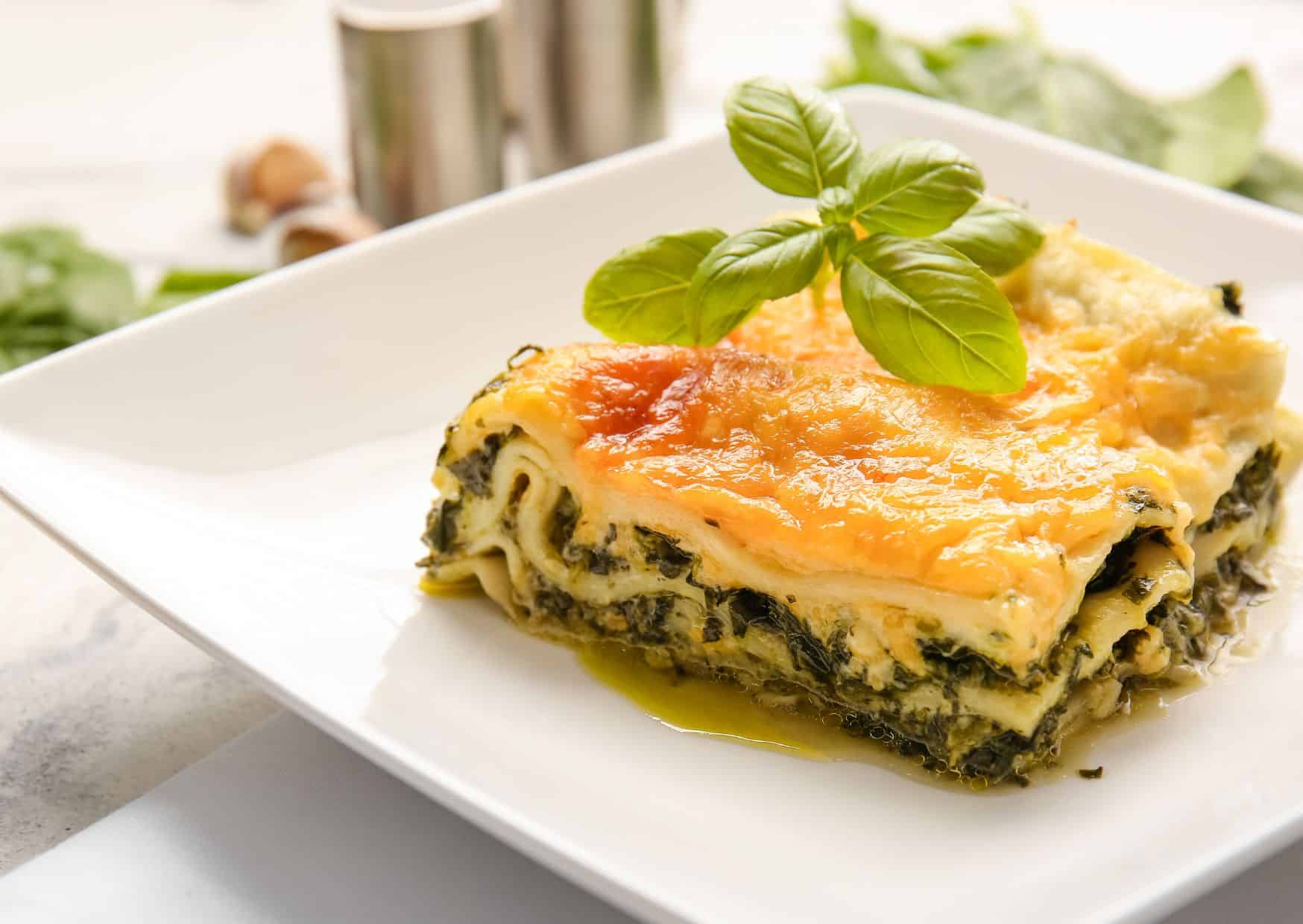
What to Expect: One of the biggest culture shocks for Americans in Italy is the change in meal times and dining customs. Italians have specific times for meals, and eating habits can differ dramatically from those in the U.S.
Examples:
Late dinners: Italians usually eat dinner between 8-10 PM, much later than the average American dinner time of 6-7 PM.
Long, leisurely meals: Meals in Italy are seen as a social event and are meant to be enjoyed slowly, often lasting 2-3 hours, especially at restaurants.
Smaller breakfasts: Italians usually have a light breakfast, often consisting of just a cappuccino and a croissant (cornetto). A hearty American-style breakfast with eggs and bacon is rare.
No coffee with meals: Italians usually drink coffee after the meal, not during it, and you won’t find large cups of coffee like in the U.S. They typically have espresso or a cappuccino.
How to Adapt: Adjust to later mealtimes and try to enjoy the experience of slow, relaxed dining. Embrace the Italian way of savoring meals, and avoid rushing through courses.
Read here best Italian food, vegetarian food in Italy, best drinks in Italy and best breakfast in Italy
2. Cash is Preferred
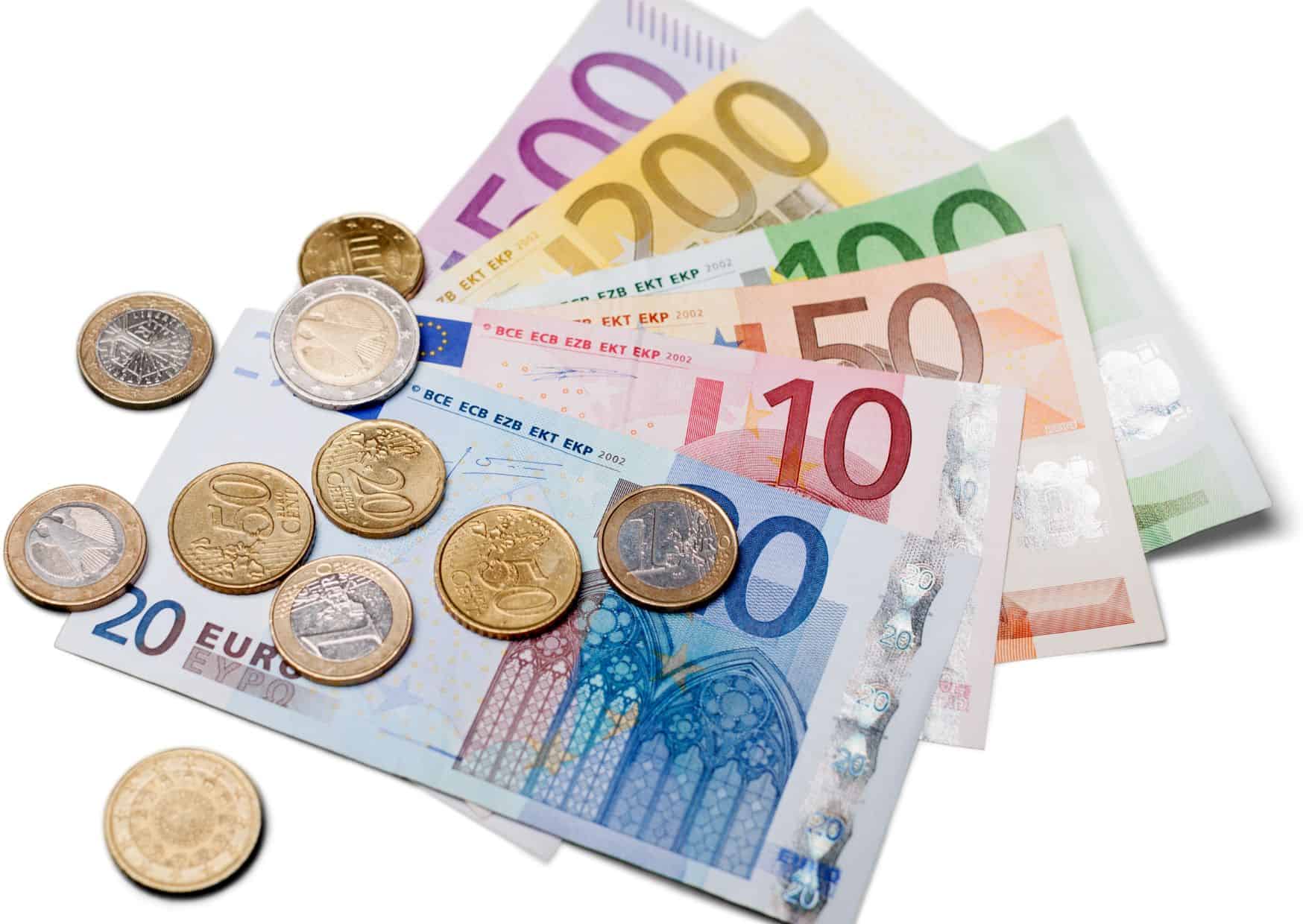
What to Expect: Unlike the U.S., where credit and debit cards are widely accepted, cash is still king in many parts of Italy, particularly in smaller towns and at local markets. Many restaurants and shops prefer cash for smaller transactions, and some may not accept cards at all.
Examples:
Cash-only establishments: Some local cafés, trattorias, and small shops may not accept cards, so it’s essential to carry some euros at all times.
Card minimums: Even when businesses do accept credit cards, they often require a minimum amount (usually around 10-15 euros) before you can pay with a card.
How to Adapt: Always carry cash for small purchases, especially in more rural areas or smaller towns. Be prepared for cash-only transactions at certain places and ask about card policies in advance when dining out.
CLICK HERE TO BOOK YOUR ACCOMMODATION
3. Closed During Midday (Siesta)
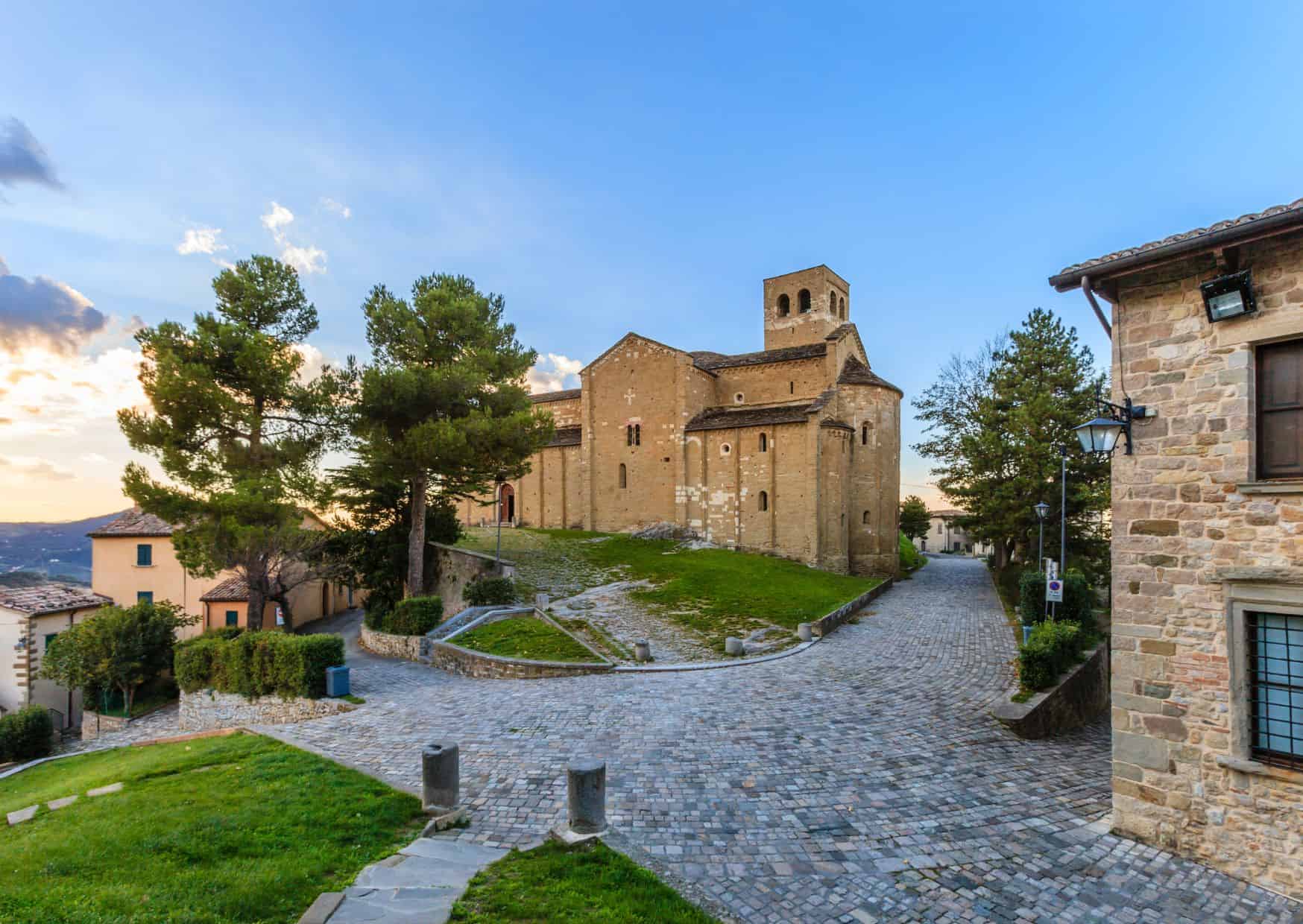
What to Expect: In many parts of Italy, especially in smaller towns, you’ll find that businesses, restaurants, and shops close for several hours in the afternoon—often from 1 PM to 4 PM. This practice, called riposo or siesta, is a time for Italians to rest, eat lunch, or spend time with family.
Examples:
Shops closing early: Small, family-run businesses may close in the afternoon, sometimes reopening later in the evening around 4 PM or 5 PM.
Restaurants closing: Many restaurants stop serving lunch by 2 PM and don’t reopen until 7 PM for dinner, so finding food during this downtime can be challenging.
How to Adapt: Plan your day around riposo. Do your shopping and errands in the morning or late afternoon, and if you need a meal during midday, try to get to restaurants early or visit places that remain open.
4. Driving and Traffic Chaos
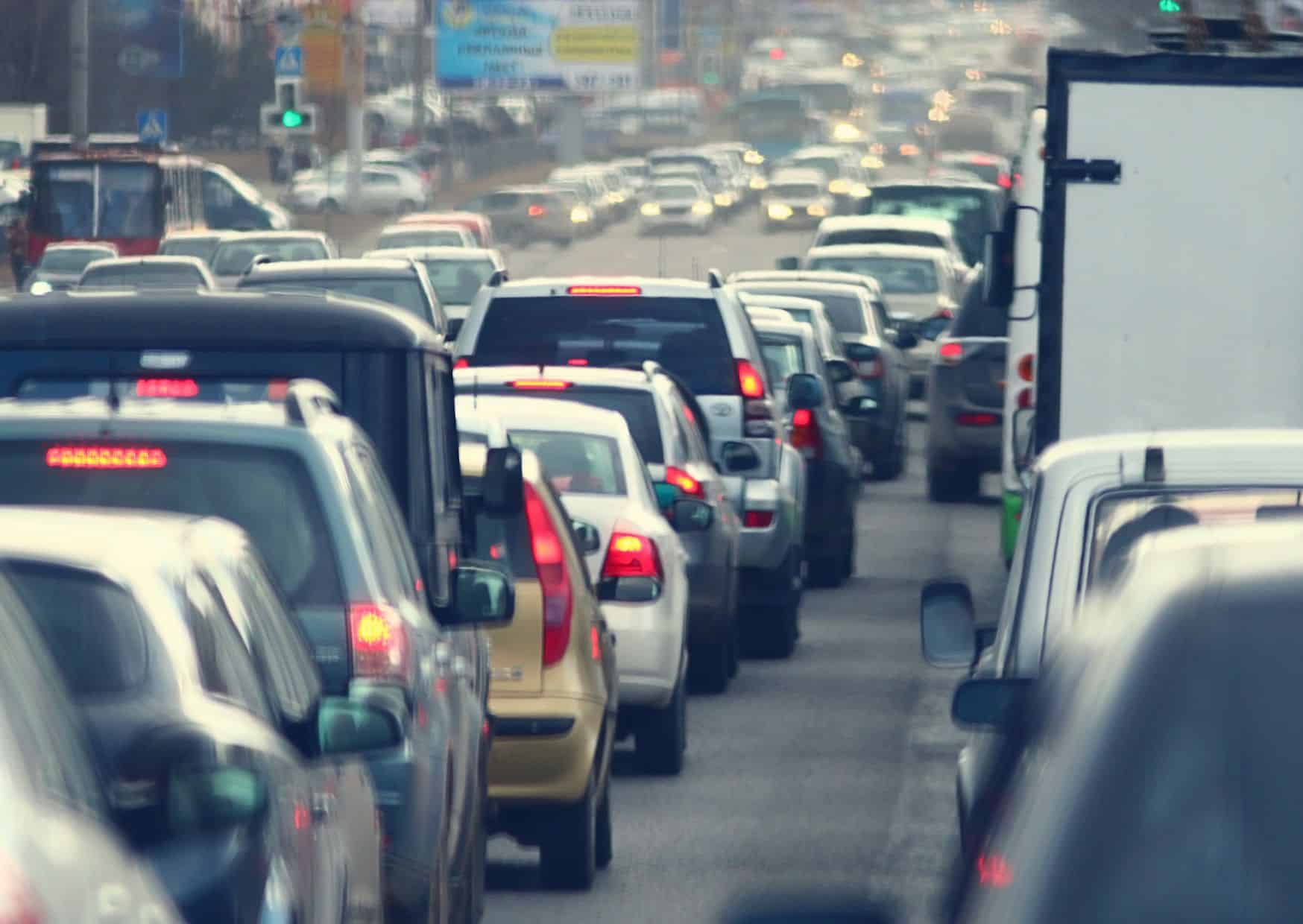
What to Expect: Driving in Italy, especially in cities like Rome and Naples, can be a shock for Americans used to more orderly traffic patterns. Italian drivers are known for their aggressiveness and flexibility with traffic rules, and the roads can feel chaotic compared to the U.S.
Examples:
Roundabouts and narrow streets: Italy has lots of roundabouts (rotaries), which might be confusing for first-time drivers. Many city streets are also narrow, especially in historic towns.
Parking difficulties: Finding parking can be tricky, and cars are often parked creatively—sometimes even on sidewalks or in tight spots Americans wouldn’t consider legal.
Scooters everywhere: Scooters and motorcycles weave in and out of traffic constantly, and they often disregard traffic rules, making driving in cities more stressful.
How to Adapt: If possible, use public transportation in cities, as driving can be stressful and parking is limited. If you do drive, take it slow, be prepared for aggressive drivers, and learn to navigate roundabouts confidently.
5. Limited Personal Space

What to Expect: Italians tend to be more comfortable with physical contact and close personal space than Americans. Whether in social settings or public transportation, the concept of personal space is much smaller in Italy.
Examples:
Close conversations: Italians often stand close to each other when speaking and may touch your arm or shoulder during conversations. This is a normal expression of friendliness and engagement.
Crowded spaces: Public places, markets, and public transportation can feel packed, and people are less likely to maintain personal distance, especially compared to what Americans are used to.
How to Adapt: Embrace the warmth and friendliness of Italians, and understand that close contact is not considered invasive but a part of their expressive social interaction. Try not to feel uncomfortable when people stand close or engage in friendly physical contact.
6. Less Tipping Culture

What to Expect: Tipping in Italy is much more subtle than in the U.S. where tipping 15-20% is standard. In Italy, tipping is not expected in most situations, as service charges are often included in the bill.
Examples:
Service charge: Many restaurants add a coperto (a small cover charge) or servizio (service charge) to your bill, which means there is no need to tip unless you want to leave something extra for exceptional service.
Rounding up: It’s common to simply round up the bill or leave a small tip, such as 1-2 euros, especially for good service in restaurants or cafés.
No tipping for coffee: When having a quick coffee or snack at a café, tipping is rare.
How to Adapt: There’s no need to tip large amounts. If you feel like leaving a little extra for great service, rounding up the bill by a few euros is sufficient. Keep in mind that tipping in Italy is seen as a kind gesture but not an obligation.
7. Formal Greetings and Etiquette

What to Expect: Italians have a strong sense of formality and respect when it comes to greetings and social interactions. Americans might find the use of formal titles and greetings more rigid compared to the casual nature of interactions in the U.S.
Examples:
Titles: When meeting someone new, it’s polite to use formal titles such as Signore (Mr.), Signora (Mrs.), or Dottore (Doctor), especially in professional settings.
Greetings: Italians often greet with a kiss on both cheeks (starting on the left) for friends and acquaintances, while handshakes are more formal and reserved for professional introductions.
Dress code: Italians take fashion seriously and tend to dress more formally, even for casual outings. Appearing sloppy or underdressed may be seen as disrespectful in some situations.
How to Adapt: Be mindful of using formal titles and polite greetings when meeting people, especially in professional or formal settings. When in doubt, it’s better to be slightly more formal than too casual. Embrace the stylish Italian dress code and aim to dress smartly, especially in cities like Milan or Rome.
8. Lack of Air Conditioning
What to Expect: Air conditioning is not as widespread in Italy as it is in the U.S. Many homes, restaurants, and public buildings either have no air conditioning or use it sparingly due to energy costs and cultural attitudes.
Examples:
Minimal AC: If air conditioning is available, it’s often used at a lower setting than what Americans are used to. Rooms may feel warmer than expected, even in the summer.
Energy conservation: Italians tend to be more mindful about energy usage, so they prefer to open windows, use fans, or take siestas during the hottest part of the day instead of relying on air conditioning.
How to Adapt: Be prepared for less air conditioning, especially in smaller hotels or apartments. Pack light, breathable clothing for hot weather, and adopt the Italian habit of taking a break during the hottest hours of the day.
9. Public Transportation and Train Etiquette
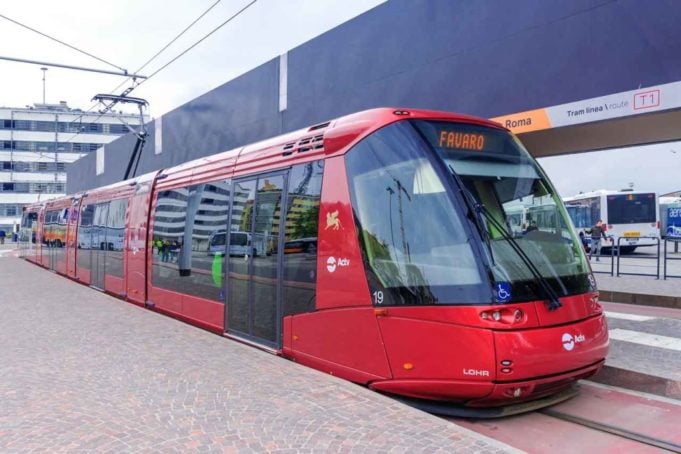
What to Expect: Public transportation in Italy, especially trains, is an efficient and common way to travel between cities. However, Americans might be surprised by some of the differences in etiquette and expectations when using public transport.
Examples:
Train tickets: In Italy, you must validate your train ticket before boarding regional trains by stamping it at a machine on the platform. Failing to do so can result in a fine.
Silence on trains: Italians generally expect quiet on long-distance trains, and loud conversations, phone calls, or disruptive behavior are frowned upon.
Late trains: Trains, especially regional ones, are often delayed, which can frustrate Americans used to.
Why You Should Understand These Italian Culture Shocks
Learning about cultural differences before visiting Italy can dramatically improve your experience. What feels surprising at first—late dinners, smaller coffees, slower service—often reflects deeply rooted traditions rather than inconvenience.
Understanding these norms helps you adjust expectations. For example, meals in Italy are meant to be savored, not rushed. Recognizing this allows you to relax and enjoy the experience instead of feeling frustrated by what seems like slow pacing.
Cultural awareness also fosters respect. Italians take pride in their food, social customs, and daily rhythms. Visitors who approach these differences with curiosity rather than judgment often receive warmer hospitality in return.
These so-called shocks can become highlights of your trip. The walkable cities, strong café culture, and emphasis on quality over quantity often leave lasting impressions once you adapt.
Finally, learning about these differences encourages broader perspective. Travel becomes more meaningful when you observe how another society organizes daily life in ways that differ from your own.
Why You Shouldn’t Overreact to Cultural Differences
While some habits may feel unusual, they are rarely dramatic or difficult to navigate. Most travelers adapt within a few days, realizing that differences are part of the charm rather than obstacles.
Italy is not culturally uniform. Norms vary between regions, cities, and generations. What surprises you in Rome may not apply in Milan or Sicily.
It’s important not to interpret differences as better or worse. Cultural norms evolve from history, climate, and social values. Comparing them through an American lens may oversimplify their context.
Many of the “shocks” are minor adjustments rather than fundamental lifestyle changes. Once you understand meal timing, public behavior, or coffee etiquette, daily life feels intuitive.
Ultimately, travel is about flexibility. Approaching Italy with openness rather than rigid expectations ensures that surprises enhance your journey rather than limit it.
Final Thoughts
Culture shock isn’t a bad thing it’s a sign you’re stepping outside your comfort zone and learning something new. Italy may not match the fast-paced, convenience-driven culture many Americans are used to, but that’s part of what makes it such a refreshing (and sometimes humbling) experience.
Rather than resisting the differences, the best approach is to lean in. Embrace the slow mornings, the late dinners, and the passion Italians bring to everything from football to food. With a little curiosity and patience, these culture shocks become opportunities for growth and better stories.
At the end of the day, the quirks that once felt frustrating may become the things you miss most when you return home. Because travel isn’t just about seeing new places it’s about learning how others live, and maybe discovering a new way of living you didn’t know you needed.

About the Author: Ruben, co-founder of Gamintraveler.com since 2014, is a seasoned traveler from Spain who has explored over 100 countries since 2009. Known for his extensive travel adventures across South America, Europe, the US, Australia, New Zealand, Asia, and Africa, Ruben combines his passion for adventurous yet sustainable living with his love for cycling, highlighted by his remarkable 5-month bicycle journey from Spain to Norway. He currently resides in Spain, where he continues sharing his travel experiences with his partner, Rachel, and their son, Han.