
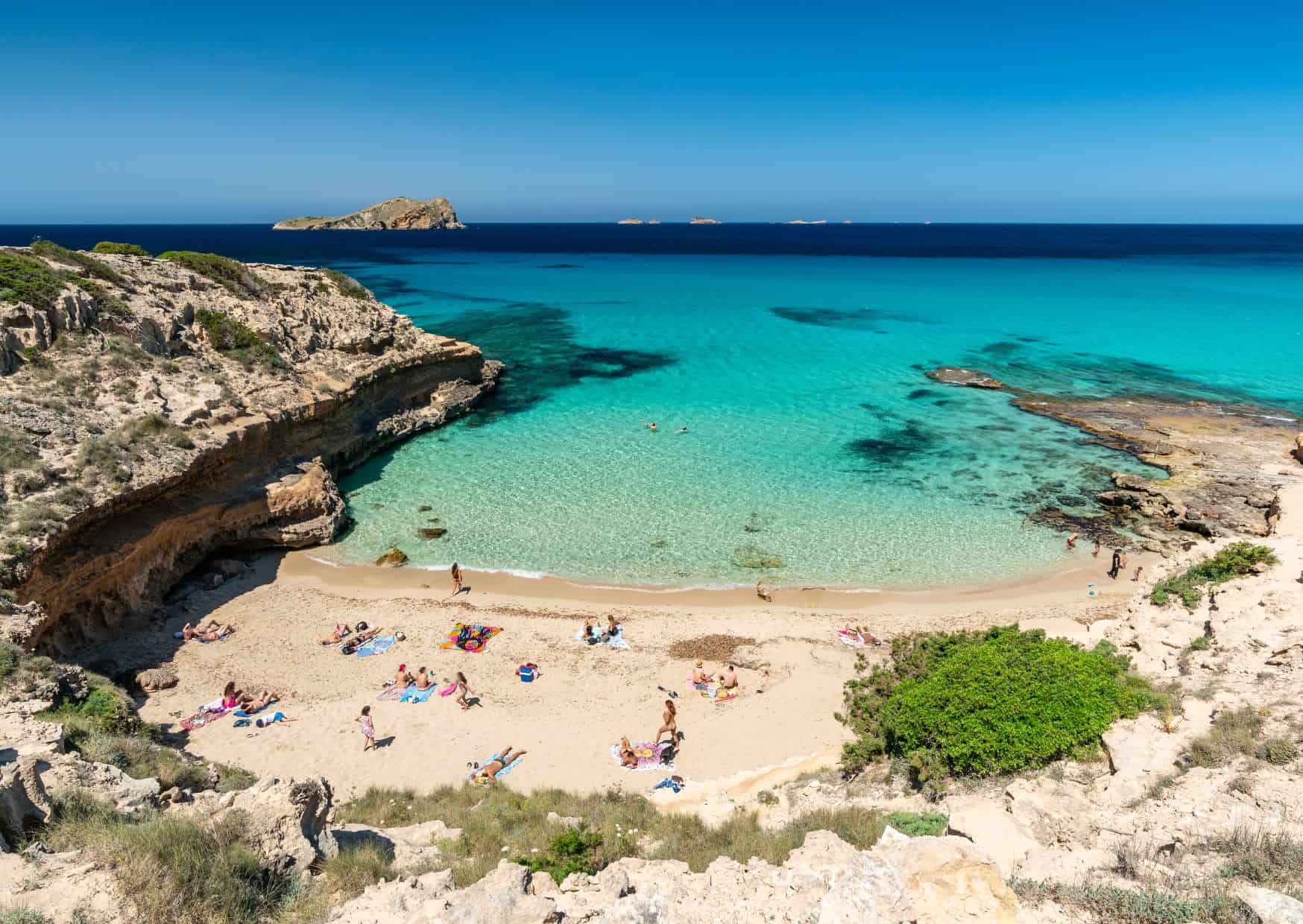
Our guide to the Spanish Beaches That Look Like Caribbean Beaches for your next trip, where to go, what to eat and where to find them for your next trip to Spain.
Spain boasts some stunning beaches that rival those in the Caribbean, with turquoise waters, white sand, and a laid-back atmosphere. If you’re dreaming of a tropical escape without leaving Europe, these Spanish beaches are perfect for you.
Spain offers an array of stunning beaches that rival the beauty of the Caribbean, from the unspoiled coves of Formentera and Menorca to the golden sands of Tenerife. Whether you’re snorkeling in crystal-clear waters, hiking along coastal trails, or savoring fresh seafood, these destinations provide a perfect escape for those seeking tropical vibes in Europe.
Plus, with the added richness of Spanish cuisine, history, and culture, you’ll experience a diverse and unforgettable vacation.
Here’s a guide to the best Spanish beaches that look like Caribbean beaches, what to do there, and what to eat for an unforgettable experience.
Planning an Itinerary in Spain: 3 Days Madrid Itinerary and 4 Days Barcelona Itinerary
WHERE TO STAY IN SPAIN
You can stay in a dorm or a room from €20-25. Of course, there are also available Airbnb for €40-60 a night.
Click here to get the best deals!
BOOK YOUR TRAVEL INSURANCE
Two of our favorite travel insurance: Heymondo Vs Safetwing cheapest travel Insurance. You can get for $135 USD your Heymondo Travel Insurance with Heymondo discount code valid for 90 days. Read our full comparison of Genki vs Safetywing Travel Insurance Review and the comparison Heymondo vs Genki
Spanish Beaches That Look Like Caribbean Beaches
1. Playa de Ses Illetes (Formentera, Balearic Islands)
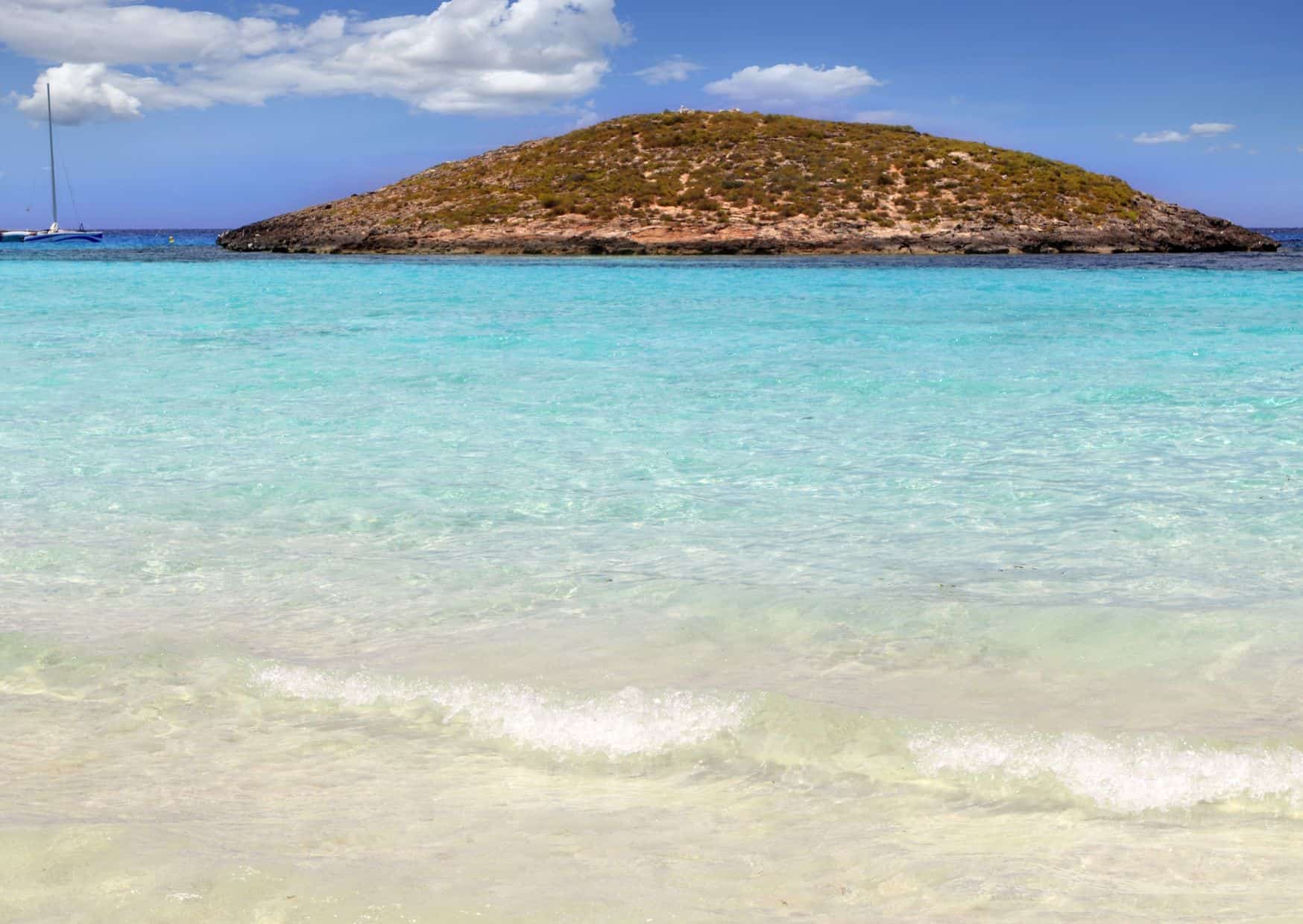
Why It Looks Caribbean: Crystal-clear, shallow turquoise waters and powdery white sand make Playa de Ses Illetes one of the most stunning beaches in Europe. The small island of Formentera is often compared to the Caribbean for its pristine and tranquil beaches.
What To Do:
Swimming & Snorkeling: The calm, clear waters are perfect for snorkeling, where you can explore the underwater marine life.
Sunbathing: Relax on the soft sand and enjoy the unspoiled beauty of this beach, far from overcrowded tourist spots.
Day Trips to Ibiza: Formentera is just a short ferry ride from Ibiza, so you can explore both islands.
What To Eat:
Seafood Paella: Enjoy a delicious paella de mariscos at a beachfront restaurant, made with fresh seafood like shrimp, clams, and squid.
Grilled Lobster: Many beachfront restaurants serve grilled lobster with local olive oil and herbs.
Ensaimada: A sweet pastry typical of the Balearic Islands, perfect for dessert.
2. Playa de las Catedrales (Galicia)
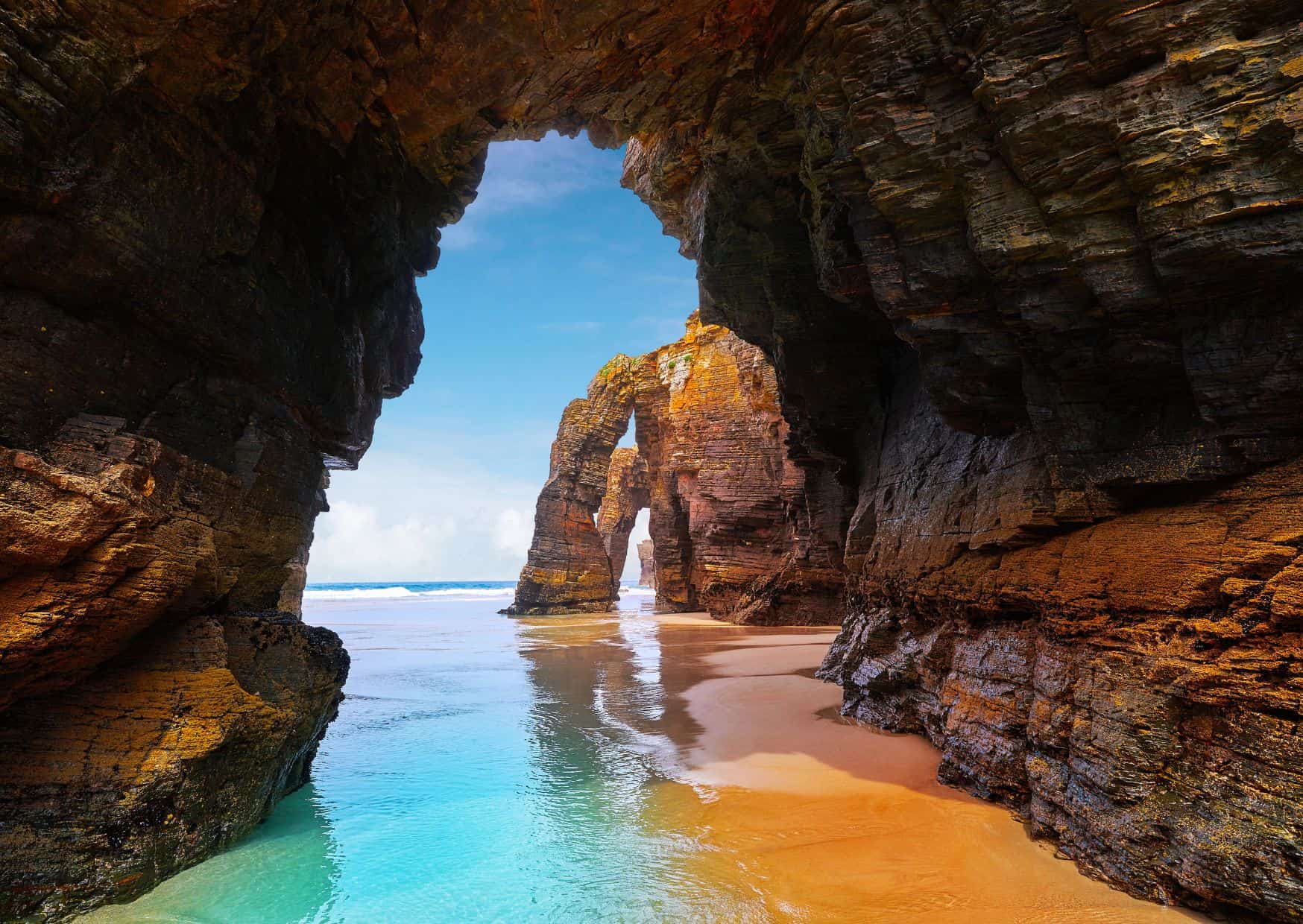
Why It Looks Caribbean: Though more rugged and dramatic than typical Caribbean beaches, the azure waters and unique rock formations create a surreal, otherworldly landscape. At low tide, you can walk under massive arches and along pristine sandy shores.
What To Do:
Explore Rock Formations: Visit at low tide to walk through the impressive natural arches and caves.
Photography: The striking rock formations and clear blue waters offer stunning photo opportunities.
Hiking: Enjoy coastal trails with panoramic views of the Atlantic Ocean.
What To Eat:
Pulpo a la Gallega: Galicia is famous for its octopus dish, pulpo a la gallega, served with olive oil, paprika, and potatoes.
Empanada Gallega: A traditional Galician pastry filled with seafood or meat, often served at beachside bars.
Albariño Wine: Pair your meal with a glass of Albariño, a crisp white wine produced in Galicia.
3. Playa de Bolonia (Tarifa, Andalusia)
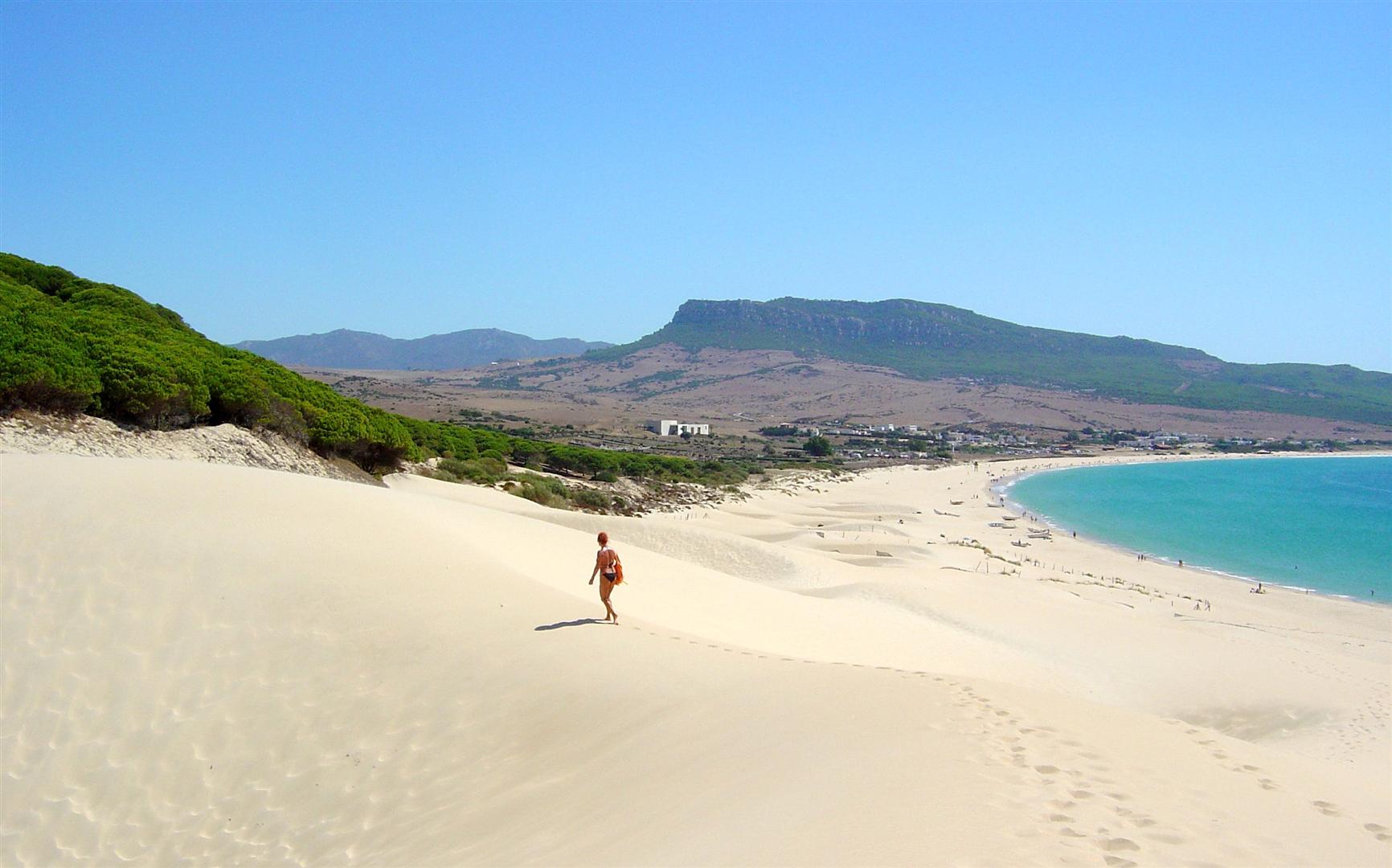
Why It Looks Caribbean: Playa de Bolonia features soft white sand and crystal-clear waters framed by rolling sand dunes, giving it a tropical feel. This beach is known for its unspoiled beauty and is far less commercialized than others in Spain.
What To Do:
Explore the Roman Ruins of Baelo Claudia: Just steps from the beach, you can explore the well-preserved ruins of an ancient Roman town.
Kitesurfing: Bolonia is popular for wind and kitesurfing due to the area’s strong winds.
Hike the Sand Dunes: Climb the large sand dune at the end of the beach for incredible views of the coastline and the Moroccan coast across the water.
What To Eat:
Fresh Grilled Fish: Try boquerones (anchovies), sardinas a la brasa (grilled sardines), or dorada (sea bream) in one of the beachside chiringuitos (beach bars).
Tortilla de Camarones: A typical Andalusian dish, these crispy shrimp fritters are delicious when freshly made.
Gazpacho: Cool off with this cold tomato-based soup, a refreshing Andalusian specialty.
4. Playa de las Teresitas (Tenerife, Canary Islands)
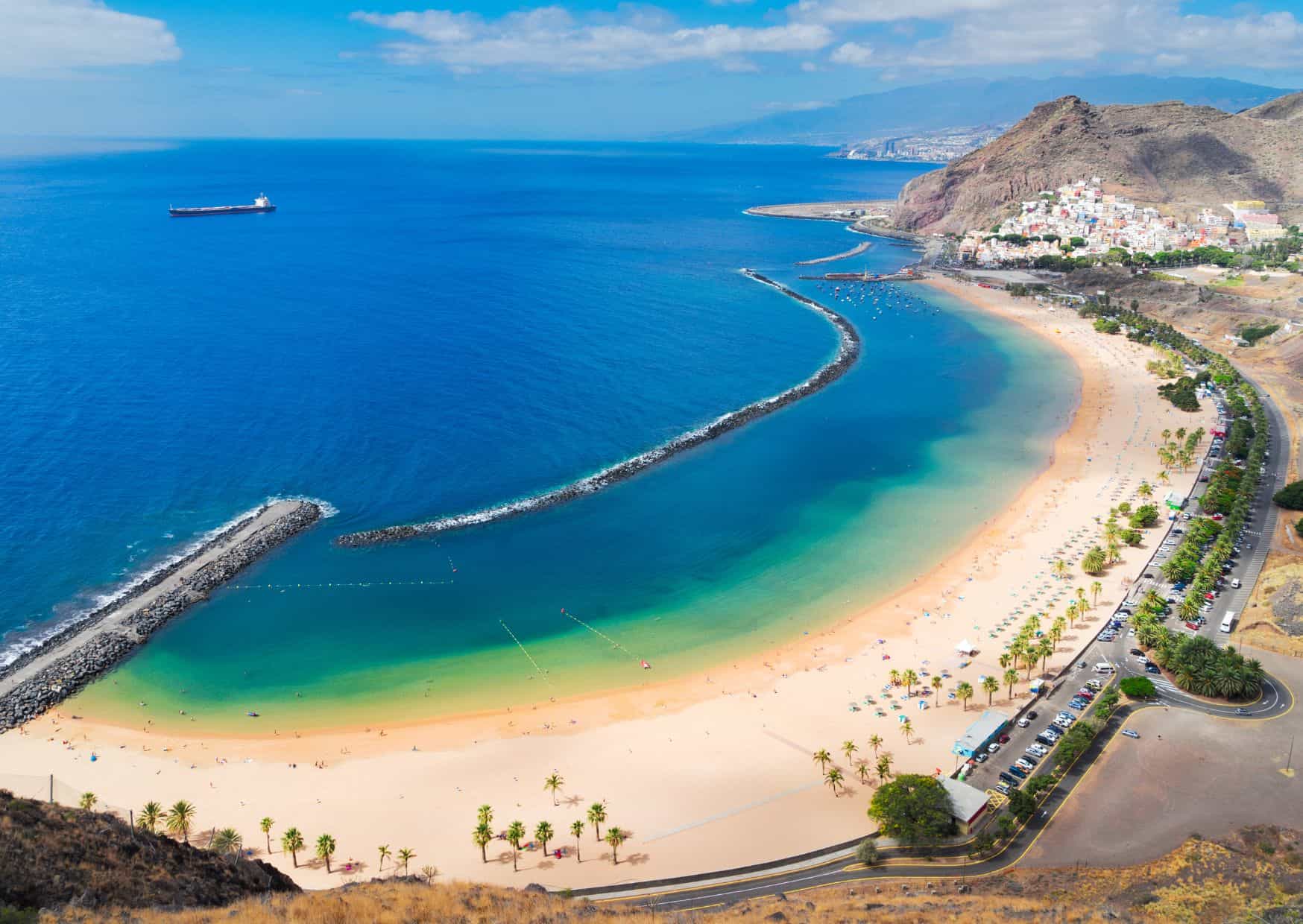
Why It Looks Caribbean: This artificial beach, with golden sand imported from the Sahara Desert, looks like a tropical paradise. The calm, clear waters are ideal for swimming, and the backdrop of palm trees and mountains adds to the exotic vibe.
What To Do:
Swimming & Paddleboarding: The calm waters are perfect for swimming, paddleboarding, or even kayaking.
Hiking in Anaga Mountains: Just behind the beach are the Anaga Mountains, offering beautiful hiking trails with views of the coast.
Day Trip to Teide National Park: Take a day trip to explore Mount Teide, a UNESCO World Heritage Site and Spain’s highest peak.
What To Eat:
Papas Arrugadas with Mojo Sauce: A Canary Island specialty, these wrinkled potatoes are served with a garlicky green or red sauce.
Goat Cheese: Sample some local queso de cabra, a flavorful goat cheese often served as a tapa.
Tropical Fruits: The Canary Islands are known for their exotic fruits like bananas, papayas, and mangos, which make for a refreshing snack.
5. Cala Macarella and Cala Macarelleta (Menorca, Balearic Islands)
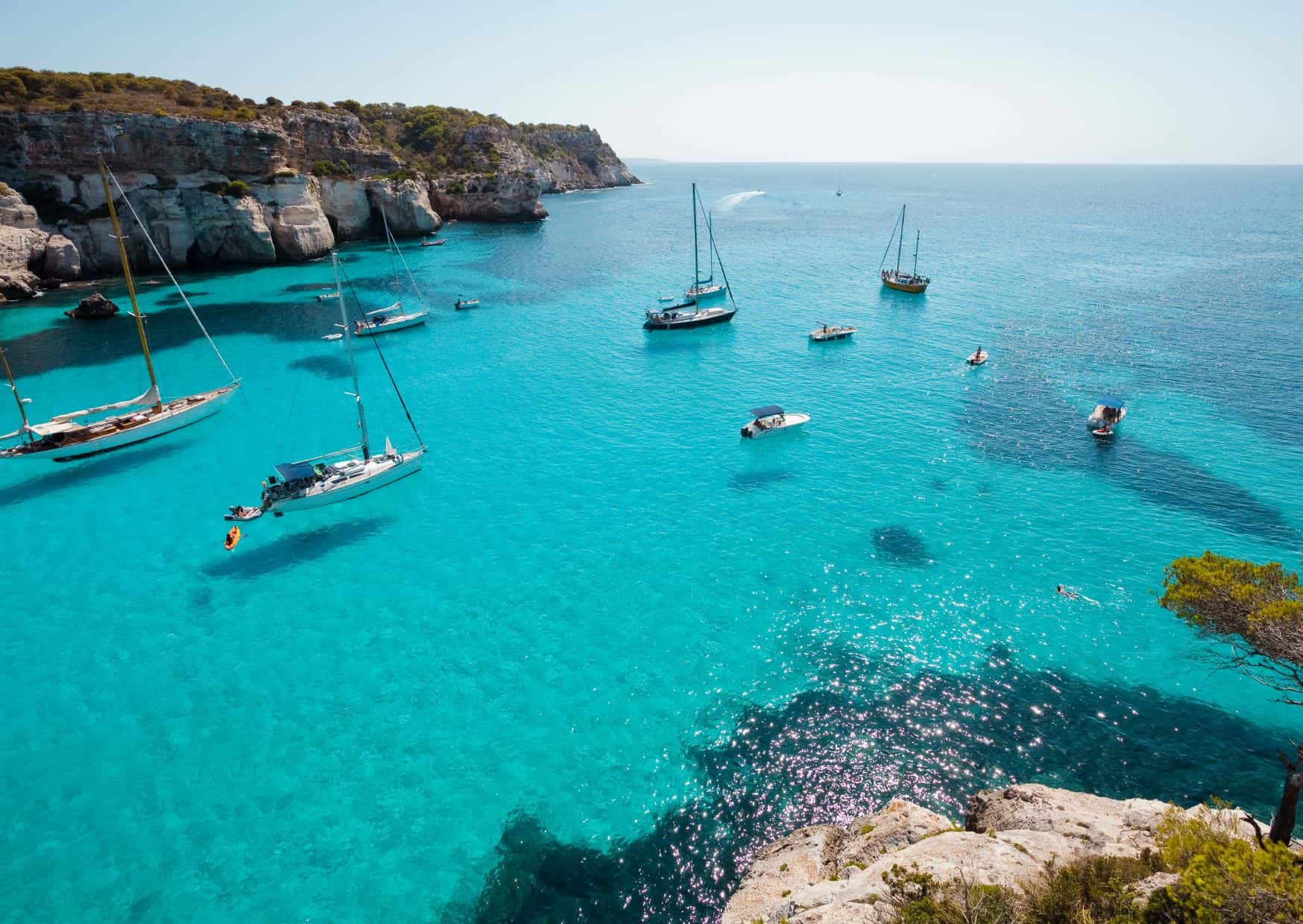
Why It Looks Caribbean: These twin coves in Menorca offer bright turquoise waters, white sand, and lush pine trees, making them look like hidden Caribbean gems. The crystal-clear waters are perfect for swimming and snorkeling.
What To Do:
Snorkeling: The clear, shallow waters of these coves are perfect for snorkeling and discovering colorful fish and marine life.
Hiking: Follow the Cami de Cavalls trail along the coastline to enjoy panoramic views of the coves and cliffs.
Relaxing on the Beach: These secluded coves are perfect for sunbathing and enjoying the natural beauty without large crowds.
What To Eat:
Caldereta de Langosta: Menorca’s famous lobster stew, often served in local seaside restaurants.
Mahon Cheese: Menorca is known for Queso de Mahón, a slightly salty cow’s milk cheese with a creamy texture.
Ensaimada: This traditional sweet pastry is also popular in Menorca, often eaten for breakfast or dessert.
6. Playa de Rodas (Cíes Islands, Galicia)
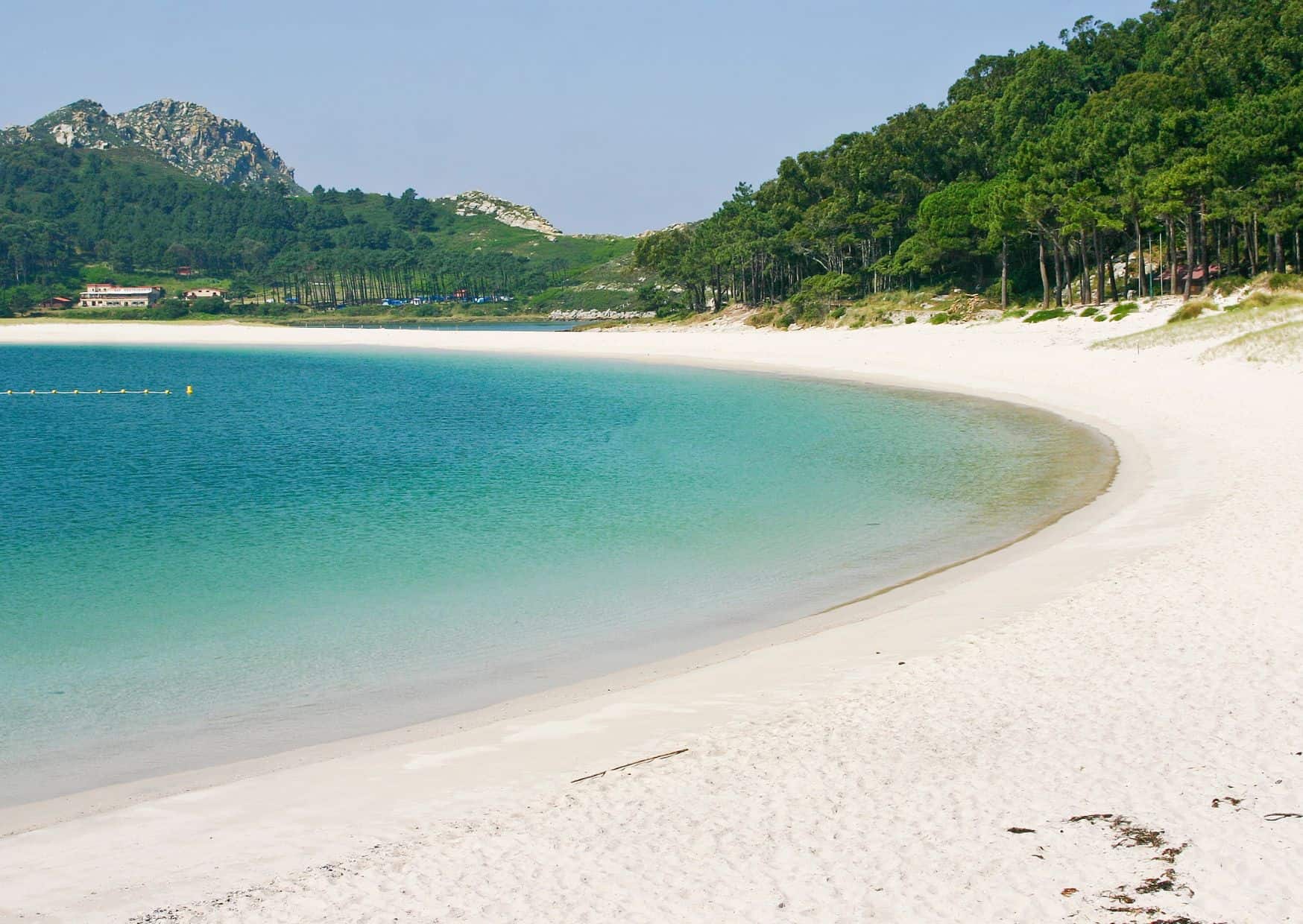
Why It Looks Caribbean: This beach is often referred to as one of the most beautiful in the world, with powdery white sand and incredibly clear blue water. The Cíes Islands are protected as a natural park, so the beach remains pristine and uncrowded.
What To Do:
Hiking: Explore the island’s trails for panoramic views and birdwatching, especially around the Monte Faro lighthouse.
Snorkeling & Kayaking: Take advantage of the crystal-clear water to snorkel or kayak around the islands.
Camping: The Cíes Islands have a small, eco-friendly campsite where you can stay overnight and enjoy the serenity of the island after day visitors leave.
What To Eat:
Empanada Gallega: A savory pastry stuffed with ingredients like tuna, pork, or seafood, often available from small local eateries.
Pulpo a la Gallega: Enjoy Galicia’s famous octopus dish, drizzled with olive oil and sprinkled with paprika, served with potatoes.
Tarta de Santiago: A traditional almond cake, perfect for dessert after a seafood feast.

About the Author: Ruben, co-founder of Gamintraveler.com since 2014, is a seasoned traveler from Spain who has explored over 100 countries since 2009. Known for his extensive travel adventures across South America, Europe, the US, Australia, New Zealand, Asia, and Africa, Ruben combines his passion for adventurous yet sustainable living with his love for cycling, highlighted by his remarkable 5-month bicycle journey from Spain to Norway. He currently resides in Spain, where he continues sharing his travel experiences with his partner, Rachel, and their son, Han.