
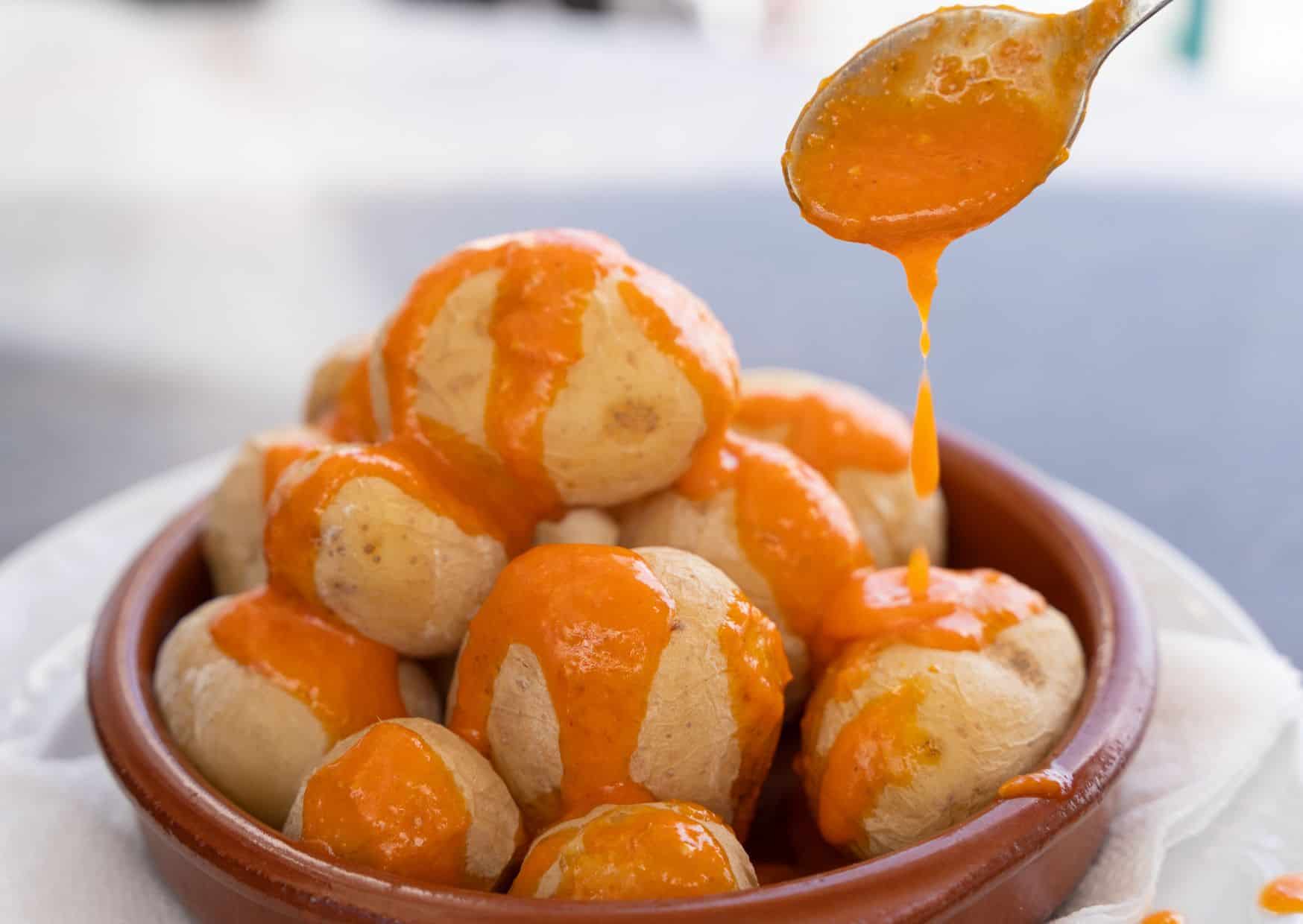
Papas Arrugadas, or “wrinkled potatoes,” are one of Spain’s most beloved traditional dishes, particularly famous in the Canary Islands. These small potatoes are boiled in heavily salted water until their skins wrinkle and a thin crust of salt forms on the outside, creating a simple yet incredibly flavourful side dish. In this recipe guide, you’ll learn how to make authentic papas arrugadas at home, bringing a taste of the Canary Islands’ rustic cuisine straight to your table.
What makes papas arrugadas so special is their unique texture and natural flavour enhanced by the salty crust. Traditionally served with mojo verde (green sauce) or mojo rojo (red sauce), these potatoes are enjoyed for their simplicity and earthy taste. This dish perfectly reflects the minimalistic yet bold flavours that define Spanish cooking, proving that even the humblest ingredients can create a memorable culinary experience.
Whether you’re looking for an easy tapas dish, a delicious side for your seafood or grilled meats, or simply want to explore traditional Spanish recipes, papas arrugadas are an excellent choice. They are quick to prepare, require no complicated steps, and always impress with their authentic, rustic presentation.
The best Spanish food to try, Breakfast in Spain, and vegetarian food in Spain
BOOK YOUR TRAVEL INSURANCE
Two of our favorite travel insurance: Heymondo Vs Safetwing cheapest travel Insurance. You can get for $135 USD your Heymondo Travel Insurance with Heymondo discount code valid for 90 days. Read our full comparison of Genki vs Safetywing Travel Insurance Review and the comparison Heymondo vs Genki
Best Time To Eat
Papas arrugadas are best enjoyed as a lunch or dinner side dish, especially when served alongside grilled fish, octopus, or as part of a tapas spread with friends and family.
Best Dishes To Partner
Serve your papas arrugadas with mojo verde or mojo rojo sauces, alongside grilled seafood, roasted chicken, or Spanish tortilla, and pair them with a chilled glass of dry Spanish white wine or light beer for a perfectly balanced Spanish meal.
Papas arrugadas, or “wrinkled potatoes,” may sound humble, but they’re one of Spain’s most iconic and beloved dishes, especially in the Canary Islands. Traditionally made with small, salty potatoes boiled until the skin wrinkles and crusts, the dish is simple yet packed with flavor. Its simplicity, however, is also what sparks debate among chefs, home cooks, and food purists.
For some, the only authentic way to make papas arrugadas is with local Canary Island potatoes and seawater, which give the dish its distinct texture and saltiness. Replacing those ingredients, they argue, strips away the character that makes the dish special. Even using table salt instead of natural sea salt can be seen as a compromise by traditionalists.
Others embrace adaptation, pointing out that food traditions survive because they evolve. If the technique and spirit are respected, they argue, papas arrugadas can be made anywhere. For many cooks around the world, it’s less about strict authenticity and more about preserving the joy and simplicity of the dish itself. This ongoing discussion mirrors a larger culinary debate: can a dish truly be “authentic” outside its homeland, or can it be both adapted and respected?
How to Make Papas Arrugadas
Papas Arrugadas Recipe Ingredients
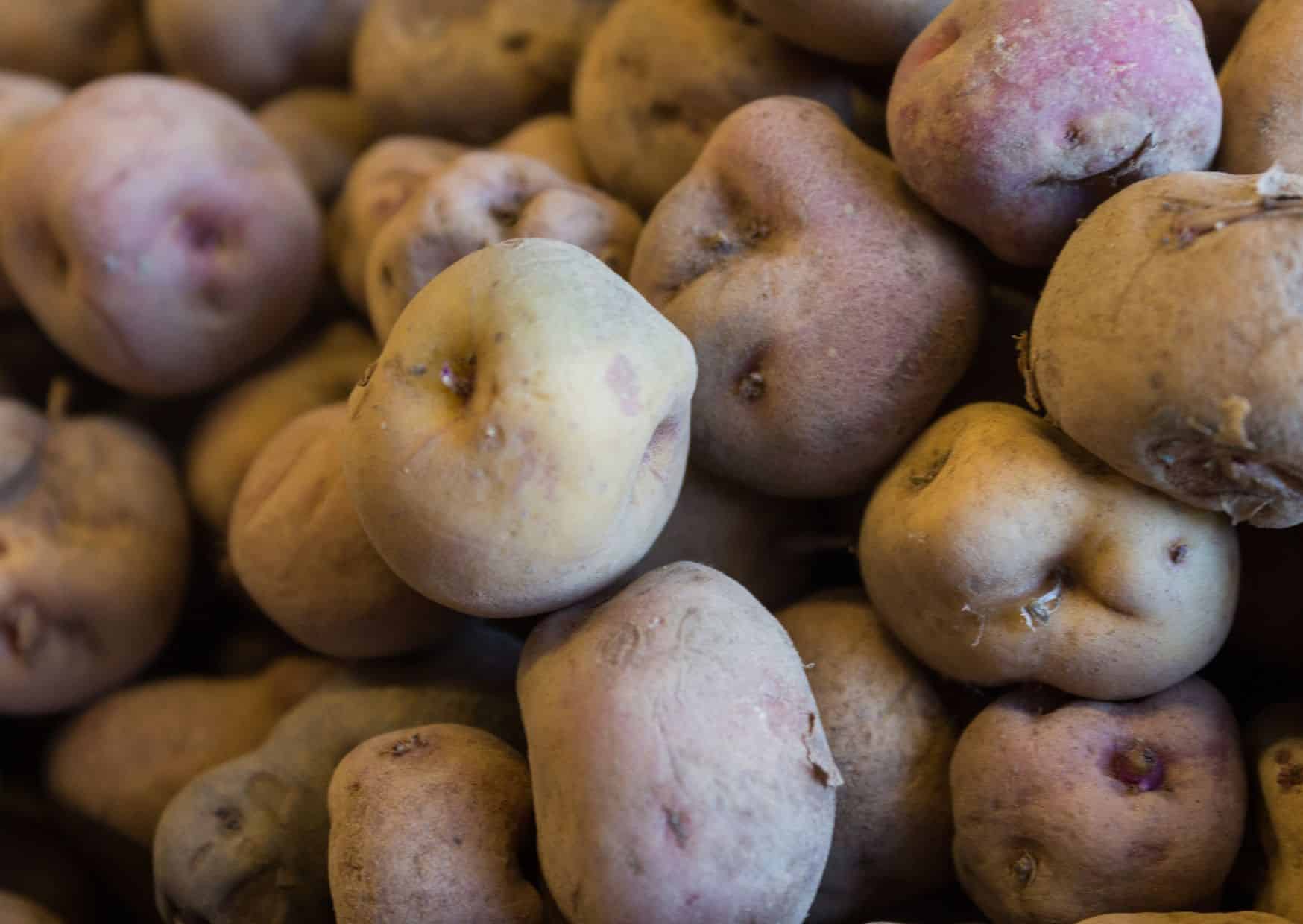
2 lbs small new potatoes (preferably baby or fingerling potatoes)
1/3 cup sea salt (coarse)
Water
For Mojo Sauce (Optional but Traditional):
4 garlic cloves, minced
1 teaspoon cumin seeds
1/2 teaspoon salt
1/4 cup olive oil
2 tablespoons red wine vinegar
1/2 teaspoon smoked paprika (for Mojo Rojo, optional)
1 small chili pepper (optional, for heat)
Fresh cilantro (for Mojo Verde, optional)
Get the best deals for your home and kitchen needs
Step By Step How to Make Papas Arrugadas
Prepare the Potatoes
Scrub the potatoes well, but do not peel them. The skin is essential for the dish. Place the potatoes in a large pot and add enough water to cover them completely.
Add the sea salt to the water. Traditionally, a lot of salt is used to create the characteristic wrinkly texture on the potatoes. The water should taste quite salty.
Boil the Potatoes
Bring the water to a boil, then reduce the heat to medium and let the potatoes simmer for about 20-25 minutes, or until they are tender and easily pierced with a fork.
Drain and Dry the Potatoes
Once the potatoes are cooked, drain the water completely. Return the potatoes to the same pot and place them over low heat.
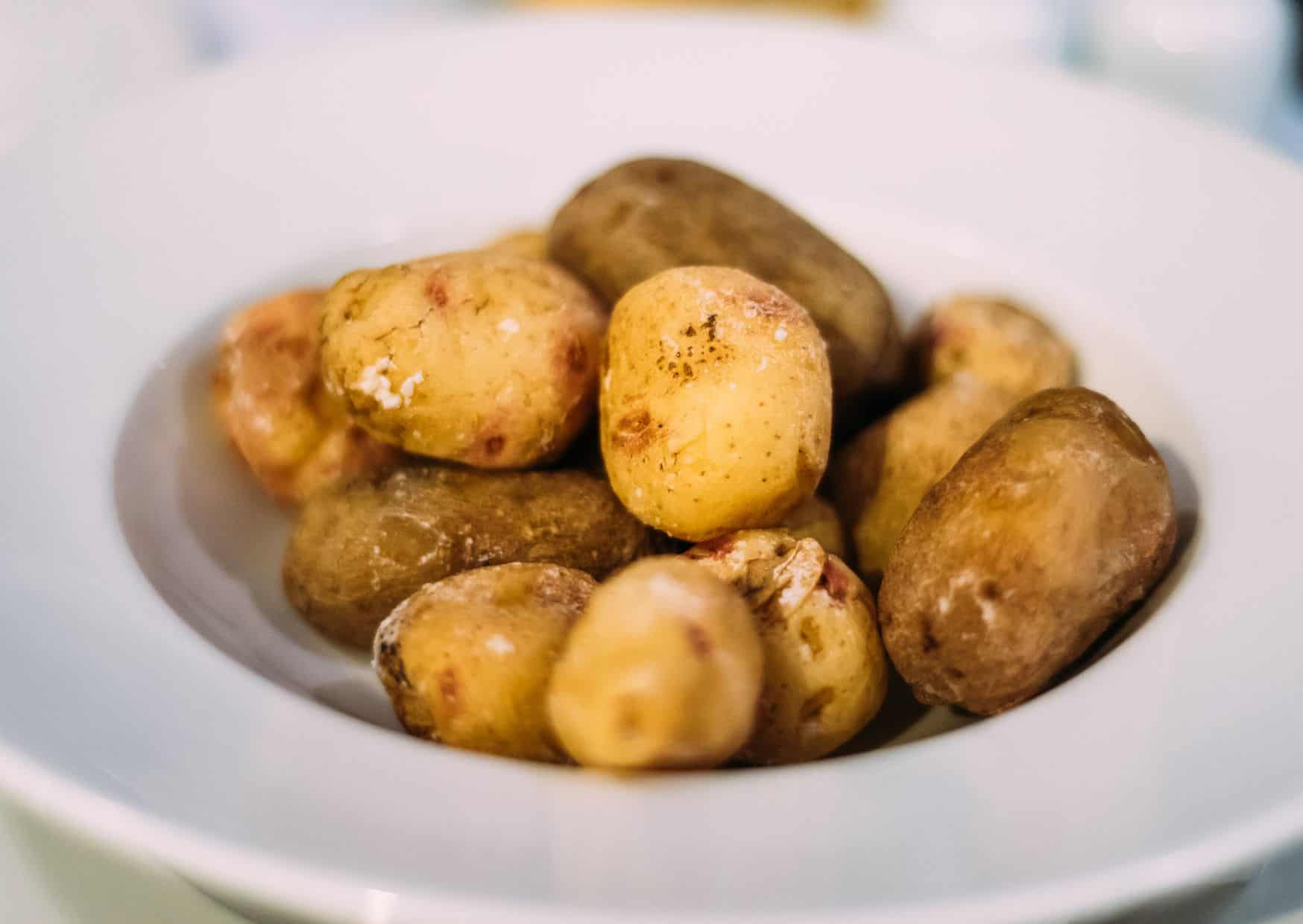
Let the potatoes dry in the pot for about 5 minutes, shaking the pot gently every minute to help the potatoes develop their wrinkled and salt-crusted skin. They will become dry and wrinkly as the water evaporates.
Make the Mojo Sauce (Optional)
In a food processor, blend the garlic, cumin, chili pepper, smoked paprika, and salt. Slowly add the olive oil and red wine vinegar until smooth. Blend garlic, cilantro, cumin, and salt. Add the olive oil and vinegar gradually until smooth.
Serve
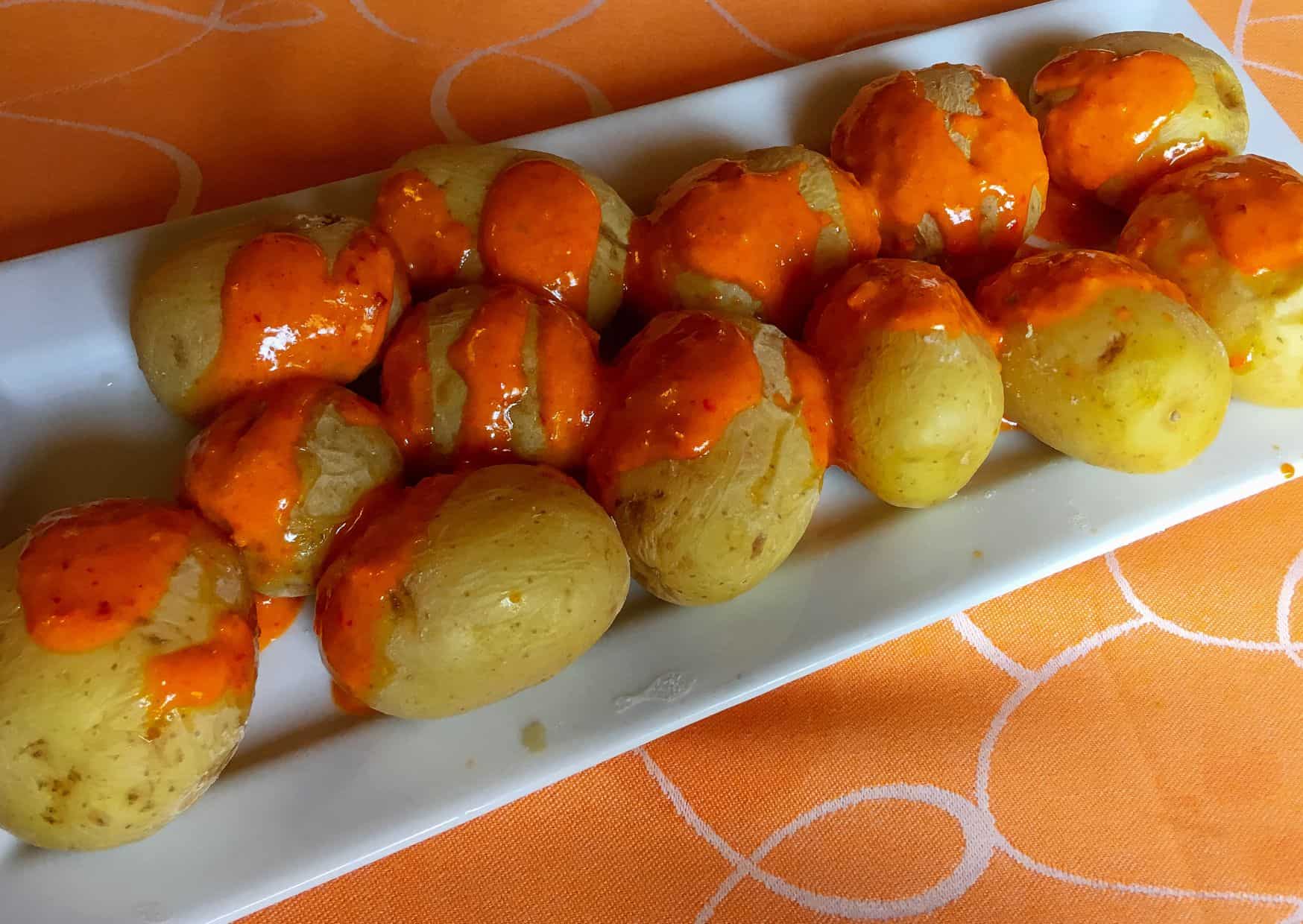
Serve the Papas Arrugadas hot, with the Mojo Rojo or Mojo Verde sauce on the side for dipping. Enjoy as a snack, appetizer, or side dish!
Tips For Making Papas Arrugadas
Papas Arrugadas are traditionally made with small, waxy potatoes. Baby or new potatoes are ideal, as they hold their shape well and develop the perfect wrinkly skin.
Don’t skimp on salt: The salt is crucial for the texture of the dish, so don’t be afraid of the large quantity—it won’t all be absorbed into the potatoes.
Shaking the pot while drying the potatoes helps create that classic wrinkled texture. Be sure not to skip this step! Papas Arrugadas are usually served with both Mojo Rojo (Red Sauce) and Mojo Verde (Green Sauce). You can choose either or both depending on your taste preference.
How Many Calories Have Papas Arrugadas
1 serving (approximately 6 small potatoes):
Papas Arrugadas (without sauce): ~150-170 calories.
With Mojo Sauce: ~250-300 calories (depending on how much sauce is used).
How to Eat
Serve warm: Papas arrugadas taste best when freshly cooked and still warm.
Peel or not to peel: Many enjoy them with the skin on for maximum flavor and texture.
Dip generously: Traditionally served with mojo rojo (red sauce) or mojo verde (green sauce).
How to Partner
Pair with fish or seafood: The saltiness of the potatoes complements grilled or baked seafood beautifully.
Add fresh salads: A crisp, light salad balances the dish perfectly.
Match with drinks: A chilled white wine or a light beer pairs wonderfully with the salty potatoes and spicy mojo.
Origin and History
Papas arrugadas come from the volcanic islands of the Canary Islands, located off the northwest coast of Africa. The dish reflects the islands’ agricultural history, where small native potatoes thrived in mineral-rich soil shaped by lava fields and ocean winds.
Potatoes arrived in Spain through the Canary Islands after being brought from the Americas in the 16th century. Over time, local farmers cultivated unique small varieties perfectly suited for boiling in heavily salted water. Limited fresh water resources encouraged efficient cooking methods, which influenced the technique still used today.
The signature wrinkled skin forms when the water evaporates and leaves a thin layer of salt on the surface. Traditionally, seawater was used for boiling, intensifying both flavor and preservation. This simple approach turned a basic ingredient into a cultural staple.
Today, papas arrugadas are inseparable from island cuisine. They are typically served with vibrant sauces and appear in homes, seaside restaurants, and festive gatherings, representing both heritage and everyday comfort.
One debate centers on salt quantity. Some insist the water must be extremely salty to achieve authenticity, while others reduce it for dietary reasons. The difference significantly alters texture and surface appearance.
Another discussion involves potato variety. True Canarian varieties are small and dense, yet they are difficult to find outside the islands. Substituting other baby potatoes works, but purists argue that size and starch content affect the final result.
There is also disagreement about seawater tradition. While historically accurate, modern cooks rarely use actual seawater. Some see it as symbolic rather than essential, while others believe it defines authenticity.
Finally, sauce pairing creates regional debate. The dish is traditionally served with red or green mojo, yet interpretations vary in spice level and ingredients. Each family often defends its preferred balance.
How Long You Take to Prepare
Preparation is straightforward. Washing small potatoes takes about five minutes, as they are cooked with skins intact.
Boiling usually requires twenty to twenty-five minutes depending on size. The key is cooking until tender but not splitting.
After draining, returning the potatoes to the hot pot allows excess moisture to evaporate. Within a few minutes, the skins wrinkle and salt crystals appear.
Overall, total time rarely exceeds thirty minutes. Most of that is unattended cooking, making the recipe practical even on busy days.
Serving Suggestions
Presentation is part of the charm of papas arrugadas. Simple details can highlight the dish’s rustic beauty.
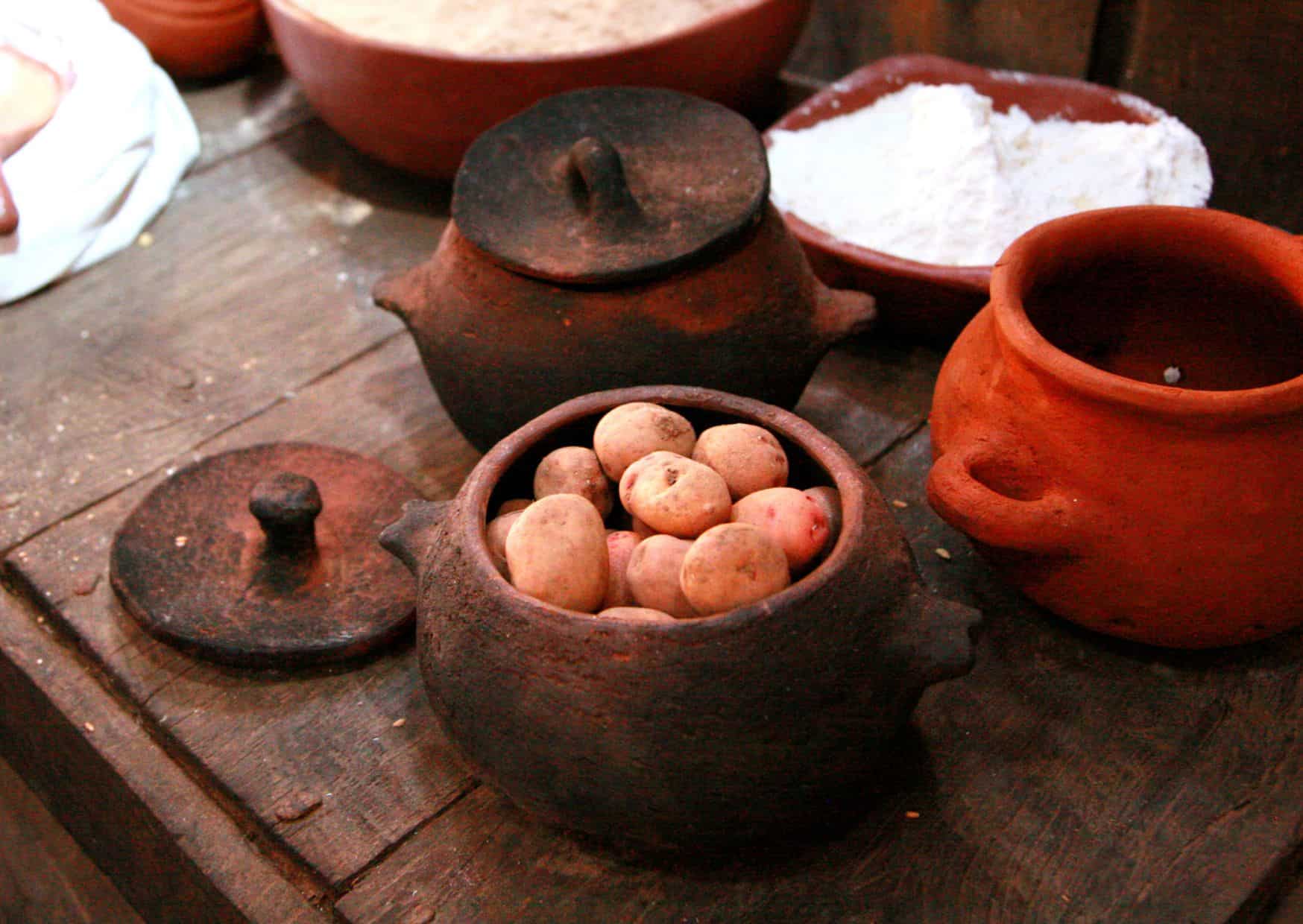
Serve in a rustic bowl or clay dish: This enhances the authentic, traditional look.
Sprinkle with sea salt: A light dusting just before serving adds texture and flavor.
Offer both sauces on the side: Mojo rojo and mojo verde give guests the option to personalize each bite.
Papas arrugadas may be a simple dish, but they carry centuries of tradition and flavor. Whether enjoyed in a Spanish tapas bar or homemade in your kitchen, they’re a delicious reminder of how powerful simplicity can be.
Final Thoughts
Papas arrugadas are proof that great dishes don’t need long ingredient lists or complicated techniques. Their power lies in simplicity a few good potatoes, salt, and careful preparation. Every bite captures the rustic charm of the Canary Islands and the spirit of Spanish cooking.
The beauty of this dish is how easily it can fit into different types of meals. It can be a side dish, a tapas plate, or even the star of the table when paired with the famous mojo sauces. Whether you stick to the traditional seawater method or recreate it at home with local ingredients, the result is comforting and full of flavor.
At its heart, papas arrugadas remind us that food can be both cultural heritage and a shared experience. The method may change slightly, but the essence a celebration of simple ingredients done well remains the same.

About the Author: Ruben, co-founder of Gamintraveler.com since 2014, is a seasoned traveler from Spain who has explored over 100 countries since 2009. Known for his extensive travel adventures across South America, Europe, the US, Australia, New Zealand, Asia, and Africa, Ruben combines his passion for adventurous yet sustainable living with his love for cycling, highlighted by his remarkable 5-month bicycle journey from Spain to Norway. He currently resides in Spain, where he continues sharing his travel experiences with his partner, Rachel, and their son, Han.