
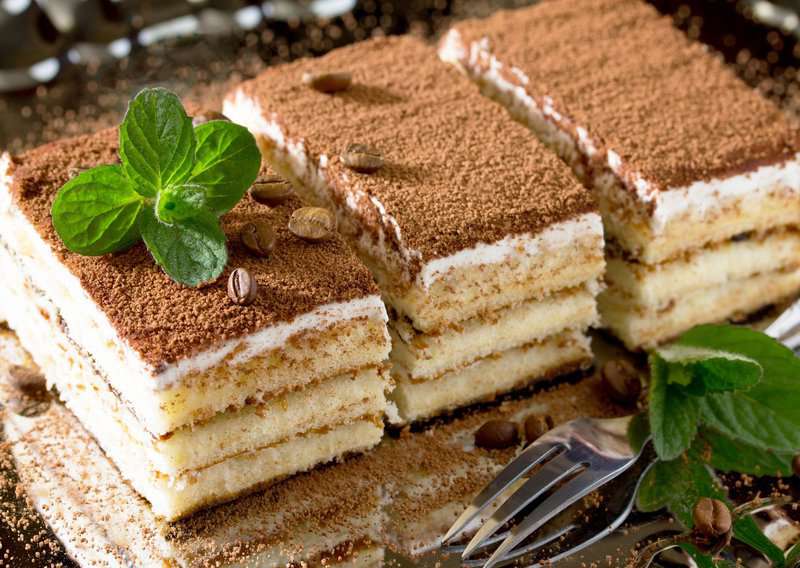
Tiramisu is more than just a dessert it’s a layered love letter from Italy. Creamy, bold, and cloud-like in texture, this coffee-soaked treat has earned its place on menus around the world. But while you’ve probably ordered it in restaurants or seen packaged versions in grocery stores, nothing compares to making real tiramisu at home, the way Italians intended.
Originating from the Veneto region, traditional tiramisu is a no-bake dessert made with layers of espresso-dipped ladyfingers (savoiardi), mascarpone cream, egg yolks, and a dusting of cocoa powder. There’s no heavy cream, no shortcuts, and certainly no strawberries or chocolate chips in the classic version just a perfect balance of bittersweet coffee and velvety mascarpone.
In this recipe guide, you’ll learn how to make authentic homemade tiramisu that rivals any café in Rome or Venice. Whether you’re preparing it for a dinner party or a solo indulgence, this dessert is easier than it looks and far more satisfying when made from scratch.
Read here best Italian food, vegetarian food in Italy, best drinks in Italy and best breakfast in Italy
BOOK YOUR TRAVEL INSURANCE
Two of our favorite travel insurance: Heymondo Vs Safetwing cheapest travel Insurance. You can get for $135 USD your Heymondo Travel Insurance with Heymondo discount code valid for 90 days. Read our full comparison of Genki vs Safetywing Travel Insurance Review and the comparison Heymondo vs Genki
Best Time to Eat & How to Partner This Dish
Tiramisu is typically served as a dessert after dinner, especially for celebrations or weekend meals. Because it’s rich and layered, it’s best enjoyed when you have time to linger think dinner parties, holidays, or romantic dinners at home. It also needs several hours to chill, so it’s a perfect make-ahead dessert.
Serve tiramisu with a small glass of espresso, a cappuccino, or a dessert wine like Vin Santo or Marsala (the same wine often used in the recipe). For a lighter pairing, an iced coffee or cold brew works just as well especially in warmer months.
While it can stand beautifully on its own, tiramisu also pairs well with fresh berries, dark chocolate shavings, or amaretti cookies for added texture. Just keep sides subtle you don’t want to overpower its delicate balance of flavor.
Many people are shocked to learn that most “tiramisu” served outside of Italy isn’t authentic. Versions loaded with whipped cream, cream cheese, or flavored syrups stray far from the original which is all about simplicity, balance, and the bold contrast between coffee and cream.
Another surprise? Tiramisu is not meant to be overly sweet. Traditional recipes use little to no added sugar beyond what’s in the mascarpone mix. The bitterness of espresso and the richness of egg yolks are what give it depth. Americanized versions often mask these with too much sugar or alcohol.
And lastly, despite its elegant appearance, tiramisu was once considered a humble dessert built from pantry staples and designed to be shared. It wasn’t meant to be fancy, deconstructed, or reinvented in a martini glass. Italians know: if it’s not layered, chilled, and dusted with cocoa it’s not tiramisu.
How to Make Tiramisu
Tiramisu Recipe Ingredients
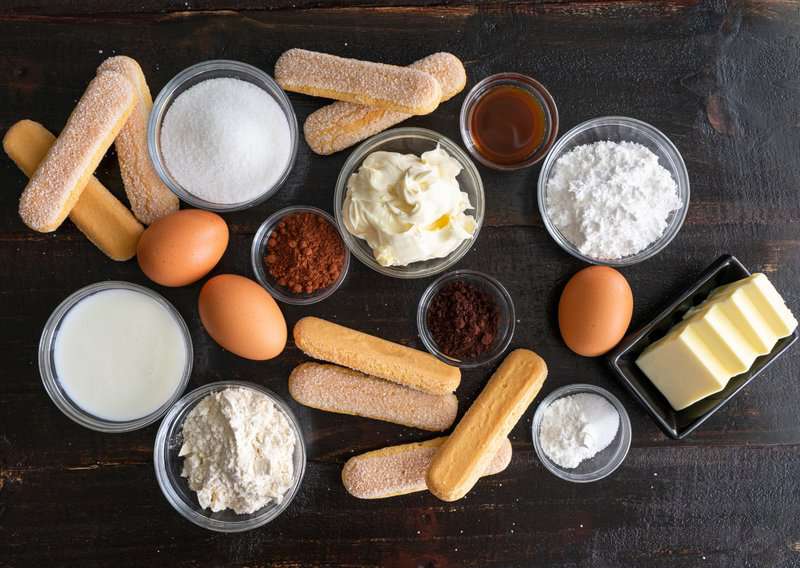
6 large egg yolks
3/4 cup granulated sugar
1 cup mascarpone cheese
1 1/2 cups heavy cream
2 cups strong espresso or strong coffee, cooled
1/2 cup coffee liqueur (optional, like Kahlua)
1 package ladyfingers (about 24 pieces)
Unsweetened cocoa powder, for dusting
Dark chocolate, for shaving (optional)
Get the best deals for your home and kitchen needs
Step By Step How to Make Tiramisu
- Prepare the Coffee Mixture
In a shallow dish, combine the espresso with the coffee liqueur (if using). Set aside to cool if it’s still warm from brewing.

- Make the Mascarpone Cream
In a large mixing bowl, whisk the egg yolks and sugar until thick and pale. This can be done with an electric mixer on medium-high speed, taking about 5 minutes. Add mascarpone cheese to the egg mixture and beat until smooth.
In another bowl, whip the heavy cream until it forms stiff peaks. Gently fold the whipped cream into the mascarpone and egg mixture, trying to keep the mixture light and airy.
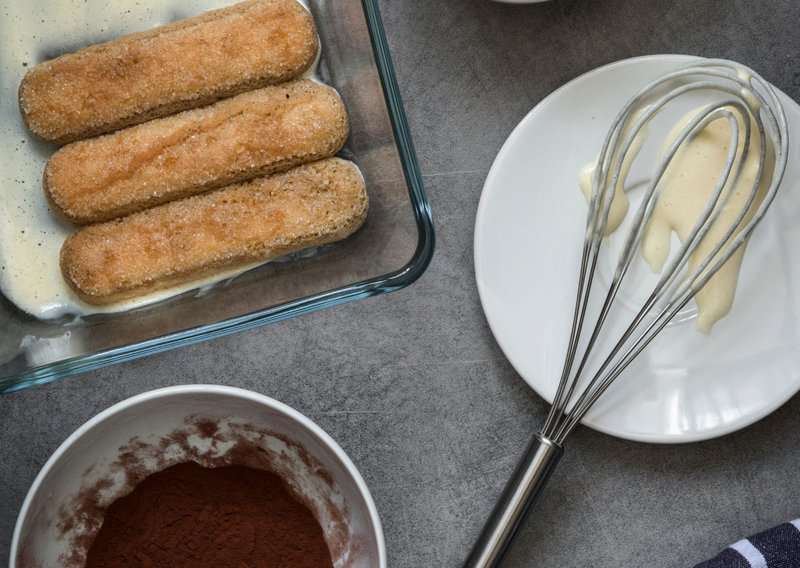
- Assemble the Tiramisu
Quickly dip each ladyfinger into the coffee mixture, ensuring they are moist but not soggy. Arrange the soaked ladyfingers in a single layer in the bottom of your dish.
Spread half of the mascarpone mixture over the ladyfingers. Add another layer of soaked ladyfingers and top with the remaining mascarpone mixture. Use a spatula to smooth the top layer.
- Chill
Cover the tiramisu with plastic wrap and refrigerate for at least 4 hours, preferably overnight. This allows the flavors to meld together and the dessert to firm up.
- Serve
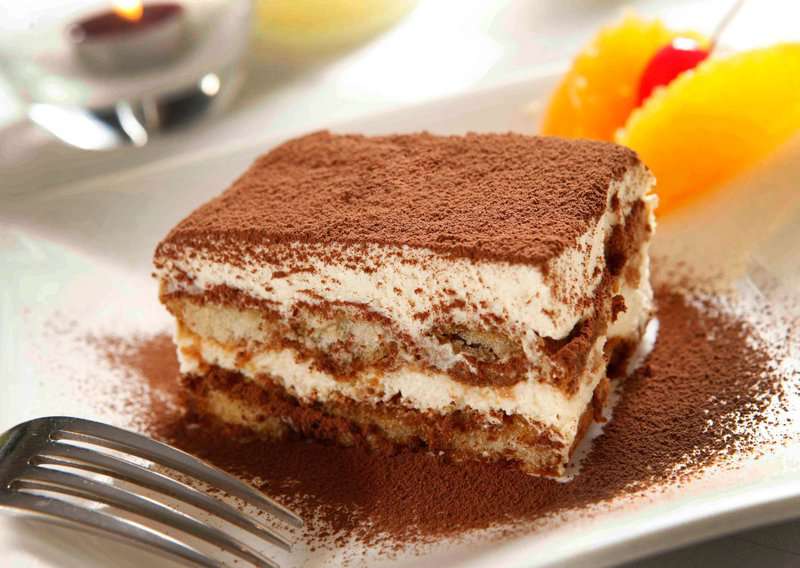
Just before serving, dust the top generously with unsweetened cocoa powder and, if desired, dark chocolate shavings. Use a sieve for even, light coverage of the cocoa powder.
Tips To Make Tiramisu
If you are concerned about the safety of using raw eggs, you can use pasteurized eggs or cook the egg yolk mixture over a double boiler until it reaches 160°F (71°C) to make it safe from salmonella. This is optional but adds a rich depth of flavor to the dessert.
Ensure the ladyfingers are quickly dipped in the coffee, not soaked, to avoid them becoming too mushy.
How Many Calories Has A Tiramisu
A typical serving of tiramisu contains between 300 to 450 calories per slice.
Egg yolks (6): Approximately 55 calories each, totaling about 330 calories.
Granulated sugar (3/4 cup): Around 580 calories.
Mascarpone cheese (1 cup): About 1200 calories.
Heavy cream (1 1/2 cups): Approximately 1200 calories.
Espresso or strong coffee: Negligible calories.
Coffee liqueur (1/2 cup): About 160 calories, if used.
Ladyfingers (approximately 24 pieces): Around 720 calories total.
Cocoa powder and dark chocolate for dusting: Minimal, around 10-20 calories.
Adding all these ingredients can be around 4000 calories.
Origin and History
Tiramisu, which translates loosely to “pick me up,” is one of Italy’s most iconic desserts, yet its history is surprisingly modern. Most food historians trace its origins to the Veneto region in the 1960s, where it was created as a layered dessert meant to be both indulgent and energizing. The combination of coffee, eggs, and sugar was designed to give diners a literal lift after a long meal.
While its invention is often debated between different towns and chefs, what’s undisputed is its rapid rise in popularity. By the 1980s, tiramisu had spread across Italy and then abroad, quickly becoming a restaurant staple worldwide. Its simple, no-bake preparation made it especially appealing in home kitchens as well.
Today, tiramisu is often misunderstood or altered beyond recognition, with shortcuts and heavy modifications that stray from the delicate balance of the original. Authentic tiramisu remains a celebration of simplicity: coffee-soaked ladyfingers, mascarpone cream, and a dusting of cocoa.
How Long You Take to Prepare
One of tiramisu’s greatest appeals is that it requires no oven, making it accessible even to novice cooks. The initial preparation mixing the mascarpone with eggs and sugar, brewing strong coffee, and layering with ladyfingers takes about 30 minutes.
The real magic happens during resting time. Authentic tiramisu needs at least 4 hours in the refrigerator for the flavors to meld and the texture to set. Many Italian nonnas even recommend leaving it overnight for the creamiest, most flavorful result.
All in, making tiramisu is more about patience than effort. You can assemble it quickly, then let the fridge do the rest of the work, rewarding you with a dessert that tastes far more complex than the time invested.
Serving Suggestions
Tiramisu is most often served chilled in rectangular slices or scooped directly from the dish, its layers of cream and soaked biscuits speaking for themselves. A light dusting of unsweetened cocoa powder just before serving adds both flavor and visual elegance.
For a more modern twist, you can prepare tiramisu in individual glasses or cups, perfect for dinner parties. These single servings not only look sophisticated but also make portion control easier without losing authenticity.
Pairing tiramisu with a small glass of dessert wine, such as Vin Santo, or even a shot of espresso, brings out its flavors and enhances the experience. The bittersweet coffee and cocoa contrast beautifully with the creamy mascarpone, making it a truly balanced dessert.
Final Thoughts
Tiramisu’s enduring appeal lies in its ability to feel both luxurious and accessible. With no baking required, it bridges the gap between everyday cooking and restaurant-worthy sophistication, all while staying true to its Italian roots.
Making tiramisu at home also means you can avoid the overly sweet, heavy versions often found outside Italy. By keeping the recipe simple and respecting its origins, you can experience the dish as it was meant to be enjoyed light, creamy, and perfectly balanced.
In the end, tiramisu is more than just a dessert; it’s a reminder that some of the best things in life don’t need complication. A few fresh ingredients, a little patience, and you’ll have a dessert that embodies the heart of Italian hospitality.

About the Author: Ruben, co-founder of Gamintraveler.com since 2014, is a seasoned traveler from Spain who has explored over 100 countries since 2009. Known for his extensive travel adventures across South America, Europe, the US, Australia, New Zealand, Asia, and Africa, Ruben combines his passion for adventurous yet sustainable living with his love for cycling, highlighted by his remarkable 5-month bicycle journey from Spain to Norway. He currently resides in Spain, where he continues sharing his travel experiences with his partner, Rachel, and their son, Han.