
Our guide on New Entry/Exit System Europe that will make you forget about stamping your passport in Europe.
Starting November 10, the European Union is introducing a new Entry/Exit System (EES) that will replace the traditional passport stamping process. This new system is part of the EU’s ongoing effort to modernize and strengthen its borders.
The system will affect travelers from non-EU countries, including tourists, business visitors, and those on short-term stays. Here’s everything you need to know about the new Entry/Exit System and how it affects your travel to the EU.
With the launch of the Entry/Exit System (EES) on November 10, the days of passport stamping in the Schengen Area will soon be over. The system aims to modernize border security, track visitor stays accurately, and speed up the entry and exit process for non-EU travelers. If you’re traveling to the EU, be prepared for biometric data collection, automated border checks, and more efficient travel overall.
Read here Best eSim for International Travel and Best Travel Insurance Comparison
Read here how to pack for Europe and Best eSIM for Europe
BOOK YOUR TRAVEL INSURANCE
Two of our favorite travel insurance: Heymondo Vs Safetwing cheapest travel Insurance. You can get for $135 USD your Heymondo Travel Insurance with Heymondo discount code valid for 90 days. Read our full comparison of Genki vs Safetywing Travel Insurance Review and the comparison Heymondo vs Genki
What Is the EU Entry/Exit System (EES)?

The Entry/Exit System (EES) is an automated digital system that records the entry and exit of non-EU nationals traveling to and from the Schengen Area. It replaces the manual passport stamping process, streamlining border checks and improving the accuracy of tracking travelers’ stay durations.
Key Features of the EES:
Biometric Data Collection: The system will collect biometric data (fingerprints and facial images) from non-EU travelers upon entry and store it in a secure database.
Automated Entry and Exit Records: Your entry and exit from the Schengen Area will be recorded electronically, including the date and location of entry/exit.
Tracking of Stay Duration: The system will track the number of days you spend in the Schengen Area to ensure compliance with visa and stay regulations (90 days within any 180-day period).
Why Is the EES Being Introduced?

The EES is being introduced to enhance border security, streamline the entry and exit process, and address issues with overstaying. The current passport stamping system is manual and subject to human error, whereas the new system will automatically track travelers and improve data accuracy.
Goals of the EES:
Prevent Overstaying: The system ensures that travelers adhere to the 90-day stay rule within the Schengen Area.
Enhance Border Security: By collecting biometric data, the system strengthens security at external Schengen borders and helps identify individuals who may pose a security risk.
Speed Up Border Checks: Automated records will speed up the entry and exit process, especially at busy border crossings.
How the EES Will Work for Travelers
For Tourists and Short-Stay Travelers:
Arrival: When you arrive at a Schengen border, instead of a passport stamp, your passport will be scanned, and your biometric data (fingerprints and facial image) will be taken if it’s your first entry.
Departure: Upon leaving the Schengen Area, the EES will automatically record your exit date and location, calculating how many days you’ve stayed within the zone.
Future Visits: For future entries, your biometric data will already be stored in the system, reducing the time needed for border checks.
For Business Travelers and Frequent Flyers:
The EES will also record the number of days spent in the Schengen Area to ensure compliance with short-stay visa rules (90 days in any 180-day period). Business travelers can track their stay durations more easily, avoiding issues related to overstaying.
How Will the New System Affect You?
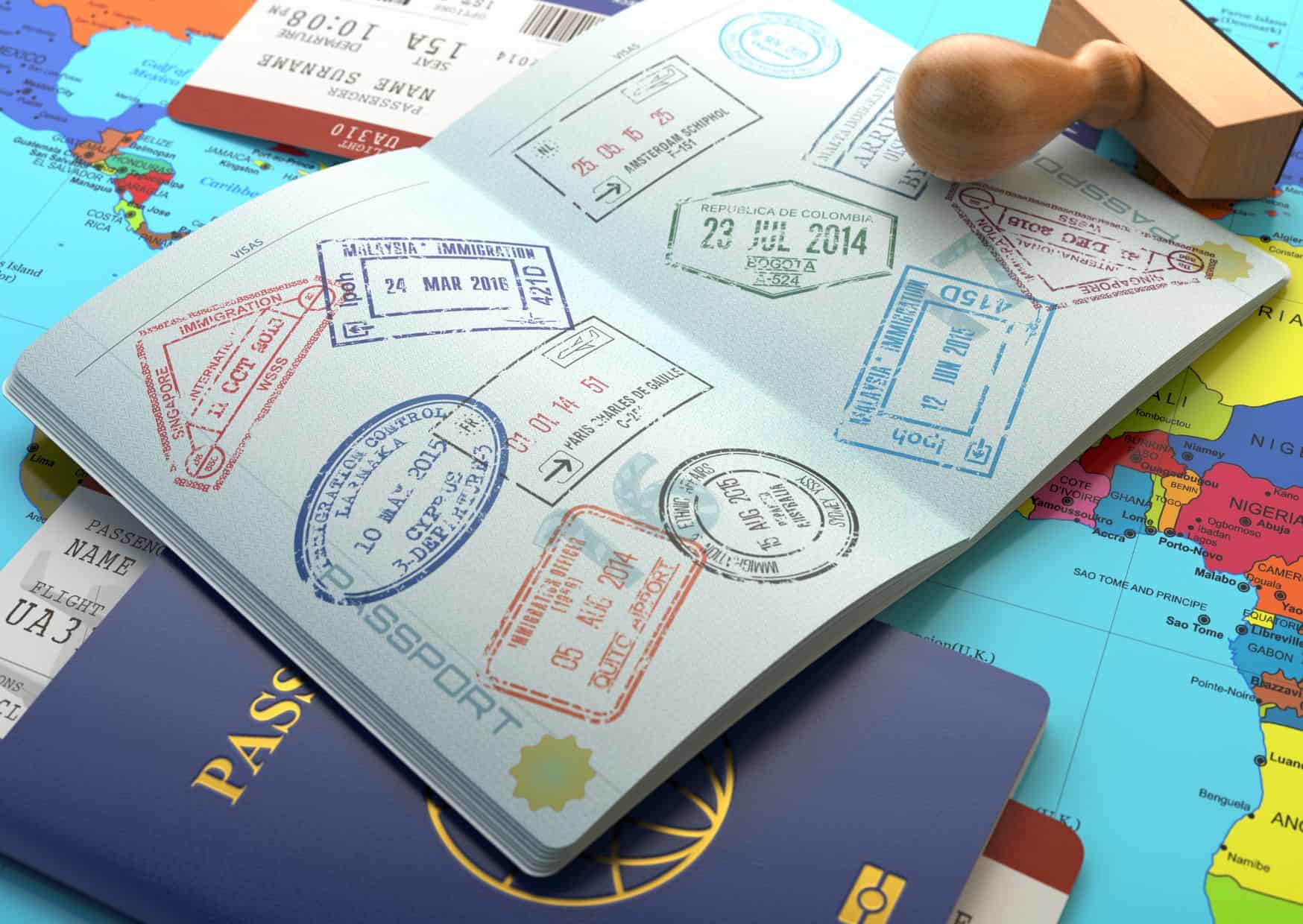
No More Passport Stamps:
With the new system, you’ll no longer receive passport stamps when entering or exiting the Schengen Area. This may be surprising for travelers who are used to collecting stamps as souvenirs or proof of travel. However, this change significantly improves efficiency.
Faster Border Crossings:
The EES aims to speed up border control processes. Automated gates (similar to e-gates) will be used in some airports for faster entry and exit processing, especially for travelers who have visited the Schengen Area before and have their biometric data already stored.
Biometric Registration:
Non-EU citizens, especially those traveling to the Schengen Area for the first time, will have to register their fingerprints and facial images upon arrival. Once in the system, you won’t have to re-register for future visits.
Who Is Affected by the EES?
The EES applies to non-EU travelers entering the Schengen Area for short stays (tourism, business, and other short-term visits). This includes citizens from visa-exempt countries such as the USA, Canada, Australia, and the UK, as well as those from countries that require visas to enter the Schengen Area.
How to Prepare for the EES
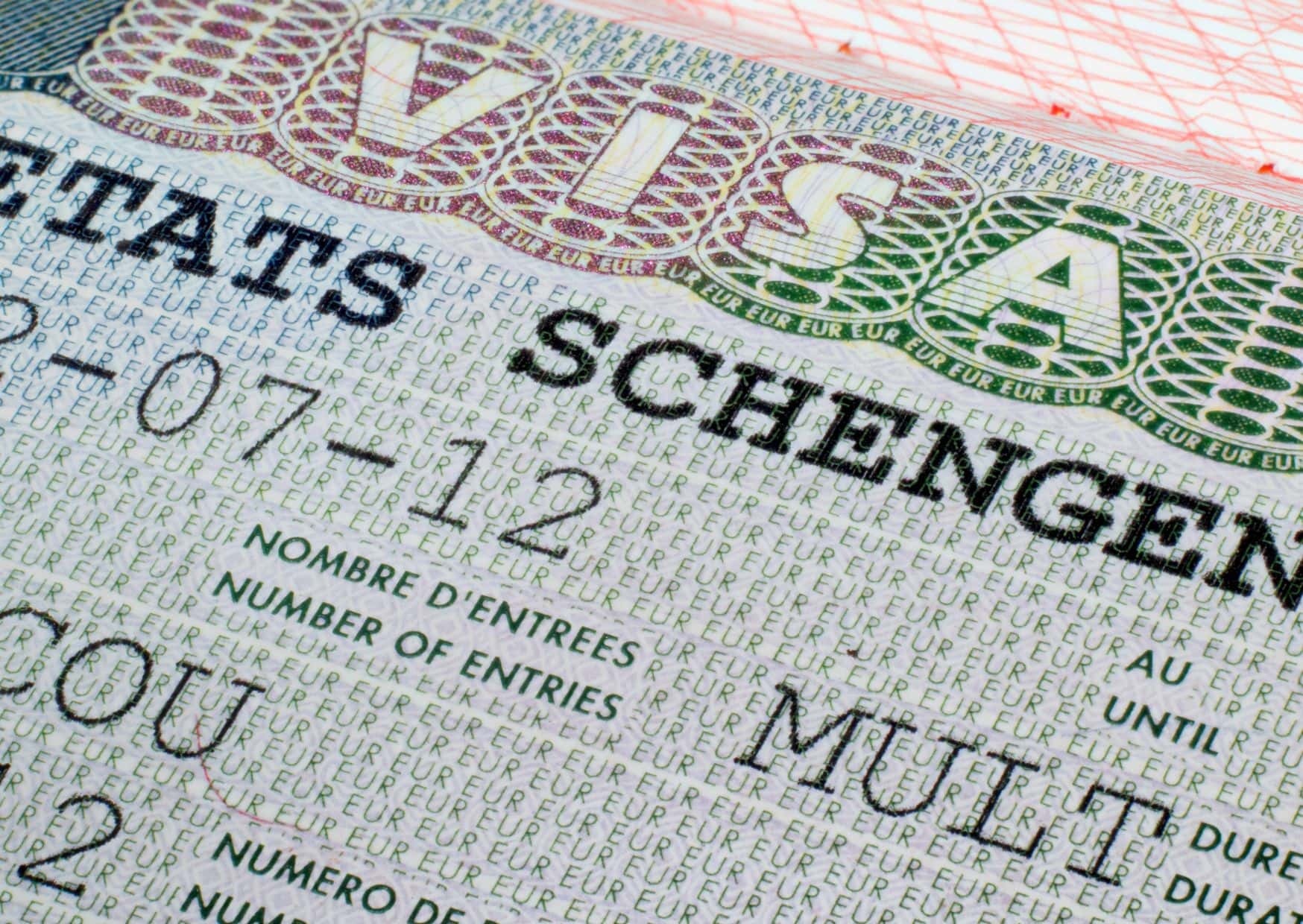
Here’s how you can get ready for the new system:
Ensure Your Passport Is Valid: Your passport will be scanned electronically, so ensure it’s in good condition and valid for at least 6 months from your travel date.
Prepare for Biometric Data Collection: If it’s your first visit to the Schengen Area after the system launches, be ready to provide fingerprints and a facial image at the border.
Track Your Stay Duration: The system automatically calculates how long you’ve been in the Schengen Area. Keep track of your time in the region to avoid overstaying, especially if you plan multiple trips within 180 days.
Check for Airport E-Gates: Some airports may use automated e-gates for travelers already registered in the system. These gates make entry and exit quicker by scanning your passport and biometric data.
Download Relevant Travel Apps: Keep apps like Google Maps, TripIt, or FlightAware handy for smooth travel, and check your destination’s airport website for any new instructions regarding the EES system.
Upcoming ETIAS Requirement
In addition to the EES, travelers from visa-exempt countries will soon need to apply for ETIAS (European Travel Information and Authorization System) authorization before entering the Schengen Area.
ETIAS is similar to the US ESTA system and will likely come into effect in 2025. It will require non-EU travelers to complete an online form and pay a small fee before traveling.

About the Author: Ruben, co-founder of Gamintraveler.com since 2014, is a seasoned traveler from Spain who has explored over 100 countries since 2009. Known for his extensive travel adventures across South America, Europe, the US, Australia, New Zealand, Asia, and Africa, Ruben combines his passion for adventurous yet sustainable living with his love for cycling, highlighted by his remarkable 5-month bicycle journey from Spain to Norway. He currently resides in Spain, where he continues sharing his travel experiences with his partner, Rachel, and their son, Han.