
Spain is a country known for its vibrant street life, late-night culture, and unforgettable food but its cocktail scene deserves just as much attention. Beyond the tourist-favorite sangria, Spain offers a rich variety of cocktails that reflect its regions, traditions, and love for socializing. From crisp, refreshing spritzers to bold, spirit-forward mixes, Spanish cocktails are about more than taste they’re about experience.
Unlike classic cocktails from other countries, Spanish drinks are often built on simplicity, fresh ingredients, and the idea that a cocktail should pair with conversation as much as with food. Whether enjoyed at a bustling tapas bar, a beachside chiringuito, or a cozy home gathering, Spanish cocktails tend to be unfussy, approachable, and refreshingly honest. They’re meant to be shared, sipped slowly, and savored with friends.
In this guide, you’ll discover seven of the most popular cocktails in Spain complete with recipes you can make at home. Whether you’re looking for a light aperitivo or a late-night classic, these drinks bring a taste of Spanish nightlife and tradition to your glass.
The best Spanish food to try, Breakfast in Spain, and vegetarian food in Spain
BOOK YOUR TRAVEL INSURANCE
Two of our favorite travel insurance: Heymondo Vs Safetwing cheapest travel Insurance. You can get for $135 USD your Heymondo Travel Insurance with Heymondo discount code valid for 90 days. Read our full comparison of Genki vs Safetywing Travel Insurance Review and the comparison Heymondo vs Genki
Best Time to Drink & How to Partner These Cocktails
Spanish cocktails often follow a natural rhythm. Light, citrusy options like Tinto de Verano or Rebujito are perfect for early afternoon or pre-dinner aperitivo hours, especially on warm days. They’re meant to refresh without overpowering the palate ideal for sipping alongside tapas like olives, anchovies, or jamón.
Stronger classics like Gin Tonic or Vermut shine in the early evening or night, often paired with heartier dishes like patatas bravas, croquettes, or charcuterie boards. Their bold flavors stand up to savory snacks, making them favorites in Spain’s vibrant bar scenes.
For celebrations or after-dinner drinks, cocktails like Carajillo (coffee with liquor) or a classic Agua de Valencia bring the perfect balance of sweetness and kick. Whether enjoyed in a buzzing bar or a laid-back gathering at home, these cocktails are best paired with good company and plenty of shared plates.
One common misconception is that Spain’s cocktail culture begins and ends with sangria. While sangria is globally recognized, many locals see it as a tourist drink often too sweet and commercialized. In reality, Spaniards tend to favor simpler, less sugary cocktails that highlight local wines, vermouths, and spirits.
Another surprise is how often Spanish cocktails defy the idea of being “craft” or overly mixed. In Spain, cocktails aren’t about elaborate garnishes or complicated syrups they’re about balance, quality ingredients, and social tradition. A gin and tonic, for example, isn’t an afterthought but a carefully poured drink with precise ratios, often served in large glasses with botanical garnishes.
And perhaps most misunderstood: Spanish cocktails aren’t designed to get you drunk fast. The culture leans toward low-ABV drinks meant for long conversations, extended meals, and lingering over multiple rounds. In Spain, it’s less about the strength of the drink and more about the strength of the moment you’re sharing while sipping it.
Best Cocktails To Drink In Spain
1. Sangria
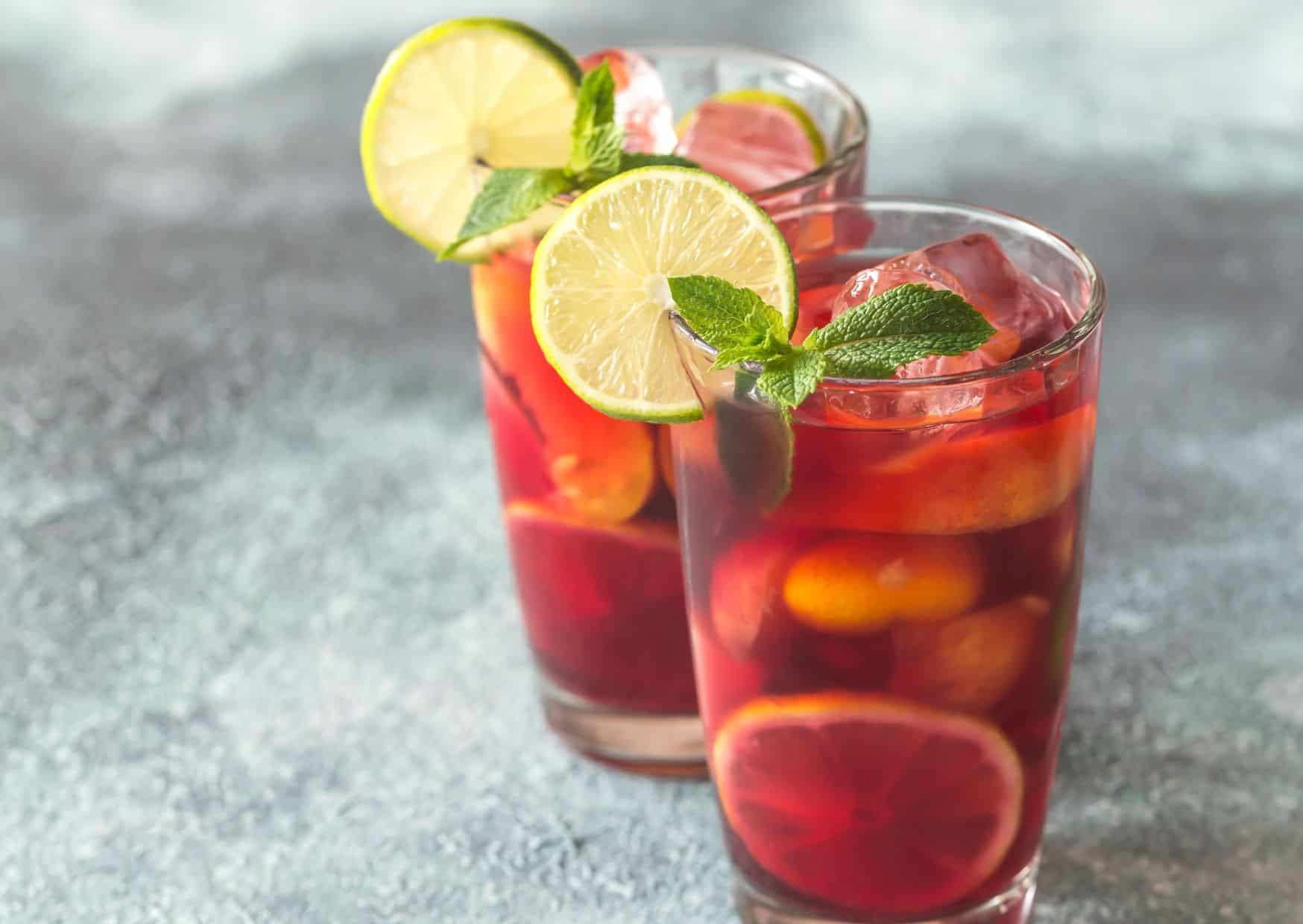
Sangria is the most famous Spanish cocktail, a refreshing mix of wine, fruits, and sometimes liquor. It’s perfect for hot summer days and best enjoyed in good company.
Ingredients:
1 bottle of red wine (Rioja or Tempranillo is best)
1/4 cup brandy or triple sec
1/4 cup orange juice
2 tablespoons sugar
1 orange, sliced
1 lemon, sliced
1 apple, diced
Sparkling water or soda (optional)
Ice
Instructions:
In a large pitcher, combine the red wine, brandy, orange juice, and sugar. Stir until the sugar dissolves. Add the sliced orange, lemon, and diced apple.
Chill in the refrigerator for at least 2 hours (overnight is even better). Before serving, add ice and sparkling water if you prefer a lighter version. Serve in glasses with fruit slices as a garnish.
Tips:
Experiment with different fruits, such as berries or peaches. For a white sangria, replace red wine with white wine or cava.
Calories:
Approximately 150-180 calories per serving (without sparkling water).
Read here how to make Sangria
2. Tinto de Verano
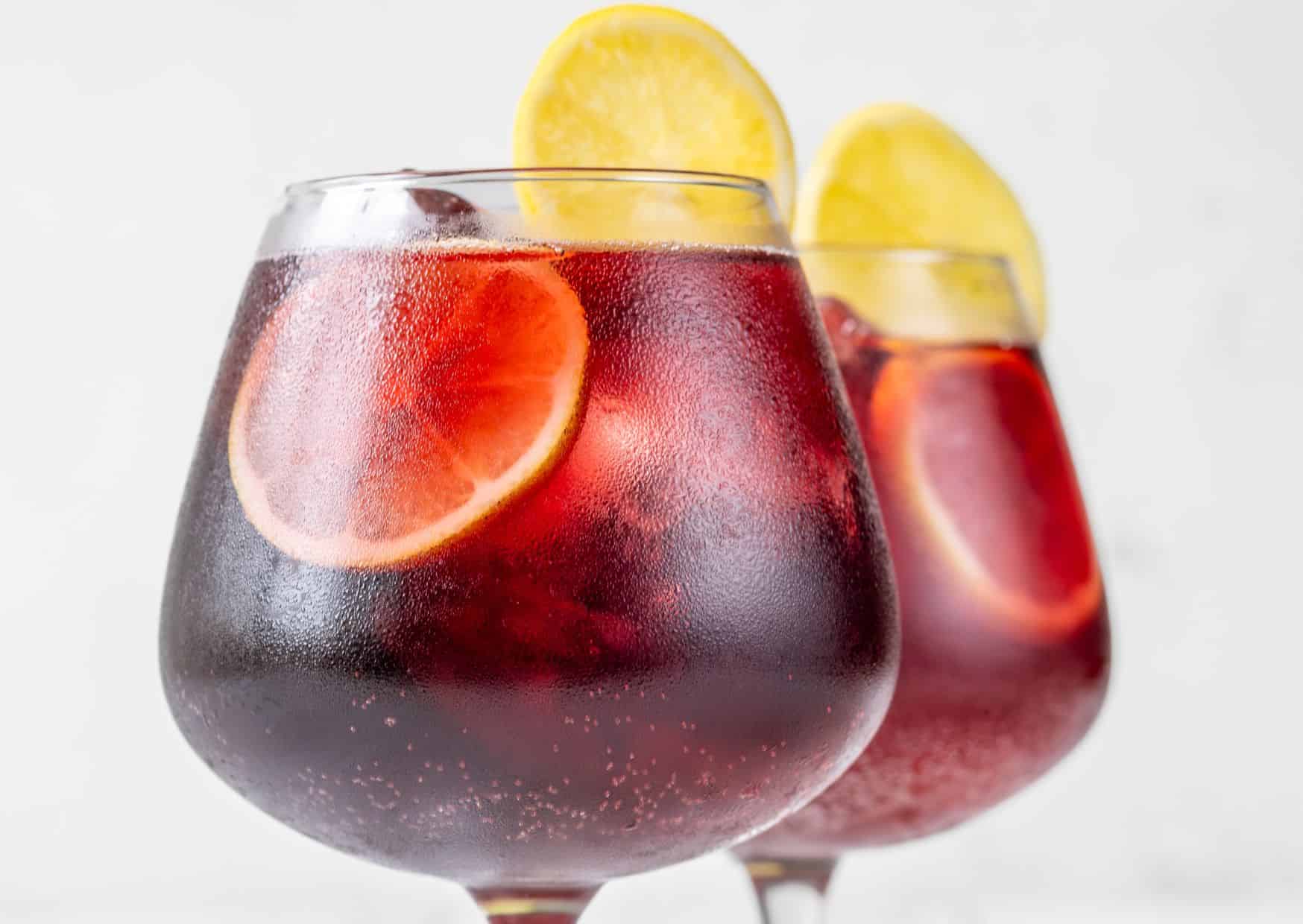
Often mistaken for sangria, Tinto de Verano is a simpler, lighter cocktail made with red wine and lemon soda. It’s extremely popular during the hot summer months.
Ingredients:
1 part red wine (Rioja or other light red wine)
1 part lemon soda (or sparkling lemonade)
Ice
Lemon slices for garnish
Instructions:
Fill a glass with ice.
Pour in equal parts red wine and lemon soda.
Stir gently and garnish with a slice of lemon.
Tips:
Tinto de Verano is usually served in a tall glass. You can adjust the sweetness by using more or less soda.
Calories:
Approximately 120-150 calories per glass.
3. Clara (Shandy)
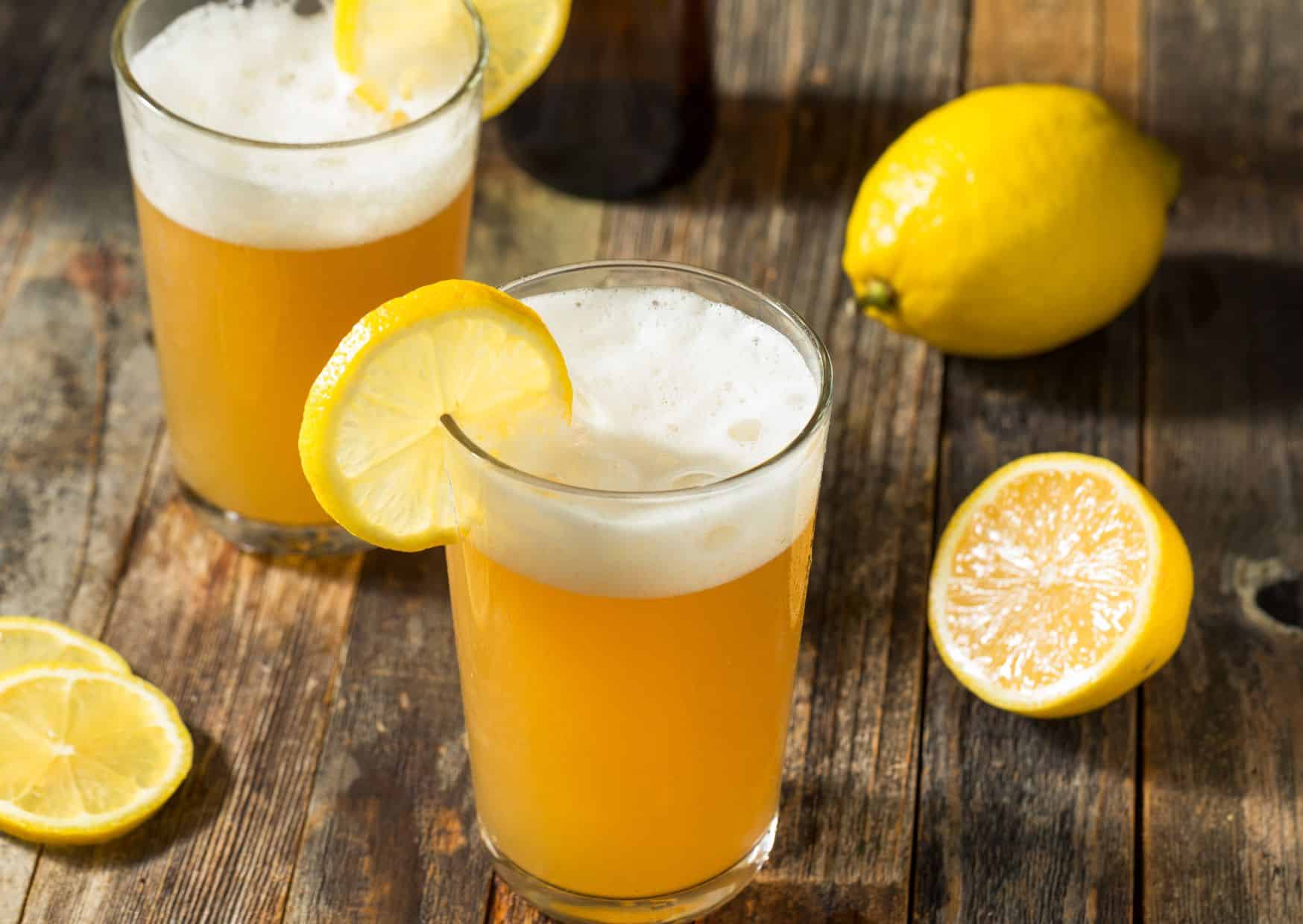
Clara is a refreshing beer cocktail made with beer and lemon soda. It’s a popular drink in Spain, especially in summer, as it’s light and easy to drink.
Ingredients:
1 part lager beer
1 part lemon soda (or sparkling lemonade)
Ice (optional)
Instructions:
Fill a glass halfway with beer. Top up with lemon soda and gently stir. Add ice if desired, though it’s often served without it.
Tips:
For a Clara con limón, use lemon soda, while for a Clara con gaseosa, use a simple sparkling water for a less sweet version.
Calories:
Approximately 100-120 calories per glass.
4. Agua de Valencia
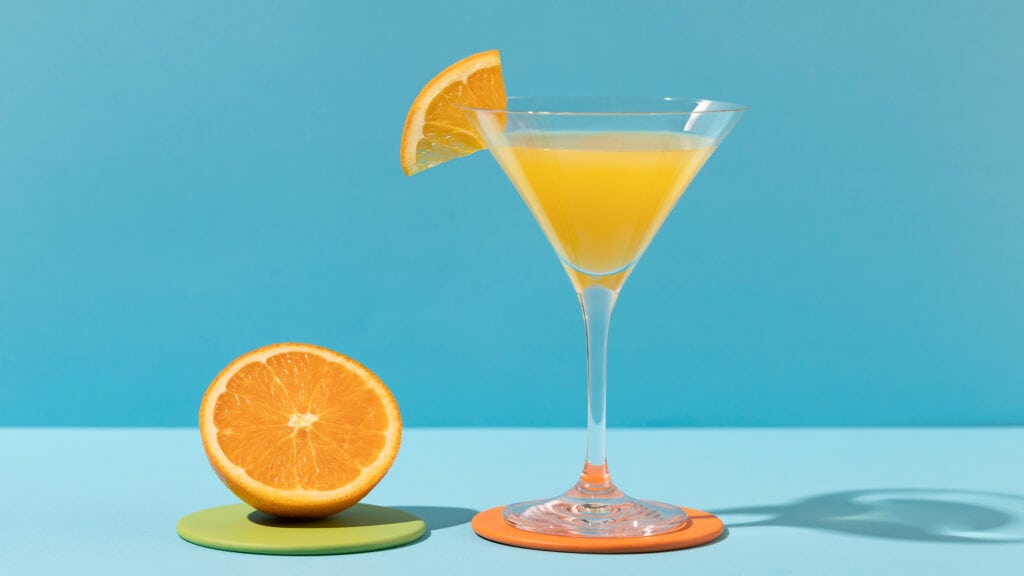
Agua de Valencia is a sparkling, fruity cocktail made with cava, orange juice, and a touch of liquor. It originated in Valencia and is a perfect brunch or evening drink.
Ingredients:
1 bottle of cava (Spanish sparkling wine)
1 cup fresh orange juice
1/4 cup vodka
1/4 cup gin
2 tablespoons sugar (optional)
Ice
Instructions:
In a pitcher, combine orange juice, vodka, gin, and sugar (if using). Stir well. Slowly add the cava and stir gently.
Serve over ice in large wine glasses.
Tips:
Use freshly squeezed orange juice for the best flavor. You can also adjust the amount of vodka and gin to your taste.
Calories:
Approximately 170-200 calories per serving.
5. Kalimotxo
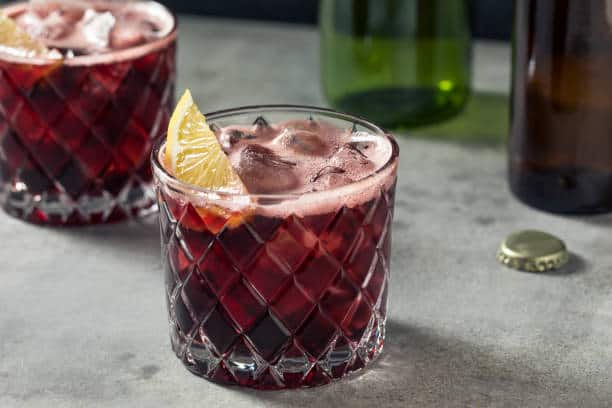
Kalimotxo is a popular Spanish cocktail from the Basque Country, made with equal parts red wine and cola. It’s an easy-to-make and surprisingly refreshing drink.
Ingredients:
1 part red wine
1 part cola
Ice
Instructions:
Fill a glass with ice.
Pour equal parts red wine and cola into the glass.
Stir gently and serve.
Tips:
Kalimotxo is best made with inexpensive red wine and cold cola. This is a casual, fun drink often enjoyed at parties or festivals.
Calories:
Approximately 150-170 calories per glass.
6. Queimada (Galician Fire Drink)
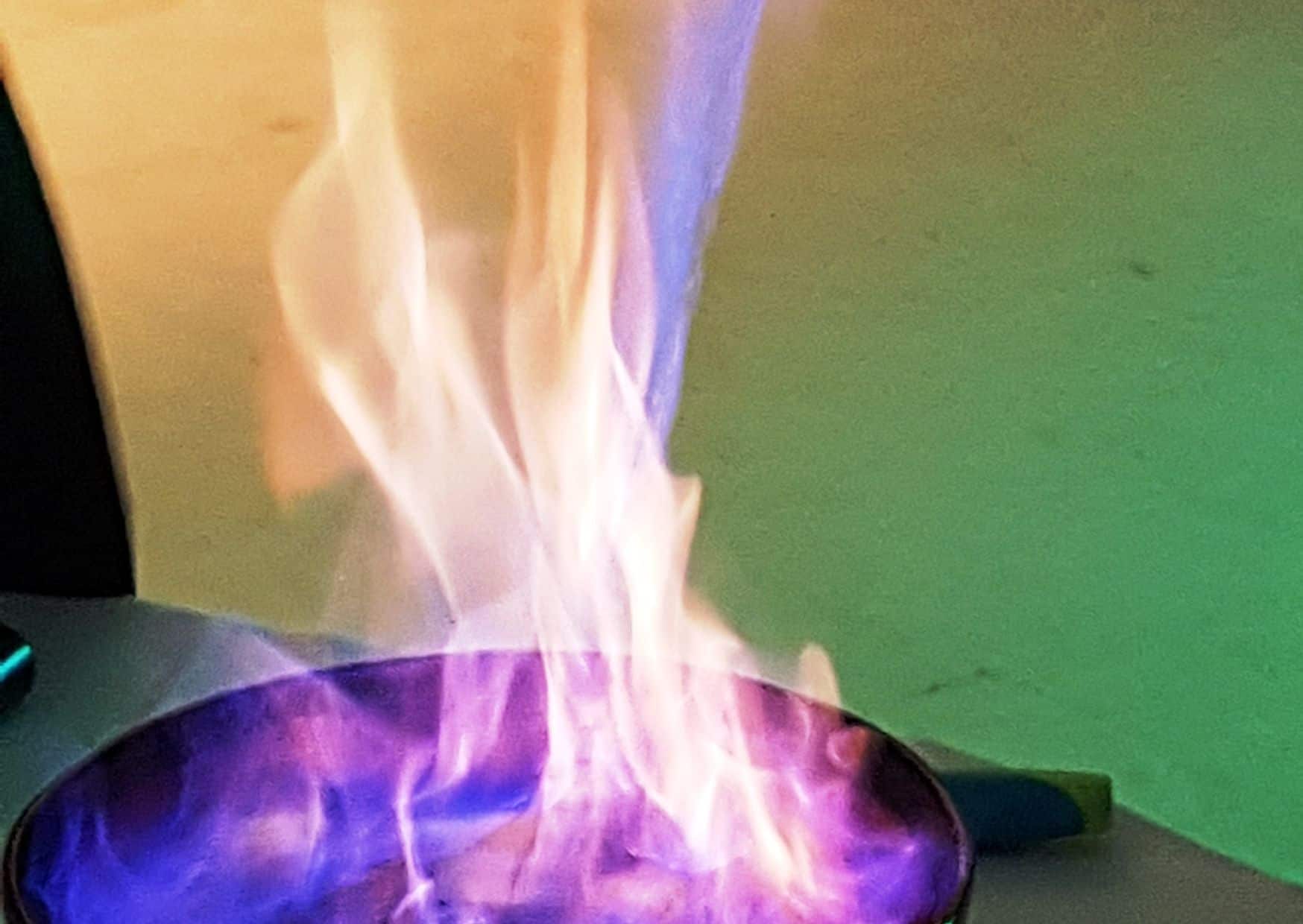
Queimada is a traditional Galician cocktail made with aguardiente (a strong liquor), sugar, and coffee beans. It’s often prepared during special gatherings and lit on fire as part of the ritual.
Ingredients:
1 liter of orujo or aguardiente (a type of Spanish brandy)
1/2 cup sugar
1/2 lemon peel
A few coffee beans
Optional: cinnamon stick or apple slices
Instructions:
In a clay pot, mix aguardiente, sugar, lemon peel, and coffee beans. Carefully light the mixture on fire, allowing it to burn for a few minutes to caramelize the sugar. Extinguish the fire by covering the pot and stir well before serving.
Tips:
This cocktail is often accompanied by an incantation called the conxuro to ward off evil spirits. It’s a traditional drink best shared with friends in a social setting.
Calories:
Approximately 200-230 calories per serving, depending on the sugar content.
7. Rebujito (Sherry Cocktail)
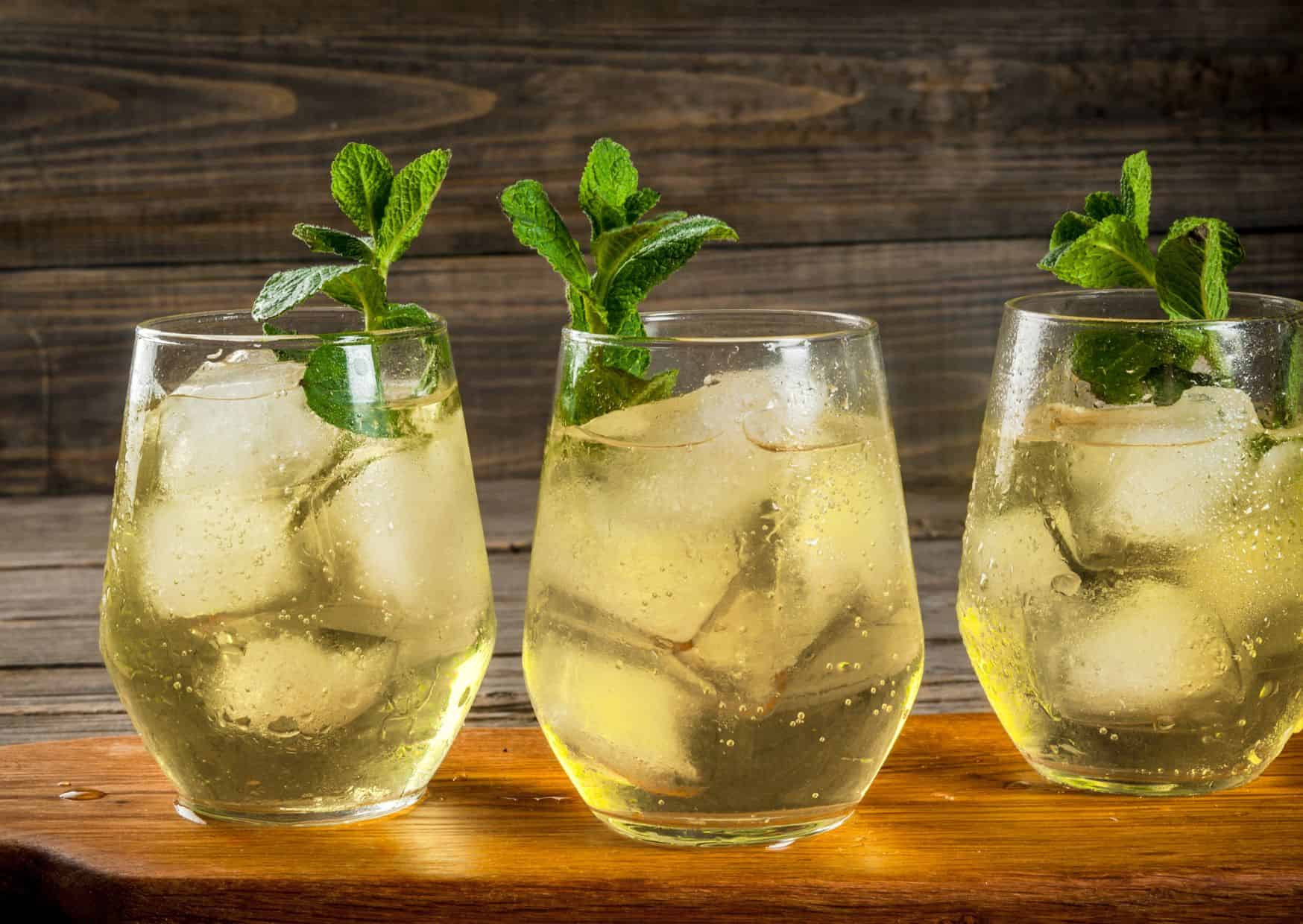
Rebujito is a light cocktail made with fino sherry and lemon-lime soda, popular at Andalusian fairs and festivals. It’s crisp, refreshing, and ideal for warm weather.
Ingredients:
1 part fino sherry
2 parts lemon-lime soda (such as Sprite or 7-Up)
Ice
Mint leaves for garnish (optional)
Instructions:
Fill a glass or pitcher with ice. Add the fino sherry and top with lemon-lime soda. Garnish with fresh mint leaves and serve cold.
Tips:
Rebujito is best served in a large glass with lots of ice. You can adjust the sweetness by adding more or less soda.
Calories:
Approximately 90-110 calories per glass.
Origin and History
Spanish cocktails have always reflected the country’s climate, culture, and regional traditions. Unlike classic American cocktails built on heavy spirits and precise measurements, Spain’s favorites tend to grow from local produce, shared tables, and warm weather. Wine, citrus, and herbs appear again and again in historic recipes because they were abundant and inexpensive. Over time, those simple ingredients evolved into drinks that now define entire cities and regions.
Take sangria, for example. Its true origin traces back to Roman times, when watered wine mixed with fruit and spices helped make drinking water safer. What started as a practical solution became a cultural symbol. Eventually it turned into the pitcher-sized, fruit-filled crowd-pleaser associated with festivals and long summer afternoons. Each region of Spain then added its twist, turning a humble drink into a national icon.
Other cocktails grew from regional identity. The Basque Country birthed the kalimotxo, a simple but surprisingly addictive mix of red wine and cola shaped by youth culture in the 1970s. Meanwhile, Catalonia’s obsession with sparkling cava led to modern creations like the agua de Valencia, which mixes bubbly with citrus and spirits for a drink that feels celebratory no matter the season. These cocktails weren’t created in labs or high-end bars; they emerged from everyday life, shaped by the people who drank them.
One common misunderstanding among visitors is the idea that Spanish cocktails should taste like American bar cocktails. Spanish drinks are often lighter, more refreshing, and meant for social sessions rather than late-night intensity. Tourists sometimes misjudge them as “weak,” missing that their purpose isn’t to overwhelm but to be enjoyed over conversation, long meals, and sunny terraces.
Another debate centers on authenticity. Many travelers assume sangria is served everywhere in Spain, but locals in some regions rarely drink it. Instead, they order tinto de verano, its simpler cousin made with red wine and lemon soda. Tourists expecting elaborate cocktails might be confused or even disappointed, not realizing that the most iconic Spanish drinks are intentionally uncomplicated.
There’s also disagreement about sweetness. Some Americans and Northern Europeans prefer sugary cocktails, leading bars in tourist areas to over-sweeten traditional Spanish recipes. Locals see this as a distortion of their drinks’ natural balance. The original versions rely more on acidity, freshness, and subtle aromatics. Once travelers taste the real thing, they begin to understand why locals defend those recipes so fiercely.
How Long You Take to Prepare
Spanish cocktails shine because they’re quick to prepare. Most take just a few minutes, and none require advanced bartending skills. Sangria may seem time-consuming, but the active prep is only around 10 minutes. After chopping fruit and mixing the wine, you let it rest so the flavors blend. In total, you might wait two hours, but the actual work barely fills a commercial break.
Kalimotxo takes seconds: pour red wine, add cold cola, and drop in ice. Agua de Valencia takes a little longer, usually around five minutes, only because you’re mixing cava with fresh orange juice and a splash of gin or vodka. These drinks aren’t designed to be labor-intensive; they’re meant for relaxed gatherings where you can whip up a batch without pausing the conversation.
The more complex regional cocktails, such as queimada or rebujito, still take less than 15 minutes of hands-on preparation. The emphasis is always on simplicity and shared enjoyment rather than showmanship. This makes Spanish cocktails perfect for hosting, since you can prepare them quickly and still impress your guests without feeling stuck behind a bar.
Serving Suggestions
Spanish cocktails are at their best when served cold, refreshing, and in generous quantities. Sangria works beautifully in a large pitcher filled with ice and seasonal fruit. If you’re pairing it with food, think tapas: patatas bravas, olives, tortilla española, or grilled seafood. Its fruity acidity cuts through rich dishes effortlessly.
Tinto de verano and kalimotxo work well at barbecues, picnics, and casual gatherings. Serve them in tall glasses with plenty of ice and a slice of lemon or orange. These drinks are designed for warm afternoons, but they’re refreshing enough to enjoy year-round. Their simplicity makes them great “starter cocktails” before moving into heavier drinks.
Cava-based cocktails call for lighter dishes. Agua de Valencia pairs beautifully with fresh salads, tapas with citrus elements, and any seafood dish. Its balance of sweetness and bubbles brings brightness to anything on the table. If you want to elevate the experience, chill your glasses ahead of time and garnish with thin orange slices for a stylish finishing touch.
Final Thoughts
Spanish cocktails carry the spirit of the country: relaxed, vibrant, and made to be shared. They’re not trying to impress you with complexity. Instead, they bring people together, spark conversation, and reflect the simple joys of everyday life. Once you embrace that mindset, these drinks become even more enjoyable.
It’s easy to overlook how much culture sits inside each glass. The ingredients reflect local landscapes, the recipes reflect regional identity, and the drinking style reflects Spain’s love for lingering meals and good company. Whether you’re sipping sangria on a terrace or mixing kalimotxo at home, you’re tapping into a tradition that’s as social as it is delicious.
Making these cocktails yourself is one of the easiest ways to bring a bit of Spain into your kitchen. They’re fast, forgiving, and flavorful. And once you taste the homemade versions balanced, refreshing, and free from tourist-trap sweetness you’ll understand why these drinks have lasted for generations.

About the Author: Ruben, co-founder of Gamintraveler.com since 2014, is a seasoned traveler from Spain who has explored over 100 countries since 2009. Known for his extensive travel adventures across South America, Europe, the US, Australia, New Zealand, Asia, and Africa, Ruben combines his passion for adventurous yet sustainable living with his love for cycling, highlighted by his remarkable 5-month bicycle journey from Spain to Norway. He currently resides in Spain, where he continues sharing his travel experiences with his partner, Rachel, and their son, Han.