
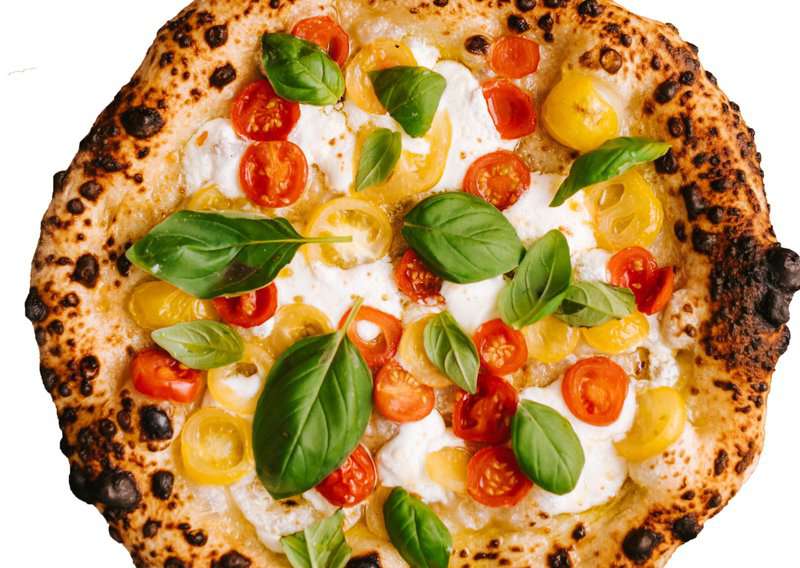
There are pizzas, and then there is Neapolitan pizza—a dish so iconic in Italy, it’s protected by law. While global versions pile on toppings and cheese, true Neapolitan pizza celebrates simplicity: pillowy dough, tangy San Marzano tomatoes, fresh mozzarella, and a hint of basil. Originating from Naples, this pizza is baked in scorching wood-fired ovens and served bubbling hot with a charred, chewy crust that’s unmistakable.
Many people think they’ve had “authentic Italian pizza,” but unless you’ve tasted a real Neapolitan pie, you’re only getting half the experience. This recipe guide takes you step-by-step through the traditional process—no shortcuts, no gimmicks—just flour, water, yeast, and a bit of love. The result is a pizza that’s light yet satisfying, humble yet complex.
Whether you’re cooking for a dinner party, a weekend indulgence, or simply recreating the tastes of a summer in Italy, Neapolitan pizza is more than food—it’s a tradition. And it’s easier to make at home than you might think, especially if you know the secrets Italian nonnas never write down.
Read here best Italian food, vegetarian food in Italy, best drinks in Italy and best breakfast in Italy
BOOK YOUR TRAVEL INSURANCE
Two of our favorite travel insurance: Heymondo Vs Safetwing cheapest travel Insurance. You can get for $135 USD your Heymondo Travel Insurance with Heymondo discount code valid for 90 days. Read our full comparison of Genki vs Safetywing Travel Insurance Review and the comparison Heymondo vs Genki
Best Time to Eat & How to Partner It
Neapolitan pizza shines brightest when served fresh out of the oven, ideally in the evening for dinner. Italians often enjoy it as a slow, social meal rather than a grab-and-go bite. Pair it with a glass of Chianti or a crisp Italian lager, and follow with a simple arugula salad tossed in olive oil and lemon juice to balance the richness.
Many American versions of pizza—extra cheese, stuffed crust, overloaded toppings—wouldn’t be recognized in Naples. In fact, adding too much cheese or meat is often considered disrespectful to the ingredients. Italian food philosophy centers on balance and restraint, which clashes with the more-is-more mindset that’s popular in the U.S.
Another debate arises around the cooking method. A true Neapolitan pizza must be cooked in a wood-fired oven at 800–900°F, something many home cooks and even restaurants in the U.S. skip. This rapid cook time—just 60 to 90 seconds—creates the signature charred crust and molten center. Baking it longer or at a lower temp results in a completely different experience.
Even slicing the pizza can spark controversy. In Naples, it’s common to serve it unsliced, meant to be eaten with a knife and fork. Some American tourists scoff at this tradition, but locals argue it’s the only way to preserve the integrity of the dough and toppings. In Italy, pizza isn’t fast food—it’s an art form.
How to Make Neapolitan Pizza
Neapolitan Pizza Recipe Ingredients
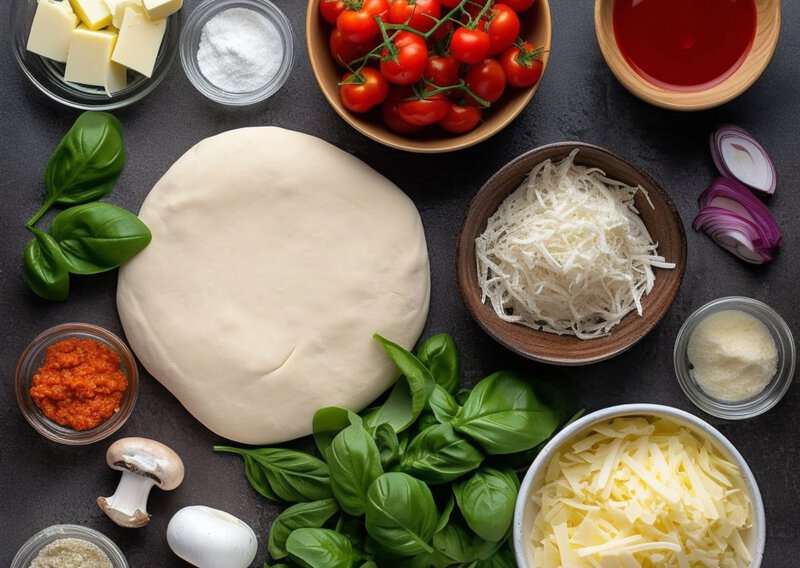
For the Dough:
4 cups (500g) of ’00’ flour (Italian milled flour that’s finely ground)
1 1/2 cups (350ml) of water (temperature around 20°C or 68°F)
2 teaspoons (10g) of salt
1/2 teaspoon (2g) of fresh yeast
For the Toppings:
San Marzano tomatoes, crushed (you can use canned ones)
Fresh mozzarella cheese, sliced or torn into small pieces
Fresh basil leaves
Extra virgin olive oil
Sea salt
Get the best deals for your home and kitchen needs
Step By Step How to Make
- Make the Dough
Dissolve the fresh yeast in the water. In a large mixing bowl, mix the flour and salt. Gradually add the water and yeast mixture to the flour while mixing. This can be done with your hands or with a stand mixer fitted with a dough hook.
Knead the dough on a lightly floured surface until it’s smooth and elastic, about 10 minutes. Place the dough in a bowl and cover it with a damp cloth. Let it rise for about 2 hours or until it doubles in size.
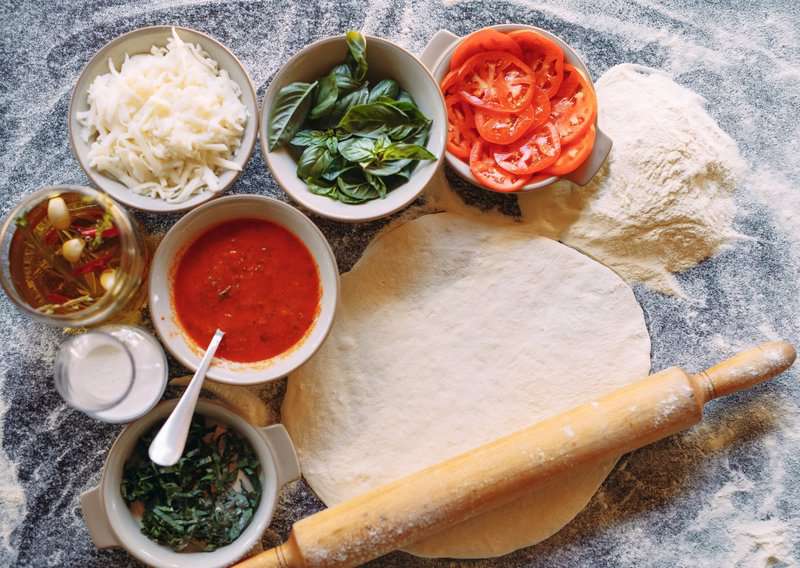
- Prepare the Dough for Baking
After the first rise, punch the dough down and divide it into 4 equal parts. Shape each piece into a ball and let them rise for another hour on a floured surface, covered.
- Prepare the Toppings
Hand crush the San Marzano tomatoes, or blend them slightly with a hand blender. Season with a little sea salt. Slice or tear the mozzarella into small pieces.
- Assemble the Pizza
Preheat your oven with the pizza stone or steel inside to 450-500°F (230-260°C), or as high as it will go, for at least an hour. Take one ball of dough and flatten it on a floured surface. Use your hands to stretch the dough into a round shape, about 10-12 inches in diameter.
Do not use a rolling pin as it will deflate the dough. Spoon a thin layer of tomato sauce over the base. Add a few pieces of mozzarella and a few basil leaves. Drizzle with a little olive oil.
- Bake the Pizza
Slide the pizza onto the preheated pizza stone using a pizza peel. Bake for about 5-7 minutes, or until the crust is puffed, golden, and the cheese is bubbly and slightly charred. Halfway through baking, rotate the pizza if one side is browning faster than the other.
- Serve
Remove the pizza from the oven, garnish with fresh basil if desired, and drizzle more of olive oil. Serve immediately.
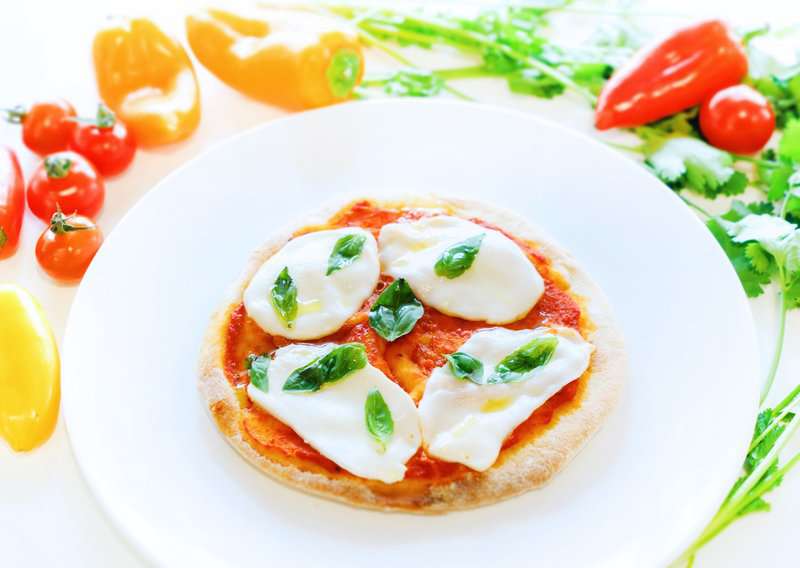
Tips To Make Neapolitan Pizza
Using the right temperature water is crucial. Too hot can kill the yeast, too cold can retard the yeast’s activity. The higher the better, as traditional Neapolitan pizzas are cooked at very high temperatures (up to 900°F) for just a few minutes.
How Many Calories Has A Neapolitan Pizza
Flour (about 250 grams for one pizza) provides roughly 920 calories.
Toppings:
San Marzano Tomato Sauce: About 1/3 cup used per pizza adds around 20 to 30 calories. Fresh Mozzarella is 240 to 320 calories and Olive Oil is 120 calories.
Origin and History
Pizza Napoletana, or Neapolitan pizza, is not just a dish—it’s a centuries-old culinary tradition rooted in Naples. Its story begins in the 18th century, when flatbreads topped with local ingredients became popular among the city’s working class. Affordable and flavorful, it quickly evolved into a beloved street food that defined Neapolitan identity.
The turning point came in 1889, when the famous Pizza Margherita was created in honor of Margherita of Savoy, the Queen of Italy. Its simple toppings—tomatoes, mozzarella, and basil—represented the Italian flag and helped elevate pizza from humble street fare to a national icon. Authentic Neapolitan pizza has since been defined by its simplicity, thin crust, and quick bake in a wood-fired oven.
Over time, this culinary tradition spread around the world. But as it traveled, it changed. What started as a soft, foldable, minimalistic pizza was transformed into countless variations—especially in United States, where thick crusts, heavy toppings, and extra cheese became the norm. The original method, however, remains protected by strict standards set by the Associazione Verace Pizza Napoletana.
For many Italians, seeing their beloved pizza transformed abroad can feel like cultural misrepresentation. What Americans often refer to as “Neapolitan-style pizza” is, in most cases, an adaptation rather than the real thing. Thick crusts, excessive toppings, and even using pre-shredded cheese are seen in Naples as a departure from everything that makes the dish special.
There’s also tension around authenticity versus innovation. While some chefs abroad try to stay true to the original, others proudly create their own versions, arguing that culinary evolution is natural. Purists in Italy, however, believe that calling something “Neapolitan” means following very specific rules—down to the hydration level of the dough and the exact baking temperature.
This debate isn’t just about pizza; it reflects a larger cultural conversation about food identity and globalization. When dishes travel, they adapt—but at what point do they stop being what they originally were? For Neapolitans, that line is clear, and many Americans unknowingly cross it.
How Long You Take to Prepare
Authentic Neapolitan pizza is deceptively simple but requires patience. The dough itself is made with just flour, water, yeast, and salt, but the magic happens during the fermentation process. Unlike quick-rise pizza dough, Neapolitan dough typically rests for 8 to 24 hours, developing flavor and elasticity without added fats or sugars.
Shaping the pizza is also crucial. It’s stretched by hand, never rolled with a pin, to maintain air in the crust and create that signature soft, pillowy edge. Once topped with crushed tomatoes, fresh mozzarella, and basil, it bakes in a wood-fired oven at around 485°C (905°F) for just 60 to 90 seconds, resulting in a charred yet tender crust.
The total preparation time, from start to finish, can take an entire day, but the actual cooking is over in less than two minutes. This balance of slow fermentation and fast baking is what gives Neapolitan pizza its distinct character.
Serving Suggestions
In Naples, pizza isn’t meant to be overloaded. A true Neapolitan pie typically has no more than a few toppings—tomato, mozzarella, and basil being the classic trio. The pizza is soft and elastic, often eaten with a knife and fork in restaurants, or folded in half (a “portafoglio”) when served on the street.
Pairing matters too. Italians often enjoy their pizza with a light beer or sparkling water, letting the clean flavors of the dough and tomatoes shine through. Heavy sodas or sugary drinks, common in the U.S., are rarely part of the experience.
For an authentic touch at home, serve your pizza fresh out of the oven, while the crust is still soft and the cheese is melting. Sharing several small pizzas rather than one heavily topped pie is another way to mirror the Neapolitan dining style.
Final Thoughts
Neapolitan pizza isn’t about excess—it’s about balance, tradition, and technique. Its magic lies in the simplicity of its ingredients and the care taken at every step of the process. What makes it special is not what’s piled on top, but how it’s made from the ground up.
While American pizza culture has its own strengths, honoring the original method offers a different, more refined kind of experience. Learning how to make Neapolitan pizza the way Naples intended is less about following strict rules and more about appreciating the craft behind a dish that has shaped culinary history.
Whether you enjoy it in a bustling pizzeria in Naples or recreate it at home, making it the traditional way brings you closer to the culture that created it. It’s a reminder that sometimes, less truly is more.

About the Author: Ruben, co-founder of Gamintraveler.com since 2014, is a seasoned traveler from Spain who has explored over 100 countries since 2009. Known for his extensive travel adventures across South America, Europe, the US, Australia, New Zealand, Asia, and Africa, Ruben combines his passion for adventurous yet sustainable living with his love for cycling, highlighted by his remarkable 5-month bicycle journey from Spain to Norway. He currently resides in Spain, where he continues sharing his travel experiences with his partner, Rachel, and their son, Han.