
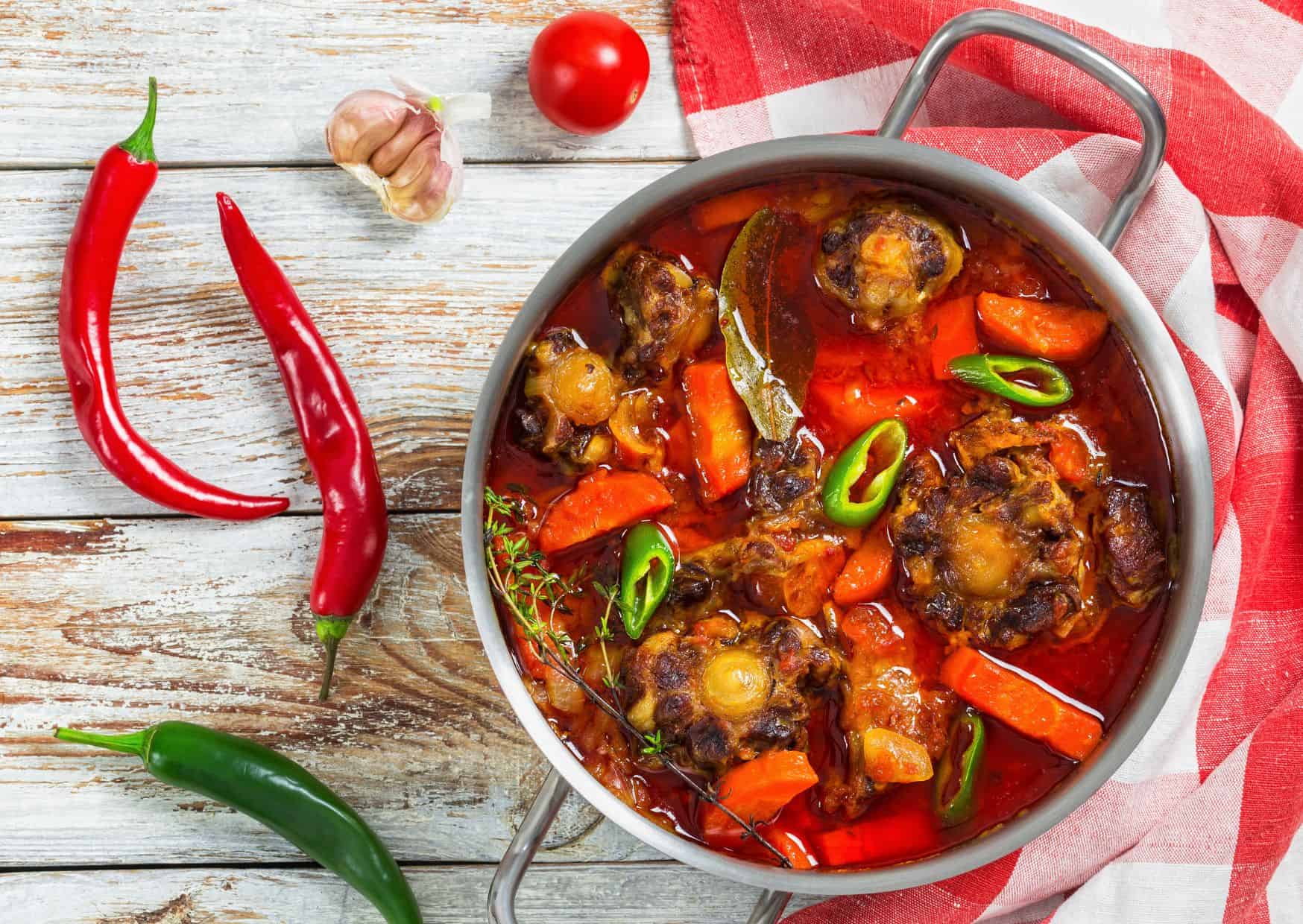
Rabo de Toro, or Spanish oxtail stew, is one of those dishes that perfectly embodies Spain’s no-waste culinary legacy and deep love for slow-cooked, flavor-packed meals. Often associated with bullfighting cities like Córdoba and Seville, this rich, velvety stew transforms a tough cut of meat into one of the most succulent dishes in traditional Spanish cuisine. Think fall-off-the-bone tenderness in a broth that’s been simmered for hours with red wine, aromatics, and Mediterranean herbs.
Unlike tapas or quick paella, Rabo de Toro isn’t designed to be rushed. It’s a dish of patience and respect, often reserved for Sunday meals, special family gatherings, or romantic dinners where the food itself becomes the event. Every spoonful carries centuries of rustic Spanish cooking and local pride and once you’ve tasted it, it’s hard to go back.
This recipe guide will show you how to make authentic Rabo de Toro at home, with no shortcuts but plenty of simple guidance. It’s easier than you think and the result is nothing short of spectacular.
The best Spanish food to try, Breakfast in Spain, and vegetarian food in Spain
BOOK YOUR TRAVEL INSURANCE
Two of our favorite travel insurance: Heymondo Vs Safetwing cheapest travel Insurance. You can get for $135 USD your Heymondo Travel Insurance with Heymondo discount code valid for 90 days. Read our full comparison of Genki vs Safetywing Travel Insurance Review and the comparison Heymondo vs Genki
Best Time to Eat and How to Partner
Traditionally, Rabo de Toro is a cold-weather, slow Sunday lunch dish, often served around 2–3 PM in line with Spanish meal customs. Because it’s so rich and hearty, it’s best enjoyed as the main event, not just one course among many.
To pair it right, serve with creamy mashed potatoes, roasted root vegetables, or a rustic Spanish-style bread to mop up the sauce. A glass of full-bodied red wine preferably Rioja or Tempranillo is non-negotiable. You can also serve it with a side of Spanish pimientos de padrón or grilled asparagus for balance.
Leftovers (if you somehow have any) taste even better the next day and can be used in empanadas, pasta, or even as a gourmet sandwich filling.
While Rabo de Toro is a revered classic in Spain, its origins stir both culinary admiration and cultural tension. Its name “tail of the bull” reflects its historical ties to bullfighting culture. Traditionally, the tail of the slain bull was cooked and eaten as a delicacy after the fight. For some, this association is a proud celebration of Spanish heritage. For others, especially in modern Spain, it’s controversial due to growing opposition to bullfighting.
Another layer of debate comes from the global rise of “nose-to-tail” cooking. In Spain, using oxtail is nothing new it’s part of a long tradition of eating every part of the animal. But in countries unfamiliar with cooking off-cuts, the idea of eating tail can be met with discomfort, or worse, misunderstood as low-quality. In truth, oxtail is a premium cut when cooked right, and chefs worldwide now treasure it for its flavor and richness.
Lastly, modern adaptations often swap out wine for broth or slow-cooking for pressure cookers. While these hacks speed things up, traditionalists argue they rob the dish of its soul. Rabo de Toro isn’t just food it’s time, memory, and identity in a bowl.
How to Make Rabo de Toro Oxtail Stew
Rabo de Toro Oxtail Stew Recipe Ingredients
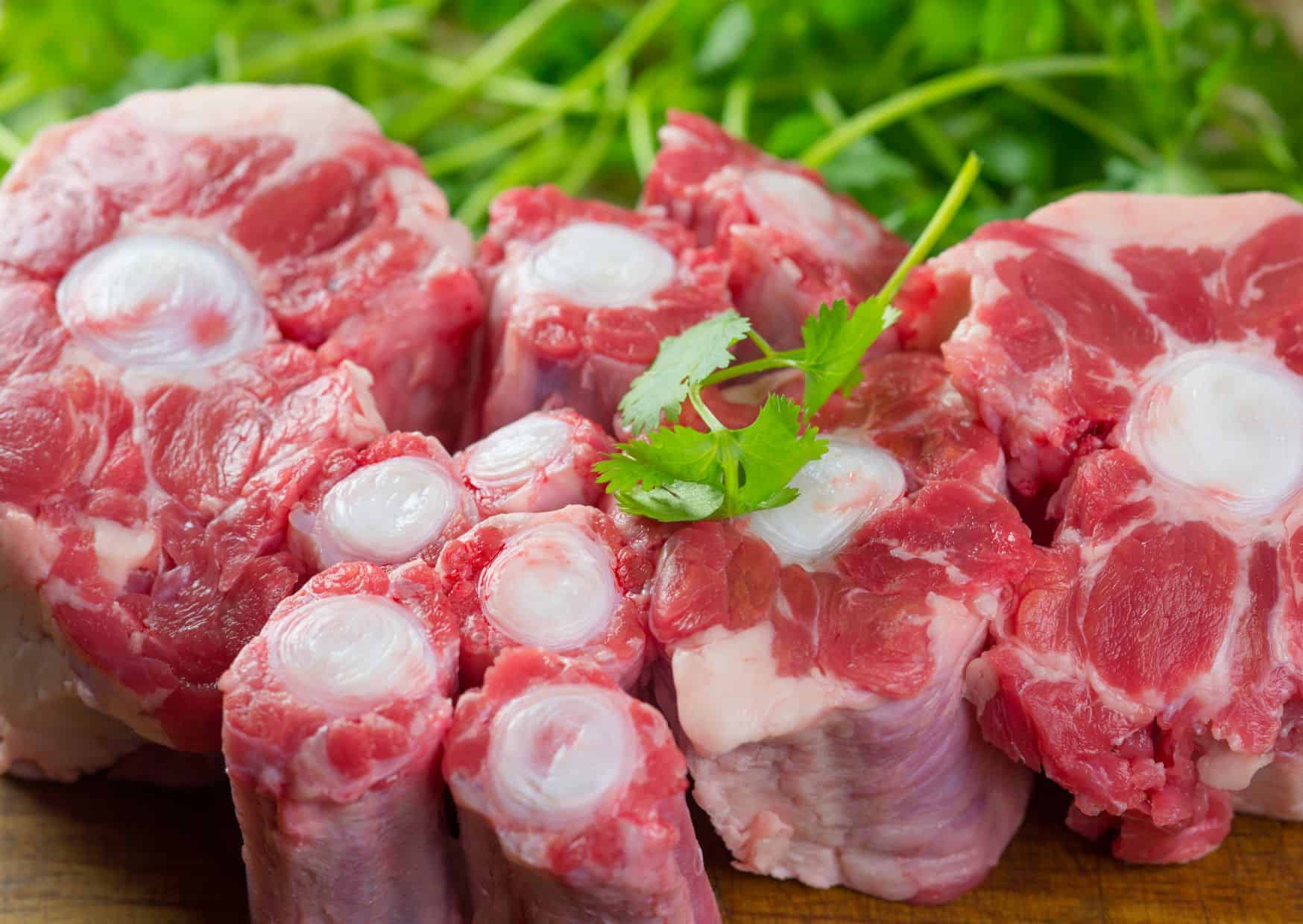
1.5 kg oxtail, cut into segments
3 tablespoons olive oil
1 large onion, chopped
2 carrots, chopped
2 celery stalks, chopped
4 cloves garlic, minced
1 bottle (750 ml) red wine, preferably a Spanish variety
2 cups beef broth
1 can (400g) diced tomatoes
2 bay leaves
1 teaspoon thyme
1 teaspoon sweet paprika
Salt and black pepper, to taste
2 tablespoons all-purpose flour (for dusting)
Fresh parsley, chopped (for garnish)
Get the best deals for your home and kitchen needs
Step By Step How to Make Rabo de Toro Oxtail Stew
Prepare the Oxtail
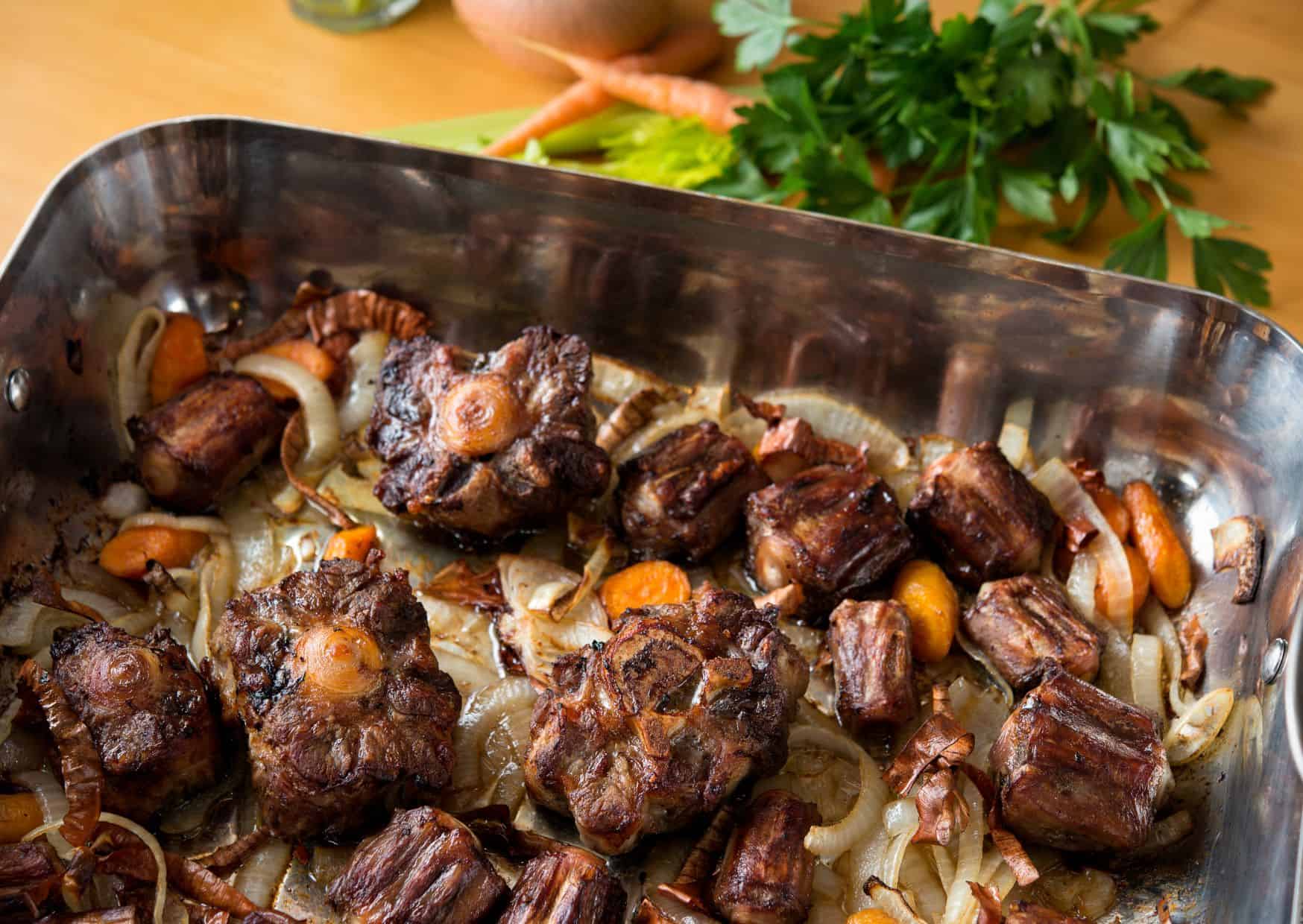
Pat the oxtail dry with paper towels. Season generously with salt and pepper, then dust each piece lightly with flour. Heat the olive oil in a large Dutch oven or heavy-bottomed pot over medium-high heat. Add the oxtail pieces in batches and brown all over, about 2-3 minutes per side. Remove the browned pieces and set aside.
Sauté Vegetables
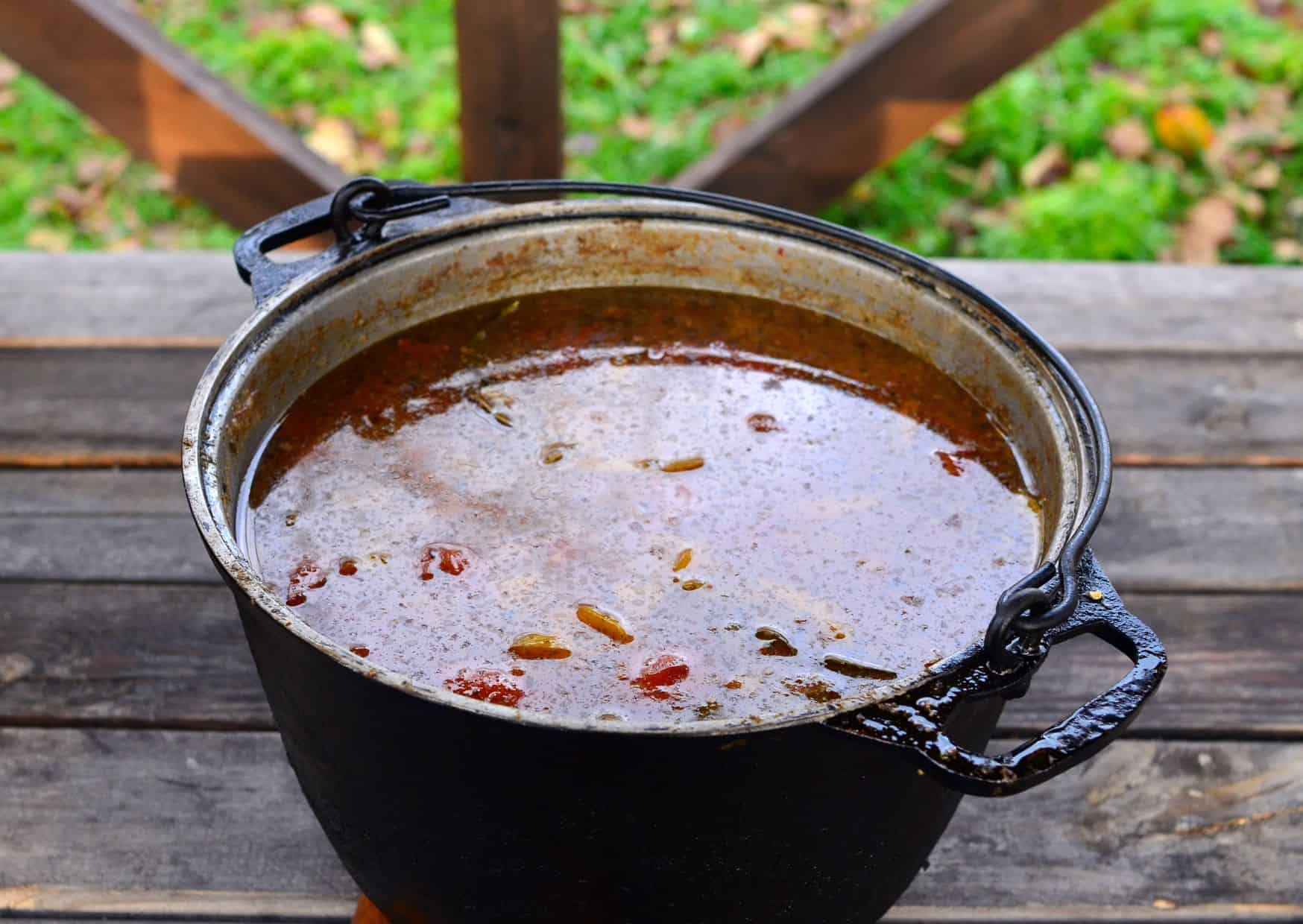
In the same pot, reduce the heat to medium. Add the onions, carrots, and celery. Cook, stirring often, until the vegetables begin to soften, about 5-7 minutes. Add the garlic and cook for another minute until fragrant.
Deglaze the Pot
Pour in the red wine to deglaze the pot, scraping up any browned bits from the bottom with a wooden spoon.
Cook the Stew
Return the oxtail to the pot. Add the diced tomatoes, beef broth, bay leaves, thyme, and paprika. Stir to combine.
Bring to a boil, then reduce the heat to low, cover, and simmer for about 2-3 hours, or until the meat is very tender and falling off the bone.
Finish the Dish
Once the meat is tender, season with additional salt and pepper to taste. If the stew is too liquid, you can simmer it uncovered for the last 30 minutes to reduce to the desired consistency.
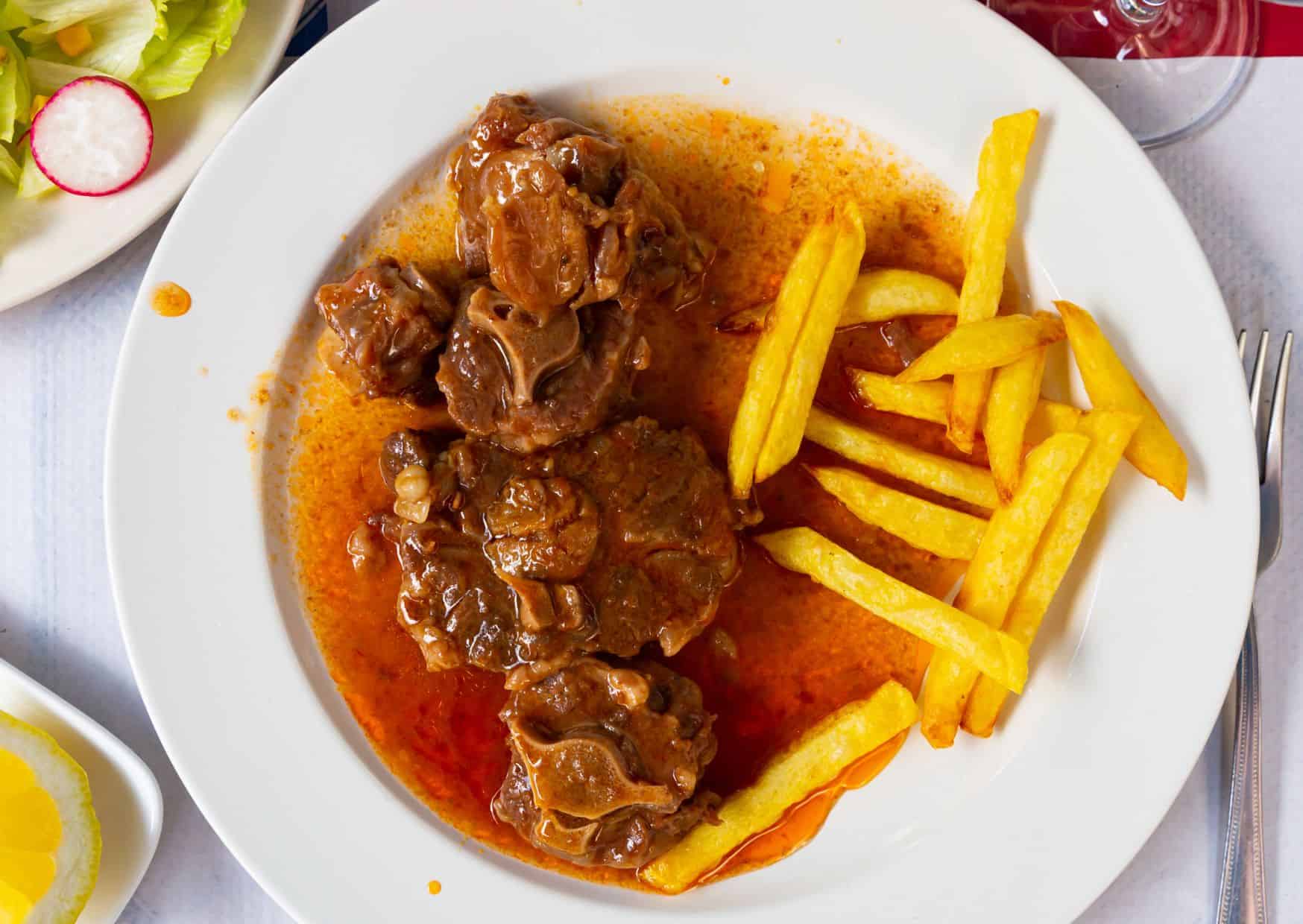
Serve
Garnish with fresh chopped parsley before serving. Serve hot with a side of mashed potatoes, rice, or rustic bread to soak up the delicious sauce.
Tips For Making Rabo de Toro Oxtail Stew
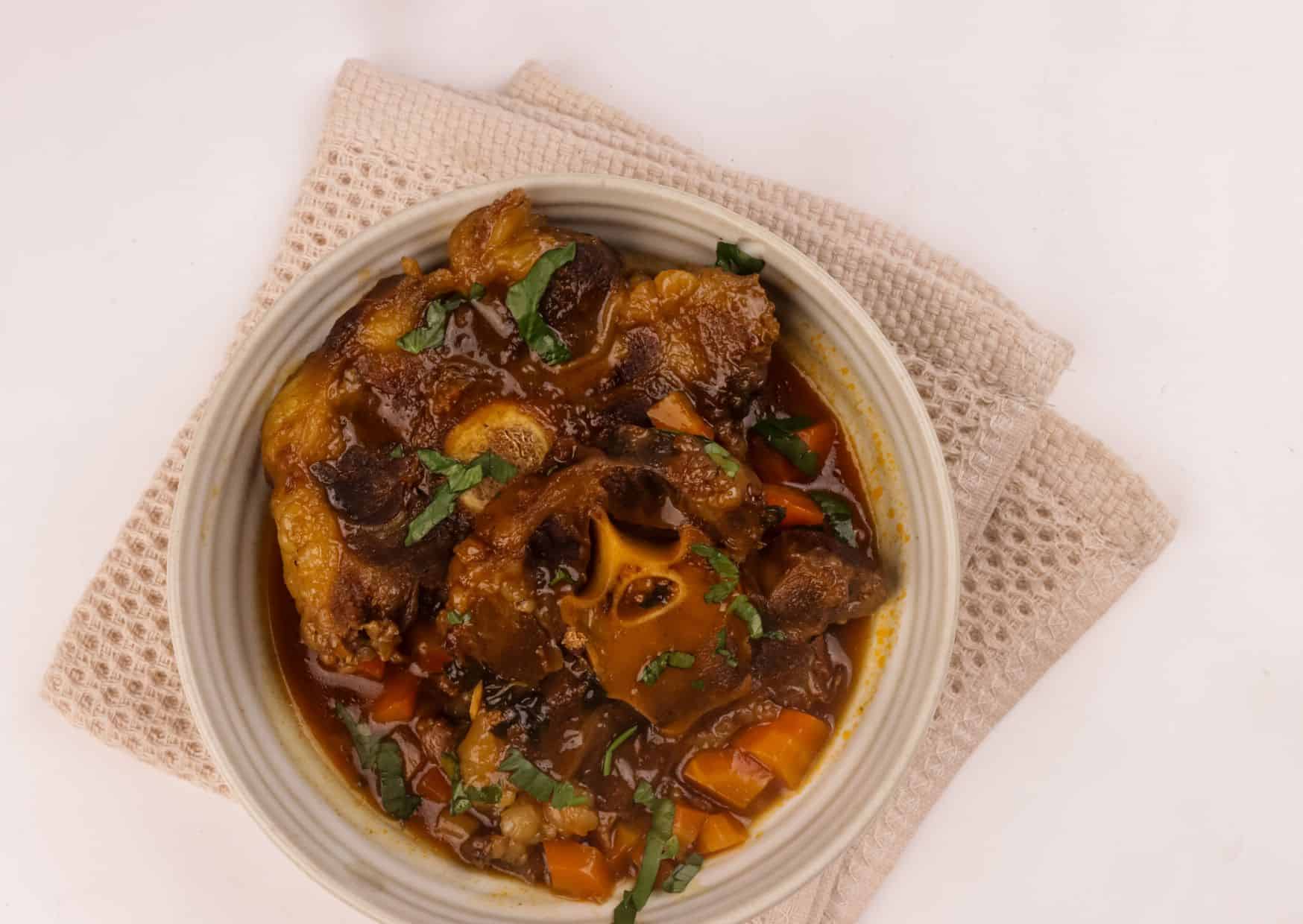
Using a good quality Spanish red wine not only enhances the flavor but also adds authenticity to the dish. The key to tender oxtail is slow cooking; don’t rush the simmering process.
Adjust the thickness of the stew according to your preference. Some like it very thick, almost like a gravy, while others prefer a more soup-like consistency.
How Many Calories Have Rabo de Toro Oxtail Stew
Depending on the serving size and exact ingredients used, a serving of Rabo de Toro can range from 500 to 800 calories. The high caloric value comes mainly from the oxtail, which is quite fatty, and the olive oil used in browning.
Origin and History
Rabo de Toro, or oxtail stew, began as a humble dish tied directly to Spain’s bullfighting tradition. In the early days, bullfighters, their families, and local butchers would prepare the tails of bulls that had been used in the ring. The meat was tough and required long, slow cooking, but the result was a deeply flavorful dish woven into the culture of Andalusia. Over time, it became especially associated with Córdoba, where it remains a culinary emblem.
The preparation of Rabo de Toro evolved throughout the centuries. What began as a simple peasant stew eventually incorporated wine, aromatics, and regional spices. As Spain’s food culture widened, so did the reputation of this distinctive dish. Chefs refined the method, layering flavors carefully and embracing the tenderness created by hours of simmering. What once was food of necessity transformed into a celebrated regional specialty.
By the twentieth century, Rabo de Toro had moved from home kitchens into prestigious restaurants across Spain. It became known not only as a symbol of Spanish resilience but also as an example of the country’s ability to elevate rustic ingredients into remarkable cuisine. Today, the dish is served far beyond the bullfighting arena, appreciated for its history, its richness, and its unmistakable depth of flavor.
The first controversy surrounding Rabo de Toro is its connection to bullfighting. Many people outside Spain consider the practice outdated or unethical, which leads to confusion about how the dish is sourced today. In reality, most modern versions use oxtail from cattle rather than bullfighting stock. Still, the association continues to spark debate about cultural preservation versus modern sensibilities.
Another contentious topic is authenticity. Some argue that only Andalusian preparations represent the true version of the dish, insisting that regional wines, spices, and cooking techniques cannot be substituted. Others believe Rabo de Toro should adapt to local ingredients as it spreads globally. This disagreement highlights a broader discussion about tradition versus evolution in Spanish cuisine.
The final controversy involves the complexity of the dish. Food enthusiasts often debate whether home cooks can achieve restaurant-quality results without specialized equipment or rare ingredients. Traditionalists insist the stew must simmer for hours and never be rushed. Meanwhile, modern cooks argue that pressure cookers and modifications can produce results close enough to the original. This divide fuels ongoing conversations about what truly defines authenticity.
How Long You Take to Prepare
Preparing Rabo de Toro requires commitment, but most of the time involves slow cooking rather than active work. Searing the meat and preparing the base takes roughly 20 to 30 minutes. Once the aromatics, wine, and broth are layered into the pot, the stew moves into a long, gentle simmer that transforms tough sections of meat into tender, falling-apart perfection.
The traditional method takes around three to four hours of slow cooking. This extended time allows the collagen in the oxtail to melt, creating the thick and velvety sauce that defines the dish. Rushing this step affects both texture and flavor, so patience is not only recommended but essential. The good news is that the dish is largely hands-off during this stage.
If time is limited, pressure cookers can shorten the cooking process to about an hour, though the flavor may not be as deep. Many Spanish cooks believe Rabo de Toro tastes even better the next day, so it’s common to prepare it in advance. Whether cooked slowly or with modern equipment, the key is allowing enough time for the flavors to fully develop.
Serving Suggestions
Rabo de Toro, or Spanish oxtail stew, is a dish that deserves careful presentation and a bit of ceremony. Traditionally, it’s served piping hot in a deep, wide bowl, with the bone-in meat simmered until it practically melts off with the touch of a fork. To absorb the rich, wine-infused sauce, serve it alongside a generous portion of creamy mashed potatoes, rustic crusty bread, or even saffron rice. Each bite should be savored slowly this isn’t a fast meal; it’s a full culinary experience.
If you’re aiming for a more authentic Spanish presentation, consider plating the stew in a traditional clay cazuela, which helps retain heat and enhances the rustic charm of the dish. Pair it with roasted seasonal vegetables like red peppers, onions, and eggplant to complement the stew’s deep umami flavors. For a bold twist, a side of crispy fried potatoes (patatas fritas) adds texture and balance to the dish’s softness.
Rabo de Toro pairs beautifully with full-bodied red wines ideally a Rioja or Ribera del Duero to mirror the intensity of the stew. If serving this at a dinner party, start with a light tapas spread and end with a refreshing Spanish dessert like flan or crema catalana to offset the richness. The contrast will leave your guests both satisfied and surprised by the depth of Spanish home cooking.
Final Thoughts
Rabo de Toro isn’t the kind of dish that eases you into Spanish cuisine it plunges you right into its boldest, most unapologetic depths. But that’s exactly why it’s unforgettable. With its centuries-old bullfighting origins and no-compromise flavor profile, this stew represents the heart of Andalusian cooking: intense, resilient, and full of soul. It’s not just food it’s a piece of Spanish history, served in a bowl.
For travelers and home cooks alike, Rabo de Toro is a test of culinary curiosity. Some shy away from it due to the cut of meat, but those who lean in are always rewarded. The complex braising process draws out flavors you can’t replicate in a 30-minute recipe. It demands patience, and in return, offers a depth that few stews can match. It’s a reminder that the best meals are often the ones that challenge our comfort zones.
If you ever find yourself in southern Spain or in front of your stove with a Dutch oven and time to spare don’t hesitate. Try the Rabo de Toro. You may find that the very thing you were hesitant about becomes the dish you remember most. It’s a bold step into Spanish culinary culture, and one you’ll be glad you took.

About the Author: Ruben, co-founder of Gamintraveler.com since 2014, is a seasoned traveler from Spain who has explored over 100 countries since 2009. Known for his extensive travel adventures across South America, Europe, the US, Australia, New Zealand, Asia, and Africa, Ruben combines his passion for adventurous yet sustainable living with his love for cycling, highlighted by his remarkable 5-month bicycle journey from Spain to Norway. He currently resides in Spain, where he continues sharing his travel experiences with his partner, Rachel, and their son, Han.
Paul
Wednesday 4th of September 2024
Your recipe looks interesting. I'd like to try it. But I don't see a print button anywhere, and I'm not printing 11 pages for a recipe.