
Last updated on January 5th, 2025 at 08:04 am
Our guide on the most epic hikes in Europe that you can’t miss on your next trip.
Europe is a hiker’s paradise, featuring a diverse range of trails that pass through some of the continent’s most stunning landscapes. From the jagged peaks of the Alps to the pastoral vistas of the British Isles.
These hikes not only challenge and inspire but also connect adventurers with the rich natural beauty and cultural histories of Europe. Whether you’re looking for a multi-day trek or a transformative pilgrimage, Europe’s trails offer something for every kind of hiker. Here are some epic hikes in Europe that you simply can’t miss.
Read here how to pack for Europe and Best eSIM for Europe
BOOK YOUR TRAVEL INSURANCE
Two of our favorite travel insurance: Heymondo Vs Safetwing cheapest travel Insurance. You can get for $135 USD your Heymondo Travel Insurance with Heymondo discount code valid for 90 days. Read our full comparison of Genki vs Safetywing Travel Insurance Review and the comparison Heymondo vs Genki
Most Epic Hikes In Europe
1. Tour du Mont Blanc – France, Italy, Switzerland
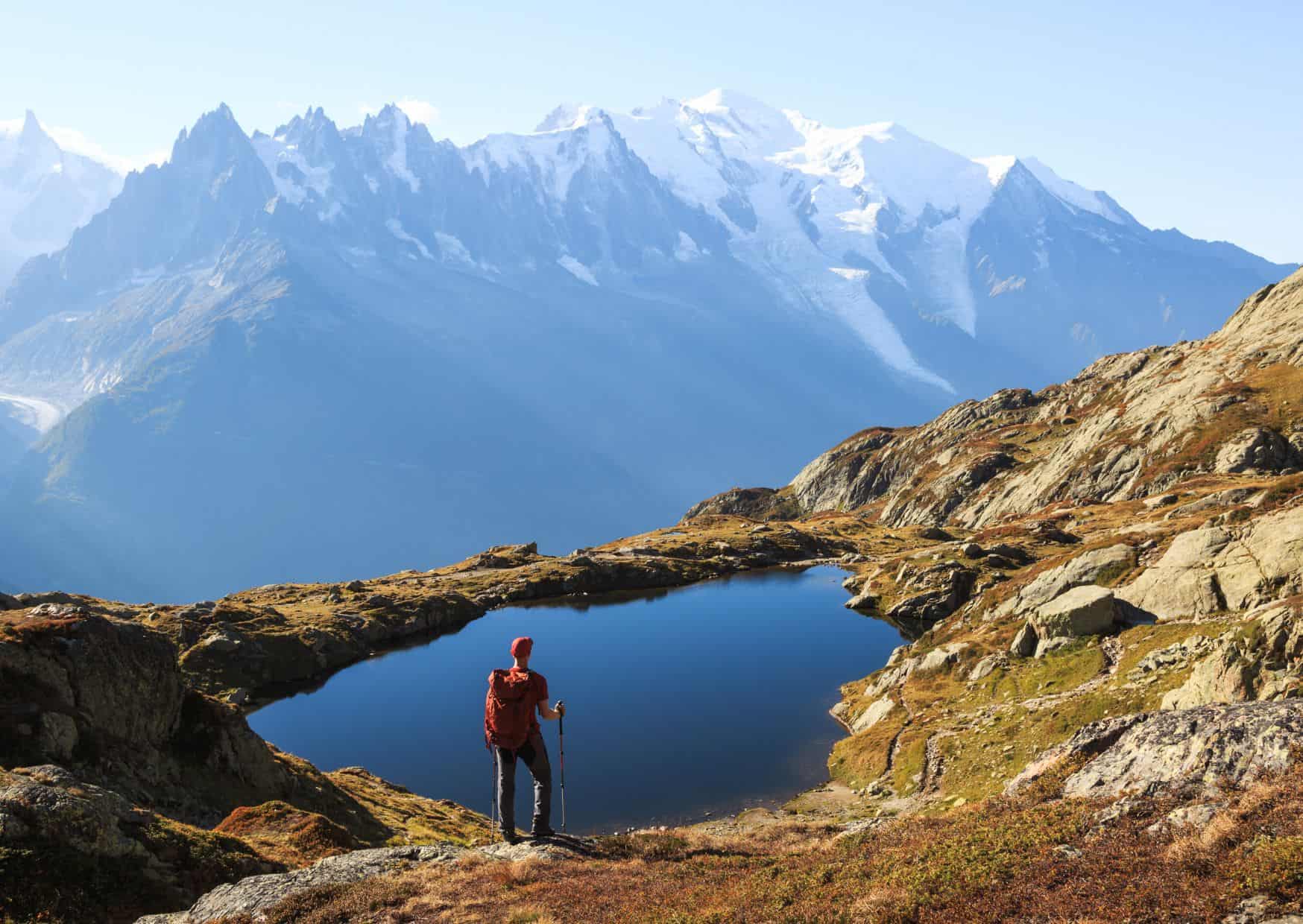
One of the most famous long-distance hikes in Europe, the Tour du Mont Blanc circles the Mont Blanc massif, covering 170 kilometers and passing through three countries: France, Italy, and Switzerland. It typically takes 10-12 days to complete and offers spectacular views of the Alps.
Travel Tips:
Best Time to Go: Late June to September when the weather is most stable.
Preparation: Booking refuges or small hotels in advance is crucial, especially during the peak summer months.
CLICK HERE TO BOOK YOUR ACCOMMODATION IN EUROPE
2. Laugavegur Trail – Iceland
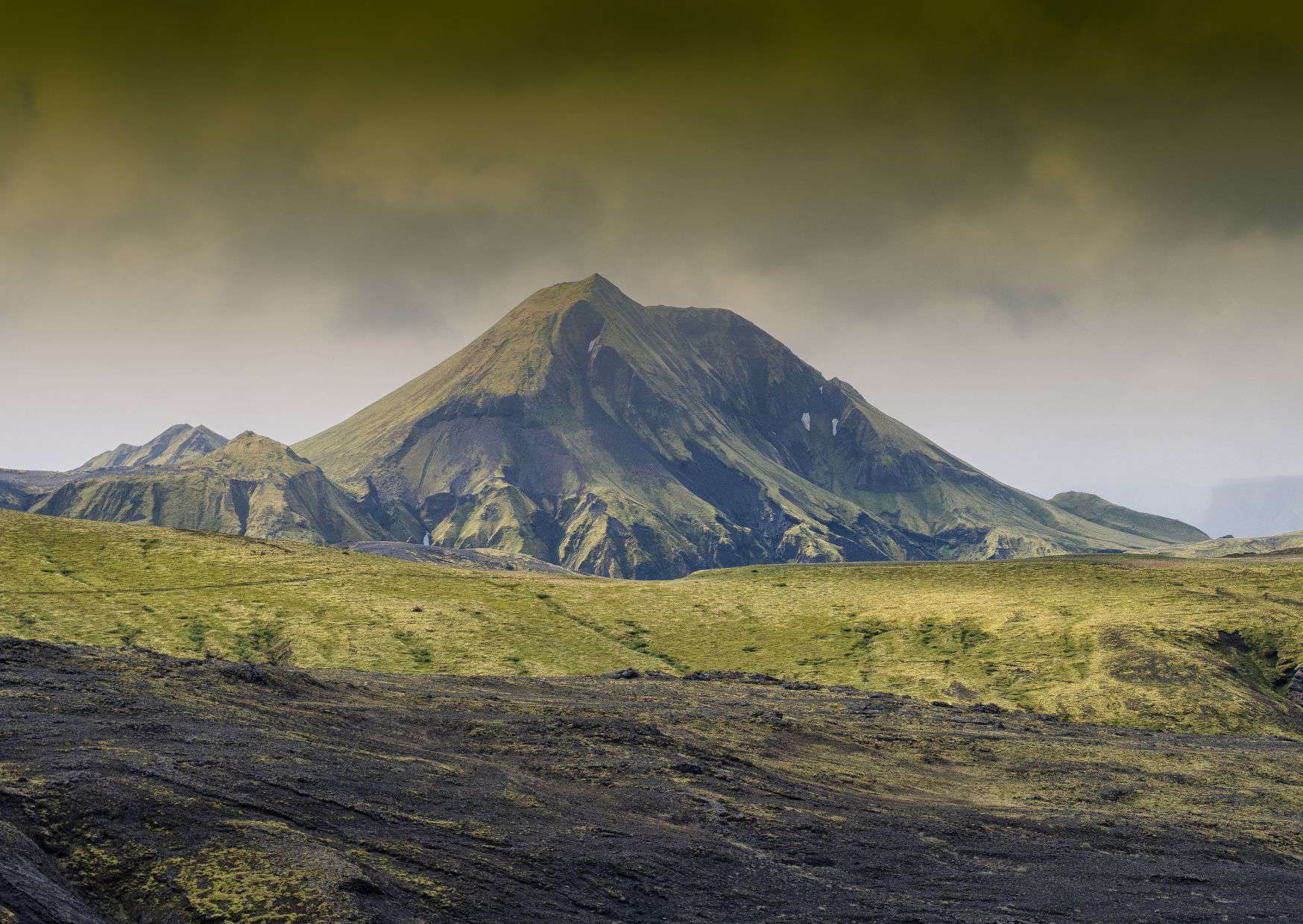
The Laugavegur Trail is Iceland’s most popular hiking trail and spans approximately 55 kilometers from Landmannalaugar to Þórsmörk. It features a breathtaking landscape of volcanic terrain, multi-colored mountains, geothermal hot springs, and expansive lava fields.
Travel Tips:
Best Time to Go: July to September.
Note: Be prepared for rapidly changing weather conditions and consider hiring a guide if you are unfamiliar with hiking in subarctic environments.
3. Camino de Santiago – Spain
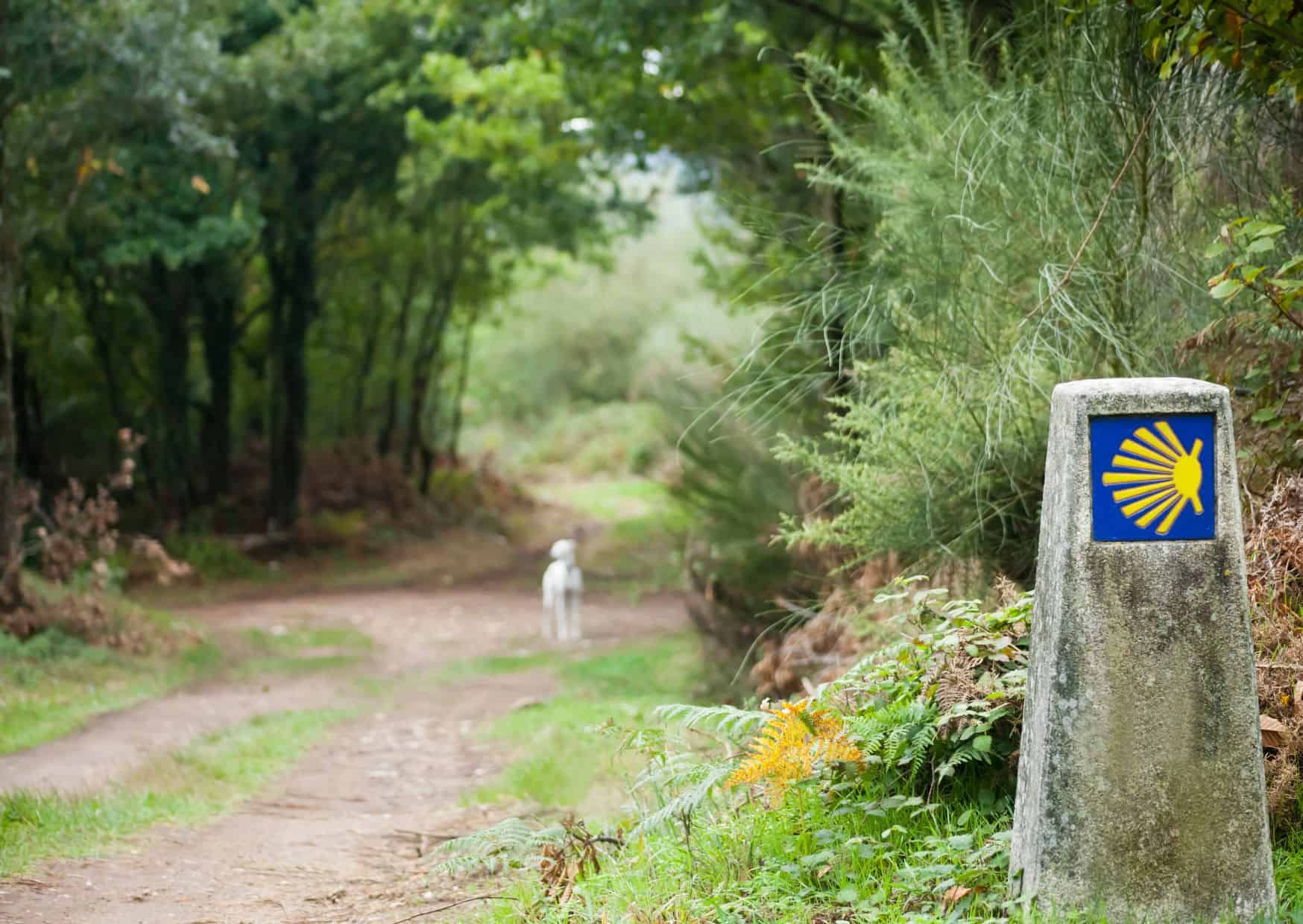
The Camino de Santiago, also known as the Way of St. James, is a network of pilgrimages leading to the shrine of the apostle Saint James the Great in the cathedral of Santiago de Compostela in Galicia. The most popular route is the Camino Francés, which stretches about 780 kilometers from Saint-Jean-Pied-de-Port in France to Santiago de Compostela in Spain.
Travel Tips:
Duration: Most people take about 30-35 days to complete the Camino Francés.
Cultural Experience: Engage with the local culture and enjoy the unique hospitality of the hostels (albergues) along the route.
4. Lycian Way – Turkey
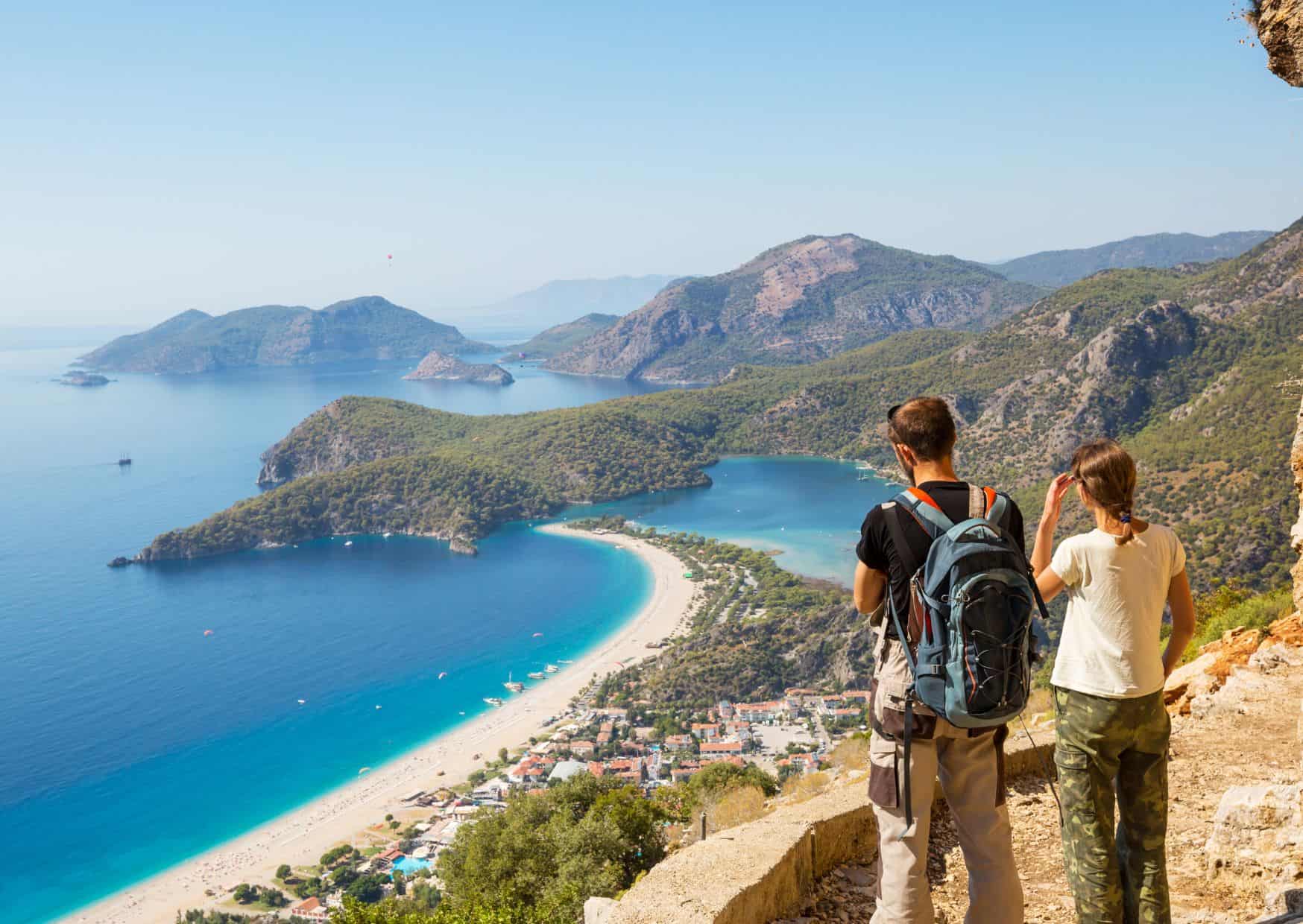
Turkey’s Lycian Way is a 540-kilometer, marked trail along the coast of Lycia in southern Turkey, from Fethiye to Antalya. The trail offers an astonishing array of terrains, ancient ruins, small villages, and stunning Mediterranean views.
Travel Tips:
Best Time to Go: Spring (March-May) and autumn (September-November) are ideal to avoid the intense heat of summer.
Navigation: While the trail is marked, carrying a GPS and a detailed map is recommended as some sections can be poorly defined.
5. West Highland Way – Scotland
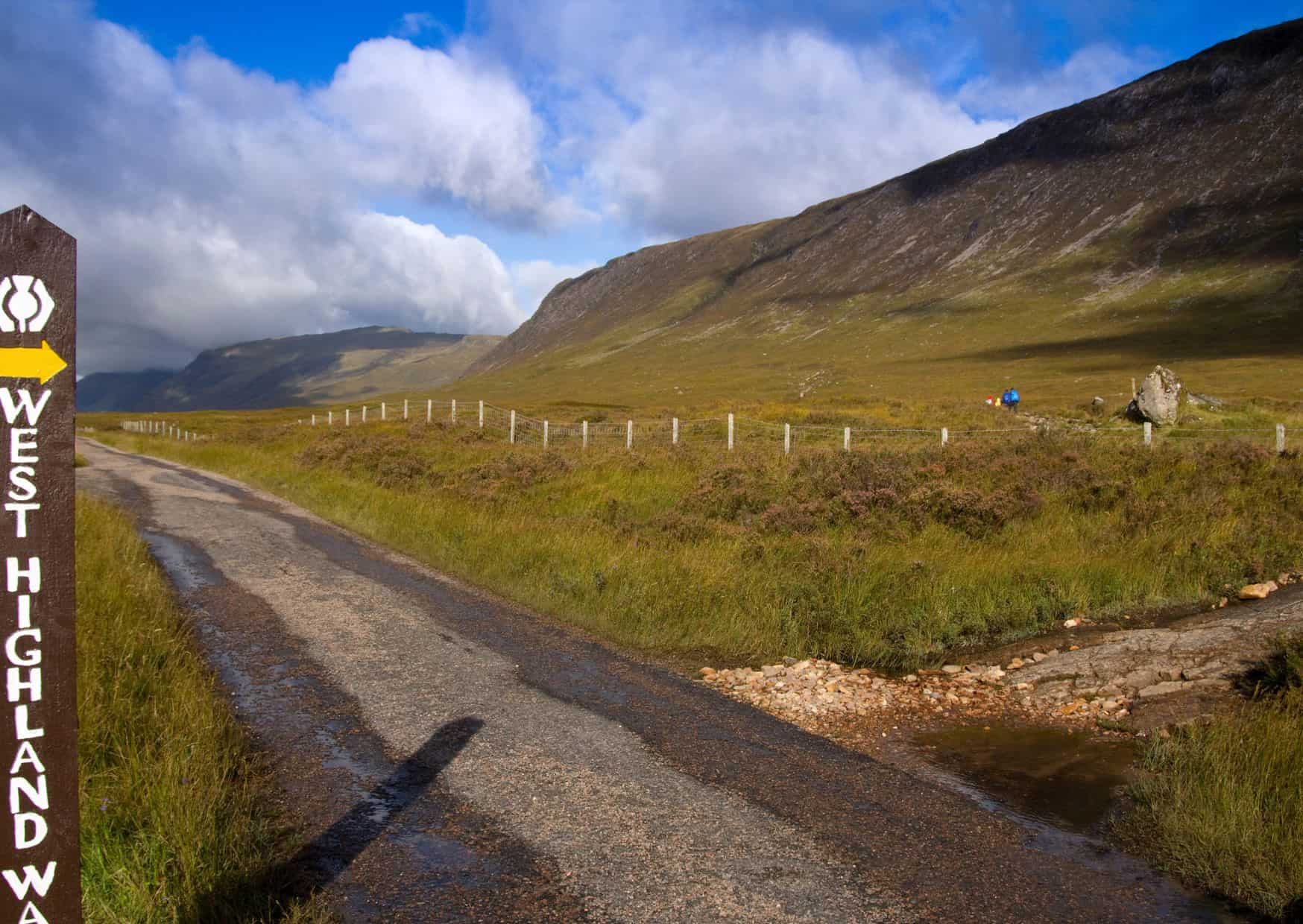
Scotland’s West Highland Way is a 154-kilometer hike that runs from Milngavie, north of Glasgow, to Fort William in the Scottish Highlands. It offers dramatic scenery that includes the shores of Loch Lomond, the moorlands of Rannoch Moor, and the peaks of Glencoe.
Travel Tips:
Best Time to Go: Late spring to early autumn.
Preparation: Weather in Scotland can be unpredictable, so waterproof clothing and gear are essential.
6. Dolomites High Route 1 – Italy
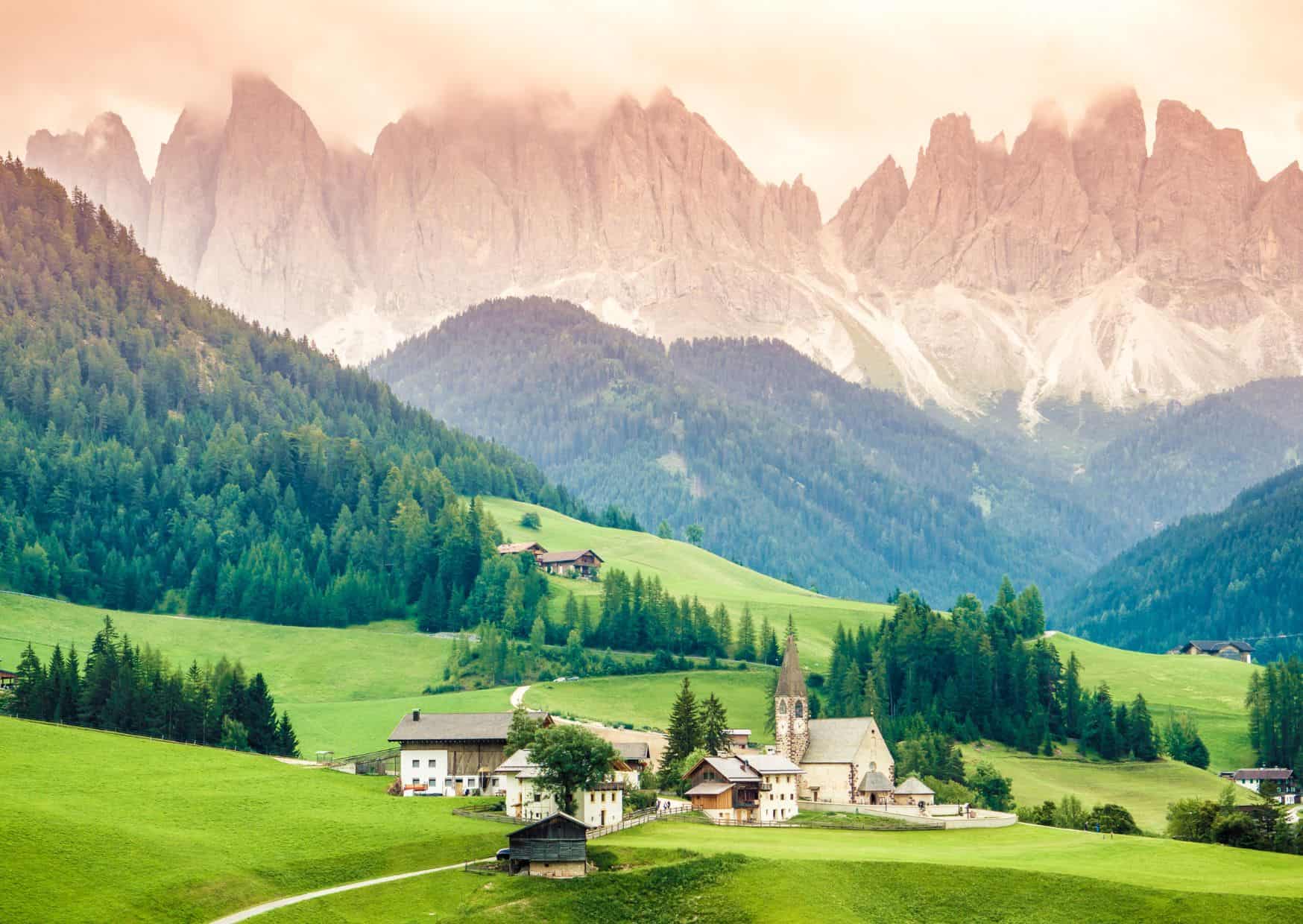
This high route, or “Alta Via 1,” is one of the most famous hiking trails in the Italian Dolomites, stretching about 120 kilometers. It runs from Lago di Braies in South Tyrol to Belluno. The trail offers stunning views of the limestone peaks and pastoral scenes of the Dolomites.
Travel Tips:
Duration: Typically takes around 8-10 days.
Accommodation: Plan to stay in mountain huts along the way, and book these well in advance.
Tips For Hiking in Europe
Hiking in Europe offers a plethora of beautiful trails that cater to every level of experience, from the majestic Alps to the gentle rolling hills of the English countryside.
By following these tips, you’ll be better prepared to safely and respectfully enjoy the stunning landscapes and rich cultural experiences that hiking in Europe has to offer.
Here are some essential tips to enhance your hiking experience across this diverse continent.
- Choose the Right Trail
Skill Level: Match the trail difficulty with your fitness and experience level. Europe has everything from challenging multi-day treks to leisurely day hikes.
Research: Utilize resources like guidebooks, hiking websites, and local tourist information centers to gather as much information as possible about the trail, including length, elevation gain, and terrain.
- Pack Appropriately
Clothing: Always wear appropriate footwear and moisture-wicking clothing. Layering is key as weather can change unexpectedly, especially in mountainous areas.
Gear: A reliable backpack, a water bottle or hydration system, a map and compass (or a GPS device), and a first-aid kit are essential. Consider trekking poles for added stability and support.
- Check the Weather
Weather Forecasts: Always check the weather forecast before heading out and be prepared for changing conditions. This is crucial in mountainous regions where weather can shift rapidly.
Seasonal Considerations: Be aware of the season and typical weather patterns, such as the possibility of afternoon thunderstorms in the Alps during the summer.
- Stay Safe
Emergency Plan: Know the emergency procedures and contact numbers for the area you are hiking in. Keep a charged cell phone and a portable power bank.
Let Someone Know: Always inform someone of your hiking plans and expected return time.
- Respect the Environment
Leave No Trace: Minimize your impact by staying on marked trails, packing out all your trash, and being considerate of wildlife and plants.
Protected Areas: Adhere to regulations in protected areas which might include restrictions on camping, fires, or off-trail hiking.
- Local Rules and Regulations
Cultural Sensitivity: Be respectful of local customs and traditions, especially when hiking in rural or culturally significant areas.
Legal Requirements: In some countries, you may need permits or to pay fees to access certain trails or park areas.
- Hydration and Nutrition
Water: Always carry enough water and know where you can refill along the route. Dehydration is a common issue.
Food: Bring high-energy, nutritious snacks or meals, especially for longer hikes.
- Plan Your Route and Timing
Start Early: Begin your hike early in the day to avoid being caught out after dark and to have ample time to complete your hike at a comfortable pace.
Navigation Tools: Use reliable navigation tools. A physical map and compass are indispensable when electronics fail.
- Understand and Prepare for Altitude
Acclimatization: If you’re planning to hike at high altitudes, give your body time to acclimatize to prevent altitude sickness.
- Cultural Integration
Language: Learn basic greetings and phrases if you’re hiking in non-English speaking parts of Europe. This can enhance interactions with locals and can be useful in emergencies.

About the Author: Ruben, co-founder of Gamintraveler.com since 2014, is a seasoned traveler from Spain who has explored over 100 countries since 2009. Known for his extensive travel adventures across South America, Europe, the US, Australia, New Zealand, Asia, and Africa, Ruben combines his passion for adventurous yet sustainable living with his love for cycling, highlighted by his remarkable 5-month bicycle journey from Spain to Norway. He currently resides in Spain, where he continues sharing his travel experiences with his partner, Rachel, and their son, Han.