
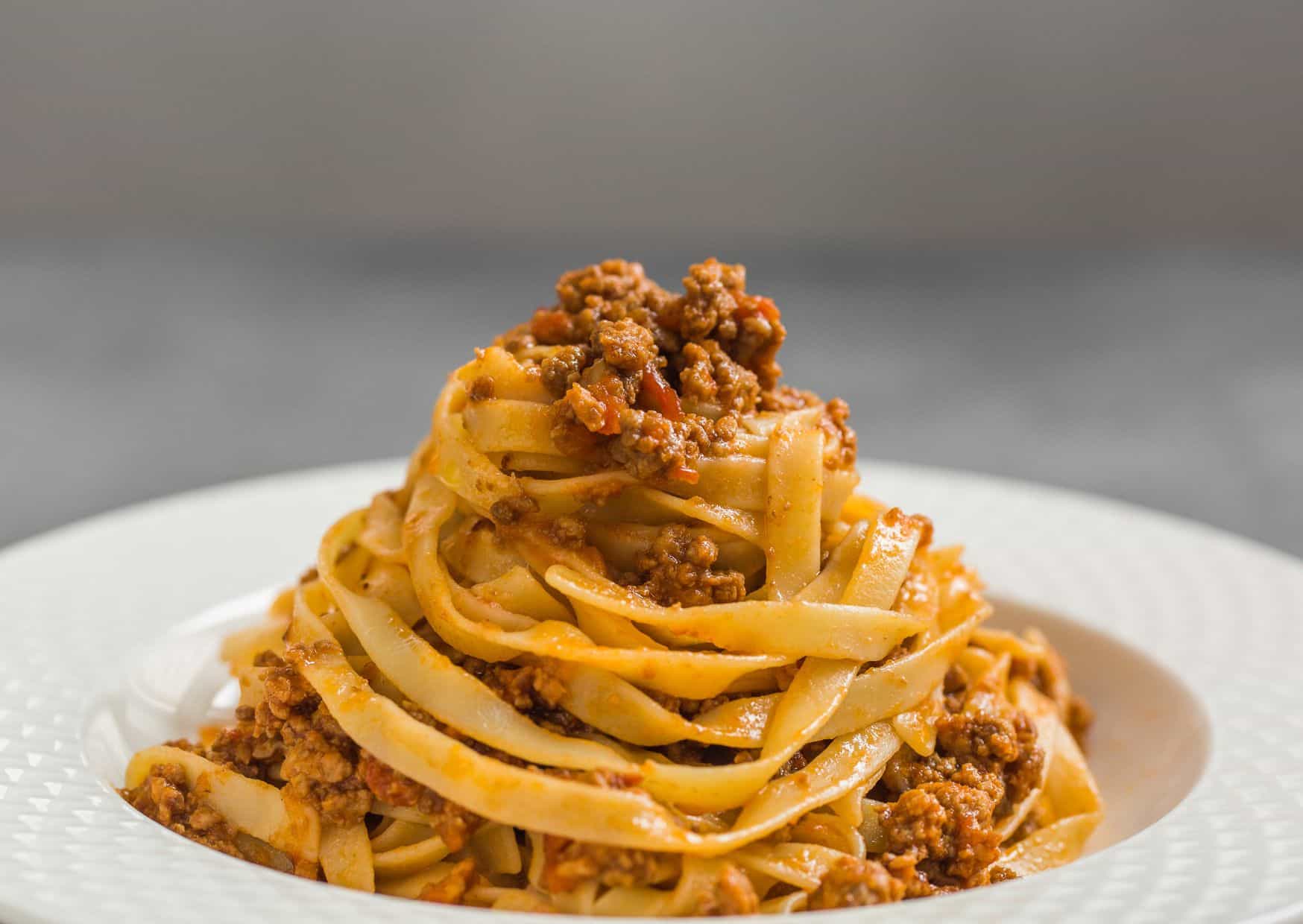
When it comes to Italian comfort food, few dishes evoke as much warmth and nostalgia as Tagliatelle al Ragù. Originating from Bologna in the Emilia-Romagna region, this classic combines silky, freshly made egg pasta with a rich meat sauce simmered slowly to perfection. Unlike the “spaghetti Bolognese” known internationally, Tagliatelle al Ragù is an authentic, deeply rooted dish that Italians proudly protect as a cultural treasure.
Making homemade tagliatelle might seem intimidating, but with simple ingredients and a little patience, you can recreate this soulful dish in your own kitchen. The process of kneading the pasta dough, rolling it thin, and cutting it into ribbons is meditative, connecting you to centuries of Italian culinary tradition. Paired with ragù cooked for hours until it reaches its iconic depth of flavor, the result is a meal that comforts and impresses in equal measure.
In this recipe guide, you’ll learn how to make authentic Tagliatelle al Ragù, from fresh pasta to the hearty sauce that defines Bologna’s cuisine. Whether it’s for a weekend family dinner or an Italian-themed gathering, this dish will transport everyone at your table straight to a trattoria in Emilia-Romagna.
Read here best Italian food, vegetarian food in Italy, best drinks in Italy and best breakfast in Italy
Read Here Things to know before visiting Italy and how to buy a sim card in Italy
BOOK YOUR TRAVEL INSURANCE
Two of our favorite travel insurance: Heymondo Vs Safetwing cheapest travel Insurance. You can get for $135 USD your Heymondo Travel Insurance with Heymondo discount code valid for 90 days. Read our full comparison of Genki vs Safetywing Travel Insurance Review and the comparison Heymondo vs Genki
Best Time to Eat and How to Partner
Tagliatelle al Ragù is traditionally enjoyed as a primo piatto (first course) for Sunday lunches or special family dinners, especially during colder months when rich, slow-cooked dishes are most comforting.
To serve this dish authentically, start with a light antipasto platter of cured meats, Parmigiano-Reggiano, and olives, followed by Tagliatelle al Ragù as the main pasta course. Pair it with a robust Sangiovese or Lambrusco red wine, and finish the meal with a simple dessert like biscotti dipped in Vin Santo for a truly regional dining experience.
One controversial truth is that “spaghetti Bolognese,” while globally popular, does not actually exist in traditional Italian cuisine. The sauce known as ragù alla Bolognese is always served with fresh egg pasta like tagliatelle or pappardelle, never with dried spaghetti. Using spaghetti with ragù is considered a culinary faux pas in Bologna and beyond.
Another misunderstood aspect is the ragù itself. Authentic Bolognese ragù uses more meat than tomato, simmered gently with soffritto (onion, carrot, celery), white wine, milk, and just a touch of tomato paste or puree. Versions overloaded with tomato sauce are closer to southern Italian or Italian-American styles rather than true ragù alla Bolognese, which is deeply savory and creamy rather than acidic.
Finally, while many people make ragù quickly on weeknights, Italians know it is a dish that requires hours of slow cooking to develop its signature depth of flavor and tender texture. Skipping this process to save time turns ragù into a simple meat sauce rather than the rich, layered masterpiece that has made Bologna’s cuisine famous worldwide.
How to Make Tagliatelle al Ragù
Tagliatelle al Ragù Recipe Ingredients
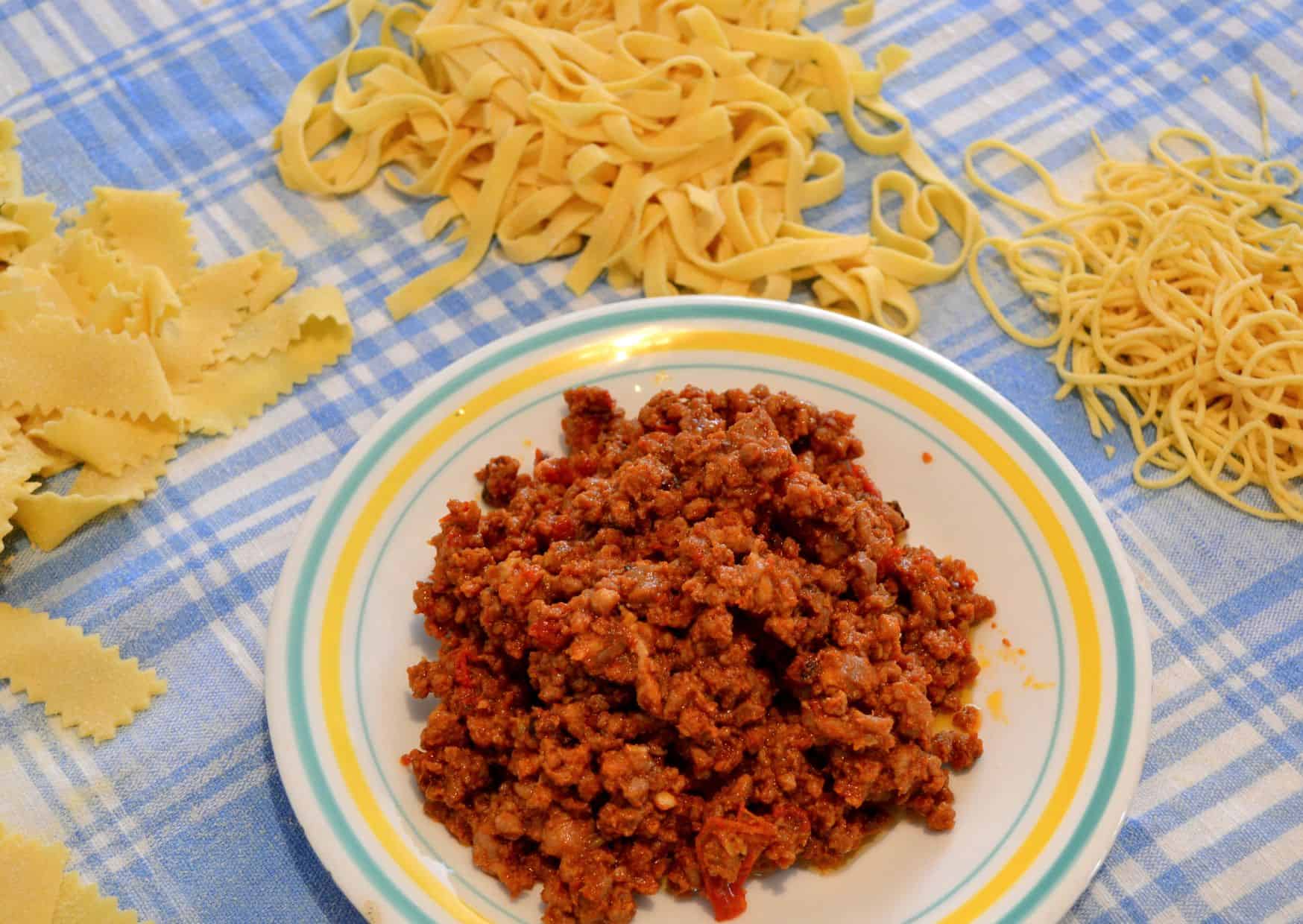
For the Ragù:
2 tablespoons olive oil
1 tablespoon unsalted butter
1 onion, finely chopped
1 carrot, finely chopped
1 celery stalk, finely chopped
2 cloves garlic, minced
8 oz (225g) ground beef
8 oz (225g) ground pork (or a mix of veal and pork)
1/2 cup dry white wine
1 cup whole milk
1 cup crushed tomatoes (or passata)
1/4 cup tomato paste
1 cup beef or chicken broth
Salt and freshly ground black pepper, to taste
Freshly grated nutmeg, a pinch (optional)
For the Pasta:
12 oz (350g) tagliatelle pasta (preferably fresh)
Salt for the pasta water
Freshly grated Parmesan cheese, for serving
Get the best deals for your home and kitchen needs
Step By Step How to Make Tagliatelle al Ragù
Prepare the Ragù
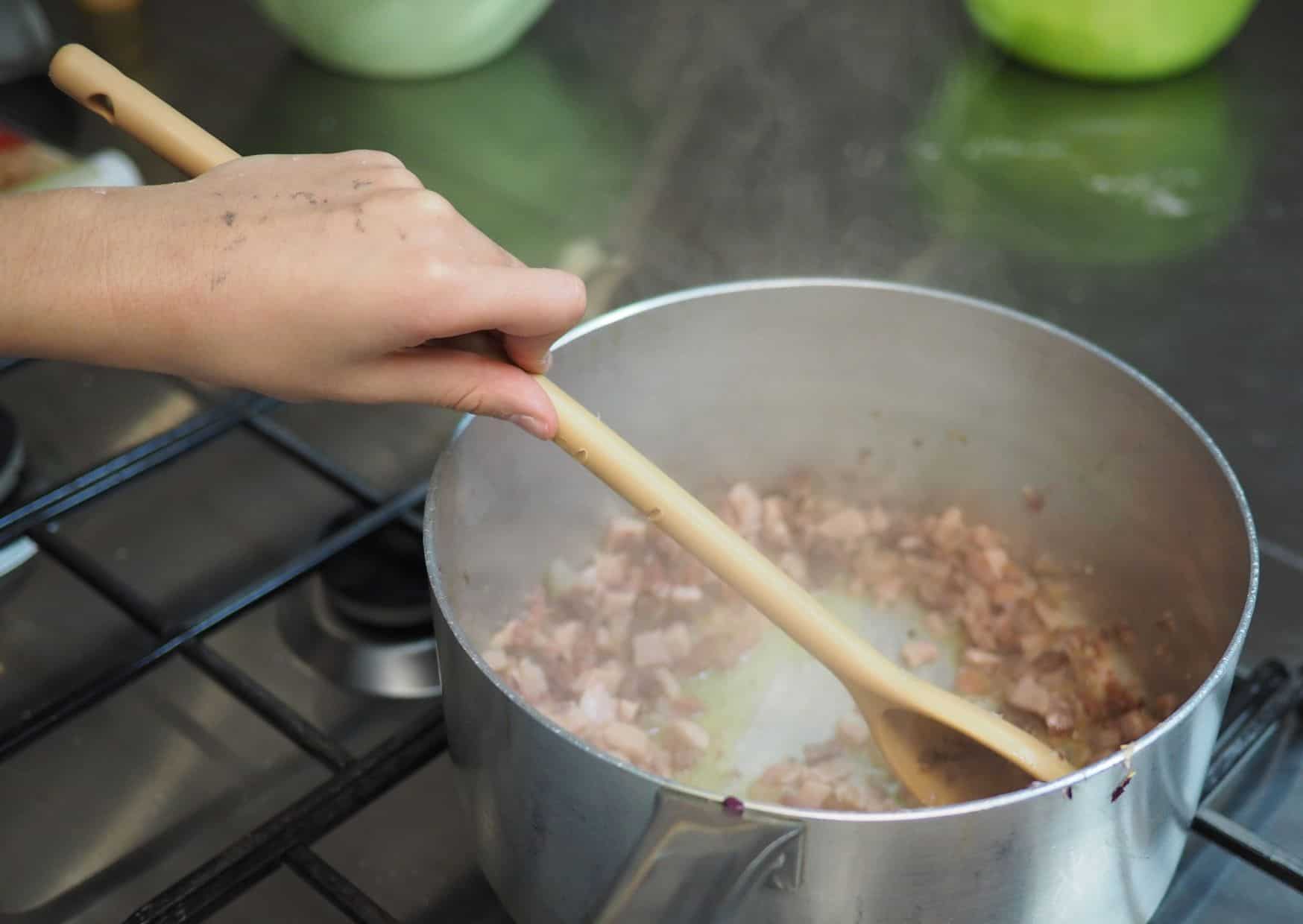
In a large, heavy-bottomed pot, heat the olive oil and butter over medium heat. Add the chopped onion, carrot, and celery. Sauté for about 10 minutes, until the vegetables are softened and golden. Add the minced garlic and cook for another minute.
Add the ground beef and ground pork to the pot. Cook, breaking up the meat with a wooden spoon, until it is browned all over, about 10 minutes. Season with salt and freshly ground black pepper.
Pour in the white wine and cook for a few minutes, until the wine has mostly evaporated. Stir in the milk and let it simmer gently until absorbed, about 10 minutes. Add the crushed tomatoes, tomato paste, and broth. Bring the mixture to a simmer, then reduce the heat to low.
Let the sauce cook slowly on low heat for at least 2 hours, preferably 3-4 hours, stirring occasionally. If the sauce becomes too thick, add a bit more broth or water. The sauce should be thick and rich.
Cook the Tagliatelle
In a large pot of boiling salted water, cook the tagliatelle according to package instructions until al dente. Fresh tagliatelle will cook in about 2-3 minutes, while dried tagliatelle will take longer. Reserve a cup of pasta water, then drain the pasta and return it to the pot.
Combine and Serve
Add a few ladles of the ragù sauce to the pasta, tossing to coat the tagliatelle evenly. Add a splash of reserved pasta water if needed to loosen the sauce.
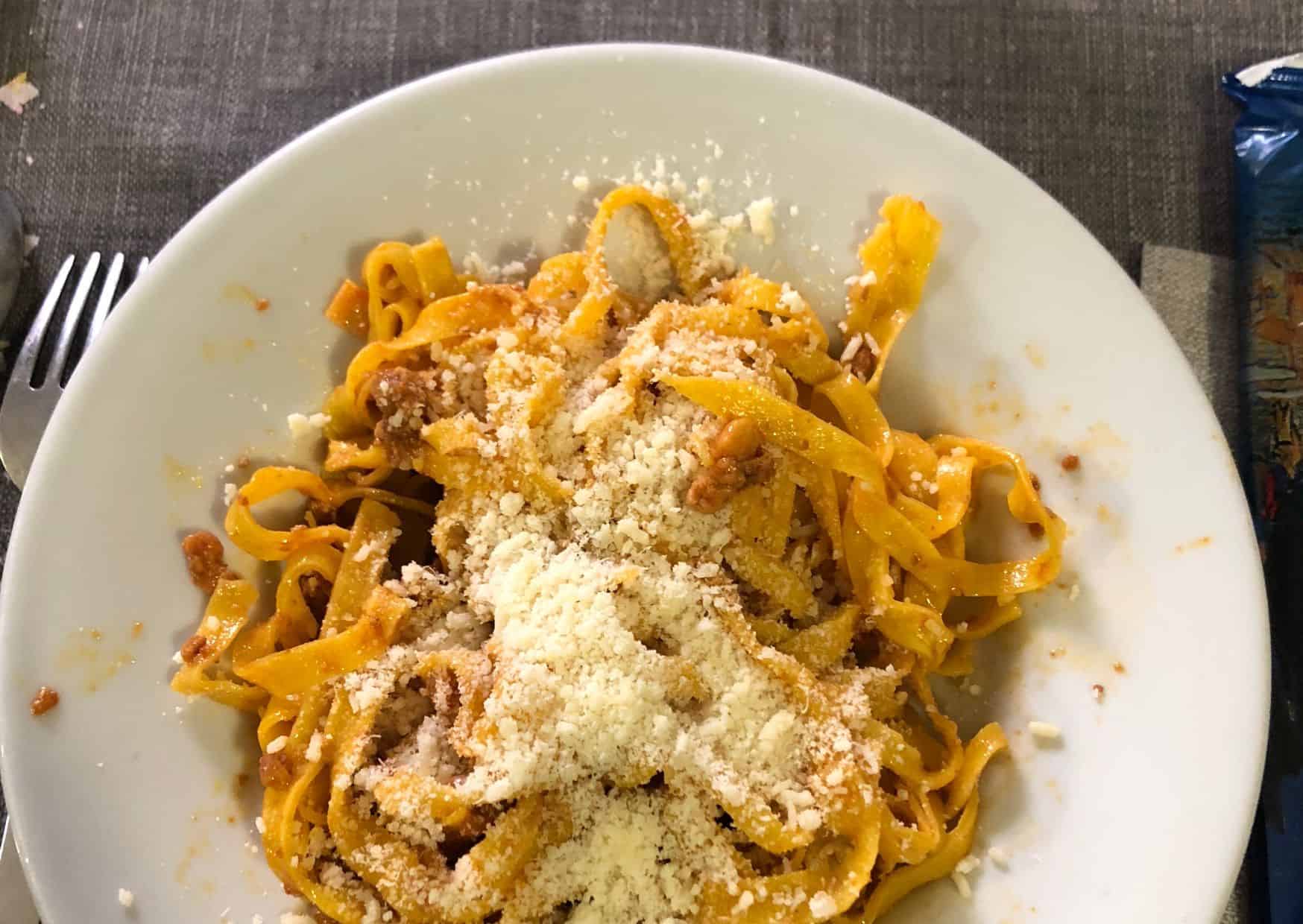
Divide the pasta among serving plates. Top with more ragù sauce and freshly grated Parmesan cheese. Serve immediately.
Tips To Make Tagliatelle al Ragù
The key to a great ragù is slow cooking. Allowing the sauce to simmer for several hours helps develop the deep, rich flavors.
While tagliatelle is traditional, you can also use other pasta types like pappardelle, fettuccine, or even rigatoni if tagliatelle isn’t available.
A combination of beef and pork is common, but you can also use veal or add pancetta for extra flavor. Ragù can be made ahead of time and actually tastes better the next day. Store it in the refrigerator for up to 3 days or freeze it for up to 3 months.
A light grating of fresh nutmeg can add a subtle warmth to the sauce, enhancing its complexity.
How Many Calories Have Tagliatelle al Ragù
Calories Per Serving: Approximately 600-750 calories per serving (based on 4 servings)
Breakdown:
Tagliatelle Pasta: ~200-250 calories per serving
Ragù Sauce: ~400-500 calories per serving (depending on the meat and amount of sauce used)
Parmesan Cheese: ~50-70 calories per tablespoon
Origin and History
Tagliatelle al Ragù is one of the most beloved dishes from Emilia-Romagna, a region widely considered the culinary heart of Italy. Its roots trace back to Bologna, where ragù was developed as a slow-cooked meat sauce designed to highlight the richness of local ingredients rather than overpower them. Early versions of the dish appeared in the Middle Ages, evolving into the refined, layered sauce Italians now associate with true comfort cooking.
Unlike the Americanized idea of “Bolognese,” the traditional ragù is not a tomato-heavy sauce. It began as a mixture of finely chopped beef, aromatics, and a small amount of tomato for balance. The intention was always to produce a delicate, velvety sauce that clings to fresh tagliatelle rather than drowning it. This approach reflects Emilia-Romagna’s broader cooking philosophy: respect the ingredients, cook slowly, and let flavor deepen naturally.
Tagliatelle itself holds historical significance. According to legend, the pasta shape was inspired by the golden hair of Lucrezia Borgia on her wedding day. Whether or not the story is true, it captures the romanticism Italians hold for their food traditions. Together, tagliatelle and ragù form a dish cherished across generations, symbolizing home cooking at its most soulful.
One of the biggest debates centers on what truly belongs in a ragù. Purists argue that adding garlic, too much tomato, or excessive herbs completely changes the character of the sauce. Others contend that variations are inevitable and personal touches can elevate the dish. This divide often reflects differences between Italian and Italian-American cooking styles.
Another controversy involves the cooking time. Traditional ragù requires hours of slow simmering anywhere from three to five hours to achieve its signature depth. Some modern cooks insist that a quicker version can achieve similar results, especially with high-quality ingredients. Traditionalists strongly disagree, claiming that time itself is an ingredient, and shortcuts rob the dish of its soul.
Even the pairing of pasta sparks disagreement. Italians insist ragù must be served with tagliatelle, never spaghetti. The wider, rougher surface of tagliatelle is designed to hold the sauce, whereas smooth, thin spaghetti is considered incompatible. Despite this, many outside Italy still default to spaghetti, prompting ongoing debates about authenticity.
How Long You Take to Prepare
Preparing Tagliatelle al Ragù typically takes between 3 and 5 hours, though most of that time is hands-off simmering. The process begins by finely chopping the soffritto onion, carrot, and celery then sautéing them slowly in fat until deeply fragrant. Next comes the beef, cooked just until browned, followed by a splash of wine to deglaze the pot and build complexity.
Tomato paste or a small amount of crushed tomato is added next, along with broth or water. The sauce then simmers at a low, steady heat. This is where the magic happens. Over several hours, the flavors meld, the meat softens, and the sauce transforms into a silky, concentrated ragù. Patience is key; rushing this stage creates a flatter, less nuanced dish.
Fresh tagliatelle cooks quickly, usually in just 2 to 3 minutes. Once the pasta is cooked, it is tossed directly into the warm ragù so the sauce can cling to each ribbon. A small ladle of pasta water and a touch of butter help emulsify everything. From start to finish, this dish requires time but rewards every minute.
Serving Suggestions
Serve Tagliatelle al Ragù in shallow bowls to showcase the sauce and pasta together. Top it with a light dusting of freshly grated Parmigiano Reggiano—never an avalanche. This enhances the ragù without overshadowing its slow-cooked flavors. A simple green salad on the side provides a crisp, refreshing balance.
For a more traditional table setting, pair the dish with a glass of Sangiovese or Lambrusco, wines that complement the ragù’s richness. Crusty bread is welcome, not for dipping into the pasta, but for enjoying with leftover sauce at the end of the meal. Italians appreciate simplicity, and this dish shines brightest when surrounded by straightforward, quality sides.
If you’re feeding a crowd, consider serving the pasta as a first course, followed by roasted meats or grilled vegetables. Tagliatelle al Ragù is comforting enough to anchor a meal yet refined enough to pair beautifully with other dishes. It’s the kind of recipe that brings people to the table and keeps them there long after the plates are empty.
Final Thoughts
Tagliatelle al Ragù isn’t just a dish it’s a story told through every bite. It captures the heart of Emilia-Romagna, where food is slow, soulful, and always meant to be shared. The silky pasta strands hug the rich, slow-cooked sauce in a way no quick recipe ever could, reminding us why tradition in Italian cooking is never rushed.
At home, making it perfectly doesn’t require a professional kitchen it requires patience, quality ingredients, and the respect to let flavors develop over time. A well-made ragù isn’t flashy, but its depth and warmth make it unforgettable, the kind of dish that comforts after a long day and impresses when served to guests.
In a world obsessed with shortcuts, Tagliatelle al Ragù proves that the best things still take time. It’s more than comfort food it’s Italy on a plate, and once you master it at home, you may never look at pasta the same way again.

About the Author: Ruben, co-founder of Gamintraveler.com since 2014, is a seasoned traveler from Spain who has explored over 100 countries since 2009. Known for his extensive travel adventures across South America, Europe, the US, Australia, New Zealand, Asia, and Africa, Ruben combines his passion for adventurous yet sustainable living with his love for cycling, highlighted by his remarkable 5-month bicycle journey from Spain to Norway. He currently resides in Spain, where he continues sharing his travel experiences with his partner, Rachel, and their son, Han.