
Have you ever wondered why some countries are known as the happiest places on Earth? What makes people in these places wake up with a smile? From the snowy peaks of Norway to the sunny beaches of Australia, happiness takes many forms.
In this article, we’ll travel together through the top ten happiest countries in the world and uncover the secrets of their joy. Whether you’re dreaming of moving to a new place or just curious about other cultures, join us on this exciting journey to find out what truly makes these countries special spots of happiness. And when you finish reading, let us know if you agree or not!
MORE READS:
– Best Travel Insurance for All Kinds of Travel – Short or Long Stay
– 10 Reasons Why Travel Enriches Your Life: Explore, Learn, Grow
– Why September and October are The Best Months to Visit Europe
– 10 Most Underrated Travel Experiences in the World
– 7 Best Countries to Visit for Food
Who Measures Happiness, and How of These Happiest Countries
Who Sets the Happiness Index? The main source for understanding global happiness levels is the World Happiness Report, which is released annually. This report is a project of the United Nations Sustainable Development Solutions Network. It was first published in 2012, inspired by the UN General Assembly’s resolution that recognized happiness as a “fundamental human goal.” The report aims to provide a comprehensive measure of happiness worldwide and encourage policy implications that support well-being.
What Adds to the Happiness Index? The happiness scores in the World Happiness Report are based on a range of factors considered essential for human well-being. Here’s a breakdown of these components:
- Economic Production (GDP per Capita): Wealth per person, which helps gauge the standard of living in a country.
- Social Support: Having someone to rely on during tough times, which shows the strength of relationships and community bonds.
- Healthy Life Expectancy: The expected number of years of healthy living, emphasizing the importance of health in happiness.
- Freedom to Make Life Choices: The freedom to choose how to live one’s life, reflecting personal autonomy and decision-making power.
- Generosity: The average level of donations and support within a community, indicating altruism and willingness to help others.
- Perceptions of Corruption: How widespread corruption is believed to be, affecting trust in institutions and the fairness of society.
These factors are combined to give a comprehensive view of what life is truly like for the people living in each country. The report uses data from the Gallup World Poll, ensuring that the rankings are based on the real feelings and experiences of the citizens. So are we ready to see the list?
1. Finland – Is it Really the Happiest Country in the World?
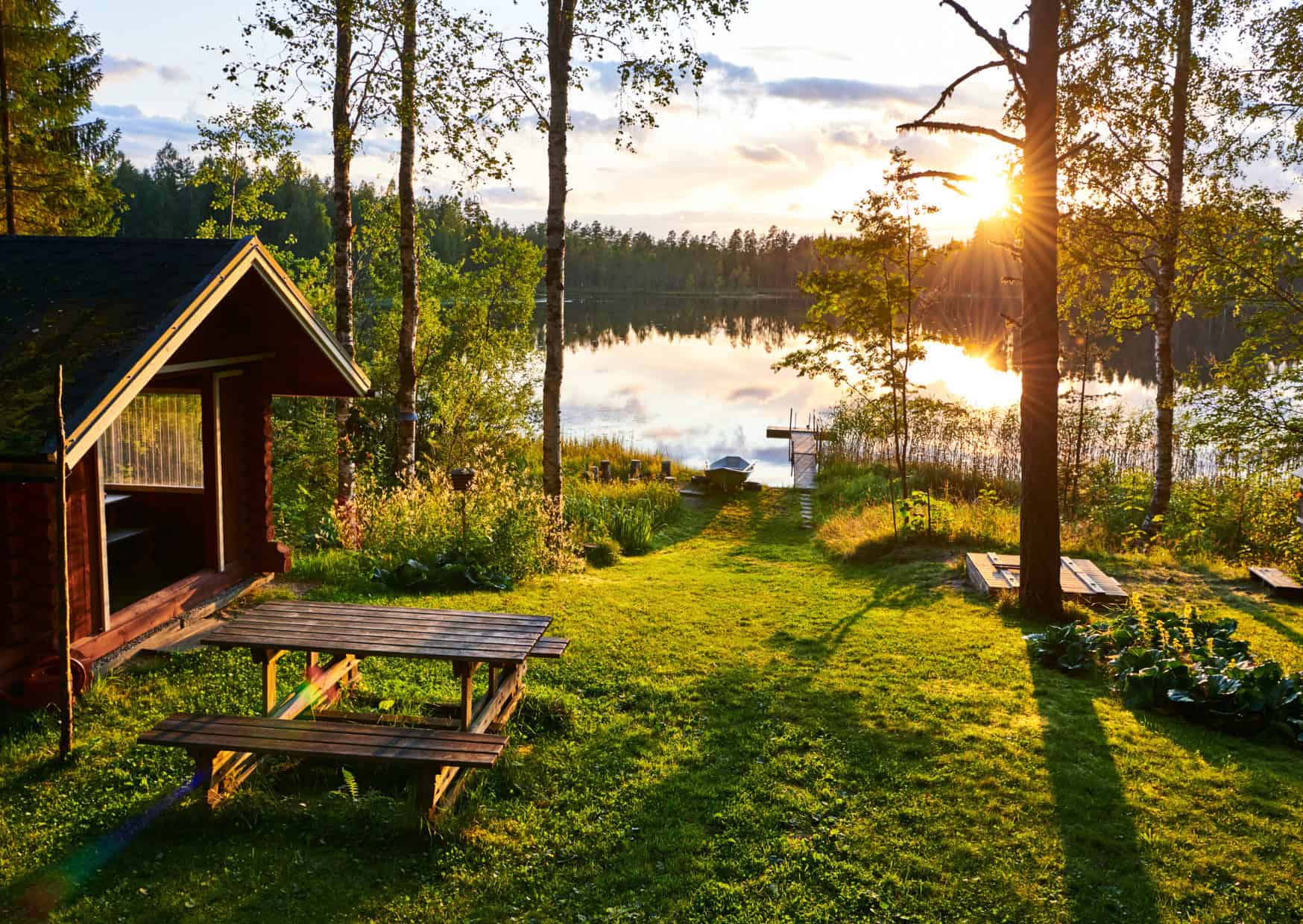
Various indexes consistently rank Finland at the top when it comes to happiness, but what’s the real story behind these stats? Here’s a closer look at why Finland is more than just cold weather and reindeer sightings—it’s a blueprint for happiness!
1. Everyone’s Included: One of Finland’s secrets is its strong sense of social equality and community. Finns believe in supporting each other, and their government programs reflect this. From universal healthcare to education, every Finn has access to services that are essential for a good life, ensuring that nobody is left behind.
2. Trust Runs Deep: Trust is a key ingredient in the Finnish happiness recipe. People trust their government to make good decisions for them and trust their fellow citizens too. This high level of trust makes everyday interactions smoother and social networks stronger, contributing to overall well-being.
3. Education is King: Finland’s education system is a global superstar, consistently ranking among the best. It’s not just about academic success; Finnish schools teach children life skills like critical thinking and self-care, preparing them for a balanced life.
4. Close to Nature: With vast forests, numerous lakes, and northern wilderness, Finns have a deep connection with nature, which is known to boost happiness. Whether it’s a quiet walk in the woods or a lively ski trip in the winter, nature is an integral part of Finnish life.
5. Work-Life Harmony: Forget the hustle culture. In Finland, work-life balance is sacred. Finns value their time off, and it’s not uncommon to see workplaces empty out early on Friday afternoons as everyone heads to their summer cottages to relax and recharge.
6. Safety First: Finland is incredibly safe. Low crime rates mean that people don’t live in fear, and this security allows them to focus on building a satisfying life rather than just surviving.
So, is Finland really the happiest country in the world? For many Finns, the answer is a resounding yes. With a society built on trust, equality, and respect for personal time and space, it’s not hard to see why. Finland doesn’t just offer a place to live; it offers a place to live well. Whether you’re considering a move or just curious about their way of life, Finland’s model of happiness is certainly worth a closer look.
2. Denmark
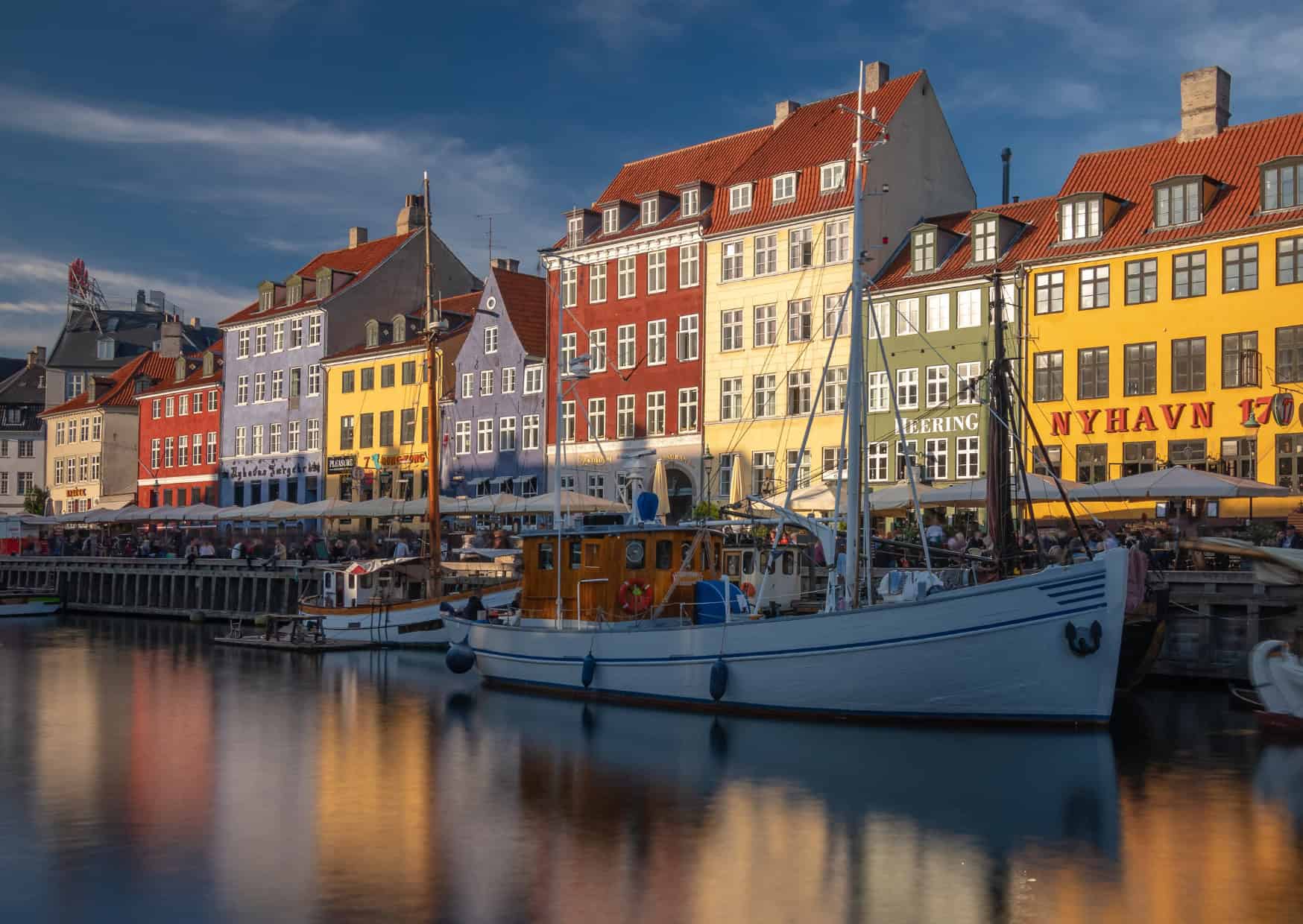
Just like its neighbor Finland, Denmark regularly finds itself at the top of the world’s happiest countries lists. But what makes Danes so content with their lives? Let’s dive into the Danish way of happiness.
1. Hygge Everywhere: You might have heard of “Hygge” (pronounced “hoo-ga”), a Danish concept that translates roughly to a sense of comfort, togetherness, and well-being. It’s about creating a warm atmosphere and enjoying the good things in life with good people. The long dark winters might be a downer elsewhere, but in Denmark, they’re an opportunity to enjoy the coziness of home with loved ones.
2. Green and Clean: Denmark is a leader in sustainability and green living. With numerous bike paths, wind turbines, and waste-to-energy plants, Danes are pioneers in creating a clean environment, which significantly contributes to their happiness.
3. Social Support Systems: Like its Scandinavian counterparts, Denmark has a robust welfare system that supports its citizens from cradle to grave. Healthcare, education, and even unemployment support are designed to reduce stress and insecurity, allowing Danes to focus on personal fulfillment.
4. An Economy that Works for All: Denmark’s economy is characterized by flexibility in the labor market but with a strong safety net, known as “flexicurity.” This system provides peace of mind while encouraging innovation and work-life balance.
5. Trust in Institutions: Danes have a high level of trust in their public institutions. They believe in the fairness of their economic systems and trust their government to act in their best interests, which fosters a sense of stability and satisfaction.
6. Less Focus on the Material: While the Danish lifestyle can be expensive, there is less emphasis on material wealth and more on experiences and relationships. Danes prioritize time over money, which leads to more life satisfaction.
So, does Denmark deserve its spot among the happiest countries in the world? Absolutely. With a society built on trust, community, and sustainability, Danes have mastered the art of living well. The Danish model offers valuable lessons on how happiness can be fostered through community, culture, and a commitment to the common good.
3. Switzerland
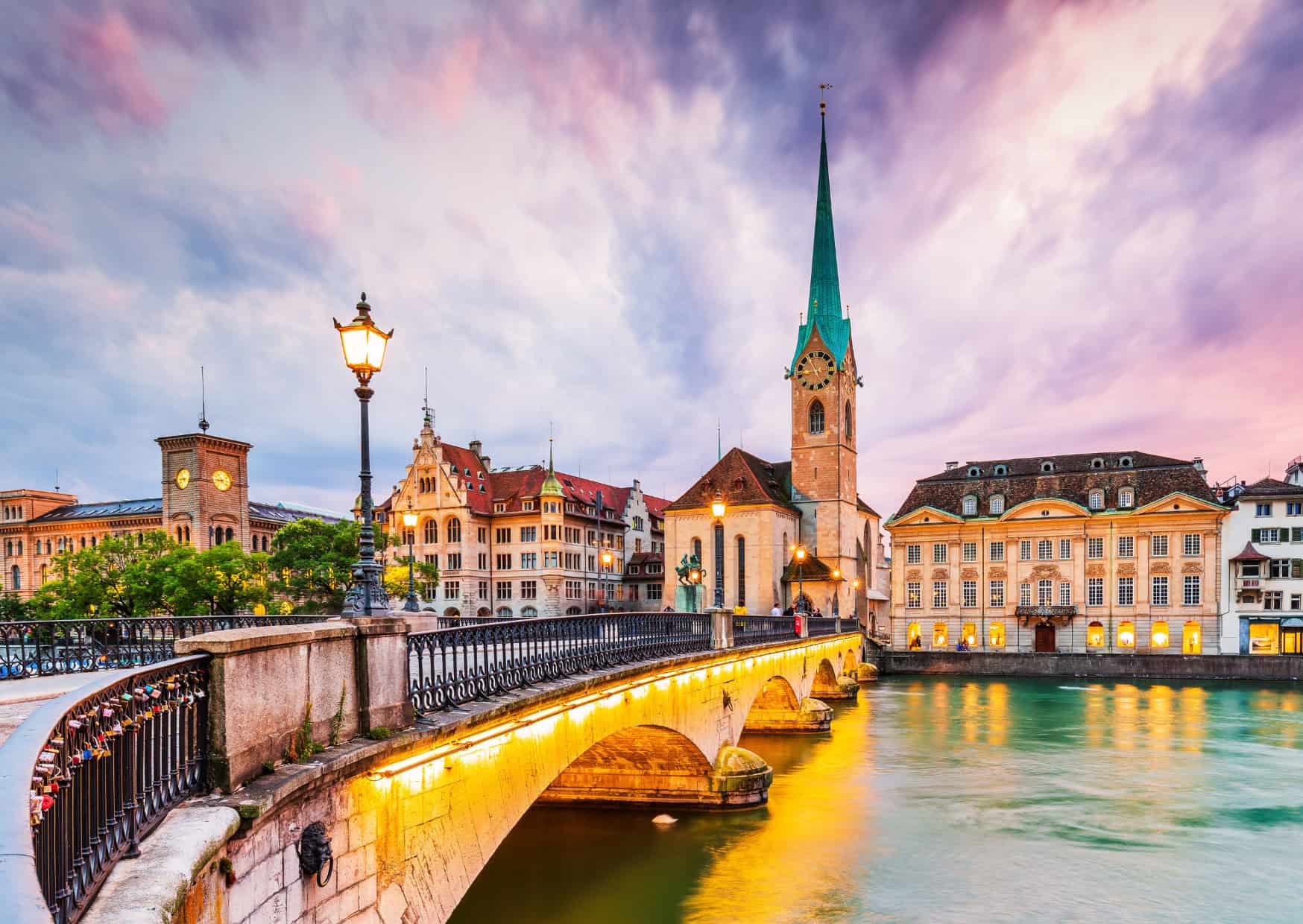
Switzerland isn’t just famous for its watches and chocolates; it also consistently ranks as one of the happiest countries in the world. What’s the secret to Swiss happiness? Let’s explore the factors that make Switzerland such a joyful place to live.
1. Stunning Scenery: Switzerland is picture-perfect, with its pristine lakes, majestic mountains, and well-preserved forests. The Swiss have access to breathtaking natural beauty at their doorstep, promoting an active and healthy lifestyle that greatly contributes to their happiness.
2. Wealth and Economic Stability: Switzerland boasts a strong economy, backed by high-paying jobs and low unemployment. This economic stability gives Swiss residents a significant degree of financial security and comfort, adding to their overall satisfaction.
3. Top-Notch Public Services: Whether it’s public transportation that runs like clockwork or public healthcare that’s both high-quality and accessible, Swiss infrastructure supports every resident’s needs efficiently and effectively.
4. Cultural Diversity: Switzerland is a melting pot of cultures, with four official languages and a long history of neutrality that has welcomed diverse populations. This diversity enriches the social fabric and promotes a broader understanding among its people.
5. Safety and Security: Switzerland is one of the safest countries in the world. The low crime rate ensures that citizens can live their lives with minimal concern for personal safety, which is a fundamental component of happiness.
6. Community and Leisure: The Swiss place a strong emphasis on community and leisure time. From skiing in the Alps to participating in local festivals, there’s a strong sense of community engagement and plenty of opportunities for relaxation and fun.
Switzerland’s recipe for happiness is a blend of natural beauty, economic prosperity, and a well-functioning society. Its residents enjoy a quality of life that is hard to match, rooted in a culture that values precision, privacy, and participation. Whether it’s the peacefulness of a mountain retreat or the buzz of a multicultural city, Switzerland offers a slice of happiness for everyone.
4. Iceland
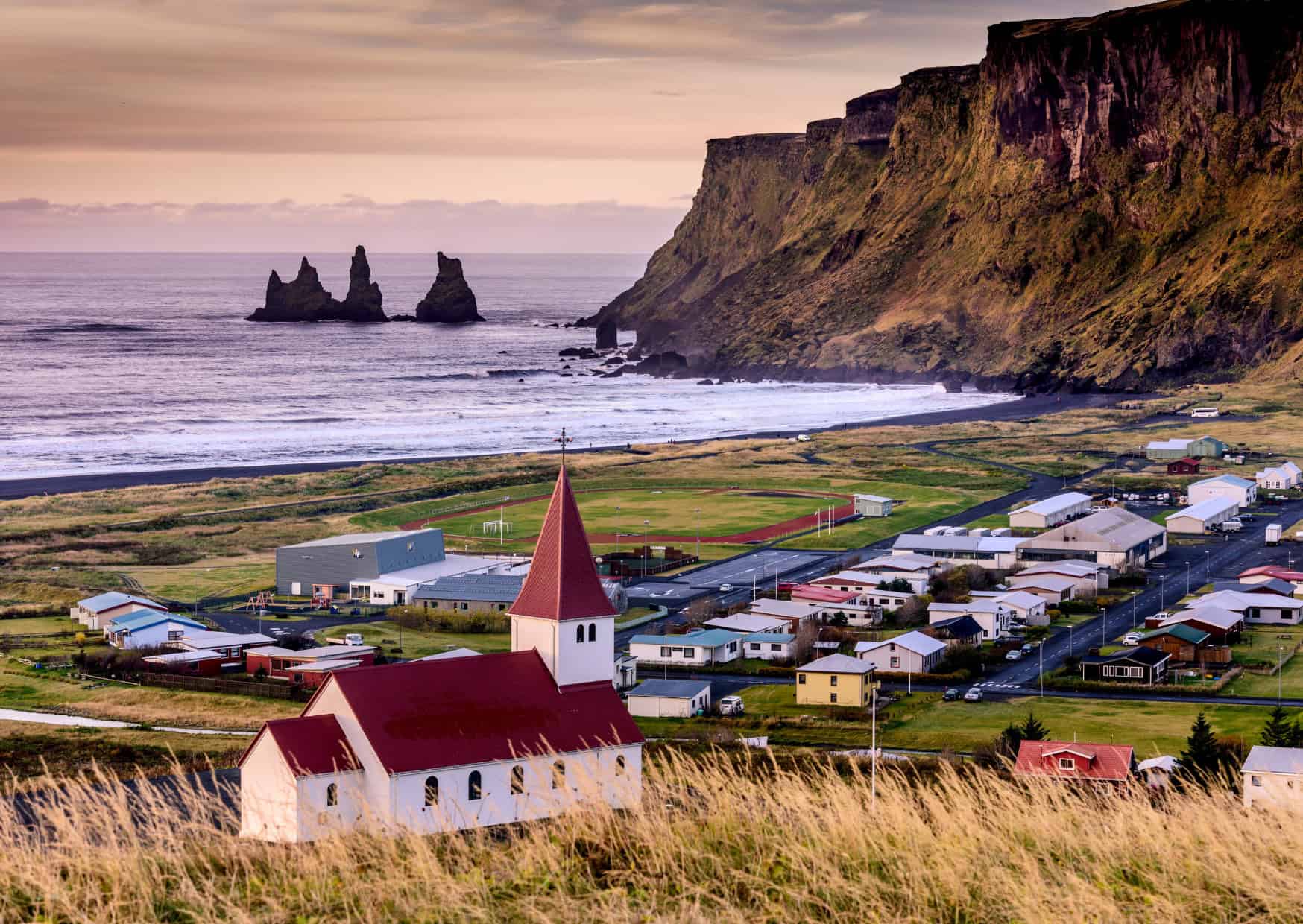
Iceland may be known for its dramatic landscapes of volcanoes, geysers, and hot springs, but it’s also celebrated for its remarkably happy population. Let’s delve into why this small island nation ranks so high in happiness.
1. Close-Knit Community: Iceland’s small population fosters a tight-knit community where people know and look out for each other. This strong social support is key to their happiness, as it creates a sense of security and belonging.
2. Stunning Natural Beauty: Living in a place as breathtaking as Iceland can have a profound effect on one’s mood. The accessibility to nature not only promotes physical activity but also provides mental peace, which significantly enhances overall well-being.
3. High Standard of Living: Despite its remote location, Iceland offers a very high standard of living. Its citizens benefit from excellent healthcare, free higher education, and a robust welfare system that ensures that even those who fall on hard times are supported.
4. Environmental Purity: Iceland is one of the cleanest countries in the world. With vast renewable energy resources, particularly geothermal energy, Icelanders enjoy a clean environment that contributes positively to their health and happiness.
5. Gender Equality and Inclusiveness: Iceland is a global leader in gender equality. The commitment to fairness and inclusion is evident in all aspects of Icelandic society, from politics to corporate culture, which helps in fostering a sense of justice and equality.
6. Safety and Security: With one of the lowest crime rates in the world, residents of Iceland feel incredibly safe. This lack of worry contributes to their happiness and allows them to focus more on enjoying life.
Iceland proves that a small country can be a big contender when it comes to happiness. The combination of stunning natural environments, a strong welfare state, and a closely connected community creates an ideal setting for happiness to flourish. Whether basking in the midnight sun or watching the northern lights, life in Iceland is about enjoying every moment with a warm heart.
5. Norway
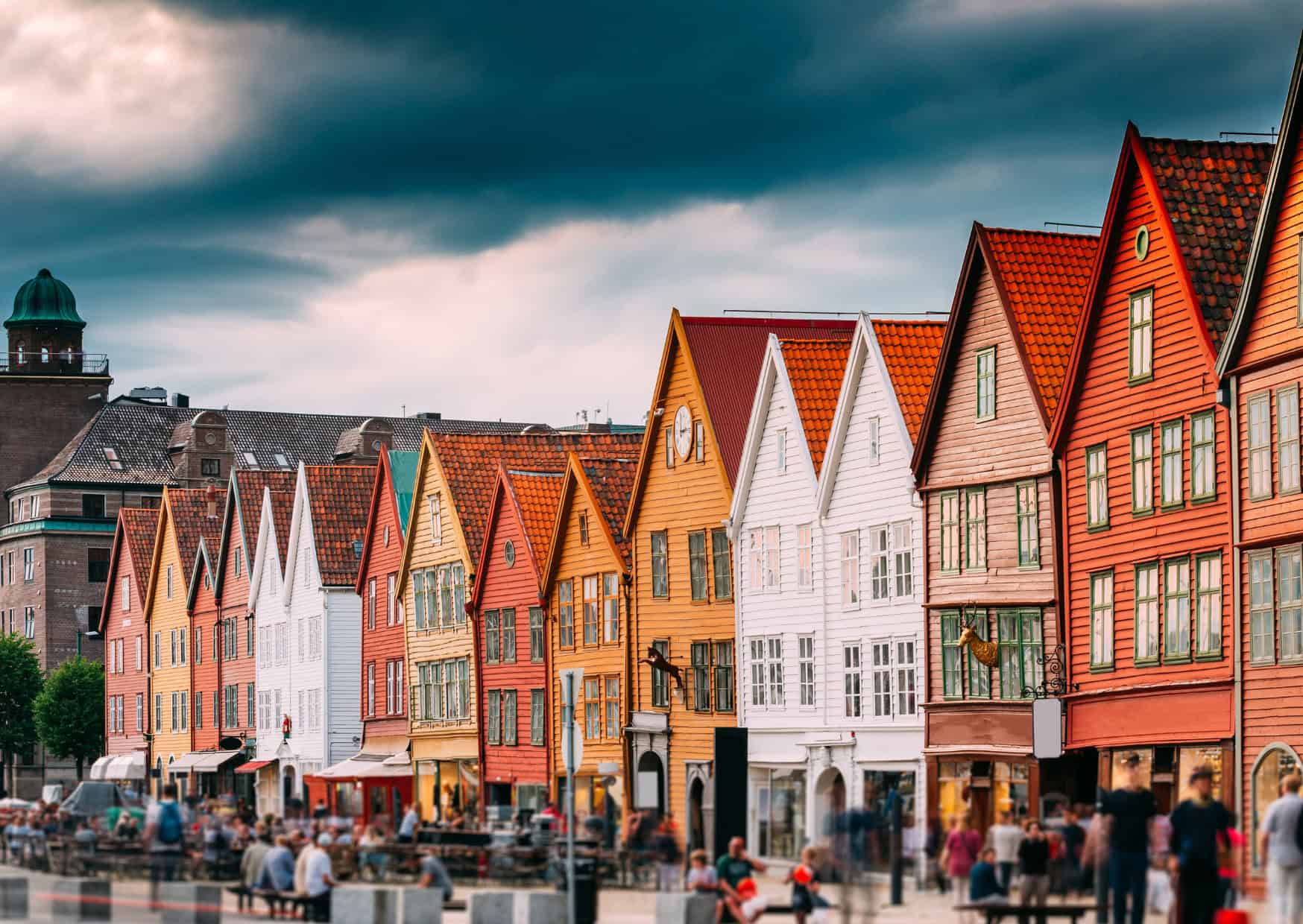
Norway, with its stunning fjords, northern lights, and midnight sun, is more than just a visual paradise; it’s also one of the happiest countries on Earth. Here’s why Norwegians consistently rank as some of the happiest people in the world:
1. Rich Natural Environment: Norwegians have a unique relationship with nature, often referred to as “friluftsliv,” or open-air living. This deep connection with the outdoors enhances their quality of life and overall happiness, promoting a healthy lifestyle that is deeply integrated with nature.
2. Strong Social Welfare: Norway’s welfare system is among the best globally. From universal healthcare to free education, the government ensures that all citizens have access to essential services, reducing stress and increasing life satisfaction.
3. Economic Security: Thanks to its prosperous oil fund, Norway boasts a robust economy that offers stability to its citizens through comprehensive social benefits and high employment rates, creating a secure environment for everyone.
4. Community and Trust: The sense of community in Norway is strong, and social trust is high. Norwegians have a great deal of faith in each other and their government, which fosters a cooperative and harmonious society.
5. Work-Life Balance: Norwegians place a high value on work-life balance, with laws that ensure flexible working hours and ample vacation time. This balance allows residents to spend time with family and enjoy leisure activities, contributing to their overall happiness.
6. Focus on Equality: Norway strives for equality across various aspects of society, including income distribution and gender equality. This emphasis on fairness contributes to societal happiness, as it minimizes conflicts and ensures that everyone has equal opportunities.
Norway’s combination of natural beauty, economic stability, and a strong social support system illustrates why it consistently enjoys a place at the top of the happiness rankings. Living in Norway means experiencing the joy of a well-rounded life, where the beauty of the environment and the strength of the community uplift everyone’s spirits.
6. Netherlands
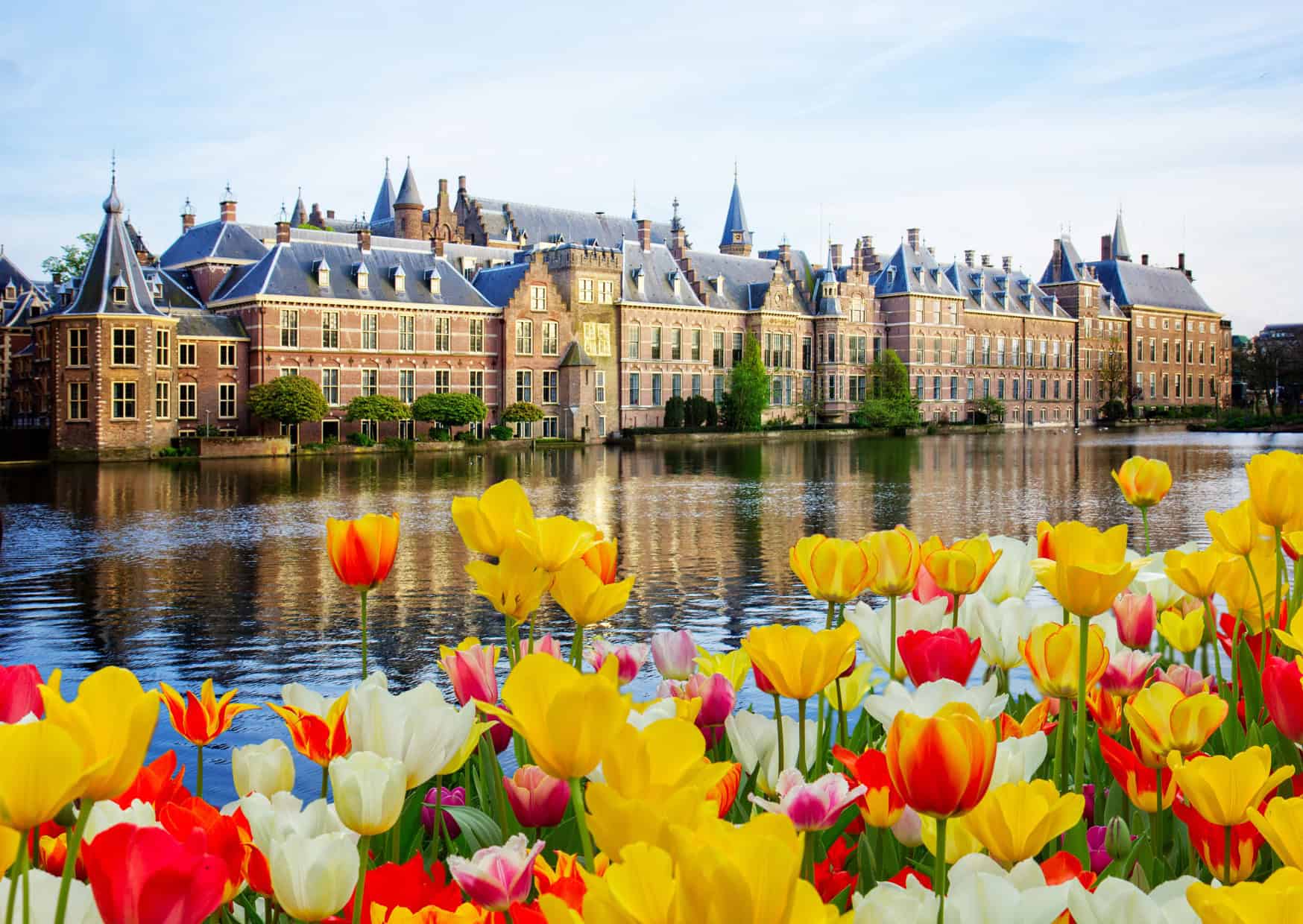
The Netherlands, with its laid-back cafes, expansive bicycle paths, and open-minded culture, consistently ranks as one of the happiest countries in the world. Here’s why the Dutch lifestyle promotes such high levels of contentment:
1. Cycling Culture: The Dutch love their bicycles, and for a good reason. Cycling is not only great for physical health but also for mental well-being. The extensive network of bike lanes allows everyone to commute safely and joyfully, contributing to environmental health and personal happiness.
2. Work-Life Balance: In the Netherlands, maintaining a healthy balance between work and leisure is a priority. Dutch employment laws support flexible working hours, part-time work opportunities, and significant vacation time, enabling residents to enjoy ample family time and personal pursuits.
3. Social Equality: The Netherlands is known for its flat social structure, where there is less emphasis on status and hierarchy. This equality extends to gender rights, LGBTQ+ rights, and income distribution, fostering a society where everyone feels valued and respected.
4. Water Management Mastery: Living below sea level, the Dutch have become world leaders in water management. This not only protects the country physically but also instills a sense of national pride and security, contributing to the collective happiness.
5. Education and Innovation: The Dutch educational system is robust, offering high-quality education that is largely accessible to all. The emphasis on creativity and innovation in schools prepares children for a fulfilling and adaptable career path.
6. Community and Safety: The Netherlands is one of the safest countries in the world, with low crime rates and a high degree of trust in public institutions. This security allows citizens to live without undue stress, enhancing their overall quality of life.
The Dutch formula for happiness is deeply rooted in their cultural practices and social policies. From biking through beautiful landscapes to enjoying a well-balanced life, the Netherlands offers a model for sustainable living and happiness. Whether wandering through vibrant Amsterdam or relaxing in a quaint village, life in the Netherlands is about finding joy in freedom and fairness.
The Netherlands exemplifies how a commitment to environmental sustainability, social equality, and personal well-being can create a profoundly satisfying way of life. Are you ready to explore the next happy country on our list?
7. New Zealand

Nestled in the corner of the globe, New Zealand isn’t just famous for its stunning scenery featured in epic films; it’s also known as one of the happiest places on earth. Let’s explore what makes New Zealanders so content:
1. Spectacular Natural Beauty: From the lush rolling hills of the North Island to the rugged mountains and fjords of the South Island, New Zealand’s natural environment is both a playground and a calming presence for its residents. The accessibility to nature supports an active, outdoor lifestyle, boosting physical and mental health.
2. Strong Community Bonds: Kiwis are known for their friendly and inclusive attitude. The tight-knit communities throughout the country foster a sense of belonging and support, which are crucial for happiness. This communal culture is epitomized in the Māori concept of ‘whānau’, which extends the notion of family to the wider community.
3. Work-Life Balance: New Zealand places a significant emphasis on work-life balance, with policies that encourage flexible working arrangements and ample time off. This allows New Zealanders to spend time enjoying their natural paradise and strengthens family and community ties.
4. Safety and Stability: New Zealand is one of the safest countries in the world, with low crime rates and high political stability. This safety provides a foundation for the peace of mind and security that underpin a happy population.
5. Progressive Policies: The New Zealand government is known for its progressive policies on environmental protection, education, and healthcare. These initiatives not only preserve the country’s beauty but ensure that all Kiwis have access to what they need for a good quality of life.
6. Cultural Respect and Integration: There’s a strong respect for the cultural heritage of the Māori, the indigenous people of New Zealand. This respect is integrated into all facets of New Zealand life, promoting a culture of respect and integration that enriches everyone’s life experience.
New Zealand’s recipe for happiness combines awe-inspiring natural settings with a strong community focus and progressive governance. It’s a country where people feel they truly belong, can live safely, and balance life’s demands with the joys of living in one of the most beautiful places on earth. Whether you’re hiking through breathtaking landscapes or participating in a local community event, life in New Zealand is about enjoying every moment to its fullest.
8. Canada
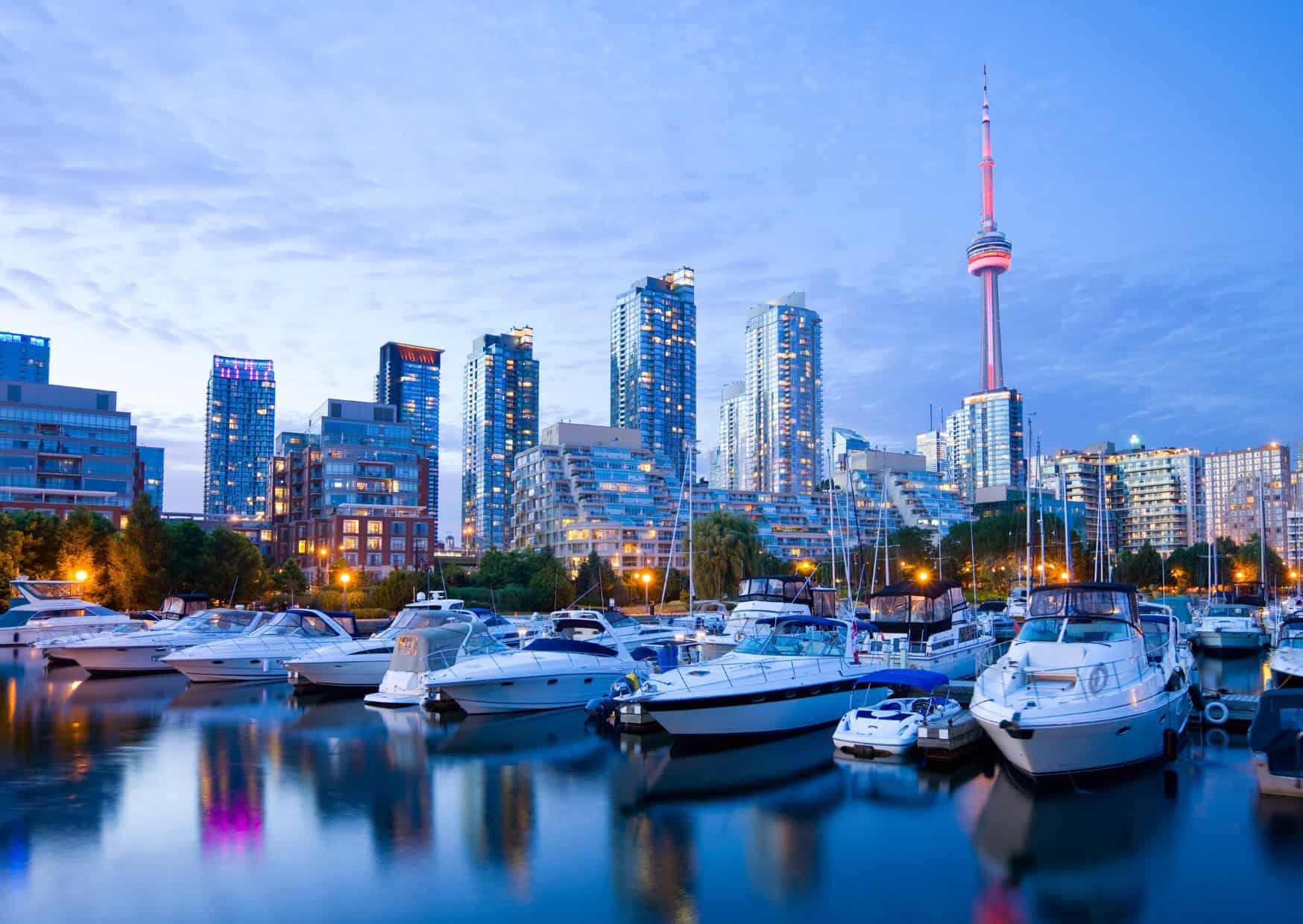
Canada, the second largest country in the world, is celebrated for more than just its vast wilderness and friendly “sorrys.” It consistently ranks as one of the happiest countries due to its diverse population, high standard of living, and the value it places on inclusivity.
1. Cultural Diversity: Canada’s multicultural policy embraces diversity and allows people from various backgrounds to retain their unique cultures while being part of the larger Canadian fabric. This cultural mosaic is a source of strength and happiness, providing a rich community life where all are welcome.
2. Natural Wonders: From the Rocky Mountains to the shores of Newfoundland, Canada’s stunning natural beauty offers endless opportunities for recreation and relaxation. Canadians have a deep appreciation for nature, and access to these natural spaces contributes significantly to their well-being.
3. Robust Health Care System: Canada provides universal health care to all its residents, which significantly reduces stress related to medical expenses. The peace of mind that comes from knowing health care needs will be met is a crucial factor in the happiness of Canadians.
4. Strong Social Support: Canada’s social policies, including excellent public education, unemployment insurance, and family-friendly work policies, support its citizens through all stages of life. This strong social safety net helps to reduce anxiety and increase life satisfaction.
5. Economic Stability: With a strong economy and a wealth of natural resources, Canada offers a high standard of living with ample job opportunities in various industries. Economic stability is key to providing opportunities for growth and development, enhancing the happiness of its residents.
6. Safety and Good Governance: Canadians trust their government and feel safe in their communities. The country’s good governance and low crime rates further enhance the quality of life and happiness of its people.
Canada exemplifies how diversity, natural beauty, and effective social policies can combine to create a happy and contented society. Whether you’re skiing in British Columbia, enjoying the vibrant cultural scenes of Toronto, or partaking in a community festival in Halifax, life in Canada is about enjoying a safe, stable, and satisfying lifestyle. This sense of security, combined with the freedom to be oneself, makes Canada a top contender for one of the happiest places to live.
9. Sweden
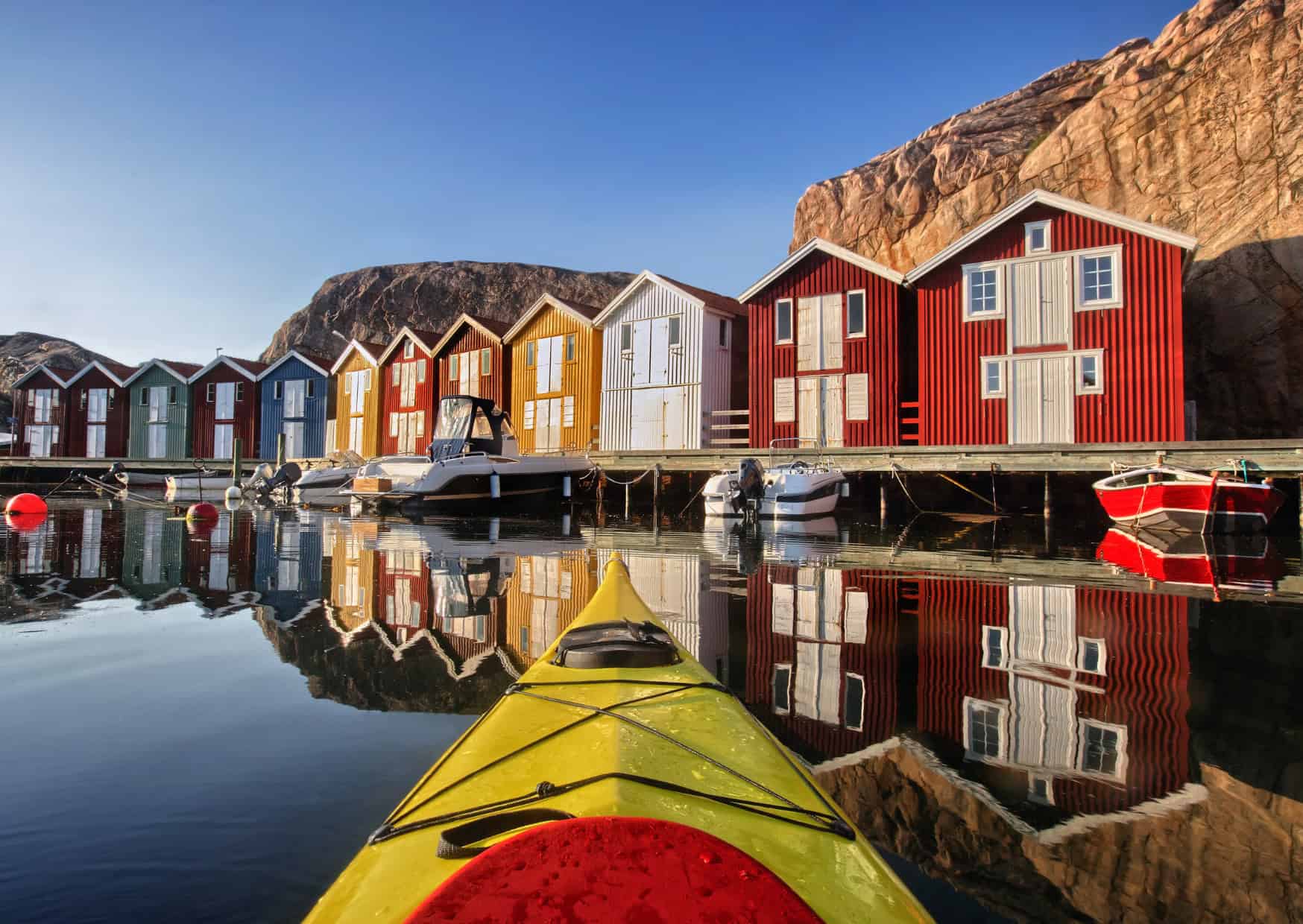
Sweden, known for its striking landscapes and innovative spirit, consistently ranks among the happiest countries in the world. Let’s explore what makes Swedes some of the most contented people on the planet.
1. Environmental Leadership: Swedes take pride in their commitment to sustainability and environmental care. Nearly half of Sweden’s energy comes from renewable sources, and the country aims to be carbon neutral by 2045. This deep respect for the environment contributes to a high quality of life and a strong sense of responsibility and pride among its citizens.
2. Work-Life Balance: Sweden is famous for its work-life balance. The standard workweek is often less than 40 hours, and employees enjoy generous vacation allowances and parental leave policies. This emphasis on life outside of work allows Swedes to enjoy family time, pursue hobbies, and relax, greatly enhancing their overall happiness.
3. Social Welfare: The Swedish welfare system is comprehensive, providing everything from healthcare and education to financial security for the elderly. This system reduces stress and anxiety about the future, allowing citizens to enjoy a secure and comfortable present.
4. Community and Equality: Sweden is a society that values equality and inclusivity, ranking highly in gender equality and LGBTQ+ rights. The equitable distribution of wealth and resources ensures that all citizens can lead fulfilling lives, contributing to a cohesive and happy community.
5. Cultural Richness: From vibrant city life in Stockholm to peaceful retreats in the countryside, Sweden offers a rich cultural tapestry that includes art, music, and history. This cultural diversity provides Swedes with endless opportunities for learning and entertainment.
Sweden’s blend of environmental stewardship, social welfare, and emphasis on work-life balance creates an ideal setting for happiness. The country’s commitment to sustainability and equality not only enhances the well-being of its residents but also serves as a model for other nations striving for happiness and health.
10. Australia

Australia’s reputation for friendliness, stunning natural landscapes, and a laid-back lifestyle makes it one of the happiest countries in the world. Here’s why life Down Under is synonymous with happiness:
1. Gorgeous Climate and Landscapes: From the beautiful beaches of the Gold Coast to the rugged Outback, Australia offers a variety of natural settings that promote an active and outdoorsy lifestyle. Australians take full advantage of their climate to enjoy a wide range of outdoor activities, which are key to their overall happiness.
2. Strong Economy: Australia has a strong and stable economy with opportunities in diverse sectors such as technology, education, and healthcare. This economic stability provides Australians with security and the means to enjoy a high standard of living.
3. Cultural Diversity: Australia is a melting pot of cultures, with a significant population of immigrants from around the world. This diversity is celebrated through various festivals, foods, and artistic expressions, enriching the social fabric and promoting a vibrant community life.
4. Healthcare and Education: Australians benefit from an excellent healthcare system and a high-quality education system, both of which are accessible and affordable. This accessibility helps ensure that all Australians can lead healthy, educated lives.
5. Social Coherence and Safety: Australia is known for its friendly people and safe cities. The sense of community and common courtesy found in Australian society helps foster social bonds and a feeling of security among residents.
Australia combines natural beauty with a robust economy and a strong sense of community, making it an ideal place for those seeking happiness and a high quality of life. Whether surfing at sunrise or enjoying a barbecue with friends, Australians know how to enjoy life and create a community where people can thrive.
What We Learned from the World’s Happiest Places
We’ve journeyed from Iceland’s northern lights to Canada’s vibrant cities and discovered that happiness isn’t just about beautiful places or rich economies. It’s about how people come together to build communities, how they ssupport each other, and rk with fun and family time. Each country we visited showed us different recipes for happiness, but they all had something in common: a focus on well-being and respect for nature and each other.
So, what can we take from this? Maybe it’s inspiration to find more balance in our lives, connect more with our community, or even protect our environment. Or perhaps it’s just to dream about visiting these happy places one day. Whatever your takeaway, remember that happiness is everywhere, in every corner of the world, in many different forms. Where will you find your happy place?

About the Author: Ruben, co-founder of Gamintraveler.com since 2014, is a seasoned traveler from Spain who has explored over 100 countries since 2009. Known for his extensive travel adventures across South America, Europe, the US, Australia, New Zealand, Asia, and Africa, Ruben combines his passion for adventurous yet sustainable living with his love for cycling, highlighted by his remarkable 5-month bicycle journey from Spain to Norway. He currently resides in Spain, where he continues sharing his travel experiences with his partner, Rachel, and their son, Han.