
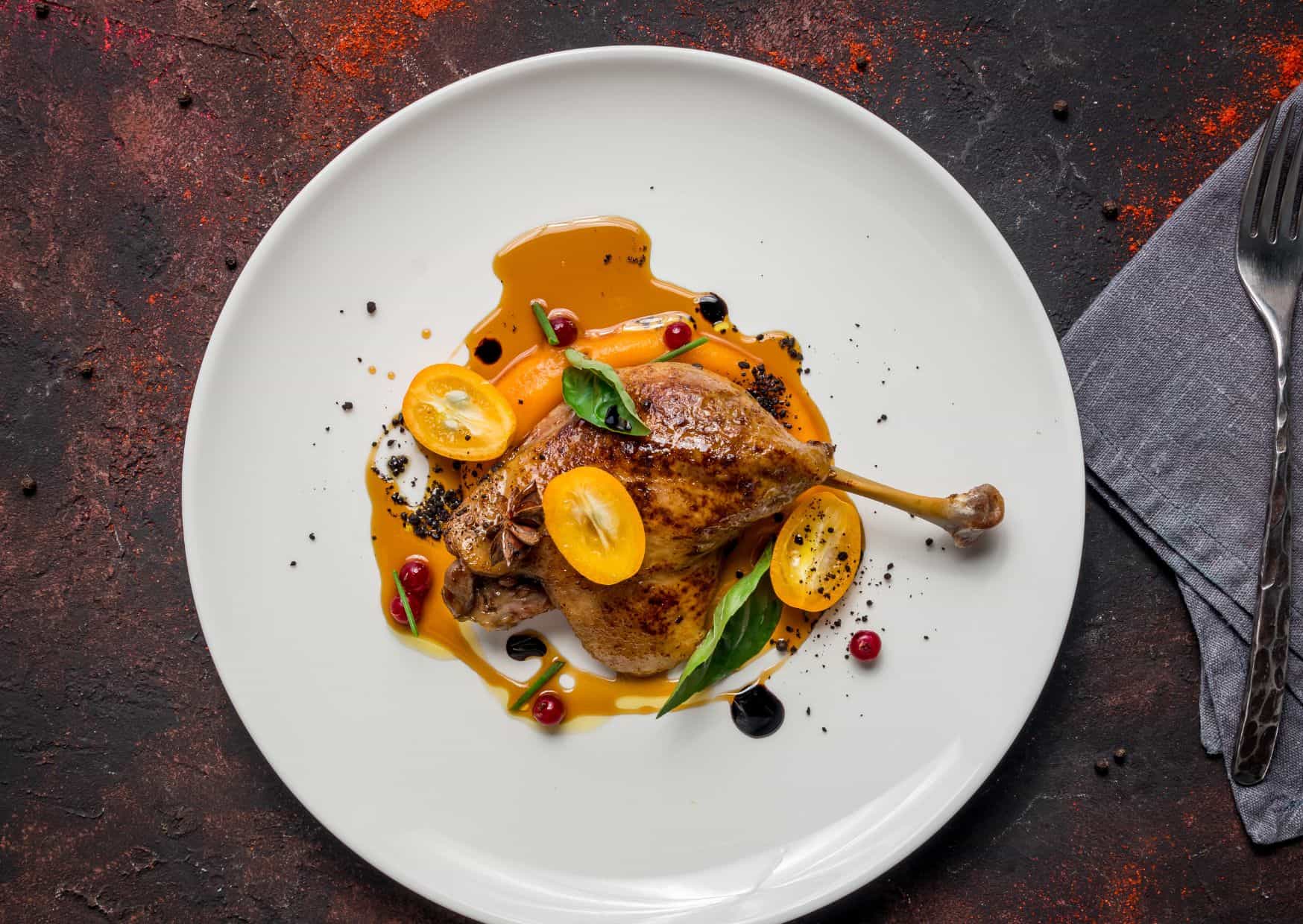
Duck confit is one of the most celebrated dishes in French cuisine, known for its tender, flavourful meat and crisp, golden skin. This traditional recipe involves curing duck legs with salt and herbs before slowly cooking them in their own fat until meltingly tender. Originally a preservation method in Gascony, duck confit has become a gourmet staple in French bistros worldwide. In this recipe guide, you’ll learn how to make authentic duck confit at home for a luxurious dining experience without leaving your kitchen.
What makes duck confit so special is the combination of its rich flavours and melt-in-your-mouth texture. The curing process infuses the duck with aromatic herbs like thyme and garlic, while slow cooking renders the fat, keeping the meat moist and enhancing its depth of flavour. While the recipe requires patience, it is surprisingly simple and yields restaurant-quality results that impress at any dinner table.
Whether you’re planning a French-inspired dinner party or want to challenge yourself with a traditional recipe, duck confit is the perfect dish to elevate your cooking repertoire. Serve it with simple, rustic sides to let its flavours shine and bring a touch of French culinary tradition to your home.
Read here best French Food, vegetarian food in France, France and Switzerland 14 Days Itinerary and Classic French Breakfast
BOOK YOUR TRAVEL INSURANCE
Two of our favorite travel insurance: Heymondo Vs Safetwing cheapest travel Insurance. You can get for $135 USD your Heymondo Travel Insurance with Heymondo discount code valid for 90 days. Read our full comparison of Genki vs Safetywing Travel Insurance Review and the comparison Heymondo vs Genki
How to Eat Duck Confit
Duck confit is a dish meant to be savored slowly, not rushed. Traditionally, the duck leg is crisped in a hot pan after being gently cooked in its own fat, then served with something starchy to balance its richness—think roasted potatoes or creamy polenta. To fully appreciate its depth, pair it with a tart salad or lightly pickled vegetables to cut through the intense flavor. Duck confit is not just a meal; it’s a ritual that demands mindfulness, inviting you to appreciate centuries of culinary tradition in every bite.
How to Partner Duck Confit
The dish pairs beautifully with earthy, full-bodied red wines such as Pinot Noir or Bordeaux, which complement the fat and intensity of the duck without overpowering it. On the side, opt for simple accompaniments: roasted root vegetables, a crusty baguette, or garlicky greens. These allow the duck to remain the centerpiece. The key to partnering duck confit is restraint—each element on the plate should enhance, not compete with, the delicate balance of salt, fat, and umami flavors that make this dish legendary.
Duck confit is often marketed as a sophisticated luxury, but in reality, it originated as peasant food—a way to preserve meat before refrigeration. The romanticization of duck confit in modern restaurants often obscures its humble roots, turning it into an overpriced delicacy that few dare to cook at home. This raises the question: are we celebrating tradition or commodifying it for profit?
There’s also controversy around its preparation. True duck confit requires curing the meat in salt and herbs, then slow-cooking it entirely in duck fat. Many home cooks and restaurants take shortcuts, using oil or pre-rendered fat, diluting the authenticity of the dish. This divide between tradition and convenience sparks debates over whether innovation enhances or erases cultural heritage.
Animal ethics add another layer of complexity. Duck confit involves using every part of the duck, a practice rooted in sustainability. Yet, industrial farming often undermines these values, raising concerns about animal welfare. Enjoying this dish ethically means considering not just the recipe, but the source of your ingredients—a reality many choose to ignore.
How to Make Duck Confit
Duck Confit Recipe Ingredients
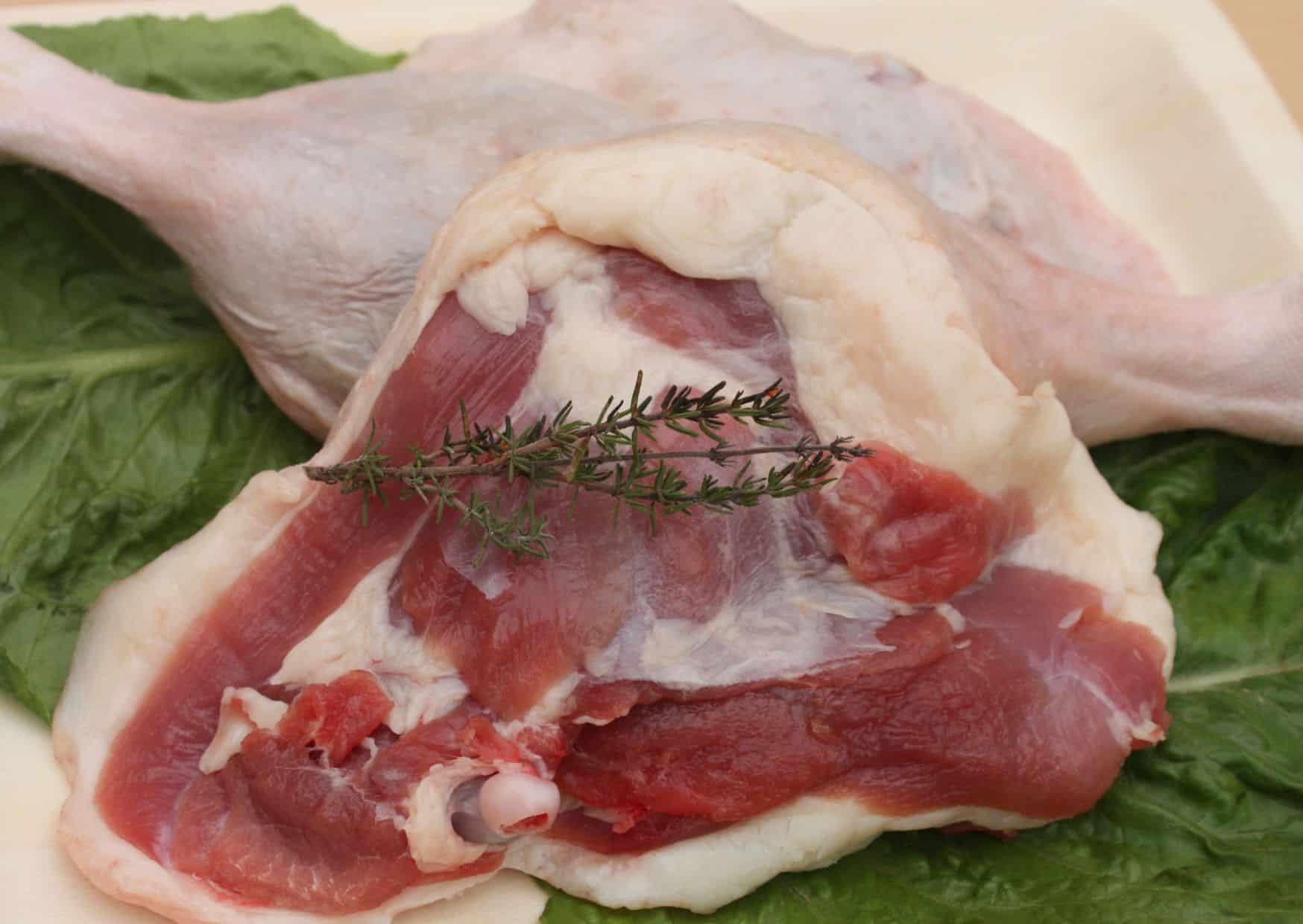
4 duck legs (with thighs attached)
1/4 cup kosher salt
4 cloves garlic, minced
2-3 sprigs fresh thyme
2 bay leaves, torn into pieces
1 teaspoon black peppercorns, crushed
4 cups duck fat (or a combination of duck fat and olive oil)
Optional: Zest of 1 orange (for a citrusy flavor)
Freshly ground black pepper, to taste
Get the best deals for your home and kitchen needs
Step By Step How to Make Duck Confit
Prepare and Cure the Duck Legs
Rinse the duck legs and pat them dry with paper towels. In a small bowl, mix the kosher salt, minced garlic, thyme leaves, bay leaves, crushed peppercorns, and orange zest (if using).
Rub the salt mixture evenly over the duck legs, making sure to coat both sides. Place the legs in a single layer in a shallow dish, cover with plastic wrap, and refrigerate for at least 24 hours, preferably up to 48 hours. This curing process helps to season the duck and remove excess moisture, which enhances the flavor.
Cook the Duck Confit
Preheat your oven to 225°F (105°C). After curing, remove the duck legs from the refrigerator. Rinse off the excess salt and seasonings under cold water, then pat the legs dry with paper towels.
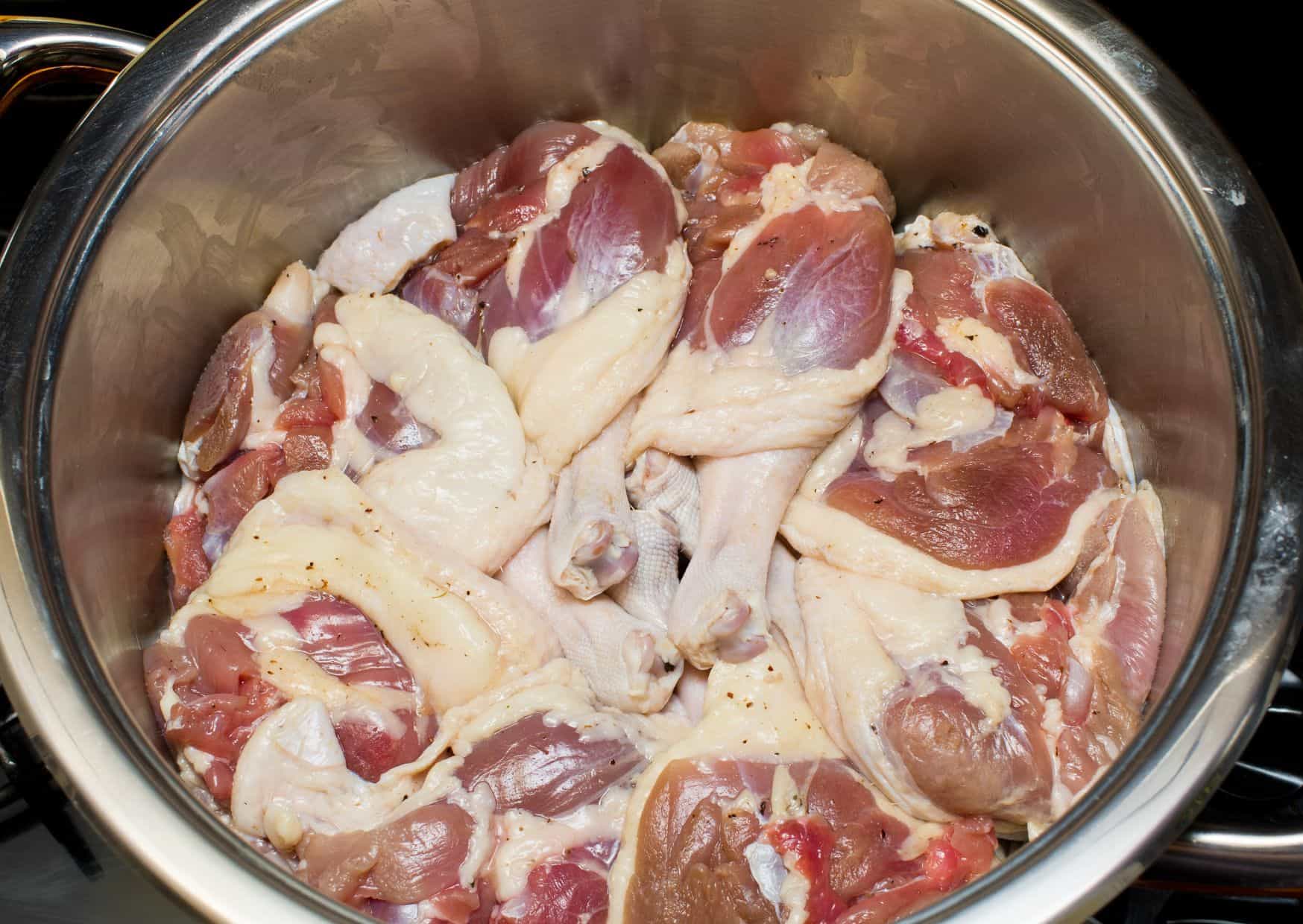
Place the duck legs in a deep, oven-safe dish or Dutch oven. Pour the duck fat (or a combination of duck fat and olive oil) over the legs, making sure they are fully submerged. If necessary, melt the fat beforehand.
Slow-Cook in the Oven
Cover the dish with a lid or aluminum foil and place it in the preheated oven. Cook for about 2 1/2 to 3 hours, or until the duck meat is tender and easily pulls away from the bone.
Finish and Serve
Carefully remove the duck legs from the fat using tongs. Let any excess fat drip off and place the legs on a wire rack to cool slightly.
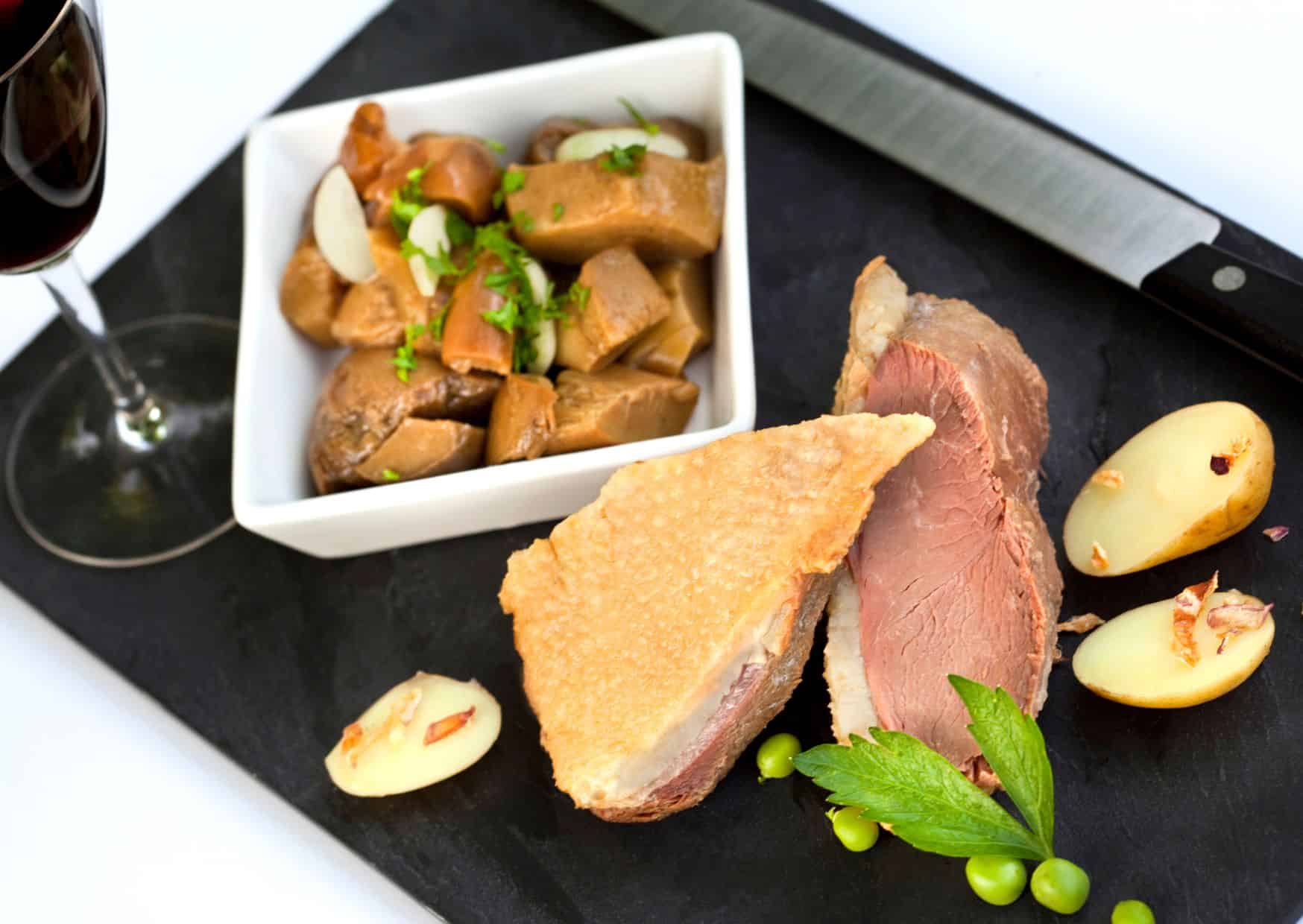
For a crispy finish, heat a non-stick skillet over medium-high heat. Place the duck legs skin-side down in the skillet and cook for 3-5 minutes, until the skin is golden and crispy.
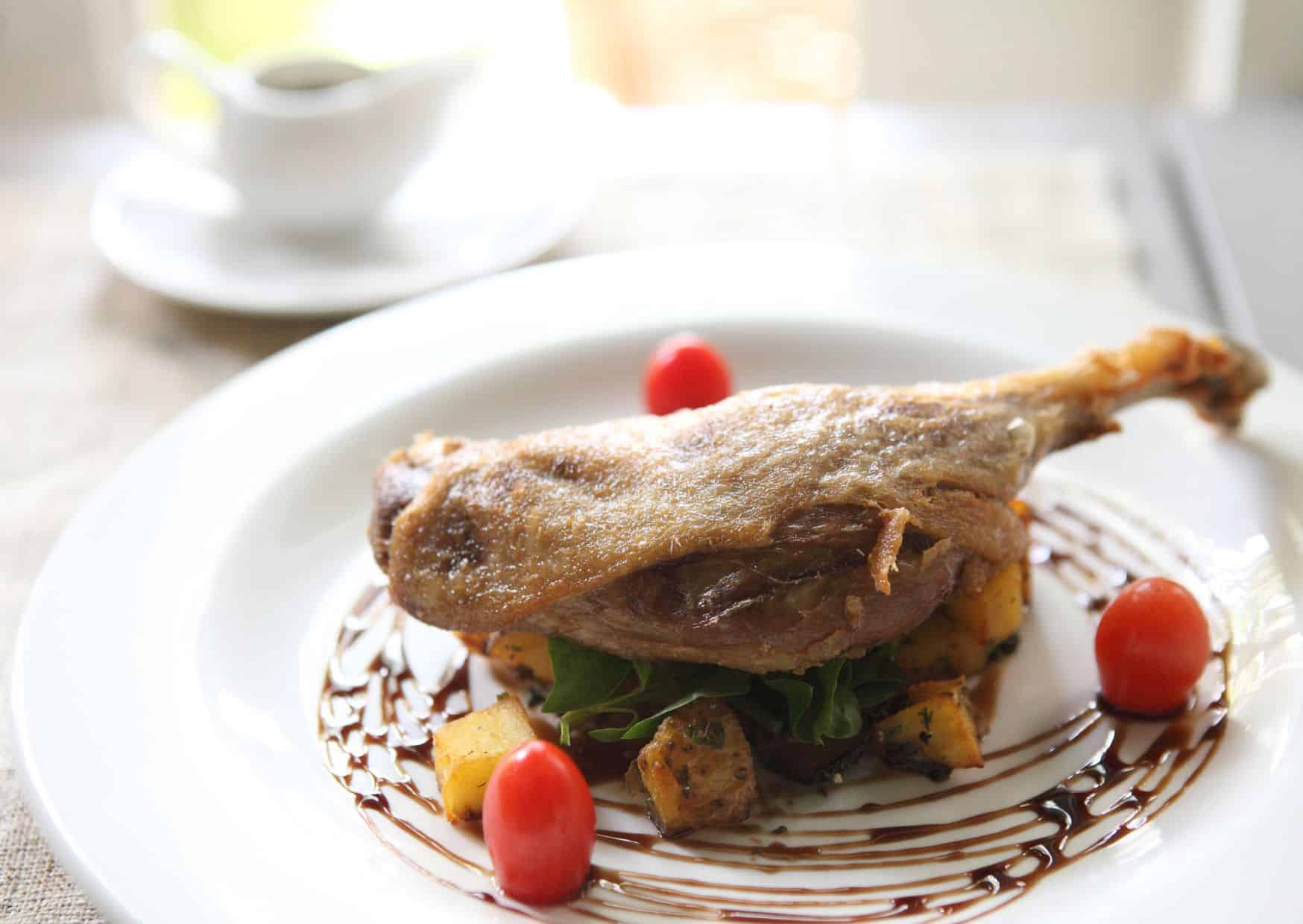
Serve the Duck Confit hot, accompanied by your choice of sides. It pairs beautifully with roasted potatoes, a fresh green salad, or braised vegetables.
Tips To Make Duck Confit
Duck Confit can be stored in the refrigerator for up to a month. After cooking, place the cooled duck legs back in the fat and store them in an airtight container, making sure the legs are completely submerged in fat.
Duck fat is essential for making authentic Duck Confit. If you don’t have enough duck fat, you can supplement it with olive oil, but the flavor may be slightly different. You can find duck fat at specialty food stores or online.
Duck Confit is often served with sides that balance its richness, such as a simple salad with vinaigrette, sautéed greens, or lentils. The crispy skin and tender meat make it a versatile dish that can be paired with many different flavors.
If storing for later use, reheat the Duck Confit in a 375°F (190°C) oven for about 15-20 minutes, until heated through and the skin is crispy.
How Many Calories Have Duck Confit
Calories Per Serving: Approximately 350-450 calories per duck leg (depending on size and preparation)
Breakdown:
Duck Leg: ~250-300 calories per leg
Duck Fat (absorbed during cooking): ~100-150 calories per serving
Optional Ingredients (garlic, thyme, pepper): Minimal additional calories
Origin and History
Duck confit was born out of necessity in southwest France, particularly in regions like Gascony, where preserving meat was essential long before refrigeration. Farmers relied on salting and slow-cooking duck in its own fat to extend its shelf life through the colder months. What began as preservation slowly became tradition.
The word confit comes from the French verb confire, meaning to preserve. This method was not limited to duck, but duck became the most celebrated example due to its rich fat content and availability. Over time, the dish moved from farmhouse staple to regional pride.
As French cuisine evolved, duck confit found its place in more refined settings. Chefs recognized that the same method that preserved meat also produced extraordinary texture. The long, gentle cooking rendered the duck tender while concentrating flavor.
Today, duck confit remains a symbol of French culinary patience. Despite modern conveniences, the technique has changed little, reinforcing its reputation as a timeless approach rather than a passing trend.
One common misconception is that duck confit is simply roasted duck. In reality, the technique is entirely different. Roasting uses dry heat, while confit relies on low-temperature fat immersion to slowly transform the meat.
Another controversy involves health perception. Because the dish is cooked in fat, it is often labeled indulgent or excessive. This overlooks portion size and the fact that the fat plays a functional role, not a decorative one.
There is also debate about shortcuts. Some modern recipes attempt to accelerate the process with higher heat or reduced fat. While these versions may resemble confit, they lack the texture and depth achieved through traditional methods.
Finally, many believe confit is inaccessible to home cooks. In truth, the method is straightforward. What it demands is time and respect for technique rather than specialized skill.
How Long You Take to Prepare
Duck confit begins with curing, which takes at least a day. The duck legs are salted and left to rest, allowing seasoning to penetrate deeply and draw out excess moisture. This step cannot be rushed without compromising flavor.
The cooking phase is slow and deliberate. Duck legs are submerged in fat and cooked gently for several hours at a low temperature. This gradual process breaks down connective tissue without drying the meat.
After cooking, the duck can be stored under fat for extended periods, improving flavor over time. This makes confit unique among dishes, as preparation and consumption are not bound to the same day.
While the active cooking time is minimal, the overall process spans multiple days. This extended timeline is essential to achieving the signature tenderness and richness.
Serving Suggestions
Duck confit is traditionally served with simple accompaniments that balance its richness. Potatoes cooked in duck fat are a classic pairing, echoing the flavors of the dish without competition.
A crisp salad or lightly dressed greens provide contrast, cutting through the richness and refreshing the palate. Acidity plays an important role in maintaining balance.
The duck is often crisped briefly before serving, creating a contrast between tender meat and golden skin. This final step enhances texture without altering the core preparation.
Duck confit works equally well as a centerpiece or as part of a composed dish. Its versatility allows it to be served in traditional or modern presentations.
Final Thoughts
Duck confit is a paradox: a luxurious dish born from necessity, a symbol of French culinary excellence that also reflects economic hardship and resourcefulness. Understanding its history allows us to enjoy it more deeply and respect its significance beyond the plate.
Cooking authentic duck confit at home is a rewarding challenge, one that reconnects you to a slower, more intentional form of cooking. From salting the meat overnight to rendering the fat, every step is an act of patience and reverence for tradition.
In the end, whether you follow the old ways or modernize the method, the dish’s essence remains: transforming humble ingredients into something extraordinary. By approaching duck confit with curiosity and respect, you’re not just making dinner you’re preserving a piece of culinary history.

About the Author: Ruben, co-founder of Gamintraveler.com since 2014, is a seasoned traveler from Spain who has explored over 100 countries since 2009. Known for his extensive travel adventures across South America, Europe, the US, Australia, New Zealand, Asia, and Africa, Ruben combines his passion for adventurous yet sustainable living with his love for cycling, highlighted by his remarkable 5-month bicycle journey from Spain to Norway. He currently resides in Spain, where he continues sharing his travel experiences with his partner, Rachel, and their son, Han.