
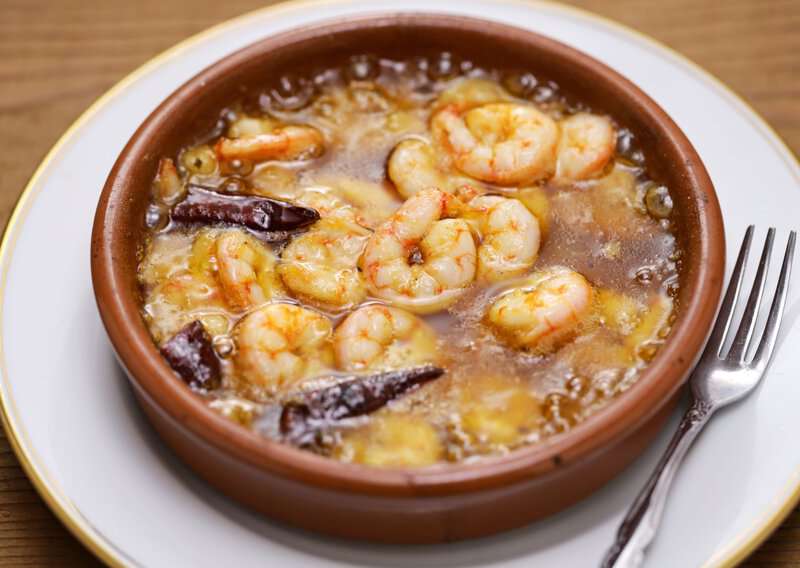
Our full recipe guide on how to make Gambas al Ajillo one of the most popular tapas in Spain. Apart from Spanish Omelette and the paella, the Gambas al Ajillo is less complicated to cook.
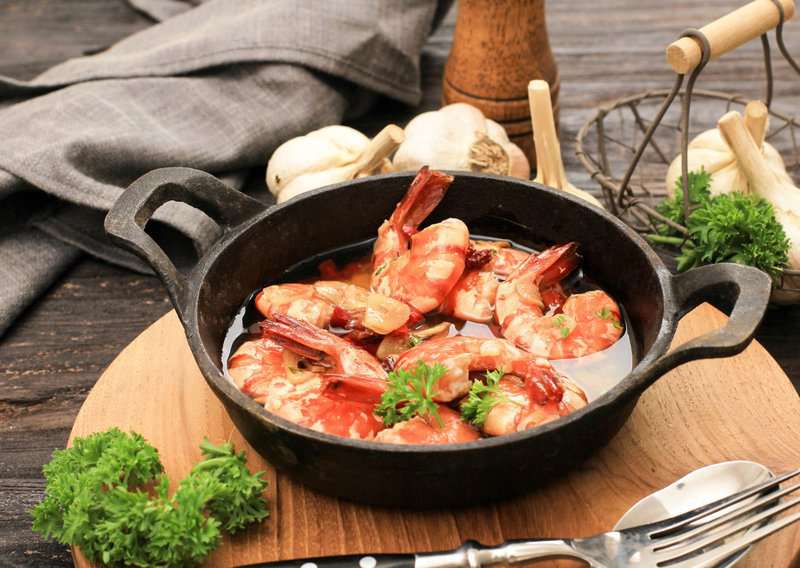
Gambas al Ajillo, or garlic shrimp, is one of the most beloved and recognizable tapas in Spanish cuisine. Found in nearly every corner of Spain from bustling Madrid tapas bars to coastal villages in Andalusia this simple yet flavorful dish captures the essence of Spanish cooking: fresh ingredients, bold taste, and communal enjoyment. At its heart, Gambas al Ajillo is a sizzling combination of shrimp, olive oil, garlic, and chili, served piping hot, often in the same dish it was cooked in.
What makes Gambas al Ajillo so special isn’t just the taste it’s the experience. The sound of sizzling garlic in hot oil, the aroma wafting through a crowded bar, and the satisfying dip of crusty bread into the spiced oil all play a part. The dish is quick to prepare but leaves a lasting impression, making it a go-to choice for anyone looking to bring a little Spanish magic into their kitchen. It reflects the Spanish love for shared meals, where simple dishes can turn into vibrant social moments.
Though traditionally served as a tapa, this dish is versatile enough to fit into many dining occasions. Its quick cook time and stunning presentation make it ideal for dinner parties, weeknight meals, or festive gatherings. Best of all, you don’t need a long list of ingredients or expert-level skills to master it just a passion for bold flavors and good company.
The best Spanish food to try, Breakfast in Spain, and vegetarian food in Spain
BOOK YOUR TRAVEL INSURANCE
Two of our favorite travel insurance: Heymondo Vs Safetwing cheapest travel Insurance. You can get for $135 USD your Heymondo Travel Insurance with Heymondo discount code valid for 90 days. Read our full comparison of Genki vs Safetywing Travel Insurance Review and the comparison Heymondo vs Genki
Best Time to Eat & How to Partner It
Gambas al Ajillo is best served as an appetizer or light dinner, particularly in the early evening as part of a tapas spread. In Spain, it’s a favorite at vermouth hour or as a starter before the main meal, usually around 8 or 9 p.m. when locals start to gather for leisurely dining.
To round out the dish, serve it with warm, crusty bread to soak up the flavorful oil. It also pairs beautifully with other classic tapas like patatas bravas, Spanish olives, or a simple tomato and manchego salad. For drinks, a crisp white wine like Albariño or a dry fino sherry complements the garlicky richness of the shrimp. If you’re feeling festive, a cold glass of sangria or Spanish cider adds a refreshing contrast to the warm, spicy dish.
Gambas al ajillo should be eaten the moment it arrives. Waiting allows the shrimp to overcook in the hot oil and dulls the aroma. In Spain, the dish is treated as a now-or-never experience.
Shrimp are eaten first, usually with small forks or toothpicks, while the oil is still bubbling. This preserves their tenderness and keeps the focus on their natural sweetness rather than the garlic.
Once the shrimp are gone, the dish is not finished. Bread is used to soak up the remaining oil, which many consider the most valuable part of the plate. Leaving oil behind is seen as a missed opportunity.
Gambas al ajillo is rarely eaten alone. It is designed to fit into a sequence of tapas, not dominate the table. Pairing it with lighter dishes prevents garlic and oil from overwhelming the meal.
Simple, crisp accompaniments work best. Fresh salads, olives, or grilled vegetables provide contrast without competing for attention. Heavy sauces or rich meats tend to clash with the dish’s intensity.
For drinks, Spaniards favor dryness and refreshment. A chilled white wine, sparkling cava, or cold beer cuts through the oil and resets the palate for the next bite.
How to Make Gambas al Ajillo
Gambas al Ajillo Recipe Ingredients
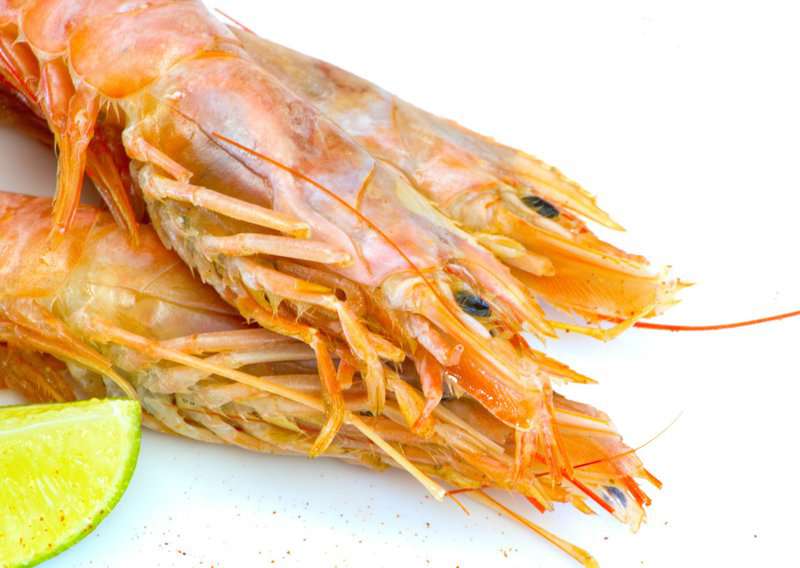
1 pound (450g) of raw shrimp, peeled and deveined (tails left on for presentation, if desired)
4-5 cloves garlic, thinly sliced or minced
1/2 cup olive oil
1-2 small dried chilies, crushed (or 1/2 teaspoon of red pepper flakes for heat)
1/4 cup dry sherry or white wine (optional)
Salt to taste
Fresh parsley, finely chopped, for garnish
1 lemon, cut into wedges for serving
Get the best deals for your home and kitchen needs
Step By Step How to Make Gambas al Ajillo
- Prepare the Shrimp
Ensure the shrimp are thoroughly cleaned, peeled, and deveined. Pat them dry with paper towels to remove excess moisture. This step is crucial for getting a nice sear on the shrimp.
- Cook the Garlic
In a large skillet, heat the olive oil over medium heat. Add the sliced or minced garlic and the crushed dried chilies or red pepper flakes. Sauté until the garlic is just golden – be careful not to let it burn as that can give a bitter taste.
- Add the Shrimp
Increase the heat to medium-high and add the shrimp to the pan in a single layer. Sprinkle with salt.
Cook for about 1-2 minutes on each side or until the shrimp turn pink and are just cooked through. Avoid overcooking to keep the shrimp tender.
- Deglaze the Pan
Pour in the dry sherry or white wine, if using, and let it simmer for a minute to allow the alcohol to evaporate. This step also lifts the fond (browned bits) from the bottom of the pan, adding more flavor to the sauce.
- Serve
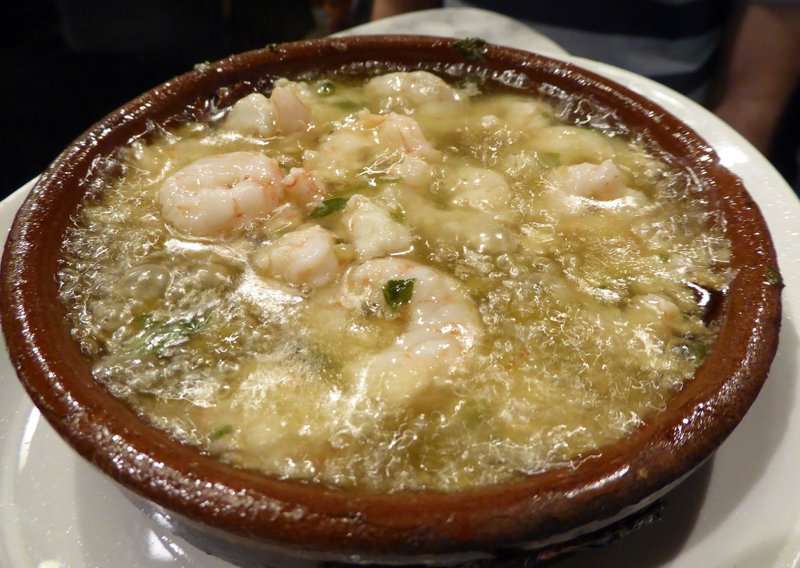
Immediately transfer the shrimp and garlic oil to a warm plate or serve right in the skillet if it’s suitable for table presentation. Garnish with chopped fresh parsley and serve with lemon wedges on the side.
Gambas al Ajillo is best enjoyed freshly cooked and hot. Serve with crusty bread to sop up the delicious garlic-infused olive oil.
Tips For Making Gambas al Ajillo
For the best flavor, use fresh shrimp if possible. However, frozen shrimp can also work well; just make sure they are fully thawed and patted dry.
Adjust the amount of garlic to your taste. More garlic will deliver a stronger flavor, which is traditional in this dish. Control the spiciness by adjusting the amount of dried chilies or red pepper flakes according to your preference.
How Many Calories Have Gambas al Ajillo
Shrimp (1 pound or 450g): Raw shrimp is about 30 calories per ounce, so for one pound, you’re looking at approximately 480 calories.
Olive Oil (1/2 cup): Olive oil has about 120 calories per tablespoon. With 8 tablespoons in half a cup, that totals 960 calories.
Garlic (4-5 cloves): A clove of garlic has about 4 to 5 calories, so this adds minimal calories, around 20 calories for 5 cloves.
Dry Sherry or White Wine (1/4 cup): This can add around 50 calories, depending on the exact type and alcohol content.
Gambas al Ajillo would be around 377 calories and if you add a slice of bread can range from 80 to 120 calories extra.
Origin and History
Gambas al ajillo has its roots in Spain’s taverns and coastal kitchens, where seafood was cooked quickly and served immediately. The dish emerged as a practical way to showcase fresh shrimp using ingredients that were always on hand: olive oil, garlic, and chili. It was never intended to be elaborate, only unforgettable.
Although commonly associated with southern Spain, gambas al ajillo became especially popular in Madrid’s taverns. Inland cooks relied on high-quality imported seafood and leaned on bold aromatics to compensate for distance from the sea. The sizzling presentation turned the dish into a sensory experience.
Historically, gambas al ajillo was served in small clay dishes designed to retain heat. This allowed the shrimp to continue cooking slightly after leaving the flame, intensifying aroma and flavor at the table. The sound and smell became part of its identity.
Over time, the dish spread across Spain and beyond. Despite its popularity, the core formula has remained largely unchanged, proving that its appeal lies in technique and timing rather than reinvention.
One of the biggest misconceptions is that gambas al ajillo is simply shrimp sautéed in garlic. In reality, the dish depends on precise heat control. Garlic must infuse the oil without browning, and shrimp must cook just until tender.
Another controversy surrounds ingredient additions. Many versions include wine, lemon, or herbs, which can overshadow the shrimp’s natural sweetness. Traditionalists argue that these extras distract from the dish’s purpose.
There is also disagreement about oil quantity. Outside Spain, the dish is often made with too little oil, turning it into a dry sauté. Authentic gambas al ajillo relies on generous olive oil to carry flavor and create the iconic sizzling effect.
Perhaps the most misunderstood aspect is speed. The dish is quick, but not careless. Treating it as a rushed appetizer often leads to rubbery shrimp and bitter garlic.
How Long You Take to Prepare
Preparation for gambas al ajillo is minimal but important. Shrimp should be peeled and dried thoroughly to ensure proper cooking. Garlic is sliced, not minced, to release flavor gradually.
The cooking itself takes only minutes. Olive oil is gently heated with garlic and chili until aromatic, then shrimp are added and cooked just until opaque. Timing is critical, as even seconds can change texture.
From start to finish, the dish can be completed in under 15 minutes. This speed reflects its origins as a tavern dish meant to be cooked and eaten immediately.
Despite its short cooking time, attention is required throughout. The dish offers no margin for distraction, making focus the true time investment.
Serving Suggestions
Gambas al ajillo is served straight from the heat, often in the same dish it was cooked in. The oil should still be bubbling when it reaches the table, releasing aroma instantly.
Crusty bread is essential. It is not an optional side but a key component, used to soak up the infused oil once the shrimp are gone.
The dish is typically served as a tapa, meant to be shared. Portions are small, encouraging repeated orders rather than a single large serving.
Simple accompaniments work best. A glass of dry white wine or crisp beer complements the richness without competing for attention.
Final Thoughts
Gambas al ajillo endures because it delivers maximum impact with minimal effort. Its success depends on restraint, not innovation.
Understanding the dish’s history explains why shortcuts and additions often fail. Each element exists for a reason, and removing or replacing them disrupts balance.
Making gambas al ajillo at home reveals how technique outweighs complexity. When done correctly, it feels indulgent without being heavy.
Ultimately, gambas al ajillo proves that the most irresistible dishes are often the simplest. Its lasting popularity is rooted in respect for ingredients, timing, and tradition.

About the Author: Ruben, co-founder of Gamintraveler.com since 2014, is a seasoned traveler from Spain who has explored over 100 countries since 2009. Known for his extensive travel adventures across South America, Europe, the US, Australia, New Zealand, Asia, and Africa, Ruben combines his passion for adventurous yet sustainable living with his love for cycling, highlighted by his remarkable 5-month bicycle journey from Spain to Norway. He currently resides in Spain, where he continues sharing his travel experiences with his partner, Rachel, and their son, Han.