
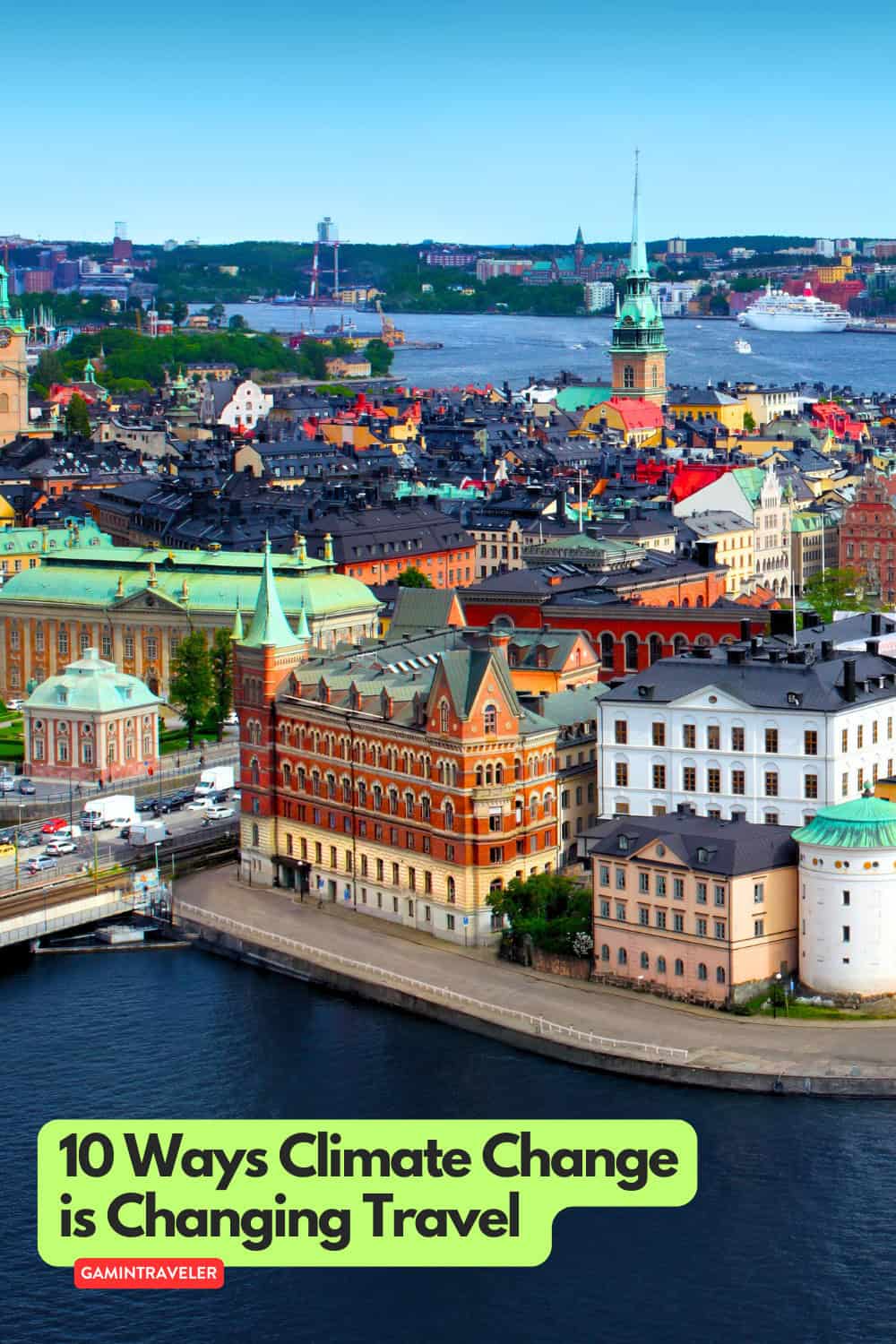
Have you noticed how the weather seems a bit wilder these days? Whether it’s hotter summers, more intense storms, or unpredictable snowfalls, the weather is definitely shaking things up, especially when it comes to travel. This isn’t just about needing an extra sunscreen bottle or packing a heavier jacket; it’s about big changes that could affect where and when you travel.
From lounging on tropical beaches to trekking through frosty mountains, the places we love to visit are feeling the heat (and the cold, and the storms!). As the planet’s climate changes, so do our vacation plans. We’re seeing hurricanes that come out of nowhere, heatwaves that won’t quit, and ski trips that are more slush than snow. These shifts are pushing us to rethink our favorite travel spots and the best times to visit them.
In this guide, we’ll walk you through ten big ways that the changing weather is messing with travel plans around the world. We’ll show you what’s happening, what it means for your next holiday, and how you can stay ahead of the game by making smart, aware choices. Ready to find out how to keep your travel plans exciting and safe in a changing climate? Let’s dive in!
More Reads:
– Travel Insurance that is Perfect for Every Holiday
– European Countries with Digital Nomad Visas: Your Guide to Remote Work Abroad
– 6 Essentials to Pack for Europe
– Best eSIM for Europe Comparison – How to Buy the Best European eSims (Discount Code)
1. Increased Flight Delays and Cancellations – Ways Climate Change is Changing Travel
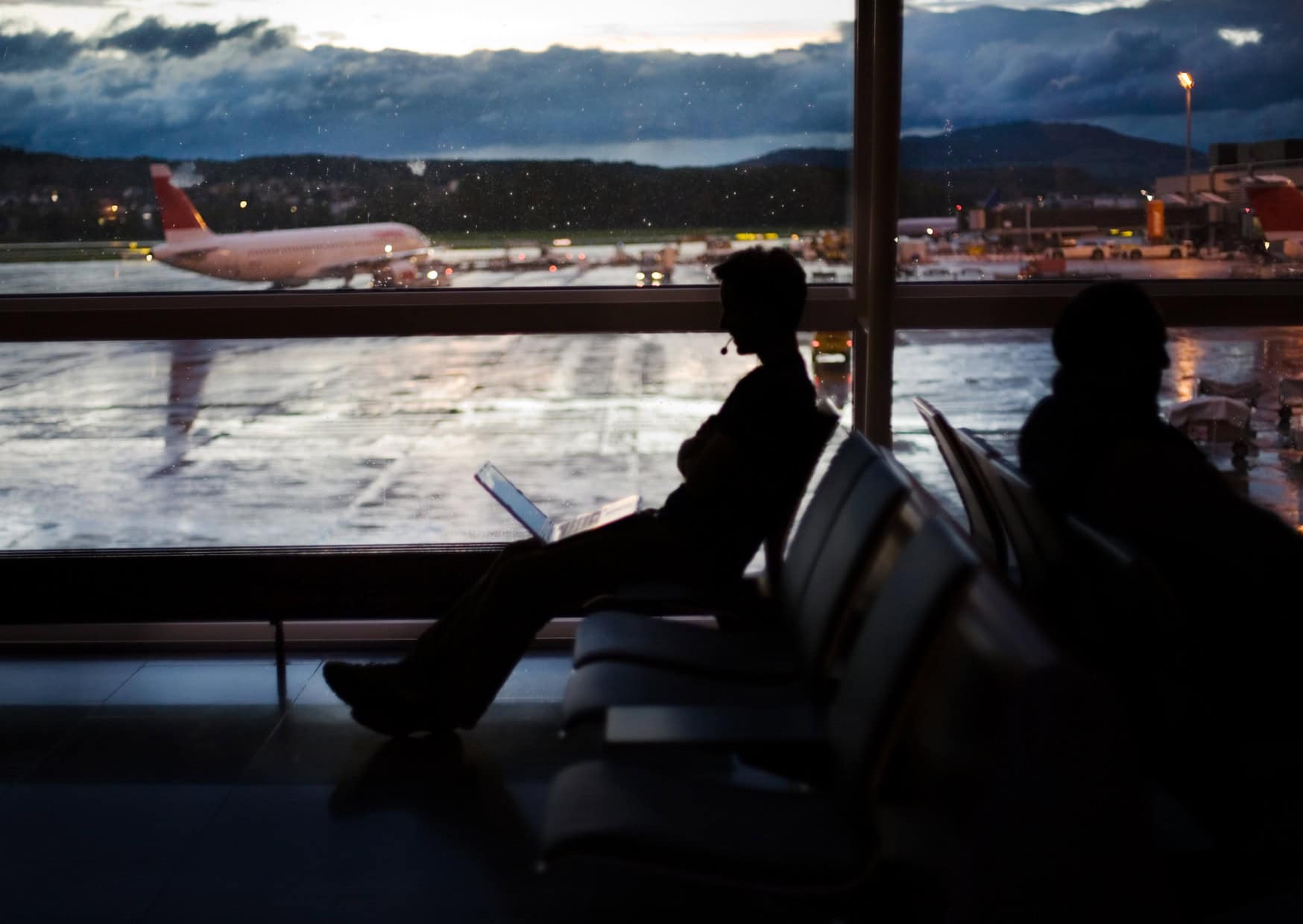
Traveling by air isn’t what it used to be. Thanks to more unpredictable weather patterns, what was once a minor inconvenience is now a major concern for many travelers. Storms that come out of nowhere can quickly turn a well-planned itinerary into a series of frustrating delays and cancellations.
What’s Happening: Airports like those in Florida, USA, and other hurricane-prone regions are seeing an increase in weather-related disruptions. These aren’t just small storms; we’re talking about major weather events that can shut down airports and cancel flights for days.
Impact on Your Travel:
- Sudden Changes: You might find yourself stuck at an airport longer than expected, or having to reschedule your entire trip because of a canceled flight.
- Planning Challenges: It’s getting harder to plan around the weather, especially if you’re traveling to or from regions known for extreme conditions.
Travel Tips:
- Travel Insurance: It’s more important than ever to buy travel insurance that covers flight cancellations and delays. Make sure you understand what’s covered.
- Stay Informed: Keep an eye on the weather reports in the days leading up to your flight. Apps and airline notifications can give you real-time updates.
- Plan for Delays: Always have a backup plan for accommodations and activities, just in case your flight is delayed or canceled.
Positive Steps: Airlines and airports are getting better at managing these disruptions, with more flexible rebooking options and better communication to keep travelers informed. By staying flexible and prepared, you can keep your travel plans smooth even when the weather isn’t.
2. Shift in Peak Travel Seasons
Ever noticed how the usual travel seasons are stretching out or shifting entirely? Climate change is mixing up the best times to visit some of our favorite spots, and savvy travelers need to keep up.
What’s Happening: Places like Greece and Spain, once hotspots for summer vacations, are seeing warmer temperatures linger well into the fall. This means you can enjoy a beach holiday without the peak summer crowds. On the flip side, traditionally snowy destinations are experiencing shorter winter seasons, affecting when you might plan that ski trip.
Impact on Your Travel:
- Longer Warm Seasons: Destinations known for their sunny weather are accessible for sunbathing and swimming much later in the year.
- Shortened Ski Seasons: If you’re looking to hit the slopes, you might have to check the snow reports more carefully or book your ski holidays earlier in the season.
Travel Tips:
- Flexible Booking: Look for flexible booking options so you can adjust your travel plans based on the latest weather conditions.
- Off-Peak Travel: Consider traveling during shoulder seasons—just after the traditional tourist periods. You’ll likely find fewer tourists and better deals.
- Keep Updated: Subscribe to weather and travel newsletters for your destination to stay informed about the best times to visit.
Positive Steps: Tourism boards and local businesses are adapting to these changes by extending their seasons and offering off-peak deals to attract travelers year-round. This flexibility not only helps with crowd control but also promotes a more sustainable tourism model by spreading economic benefits throughout the year.
This section highlights how shifting weather patterns are affecting traditional travel seasons, offering tips on how to adapt and make the most of these changes.
3. Emergence of New Destinations
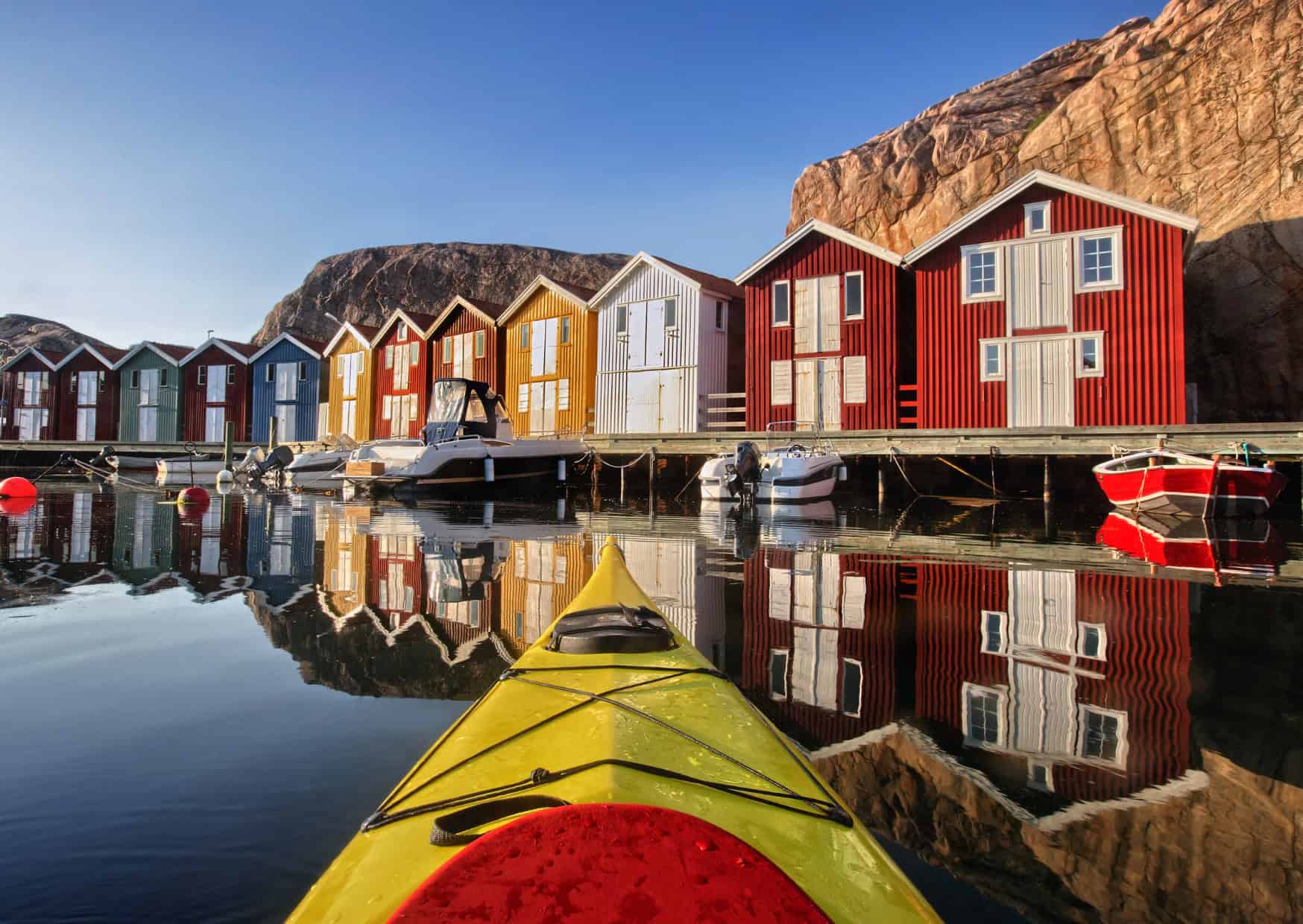
As traditional hotspots endure the brunt of climate change, such as unbearable heatwaves or overcrowded seasons, new, cooler destinations are emerging on the travel radar. These less explored spots are becoming the go-to for those looking to escape the extremes.
What’s Happening: Places like Canada and Scandinavia, known for their cooler climates, are seeing a surge in tourism as travelers seek refuge from the scorching heat found in more traditional destinations during the summer months. These regions offer respite with their mild temperatures and unique landscapes, making them increasingly popular.
Impact on Your Travel:
- New Adventures: Exploring these cooler destinations can offer fresh experiences, from the fjords of Norway to the forests of British Columbia.
- Escape from the Heat: As southern locales become too hot during traditional vacation months, northern destinations provide a comfortable alternative.
Travel Tips:
- Research New Spots: Look into less-traveled destinations that might offer cooler weather and unique experiences.
- Plan for Different Weather: Even if you’re escaping the heat, remember that these cooler places can have unpredictable weather, so pack accordingly.
- Take Advantage of Promotions: Tourism operators in emerging destinations often offer promotions to attract visitors, so keep an eye out for deals.
Positive Steps: Local tourism authorities are capitalizing on these shifts by enhancing their amenities and infrastructure, ensuring they can accommodate an increase in visitors. They’re also promoting sustainable tourism practices to preserve their natural landscapes in the face of growing tourist numbers.
This section focuses on the rise of cooler, less traditional travel destinations as viable alternatives to overheated or overcrowded tourist spots, providing practical advice for travelers looking to explore these new areas.
4. Decline of Winter Sports Destinations
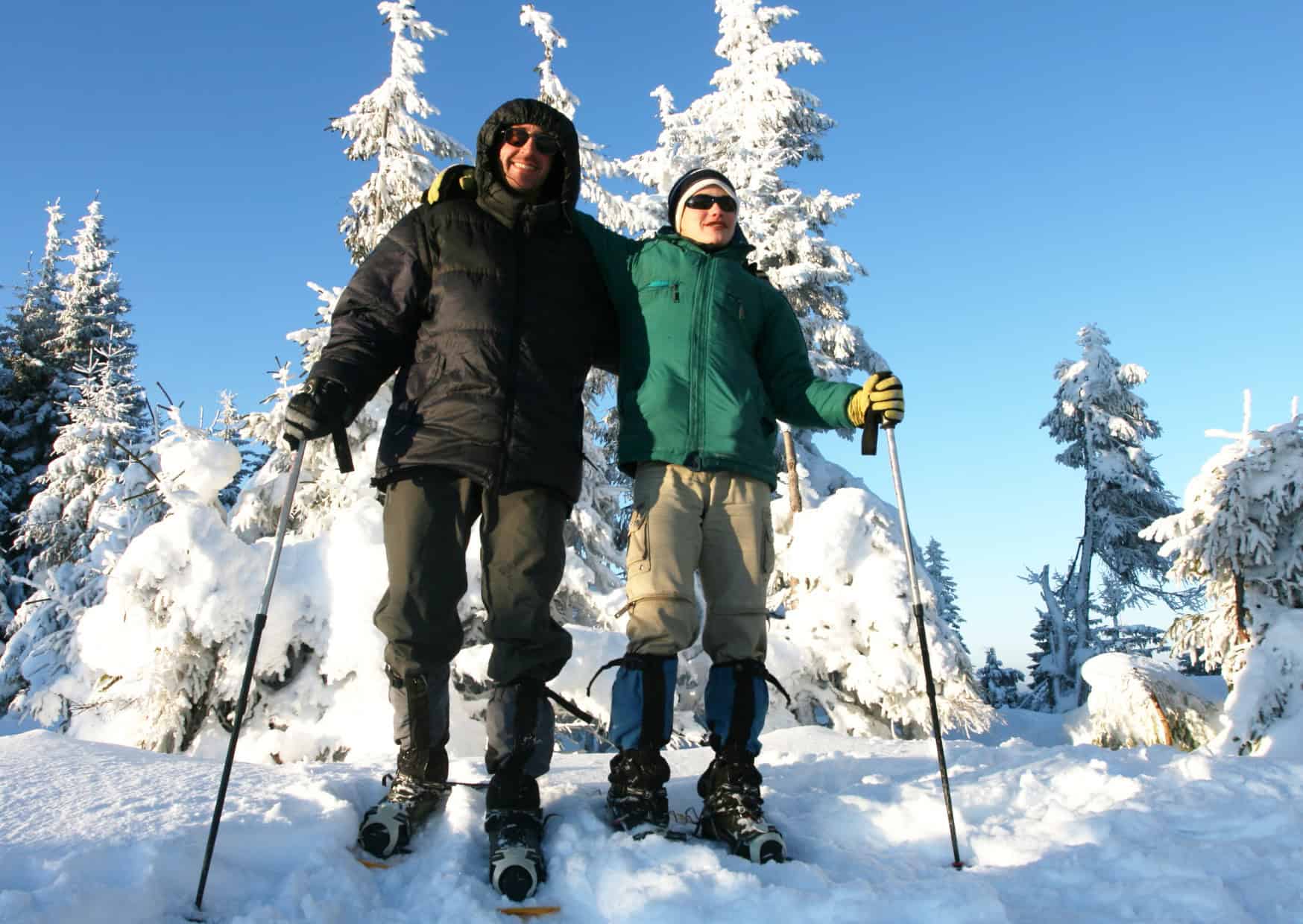
The thrill of skiing down powdery slopes is becoming a rarer joy. Many famous winter sports destinations are facing shorter and less predictable snow seasons due to rising global temperatures, which significantly impacts the availability and quality of winter recreational activities.
What’s Happening: Destinations known for their winter sports, like the Alps in Europe and the Rocky Mountains in North America, are experiencing warmer winters. This results in less snowfall and shorter seasons that can sustain snow-related activities, which poses challenges for ski resorts and other winter tourism businesses.
Impact on Your Travel:
- Shorter Seasons: You may find the window for enjoying traditional winter sports is shrinking, often limited to the coldest months.
- Variable Conditions: Snow conditions can be highly unpredictable, which might affect the quality of skiing and snowboarding experiences. It can lead to closures of ski runs or even entire resorts during what used to be peak season.
Travel Tips:
- Check Snow Reports Regularly: Before booking your trip, and even daily during your visit, check the local snow conditions to ensure the slopes are open and safe.
- Consider Alternative Activities: Many winter destinations offer alternative activities like snowshoeing, winter hiking, or ice skating, which require less snow but still offer a lot of fun.
- Book Flexible Travel Options: Opt for accommodations and travel tickets that allow for last-minute changes or cancellations without hefty fees, just in case the weather doesn’t cooperate.
Positive Steps: Resorts are adapting by investing in snow-making technologies to help maintain good skiing conditions regardless of natural snowfall. They’re also diversifying their tourism offerings to include year-round recreational activities, ensuring visitors have enjoyable options no matter the weather.
Conclusion of Section: As winter sports enthusiasts face changing conditions, being flexible and informed will be key to a successful holiday. By supporting destinations that are taking innovative steps to adapt to climate impacts, travelers can still enjoy the magic of winter landscapes while helping promote sustainable practices in the tourism industry.
5. Enhanced Risk of Natural Disasters
The growing frequency and intensity of natural disasters such as hurricanes, wildfires, and floods are reshaping travel plans worldwide. Destinations once considered paradise are now facing the harsh realities of climate change, prompting travelers to reconsider their choices.
What’s Happening: Regions like Southeast Asia are grappling with more severe monsoon seasons, while the Caribbean and parts of the United States face stronger and more frequent hurricanes. Similarly, areas prone to wildfires, like Australia and California, are experiencing longer and more destructive fire seasons. These events can drastically affect travel safety and accessibility.
Impact on Your Travel:
- Travel Disruptions: Natural disasters can lead to sudden travel restrictions, closures, and evacuations, significantly altering your travel plans.
- Safety Concerns: The direct threat to safety from these disasters requires travelers to be more vigilant and informed about the destinations they choose.
Travel Tips:
- Stay Updated: Always check the latest travel advisories and weather forecasts for your destination. Government websites and global news channels are reliable sources for this information.
- Have an Emergency Plan: Understand the emergency procedures and evacuation routes for your destination. Keep a list of local emergency contacts on hand.
- Consider Travel Insurance: Ensure your travel insurance covers natural disaster-related disruptions. This can alleviate financial stress should you need to cancel or cut your trip short.
Positive Steps: Tourism operators and local governments are improving their disaster preparedness and response strategies. Enhanced infrastructure, better early warning systems, and comprehensive emergency planning are helping make travel safer in these high-risk areas.
Conclusion of Section: As natural disasters become more common, the importance of preparing for and adapting to these changes cannot be overstated. By choosing destinations that are actively improving their safety measures and being prepared, travelers can still enjoy their journeys while minimizing risk.
6. Changes in Wildlife Patterns
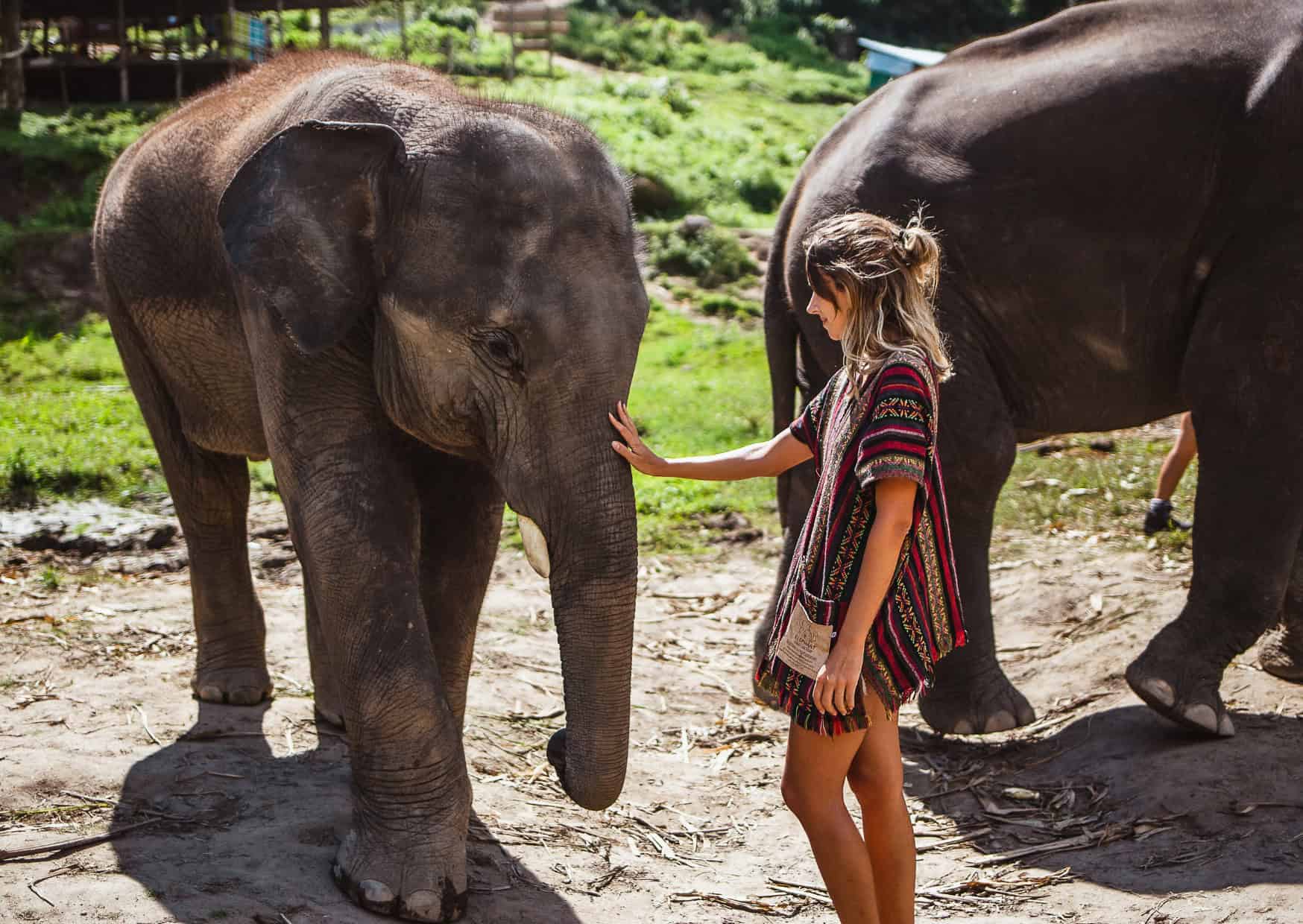
Climate change is not only altering landscapes but also affecting the behaviors and habitats of wildlife across the globe. This shift is particularly impactful for destinations known for wildlife tourism, such as African safaris or bird-watching expeditions in South America, where the main attractions are the animals themselves.
What’s Happening: In regions like the Serengeti, altered rainfall patterns are changing animal migration routes and timings, which can affect the traditional wildlife viewing seasons. Similarly, in Arctic and Antarctic areas, melting ice is impacting the habitats of polar bears and penguins, making them harder to observe in their natural environments.
Impact on Your Travel:
- Unpredictable Wildlife Sightings: The changes in migration patterns and habitats may result in less predictable wildlife sightings, potentially disappointing travelers who visit these regions with specific expectations.
- Shift in Peak Viewing Times: Traditional peak seasons for wildlife tourism are shifting, requiring travelers to adjust their plans accordingly.
Travel Tips:
- Flexible Itineraries: Plan your wildlife tours with flexibility, allowing for changes based on real-time sightings and expert advice from local guides.
- Use Reputable Guides: Book tours with knowledgeable and reputable guides who understand the changing behaviors of wildlife and can provide the most accurate information and best viewing opportunities.
- Support Conservation Efforts: Choose to support tour operators and local conservation projects that are actively involved in preserving wildlife and their habitats.
Positive Steps: Conservationists and wildlife experts are intensively monitoring these changes to better manage and protect animal populations. Many tour operators are also adapting their practices to ensure they contribute positively to conservation while still providing rewarding experiences for visitors.
Conclusion of Section: The thrill of seeing animals in the wild is a unique and powerful experience, but it now comes with the responsibility of understanding and adapting to the environmental challenges these creatures face. By being informed and considerate travelers, we can enjoy wildlife tourism in a way that supports animal welfare and habitat conservation.
7. Health Risks
As global temperatures rise, so do the health risks associated with traveling to certain popular destinations, especially tropical locations. Heatwaves, increased humidity, and the proliferation of disease-carrying insects pose new challenges to travelers’ health and safety.
What’s Happening: Destinations in the tropics, such as Thailand and the Caribbean, are experiencing more intense heat and humidity. This not only makes travel uncomfortable but also increases the risks of heat-related illnesses such as heatstroke. Additionally, warmer climates are expanding the habitats of mosquitoes, leading to a greater spread of diseases like dengue fever, Zika virus, and malaria.
Impact on Your Travel:
- Increased Health Precautions: Travelers need to take additional health precautions, from vaccinations to preventive medications.
- Altered Travel Plans: Extreme heat may limit the activities you can comfortably and safely do, especially during the peak hours of the day.
Travel Tips:
- Stay Hydrated and Cool: Drink plenty of water, use sunscreen, and wear lightweight, breathable clothing to protect against the sun and heat.
- Schedule Activities Wisely: Plan strenuous activities for early morning or late evening when temperatures are cooler.
- Prepare Medically: Consult with a travel health specialist before your trip to receive any necessary vaccinations and advice on preventing insect-borne diseases.
Positive Steps: Many tourist destinations are improving their healthcare facilities and availability of medical services to better assist travelers. Local governments and health organizations are also increasing efforts to control mosquito populations and enhance public health education.
Conclusion of Section: Traveling to warmer climates now requires more thorough preparation and awareness of potential health risks. By taking proactive steps to manage these risks, travelers can ensure that their trips remain safe and enjoyable, even as global health challenges evolve.
8. Insurance Complications and Costs
As extreme weather events become more common, the travel insurance industry is adapting, often leading to increased costs and more complicated policies for travelers. Understanding these changes is crucial for anyone planning a trip, especially to areas prone to natural disasters or severe weather conditions.
What’s Happening: Travel insurance providers are reassessing the risks associated with insuring trips to regions that are frequently affected by climate-related disruptions, such as hurricanes, floods, or wildfires. This reassessment often results in higher premiums and stricter terms for coverage, which can affect the overall cost and scope of travel insurance.
Impact on Your Travel:
- Higher Insurance Costs: Expect to see an increase in travel insurance premiums, especially for comprehensive policies that cover cancellation due to weather or natural disasters.
- More Exclusions: Policies may include more exclusions, particularly for destinations known to be high-risk during certain times of the year.
Travel Tips:
- Read the Fine Print: Carefully review the terms and conditions of any travel insurance policy before purchasing. Pay special attention to what is and isn’t covered.
- Shop Around: Compare policies from different providers to find the best coverage for your needs and budget. Consider using comparison websites to simplify this process.
- Consider Specialist Insurance: If traveling to a high-risk area, look into insurance providers that specialize in high-risk travel insurance for more comprehensive coverage options.
Positive Steps: Insurance companies are becoming more sophisticated in how they assess risk, using data analytics and weather forecasting to create more tailored insurance products. Additionally, some are partnering with tech companies to offer real-time data and assistance to travelers affected by unforeseen events.
Conclusion of Section: Navigating the complexities of travel insurance in the age of climate change can be challenging, but it’s also more important than ever. Armed with the right information and adequate coverage, travelers can protect themselves against financial losses due to weather-related disruptions, ensuring peace of mind while exploring the world.
9. Sustainability and Eco-conscious Travel Choices
As travelers become more aware of the environmental impacts of their journeys, many are choosing destinations and practices that promote sustainability. This shift is not just about reducing one’s carbon footprint; it’s about making travel decisions that help preserve natural environments and support local communities.
What’s Happening: Tourists are increasingly looking for eco-friendly travel options, from low-impact accommodations to tours that emphasize conservation and responsible interaction with nature. Destinations like Costa Rica are leading the way with eco-resorts and green initiatives that cater to this growing demand.
Impact on Your Travel:
- More Green Options: You’ll find a wider range of sustainable travel choices, including eco-hotels, green airports, and tours that use electric vehicles or other low-emission transport.
- Enhanced Travel Experience: Sustainable travel often means smaller groups, more authentic interactions with local cultures, and a greater focus on natural and cultural preservation.
Travel Tips:
- Research Sustainable Practices: Before booking, research the sustainability practices of hotels, tour operators, and other service providers. Look for certifications from recognized organizations like Green Globe or EarthCheck.
- Reduce Your Footprint: Opt for public transportation, biking, or walking when exploring destinations. Consider offsetting your carbon emissions from flights through reputable programs.
- Support Local: Choose locally-owned and operated businesses to keep your tourism dollars in the community, promoting economic sustainability.
Positive Steps: Many destinations and businesses are actively improving their sustainability measures to attract eco-conscious travelers. These initiatives not only help reduce the tourism sector’s environmental impact but also enhance the overall travel experience by preserving the world’s natural and cultural treasures.
Conclusion of Section: Sustainable travel is becoming an essential part of how we explore the world, reflecting a collective effort to protect our planet while enjoying its wonders. By choosing eco-friendly travel options, you contribute to a global movement that values environmental health and cultural integrity, ensuring that the places we love remain vibrant and beautiful for future generations.
10. Adaptation of Travel Infrastructure
As climate change reshapes our world, the travel industry is being forced to adapt its infrastructure to cope with new environmental realities. This includes everything from building more resilient facilities to introducing innovative services that reduce environmental impacts and enhance visitor safety.
What’s Happening: Destinations prone to climate impacts, such as rising sea levels or extreme weather events, are investing in infrastructure that can withstand these challenges. For example, coastal resorts are enhancing their flood defenses, and ski resorts are using artificial snow-making systems to cope with decreasing snowfall.
Impact on Your Travel:
- Improved Facilities: Enhanced infrastructure means more reliable travel experiences, even in areas facing severe climate challenges.
- Innovative Services: Expect to see more high-tech solutions in travel, like apps that provide real-time weather updates or automated systems designed to improve energy efficiency in hotels and other tourist facilities.
Travel Tips:
- Stay Informed: Keep up-to-date with the latest technological advancements and services offered by destinations known for their proactive approaches to climate change.
- Choose Adapted Destinations: Support destinations that are investing in climate-resilient infrastructure. Not only does this promote sustainability, but it also ensures a smoother travel experience.
- Be Prepared for Changes: As infrastructure evolves, so might some traditional aspects of your travel experience. Embrace these changes as part of the new way we travel.
Positive Steps: Governments and private sectors are increasingly collaborating to fund and develop infrastructure projects that not only protect tourist areas but also ensure their sustainability for future generations. These efforts are crucial in maintaining the viability of travel destinations worldwide in the face of changing climate conditions.
Conclusion of Section: The travel industry’s response to climate change with adaptive infrastructure is a critical development in ensuring that tourism remains a viable economic activity. By supporting these innovations, travelers can enjoy more secure and sustainable adventures, contributing to a future where travel and environmental stewardship go hand in hand.
Concluding Ways How Climate Change is Changing Travel
As we’ve explored the myriad ways extreme weather and changing climates are reshaping the landscape of travel, it becomes clear that the future of tourism is intertwined with our planet’s environmental health. From increased flight disruptions and shifting travel seasons to the emergence of new destinations and the adaptation of infrastructure, each factor not only challenges us but also offers opportunities to engage with the world more thoughtfully and sustainably.
The journey toward responsible travel doesn’t end with knowing what challenges lie ahead; it begins with each choice we make as travelers. By opting for sustainable travel options, staying informed about our destinations, and embracing flexible travel plans, we can minimize our environmental impact and help ensure that the beauty and diversity of our world are preserved for future generations.
Let this guide be a starting point for your future travels—a tool to help you navigate the new normals of tourism in a changing climate. Remember, every small action counts, from choosing eco-friendly accommodations to supporting local economies affected by climate change. Together, we can turn the challenges of today into the opportunities of tomorrow, ensuring that travel continues to enrich our lives and the planet.
In the end, traveling in the age of climate change is about more than just seeing the world; it’s about taking part in preserving it. As we adjust our sails to meet the winds of change, let’s carry forward the spirit of adventure, guided by respect for the environments and communities that make our explorations possible.

About the Author: Ruben, co-founder of Gamintraveler.com since 2014, is a seasoned traveler from Spain who has explored over 100 countries since 2009. Known for his extensive travel adventures across South America, Europe, the US, Australia, New Zealand, Asia, and Africa, Ruben combines his passion for adventurous yet sustainable living with his love for cycling, highlighted by his remarkable 5-month bicycle journey from Spain to Norway. He currently resides in Spain, where he continues sharing his travel experiences with his partner, Rachel, and their son, Han.