
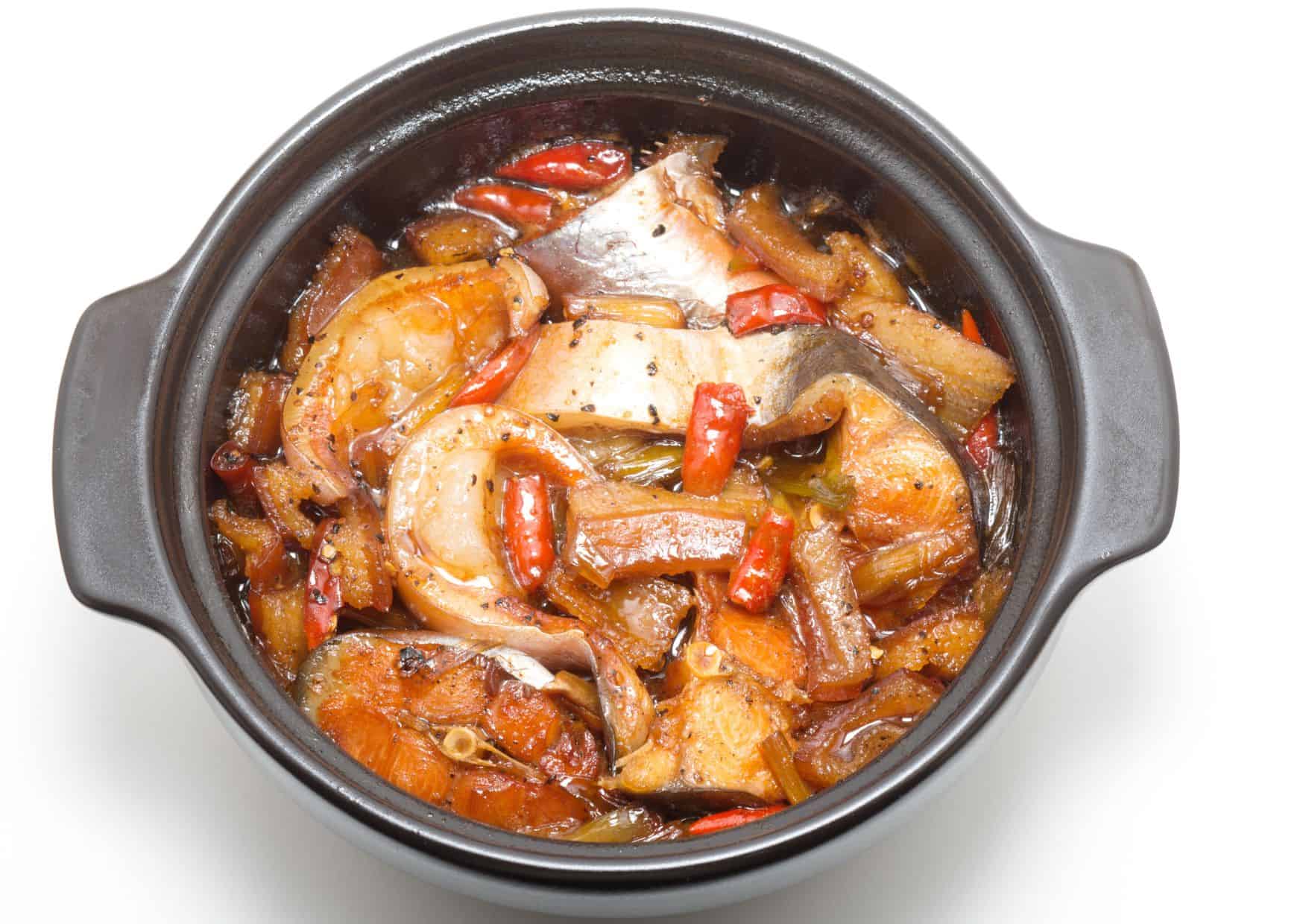
Ca Kho To, or Vietnamese caramelized fish in clay pot, is one of Vietnam’s most beloved comfort foods yet outside Southeast Asia, it remains criminally underrated. It’s a rich, savory-sweet dish traditionally made with fatty catfish simmered in a thick caramel sauce with fish sauce, black pepper, and chili. The result is an intense umami bomb with tender, flaky fish that practically melts into your rice.
What makes Ca Kho To so memorable isn’t just its bold flavor, but its contrast of simplicity and depth. Despite its restaurant-quality taste, it requires only a handful of ingredients and one pot to make. It’s a staple of southern Vietnamese home cooking and carries strong emotional roots it’s the kind of meal Vietnamese people associate with rainy days, home kitchens, and generations of tradition passed down by grandmothers and aunties.
If you’re looking to bring a new flavor dimension into your weekly rotation, Ca Kho To is a standout. It’s humble, powerful, and deeply satisfying. Once you learn how to master the caramel base without burning it, you’ll realize this is one of the most rewarding dishes in all of Vietnamese cuisine.
Read here best Vietnamese Breakfast, 40 Vietnam Travel Tips and Best Things to Do in Vietnam
BOOK YOUR TRAVEL INSURANCE
Two of our favorite travel insurance: Heymondo Vs Safetwing cheapest travel Insurance. You can get for $135 USD your Heymondo Travel Insurance with Heymondo discount code valid for 90 days. Read our full comparison of Genki vs Safetywing Travel Insurance Review and the comparison Heymondo vs Genki
Best Time to Eat and How to Partner
Ca Kho To is best served for lunch or dinner, especially when paired with hot steamed jasmine rice to soak up its rich sauce. It’s traditionally eaten family-style, often with light vegetable sides like sautéed morning glory (rau muống) or a clear broth to balance the richness. Partner it with a cold, crisp lager or green tea for a meal that’s both hearty and refreshing.
Ca Kho To sparks debates even within Vietnam. One controversial point is the use of sugar in the caramel. Some cooks use white sugar, while others insist on palm sugar for authenticity. This simple choice can shift the dish’s profile from slightly bitter to more molasses-sweet, depending on the region or family preference.
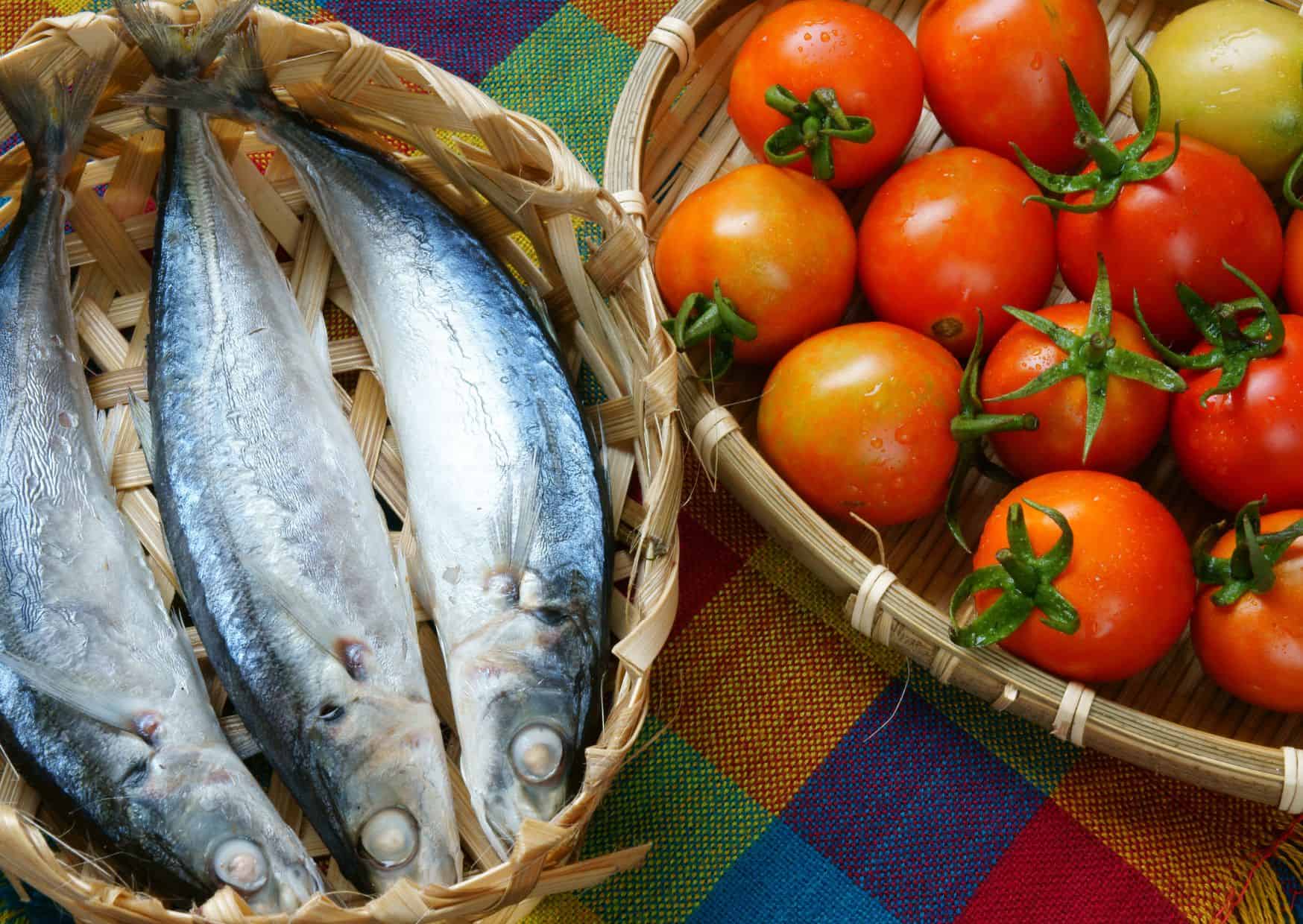
Another debate surrounds the protein. Traditionalists argue that only catfish (ca ba sa) delivers the proper fat content and flakiness, but many modern cooks substitute salmon or mackerel for convenience or sustainability. Purists may side-eye these alternatives, yet they offer accessible ways to experience the dish globally.
Lastly, there’s tension around the modern presentation of Ca Kho To. Many upscale restaurants now serve it as an elevated entrée deconstructed, de-sauced, and plated with minimalism. While these renditions attract new fans, they often strip away the communal spirit and rustic comfort that define the original. Ca Kho To wasn’t made to be delicate it was made to be devoured around a table, in generous scoops, over hot rice.
How to Make Ca Kho To
Ca Kho To Recipe Ingredients
For the Fish:
1 pound catfish fillets (or other firm white fish like tilapia or salmon)
2 tablespoons fish sauce
1 tablespoon sugar
2 cloves garlic, minced
1 small shallot, minced
1-2 Thai bird’s eye chilies, chopped (optional, for heat)
1 tablespoon vegetable oil
1/4 teaspoon black pepper
For the Caramel Sauce:
2 tablespoons sugar
1/4 cup water
For the Braising Liquid:
1/2 cup coconut water (or water)
2 tablespoons fish sauce
1 tablespoon soy sauce
1 tablespoon rice vinegar
For Garnish:
Fresh cilantro, chopped
Green onions, chopped
Red chili slices (optional)
Get the best deals for your home and kitchen needs
Step By Step How to Make Ca Kho To
Marinate the Fish
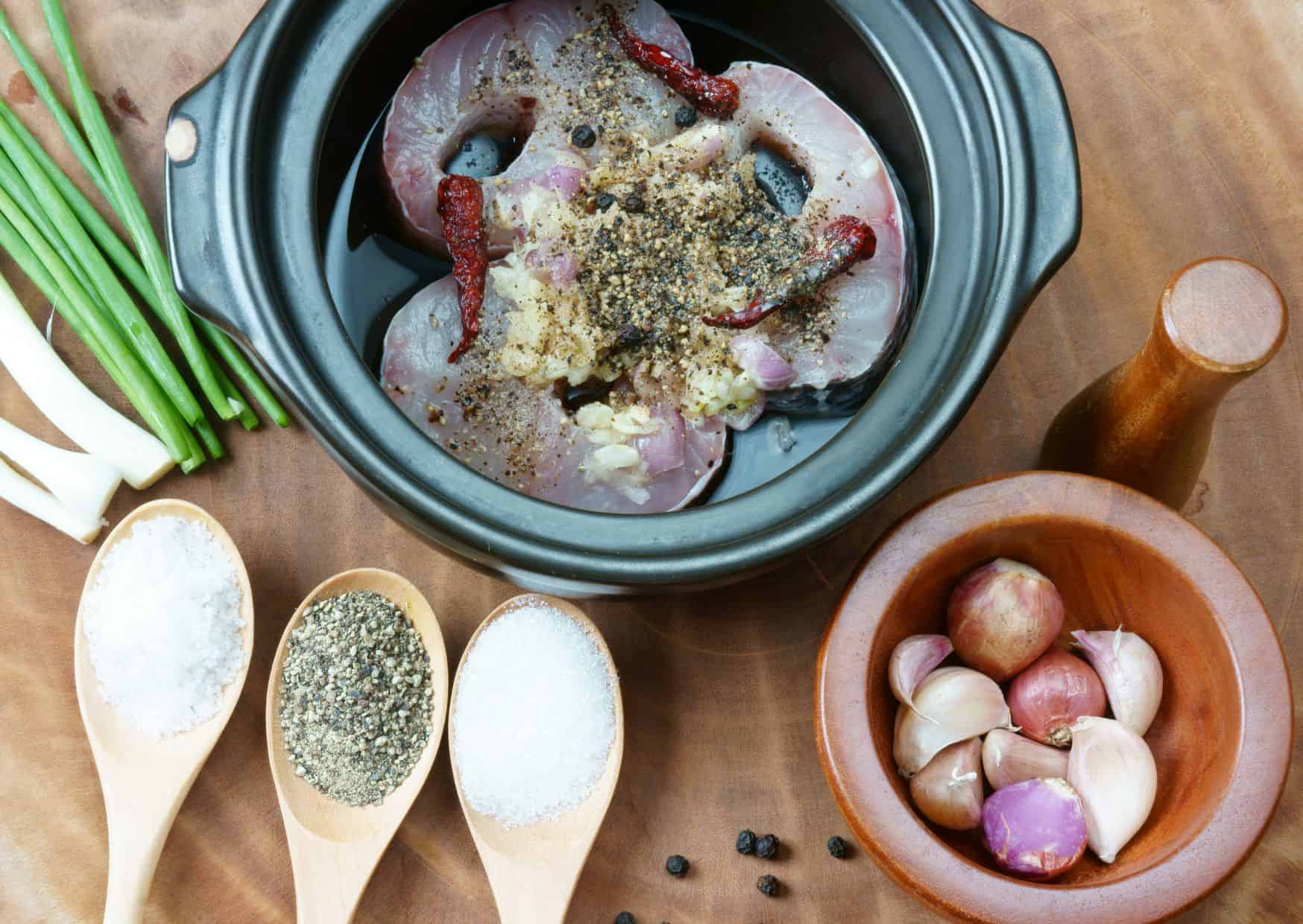
In a bowl, combine the fish sauce, sugar, minced garlic, minced shallot, chopped chilies (if using), vegetable oil, and black pepper. Add the fish fillets to the marinade, ensuring they are well-coated. Let them marinate for at least 15-20 minutes.
Make the Caramel Sauce
In a small saucepan over medium heat, add the sugar and let it melt. Stir occasionally until the sugar turns a deep amber color. Carefully add the water to the caramelized sugar (it may splatter), and stir until smooth. Set aside.
Cook the Fish
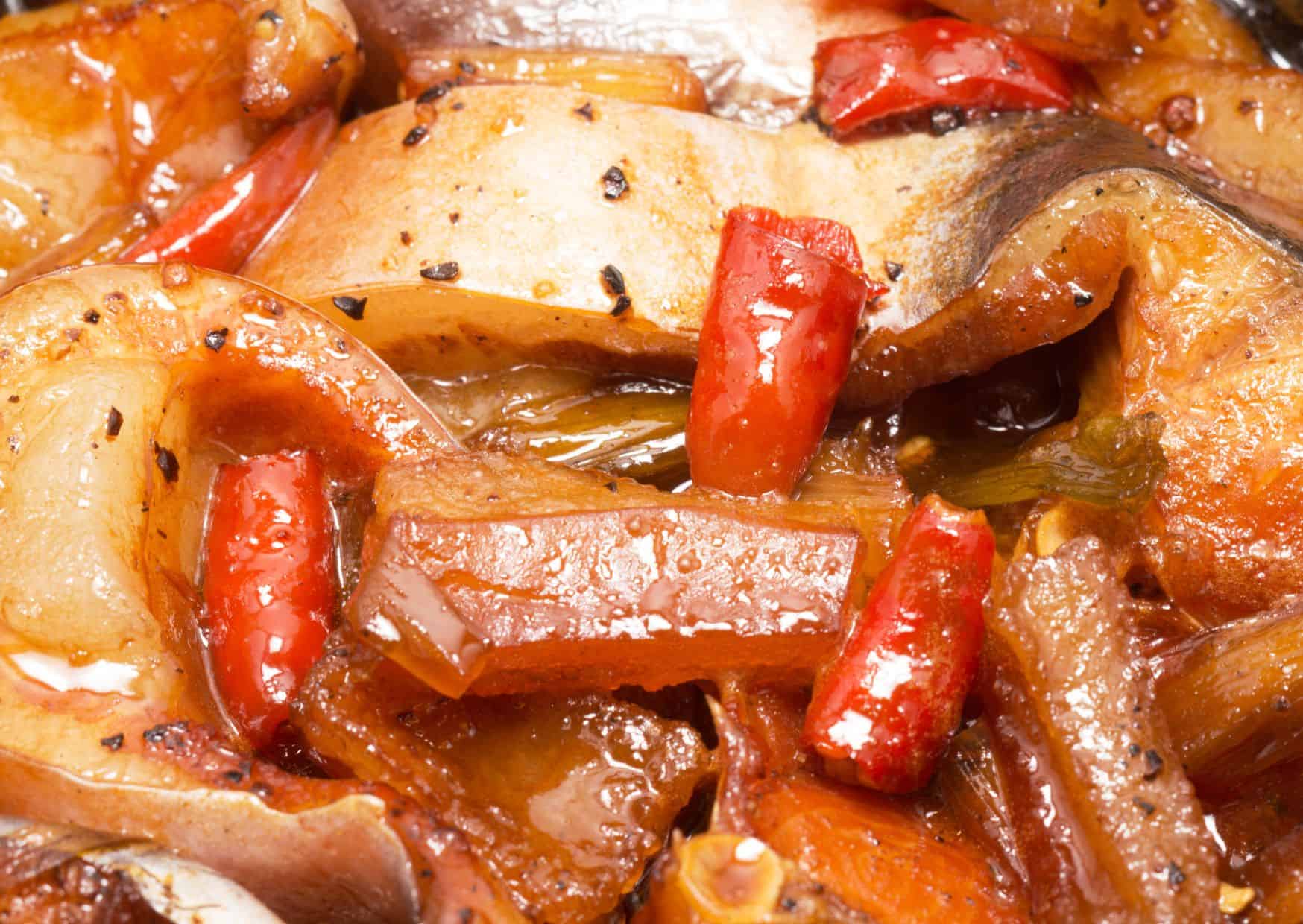
In a clay pot or a heavy-bottomed pan, heat a small amount of oil over medium heat. Place the marinated fish fillets in the pan and sear them for about 2 minutes on each side until they are lightly browned. Pour the caramel sauce over the fish. Then add the coconut water, fish sauce, soy sauce, and rice vinegar.
Bring the mixture to a simmer. Reduce the heat to low, cover the pot, and let it braise for about 20-25 minutes until the fish is cooked through and the sauce has thickened.
Garnish and Serve
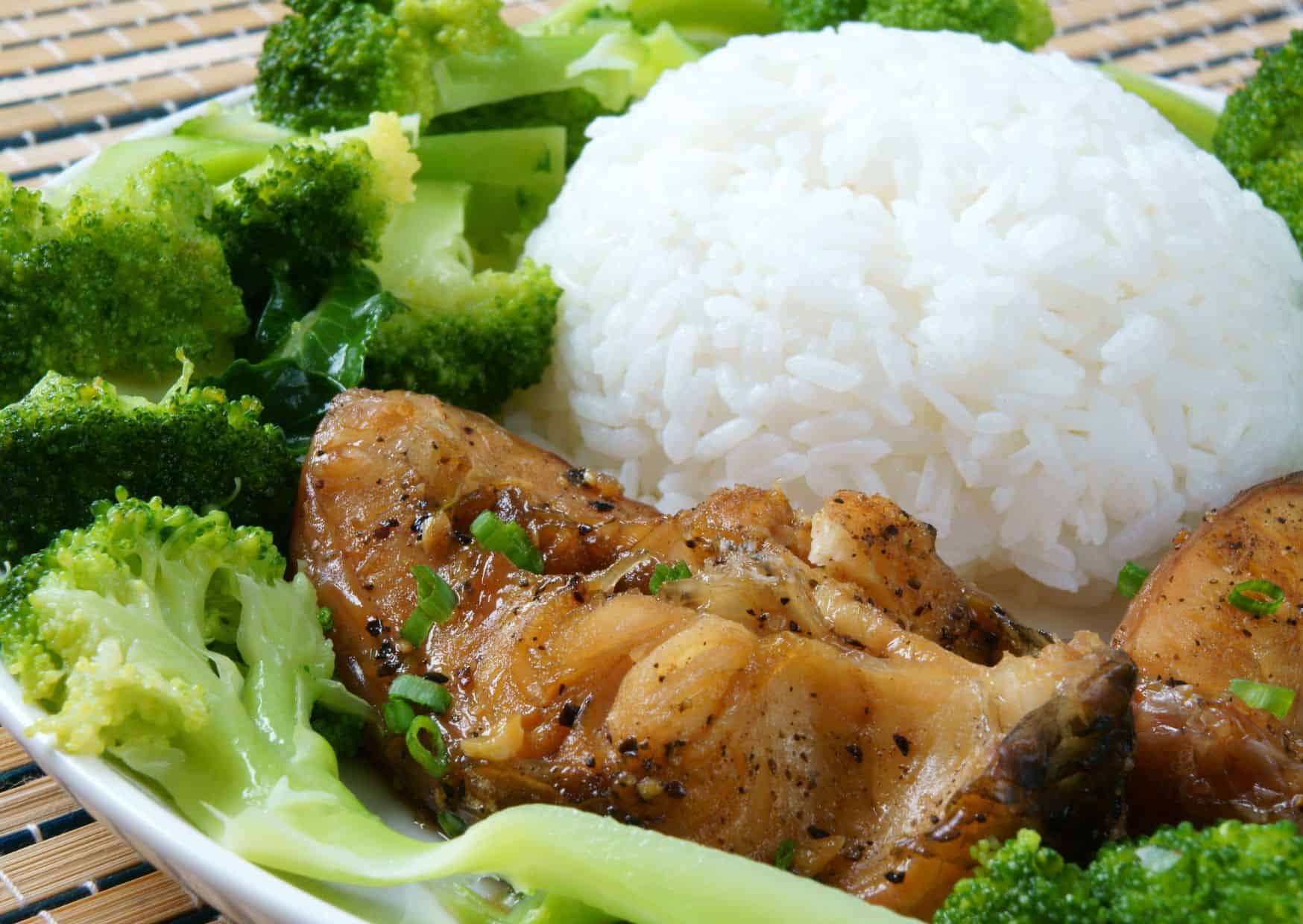
Sprinkle the chopped cilantro, green onions, and red chili slices over the fish. Serve the Ca Kho To hot with steamed jasmine rice.
Tips To Make Ca Kho To
Use a firm white fish that holds up well during braising. Catfish is traditional, but tilapia, salmon, or cod can also work. Be careful when making the caramel sauce, as it can easily burn. Remove it from heat once it reaches a deep amber color.
Coconut water adds a subtle sweetness, but you can use plain water if unavailable. Adjust the amount of Thai chilies based on your heat preference. Omit them for a milder dish.
How Many Calories Have Ca Kho To
Fish: 200 calories
Oil: 30 calories
Sugar: 60 calories
Sauces (fish sauce, soy sauce, etc.): 20 calories
Coconut Water: 20 calories
Total Estimated Calories per Serving: Approximately 330 calories (excluding rice).
Origin and History
Ca Kho To is one of Vietnam’s most treasured home-cooked dishes, but outside the country, it rarely gets the spotlight it deserves. The dish comes from the Mekong Delta, where freshwater fish is abundant and families have long relied on simple ingredients to create deeply flavorful meals. Traditionally cooked in a clay pot, Ca Kho To was designed to turn inexpensive fish into something rich, caramelized, and comforting, using nothing more than fish sauce, sugar, and a handful of aromatics.
The heart of Ca Kho To lies in its cooking vessel. The clay pot called a “nồi đất” is more than just a container. Its porous material heats slowly and evenly, allowing the fish to simmer gently until the sauce thickens into a glossy, savory caramel. Families would often pass their clay pots down through generations, each one seasoned from years of cooking and carrying the subtle flavors of past meals. In many households, the pot was as important as the recipe itself.
Though Ca Kho To is rooted in rural Vietnamese life, it eventually traveled north and into major cities, becoming a staple in home kitchens and local eateries. It’s the kind of dish Vietnamese people crave when they want something nostalgic and soothing. For many, Ca Kho To is less a recipe and more a warm memory. And while it has gained some recognition abroad, it still remains one of Vietnam’s most underrated dishes—an unsung comfort classic waiting to be discovered.
One of the biggest points of debate around Ca Kho To is the type of fish used. Purists argue that catfish is non-negotiable, as it’s the traditional choice in the Mekong Delta, where the dish originated. Others insist that salmon, tilapia, or even mackerel make excellent variations. Though modern substitutions are common outside Vietnam, some cooks feel they take the dish too far from its roots. The tension lies in the balance between authenticity and practicality a familiar debate in global food culture.
Another controversy revolves around the caramel sauce itself. To get its signature smokiness, many Vietnamese cooks burn sugar intentionally, allowing it to darken deeply before adding liquid. Some Western cooks shy away from this technique, worried it’s too risky or unhealthy. But in Vietnam, this burnt caramel—called “nuoc mau”—is essential. Without it, the dish loses its depth. Arguments continue about whether shortcuts, like using brown sugar or pre-made caramel, do the dish justice.
Finally, there’s the clay pot. Many argue that without it, the dish cannot be truly called Ca Kho To. Others claim the spirit of the recipe can live on in any heavy-bottomed pan. While it’s true that clay pots create unmatched flavor and texture, they’re not always accessible. The debate reflects a broader idea: how much of a dish’s identity is tied to its tools, and how much is tied to the cook’s intention? Opinions vary widely.
How Long It Takes to Prepare
Preparing Ca Kho To is surprisingly manageable, especially for a dish with such deep flavor. The initial prep—cleaning and seasoning the fish, slicing the aromatics, and making the caramel typically takes about 15 minutes. Once the ingredients are ready, most of the work is hands-off, freeing you up to prep sides or simply relax while the magic happens.
The cooking process itself generally takes 20 to 30 minutes. During this time, the fish simmers gently in the caramelized sauce, soaking up flavor while the liquid reduces. Clay pots hold heat well, allowing for an even simmer that thickens the sauce without scorching it. If using a regular pan, you may need to monitor the heat more closely, but the overall timeline remains the same.
Altogether, you’re looking at around 45 minutes from start to finish. That makes Ca Kho To a weeknight-friendly dish with weekend-level taste. It’s ideal for those evenings when you want something comforting and nourishing but don’t want to spend hours in the kitchen. Despite its slow-cooked flavor, this dish comes together faster than most people expect.
Serving Suggestions
Ca Kho To is traditionally served with a mound of steaming white rice, which absorbs the salty-sweet caramel sauce perfectly. The contrast between the fluffy rice and the rich, sticky glaze is part of what makes the dish so satisfying. In Vietnam, it’s common to spoon a little extra sauce over the rice sometimes more than the fish itself. The dish is designed to be eaten slowly, with each bite bringing a new mix of textures and flavors.
Most families pair Ca Kho To with simple sides like blanched greens, sautéed morning glory, or a crisp cucumber salad. These fresh elements help balance the dish’s intensity and create a well-rounded meal. Pickled vegetables also make a great addition, adding acidity that cuts through the richness of the caramelized fish. Together, they form a classic Vietnamese table spread: humble ingredients elevated by perfect harmony.
If you want to get creative, Ca Kho To pairs beautifully with jasmine rice, coconut rice, or even rice noodles. Some cooks like to garnish it with scallions, black pepper, or fresh chilies for extra brightness. No matter how you serve it, the dish shines best when shared family-style, just as it’s traditionally enjoyed in Vietnam.
Final Thoughts
Ca Kho To is one of those dishes that reminds you how powerful simplicity can be. With just a handful of pantry ingredients and a bit of patience, you can create something deeply comforting and full of character. It’s a dish that carries the history and flavors of Vietnam in every bite, yet remains accessible to anyone willing to try it at home.
What makes Ca Kho To truly special is its balance of contrasting flavors. The burnt caramel brings bitterness and sweetness, the fish sauce adds umami, and the gentle simmer ties everything together into a thick, glossy glaze. It’s the kind of dish that tastes slow-cooked even when it’s not, filling your kitchen with aromas that feel like home.
Whether you’re new to Vietnamese cooking or already a fan, making Ca Kho To is a rewarding experience. It’s one of those rare recipes that feels both humble and luxurious, simple yet profound. And once you get the hang of it, you may find yourself coming back to it again and again not just for the taste, but for the comfort it brings.

About the Author: Ruben, co-founder of Gamintraveler.com since 2014, is a seasoned traveler from Spain who has explored over 100 countries since 2009. Known for his extensive travel adventures across South America, Europe, the US, Australia, New Zealand, Asia, and Africa, Ruben combines his passion for adventurous yet sustainable living with his love for cycling, highlighted by his remarkable 5-month bicycle journey from Spain to Norway. He currently resides in Spain, where he continues sharing his travel experiences with his partner, Rachel, and their son, Han.