
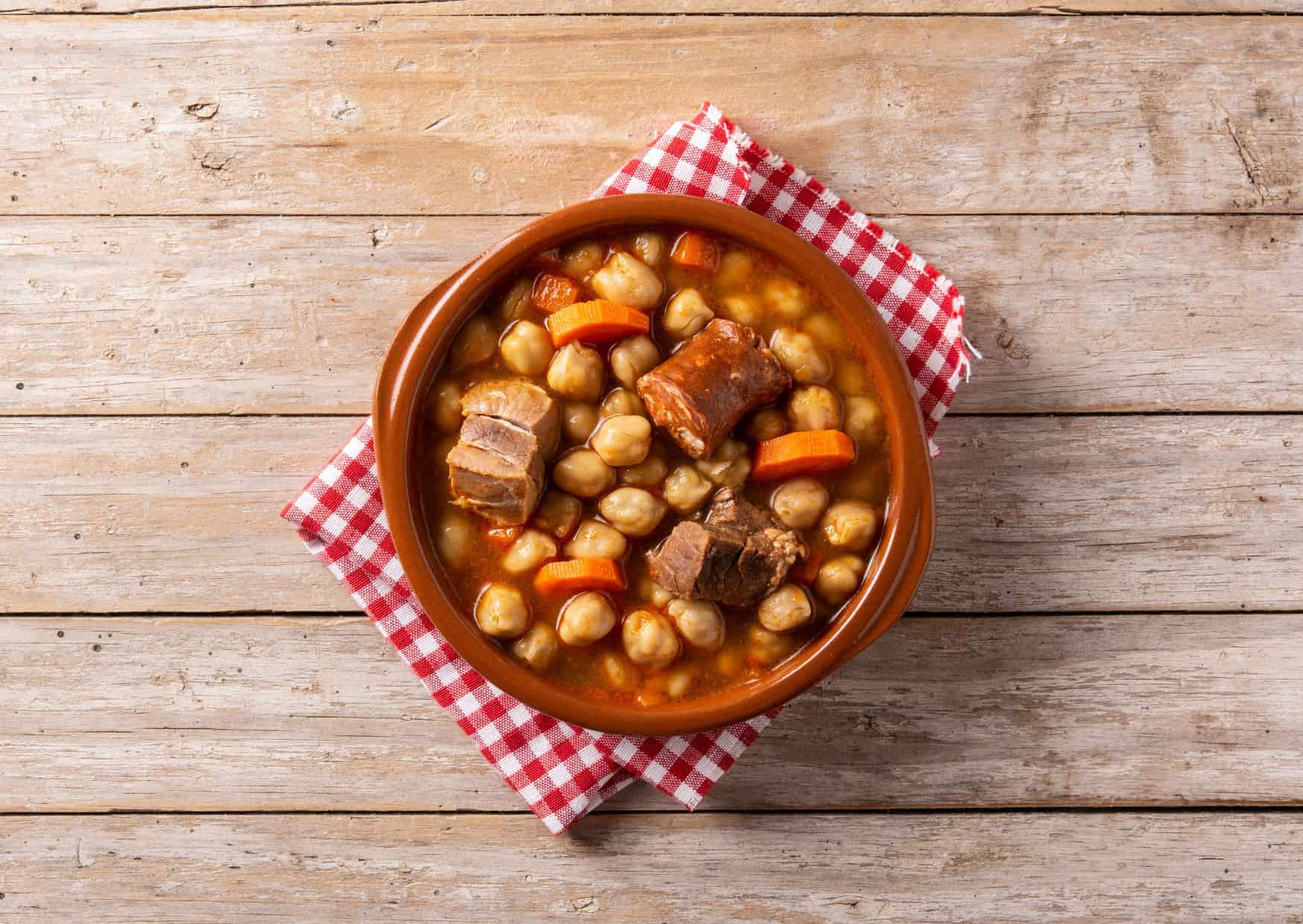
If you want to experience Spain like a true local, forget just tapas and paella—Cocido Madrileño is the soul-warming dish that tells a deeper culinary story. Born in the heart of Madrid, this slow-cooked stew is rich with chickpeas, meats, and vegetables, served in a specific order and steeped in tradition. It’s not just a meal; it’s a ritual that defines family gatherings, long lunches, and cold winter afternoons.
This iconic comfort food reflects the resourceful, hearty spirit of Spanish home cooking. Originally a peasant dish, Cocido evolved into a multi-course experience that varies slightly depending on the region, but always emphasizes depth of flavor and communal eating. If you’re visiting Madrid, you’ll see it on menus at traditional casas de comidas or local taverns—but recreating it at home is more than possible, and deeply rewarding.
In this recipe guide, you’ll learn how to make Cocido Madrileño the authentic way: simmered low and slow, layered with tradition, and served just like they do in the Spanish capital. We’ll also cover the ideal time to enjoy it and how to serve it the way locals do—with simple but thoughtful pairings.
Here’s a detailed recipe guide to making Cocido Madrileño, along with tips and calorie information.
Read here best Spanish food and best breakfast in Spain
BOOK YOUR TRAVEL INSURANCE
Two of our favorite travel insurance: Heymondo Vs Safetwing cheapest travel Insurance. You can get for $135 USD your Heymondo Travel Insurance with Heymondo discount code valid for 90 days. Read our full comparison of Genki vs Safetywing Travel Insurance Review and the comparison Heymondo vs Genki
How to Eat Cocido Madrileño
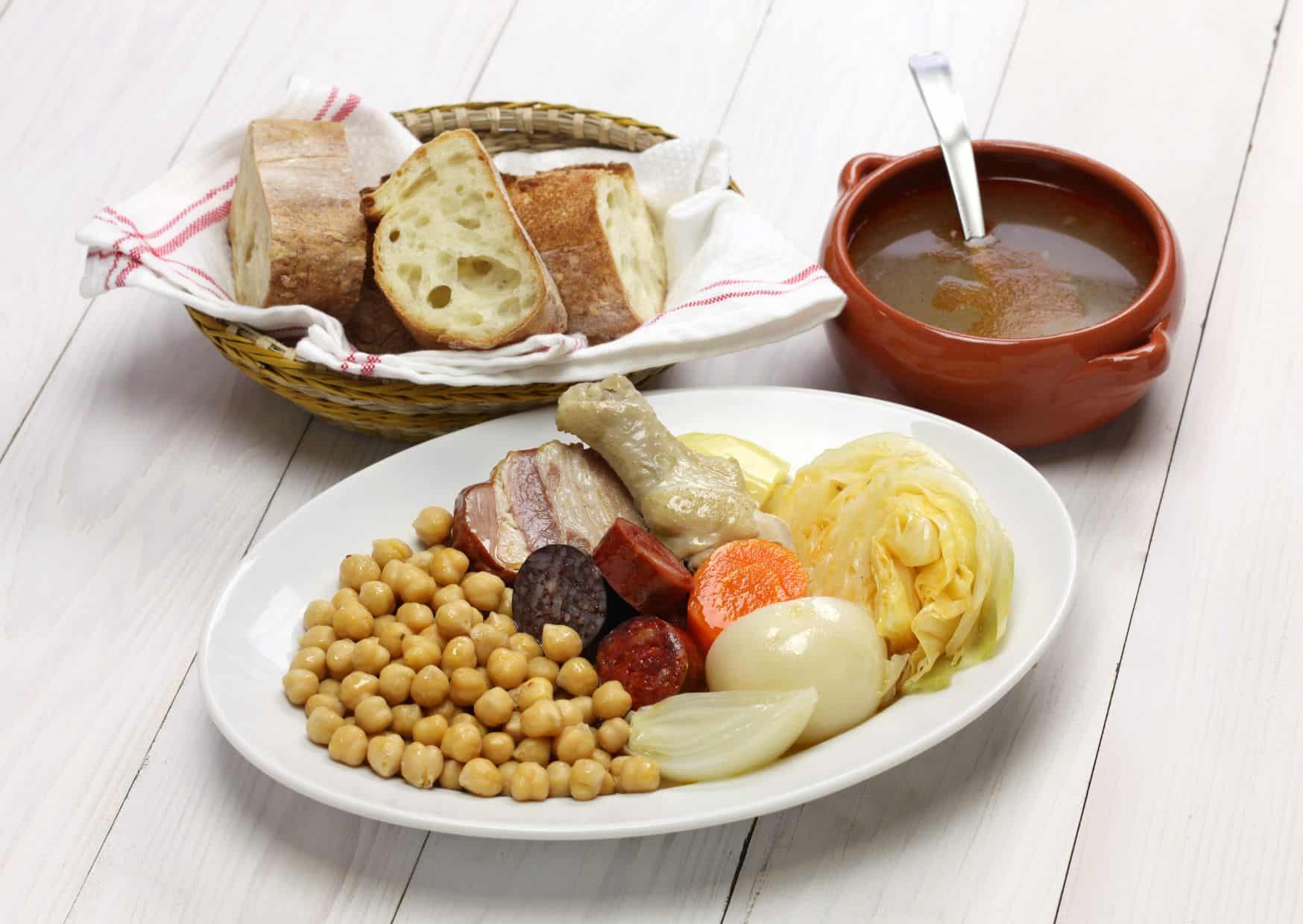
Traditionally, Cocido Madrileño is eaten in stages. The first serving is the broth, strained and served as a warming soup with noodles. This part of the meal sets the tone, offering comfort and depth of flavor.
The second course highlights the chickpeas and vegetables, often accompanied by cabbage, carrots, and potatoes. This stage is filling yet balanced, showcasing the earthy flavors that anchor the dish.
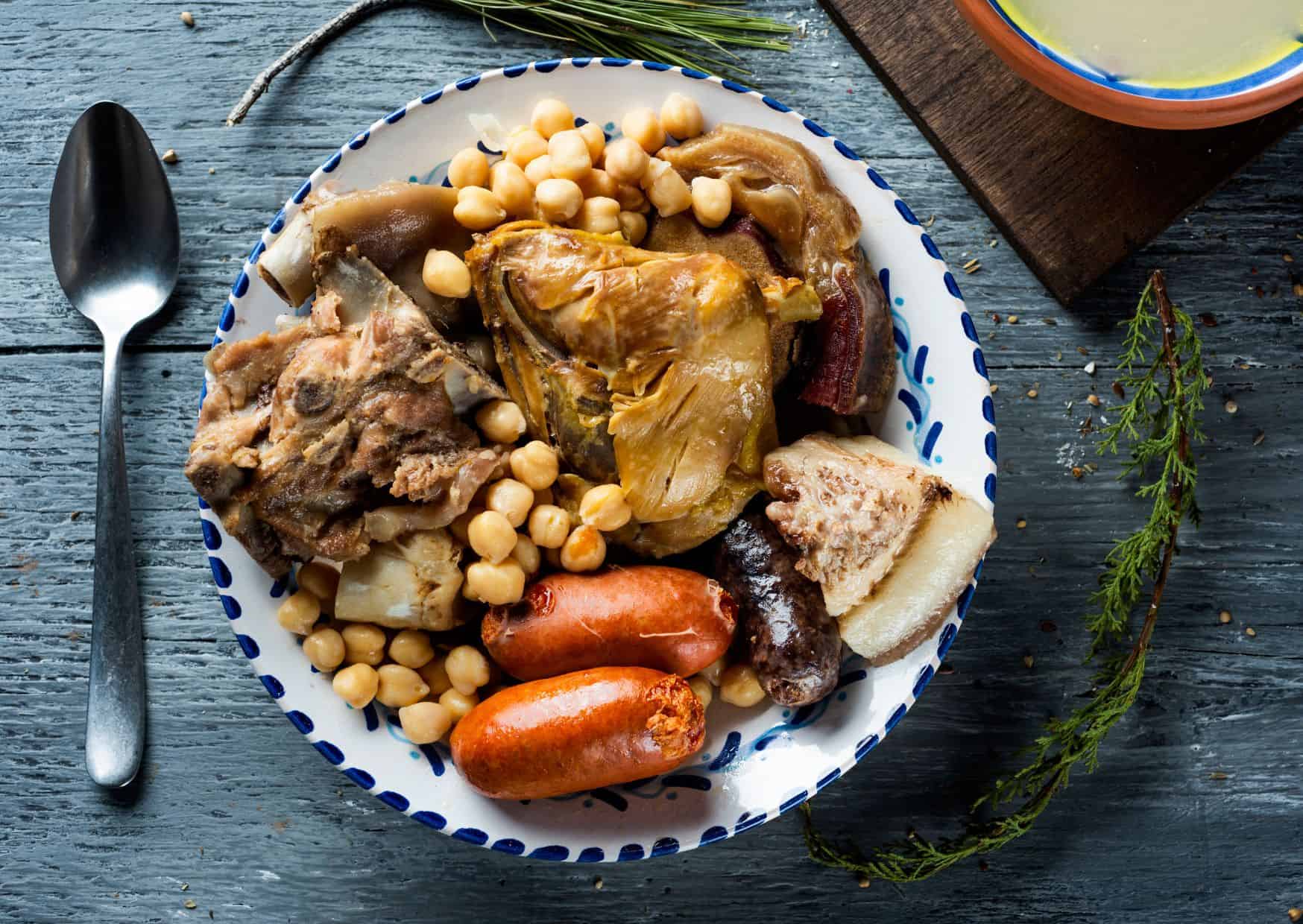
The final course brings the meats, which can include chorizo, morcilla (blood sausage), and various cuts of pork and beef. Each bite carries the richness of slow cooking, creating a satisfying conclusion to the meal.
How to Partner Cocido Madrileño
Cocido pairs beautifully with crusty bread. The bread can be dipped into the broth or used to scoop up chickpeas, making the experience even more rustic and satisfying.
A glass of Spanish red wine, such as Tempranillo from Rioja, is the classic partner. The wine’s boldness balances the stew’s richness and enhances the flavors of the meats. For those preferring something lighter, a sparkling water with lemon offers a refreshing contrast.
To complete the meal, finish with a simple Spanish dessert like flan or churros. This touch of sweetness rounds out the Cocido experience, leaving diners with a sense of comfort and celebration.
One controversy is whether Cocido Madrileño should be served in three courses or all at once. Purists insist on the traditional order, while some modern cooks simplify by serving everything together. This debate reflects the tension between authenticity and convenience.
Another debate concerns ingredients. While chickpeas are always present, the choice of meats can vary. Some families insist on including blood sausage, while others avoid it entirely. These variations spark discussions about what makes the dish truly “authentic.”
Finally, there’s a broader question about Cocido’s place in modern life. Once a humble peasant dish, it has become a restaurant specialty in Madrid. Some argue this elevates and preserves the tradition, while others feel it risks turning a family meal into a tourist attraction.
How to Make Traditional Cocido Madrileño
Traditional Cocido Madrileño Recipe Ingredients
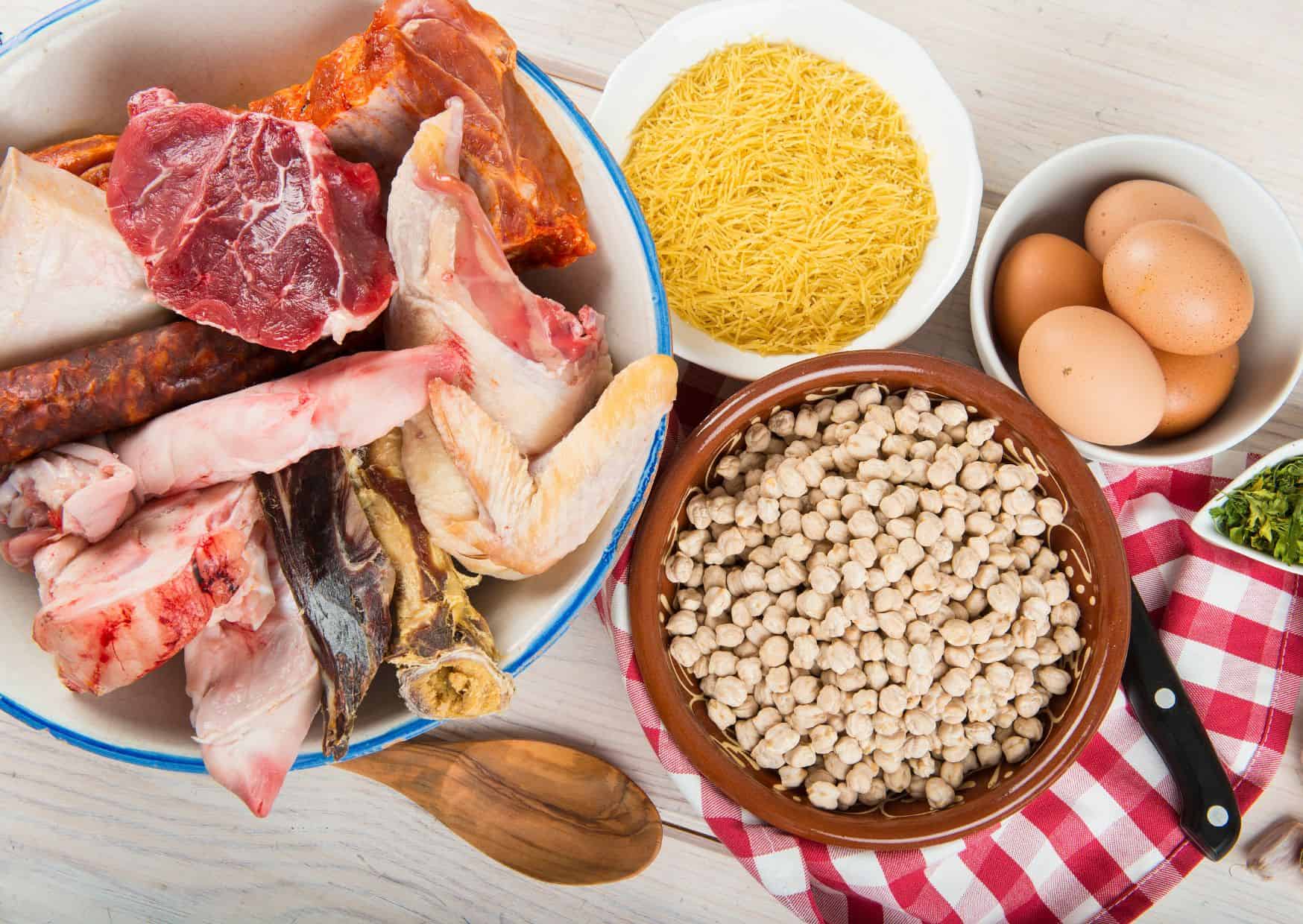
For the Stew:
1 pound (500g) dried chickpeas (garbanzo beans), soaked overnight
1 pound (500g) beef shank or bone with marrow
1 pound (500g) pork belly or pork ribs
1 pound (500g) chicken thighs or a whole chicken, cut into pieces
1 chorizo sausage, sliced
1 morcilla (blood sausage), sliced
1 ham bone
1 large onion, peeled
2 cloves garlic, peeled
2 carrots, peeled and cut into large pieces
2 potatoes, peeled and cut into large pieces
1 leek, cleaned and cut into large pieces
1 cabbage, quartered
Salt to taste
For the Soup:
2 cups (500ml) soup pasta (small noodles)
Get the best deals for your home and kitchen needs
Step By Step How to Make Traditional Cocido Madrileño
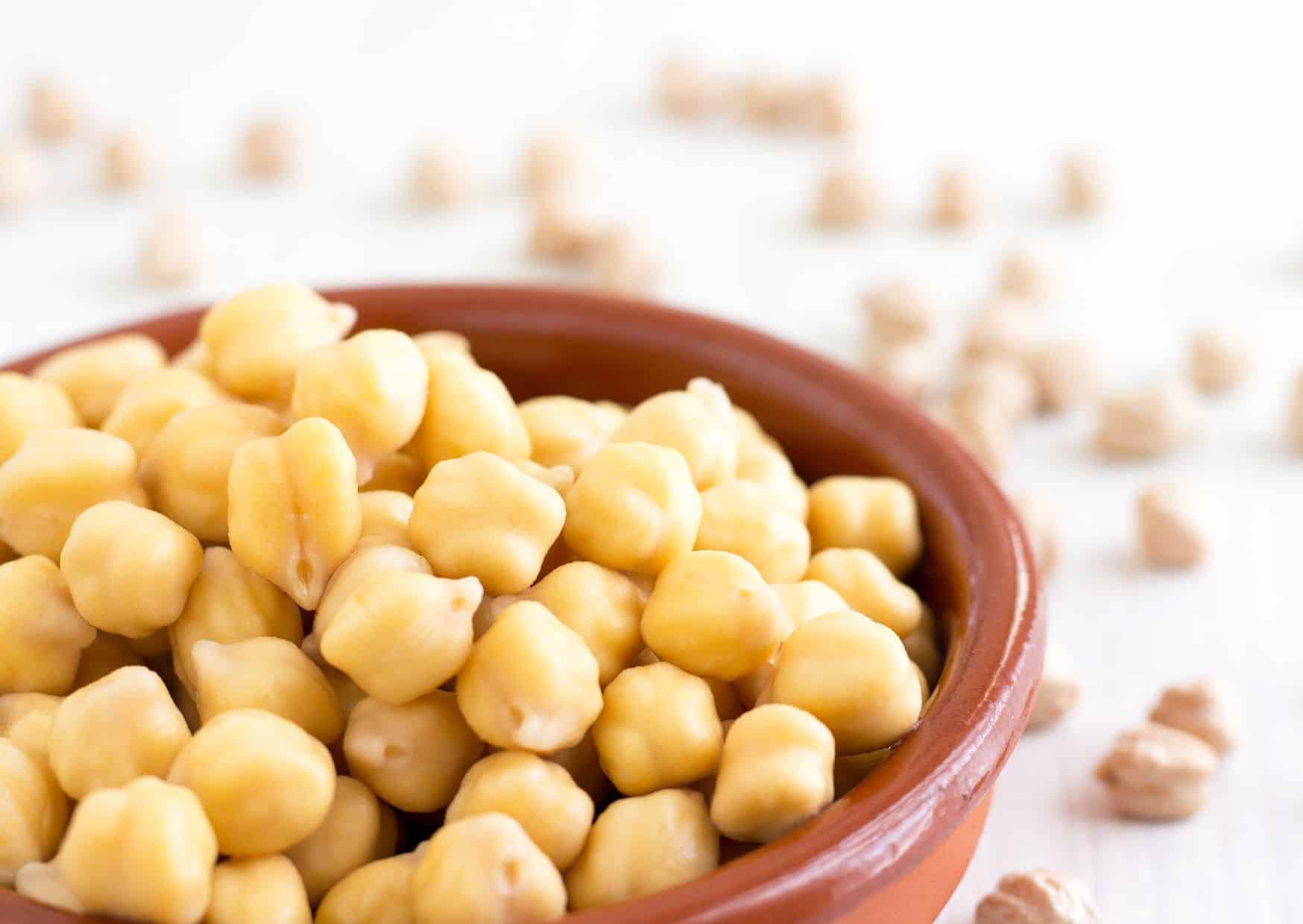
Prepare the Chickpeas
Drain the chickpeas that have been soaking overnight and rinse them under cold water.
Cook the Meats
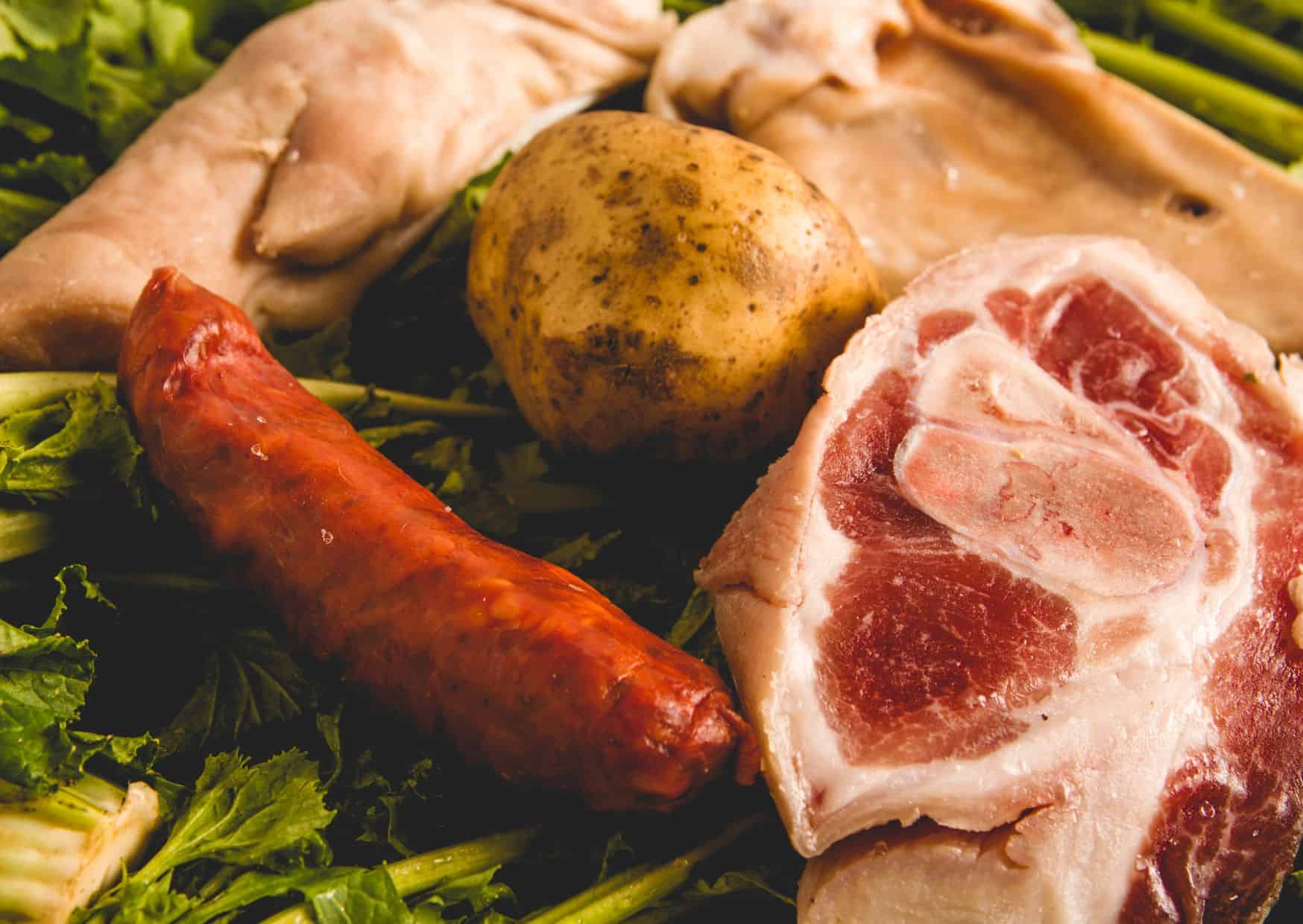
In a large pot, place the beef shank, pork belly or ribs, and ham bone. Cover with water and bring to a boil. Skim off any foam that rises to the surface. Reduce the heat to low, cover, and simmer for about 1 hour. Add the chicken pieces, chorizo, and morcilla to the pot. Continue to simmer for another hour.
Add Vegetables and Chickpeas
Add the soaked chickpeas, whole onion, garlic, carrots, and leek to the pot. Continue to simmer for another hour or until the chickpeas and meats are tender. About 30 minutes before serving, add the potatoes and cabbage quarters to the pot. Season with salt to taste.
Prepare the Soup
Once the chickpeas and meats are tender, carefully remove them along with the vegetables from the pot and set aside, keeping them warm. Strain the broth through a fine-mesh sieve into a separate pot. Bring the broth to a boil. Add the soup pasta to the boiling broth and cook according to the package instructions, usually about 8-10 minutes.
Serve
Traditionally, Cocido Madrileño is served in three courses. First, serve the broth with the cooked pasta as a soup.
Next, serve the chickpeas and vegetables. Finally, serve the meats and sausages. You can also serve it all together if preferred.
Tips To Make Traditional Cocido Madrileño
Ensure the chickpeas are soaked overnight to reduce cooking time and achieve the best texture. Regularly skim off the foam that forms during the initial boiling of the meats to keep the broth clear.
Serve Cocido Madrileño with a side of crusty bread and a glass of red wine for a complete meal. Cocido Madrileño often tastes even better the next day as the flavors meld. Store leftovers in the refrigerator and reheat gently.
How Many Calories Have Cocido Madrileño
Chickpeas: 180 calories
Beef Shank: 200 calories
Pork Belly: 300 calories
Chicken: 250 calories
Chorizo: 200 calories
Morcilla: 200 calories
Vegetables: 100 calories
Soup Pasta: 150 calories
Total Estimated Calories per Serving: Approximately 1580 calories.
Origin and History
Cocido madrileño is inseparable from the history of Madrid itself. The stew evolved as the city grew into a political and cultural center, feeding workers, nobles, and families alike. Its origins can be traced back to earlier chickpea-based stews that sustained communities with affordable, nourishing ingredients.
One of cocido’s ancestors is believed to be a medieval dish that blended legumes, vegetables, and meat in a single pot. Over time, as Madrid became more prosperous, additional meats were introduced, transforming the stew into a symbol of abundance and hospitality rather than mere survival.
The defining feature of cocido madrileño is not just its ingredients but its structure. Traditionally served in multiple courses, the broth, vegetables, and meats are separated and presented sequentially. This method reflects an old culinary philosophy that values balance, pacing, and respect for each component.
As the dish became synonymous with Madrid, it developed a regional identity distinct from other Spanish stews. While similar cocidos exist throughout Spain, the Madrid version stands apart in both presentation and cultural significance.
One common misconception is that cocido madrileño is simply a heavy, mixed stew. In reality, its traditional service in separate courses is essential to understanding the dish. Combining everything into one bowl may be convenient, but it strips away the intention behind its design.
Another point of controversy involves ingredient substitutions. Modern versions often reduce the variety of meats or omit less familiar cuts. While practicality plays a role, these changes alter the depth and richness that define the original dish.
There is also debate about whether cocido is outdated in contemporary cooking. Some view it as overly time-consuming or old-fashioned. Yet this perception ignores its role as a communal meal meant to slow time and bring people together.
Perhaps the biggest misunderstanding lies in treating cocido as a soup rather than a complete dining experience. It is not meant to be rushed or simplified, but enjoyed gradually, honoring tradition and process.
How Long You Take to Prepare
Authentic cocido madrileño demands patience from the very beginning. Chickpeas must be soaked overnight to ensure proper texture and even cooking. This step alone reflects the dish’s reliance on preparation rather than convenience.
Cooking the stew is a long, gentle process. The meats are simmered slowly to develop a rich broth while remaining tender. Vegetables are added later to prevent overcooking, requiring attention and timing rather than constant effort.
The total cooking time often extends several hours. This is not active labor, but careful supervision to maintain low heat and skim impurities. Rushing the process compromises clarity of broth and depth of flavor.
Including soaking time, cocido madrileño is a multi-day commitment. This investment is not excessive; it is central to achieving the layered, satisfying results that define the dish.
Serving Suggestions
Cocido madrileño is traditionally served in three courses, known as vuelcos. First comes the broth, often served with thin noodles. This warm, aromatic introduction sets the tone for the meal.
The second course features the chickpeas and vegetables, lightly dressed or served plainly to highlight their natural flavors. This stage offers contrast and prepares the palate for the richness to follow.
The final course presents the meats, sliced and arranged rather than piled together. Each cut has its moment, allowing diners to appreciate texture and flavor individually.
Cocido is best enjoyed at a relaxed pace, ideally shared with others. Simple bread and wine are sufficient accompaniments, as the stew itself provides all necessary complexity.
Final Thoughts
Cocido madrileño is more than a recipe; it is a reflection of Madrid’s history, climate, and social life. Its structure encourages patience and appreciation rather than speed and efficiency.
Understanding the tradition behind the dish changes how it is cooked and consumed. Shortcuts may produce something edible, but they cannot replicate the experience cocido is meant to offer.
Preparing cocido at home reconnects the cook with older rhythms of cooking. It rewards those willing to plan ahead and trust time as an ingredient.
Ultimately, cocido madrileño defines Madrid not through extravagance, but through generosity. It is a dish built to nourish, gather, and endure, just as the city itself has done for centuries.

About the Author: Ruben, co-founder of Gamintraveler.com since 2014, is a seasoned traveler from Spain who has explored over 100 countries since 2009. Known for his extensive travel adventures across South America, Europe, the US, Australia, New Zealand, Asia, and Africa, Ruben combines his passion for adventurous yet sustainable living with his love for cycling, highlighted by his remarkable 5-month bicycle journey from Spain to Norway. He currently resides in Spain, where he continues sharing his travel experiences with his partner, Rachel, and their son, Han.