
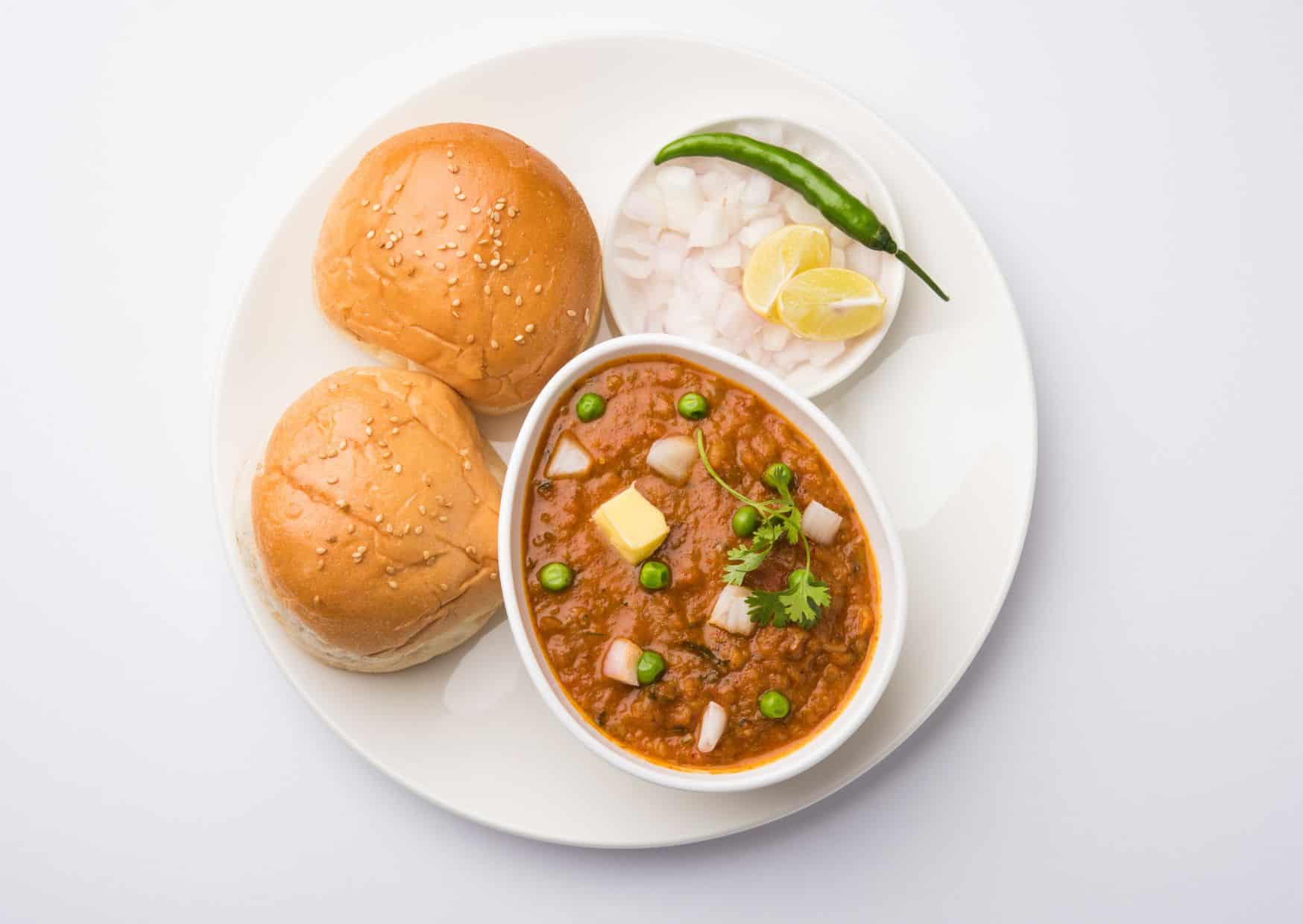
If you’ve ever walked through the bustling streets of Mumbai, the unmistakable scent of butter-sizzled bread and spicy mashed vegetables will stop you in your tracks. That’s Pav Bhaji—India’s most beloved street food, and arguably one of its most crave-worthy comfort dishes. Despite its humble roots, Pav Bhaji has become a national obsession, and for good reason.
Originally born in the 1850s as a quick lunch for textile workers in Mumbai, Pav Bhaji combines mashed vegetables simmered in a spiced tomato base, served with fluffy bread rolls toasted in butter. It’s fast, filling, flavorful, and surprisingly easy to make at home. What started as working-class sustenance is now served everywhere from food stalls to high-end restaurants.
But here’s the truth: most people outside India have never tasted Pav Bhaji the way locals eat it. This recipe guide breaks down how to make the real deal—no shortcuts, no flavorless substitutions. If you’ve only ever eaten it at a restaurant buffet, get ready to level up.
Read here how to make homemade Naan and how to make Indian Butter Chicken
BOOK YOUR TRAVEL INSURANCE
Two of our favorite travel insurance: Heymondo Vs Safetwing cheapest travel Insurance. You can get for $135 USD your Heymondo Travel Insurance with Heymondo discount code valid for 90 days. Read our full comparison of Genki vs Safetywing Travel Insurance Review and the comparison Heymondo vs Genki
How to Eat
Pav Bhaji isn’t just food—it’s an experience. The dish is served piping hot with a generous dollop of butter melting over the mashed bhaji (vegetable curry). Each bite should be scooped up with soft, toasted pav (bread rolls), lightly crispy on the edges and buttery all over. It’s messy, rich, and unapologetically indulgent.
The real way to eat Pav Bhaji? With your hands. Tear off a piece of bread, drag it through the bhaji, and mop up every bit of flavor. You can top it with chopped raw onions and a squeeze of lime for that zesty crunch locals swear by. Skip the spoon unless you’re down to the last spoonful.
If you’re feeling adventurous, level it up the way Mumbai locals do: order it “extra butter” or “cheese pav bhaji,” which involves grating cheese directly over the hot mash until it melts into a gooey, spicy mess. It’s over-the-top—but that’s the point.
How to Partner
Pav Bhaji isn’t a solo act—it shines even brighter with the right accompaniments. A chilled glass of masala soda or sweet lassi is a common pairing on the streets of India. The drink balances the spice and refreshes your palate between buttery bites.
At home, you can turn Pav Bhaji night into a full meal experience. Serve it alongside crunchy papad, pickled onions, or even a basic cucumber raita. These cooling sides enhance the boldness of the bhaji while offering texture contrast that keeps things exciting.
Hosting a party? Turn Pav Bhaji into a DIY bar. Prep the bhaji and lay out garnishes—grated cheese, onions, lime wedges, chopped cilantro, and butter cubes. Let guests customize their plate. It’s interactive, casual, and perfect for those who like to make a mess (deliciously).
In India, Pav Bhaji is almost sacred—but abroad, it’s often misunderstood or heavily Westernized. Many versions swap in bell peppers and peas alone, ignoring the rich mix of cauliflower, carrots, and even beetroot that give it true depth. Some versions even ditch the pav entirely in favor of rice or quinoa. That’s not Pav Bhaji. That’s just spicy mashed vegetables.
There’s also debate among Indians themselves about what defines “authentic.” Mumbai-style Pav Bhaji uses a unique blend of masalas and extra butter. But Delhi versions go heavier on spice, while others experiment with fusion—cheese, paneer, even tandoori versions. Purists say this ruins the legacy. Innovators argue that evolution keeps the dish alive.
Perhaps the most controversial take? Some Indians claim Pav Bhaji is not real food—it’s fast food. But that underestimates its cultural significance. It may be sold on the street, but it’s made with care, passed down through generations, and has become a symbol of modern Indian urban identity. That’s more than fast food—it’s heritage.
How to Make Homemade Pav Bhaji
Homemade Pav Bhaji Recipe Ingredients
For the Bhaji (Vegetable Mash):
2 tablespoons butter (or oil)
1 large onion, finely chopped
2 cloves garlic, minced
1-inch piece ginger, minced
2 large tomatoes, finely chopped
1 green bell pepper, finely chopped
1 cup cauliflower florets, chopped
1 large potato, peeled and diced
1 cup green peas (fresh or frozen)
1 carrot, diced
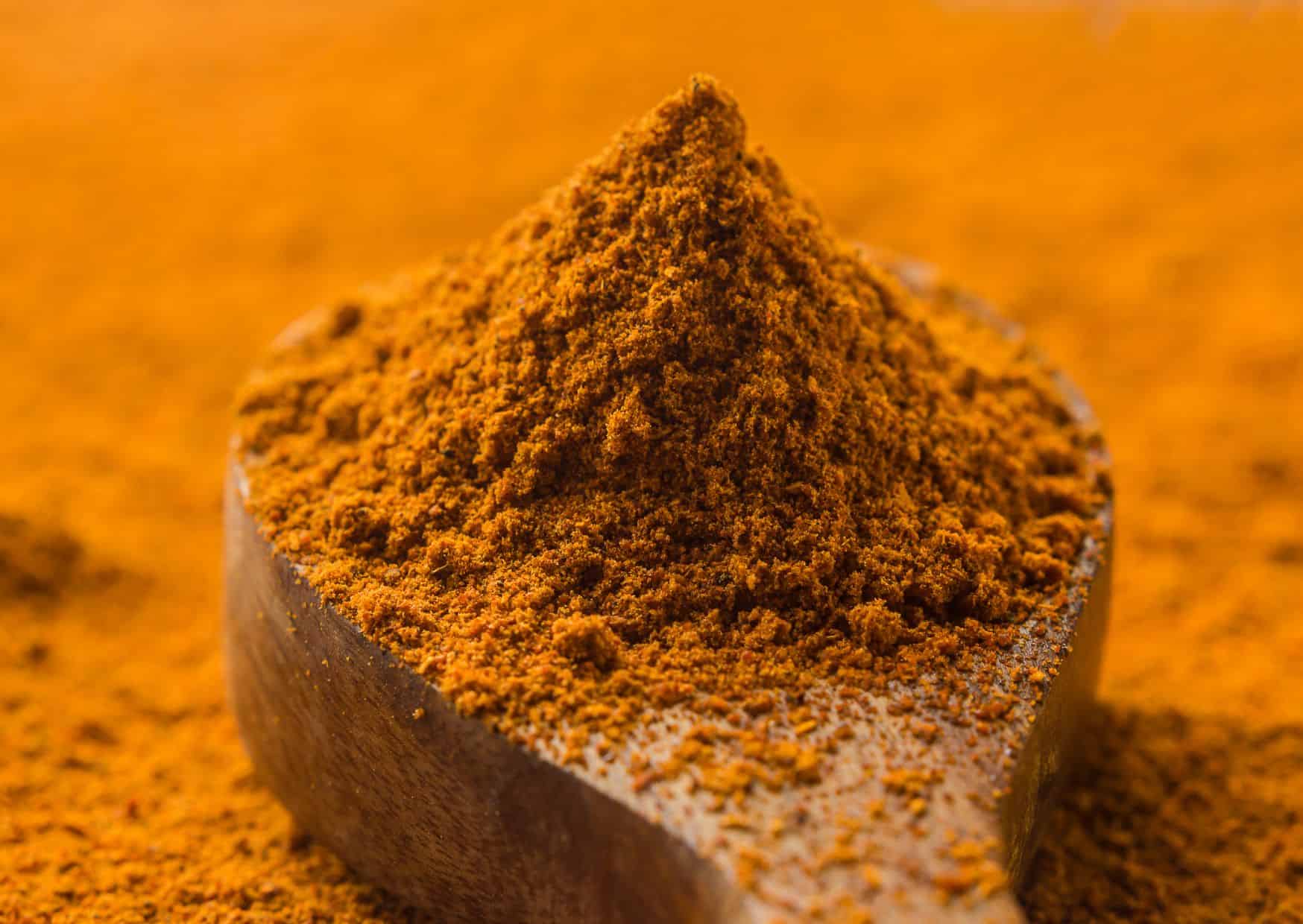
2 tablespoons Pav Bhaji masala
1 teaspoon turmeric powder
1 teaspoon chili powder
Salt to taste
2 tablespoons fresh lemon juice
Fresh cilantro, chopped (for garnish)
Water, as needed
For the Pav (Bread Rolls):
8 pav buns or soft dinner rolls
2 tablespoons butter
For Serving:
Lemon wedges
Chopped onions
Additional butter (optional)
Get the best deals for your home and kitchen needs
Step By Step How to Make Homemade Pav Bhaji
Prepare the Bhaji
In a large pot, add the diced potatoes, cauliflower, peas, and carrots. Add enough water to cover the vegetables and bring to a boil. Cook until the vegetables are tender. Drain and set aside.
In the same pot, heat 2 tablespoons of butter over medium heat. Add the chopped onions and sauté until they become translucent. Add the minced garlic and ginger, and sauté for another minute until fragrant. Add the chopped tomatoes and bell pepper to the pot. Cook until the tomatoes soften and the mixture becomes pulpy.
Stir in the Pav Bhaji masala, turmeric powder, chili powder, and salt. Cook for 2-3 minutes, allowing the spices to release their flavors.
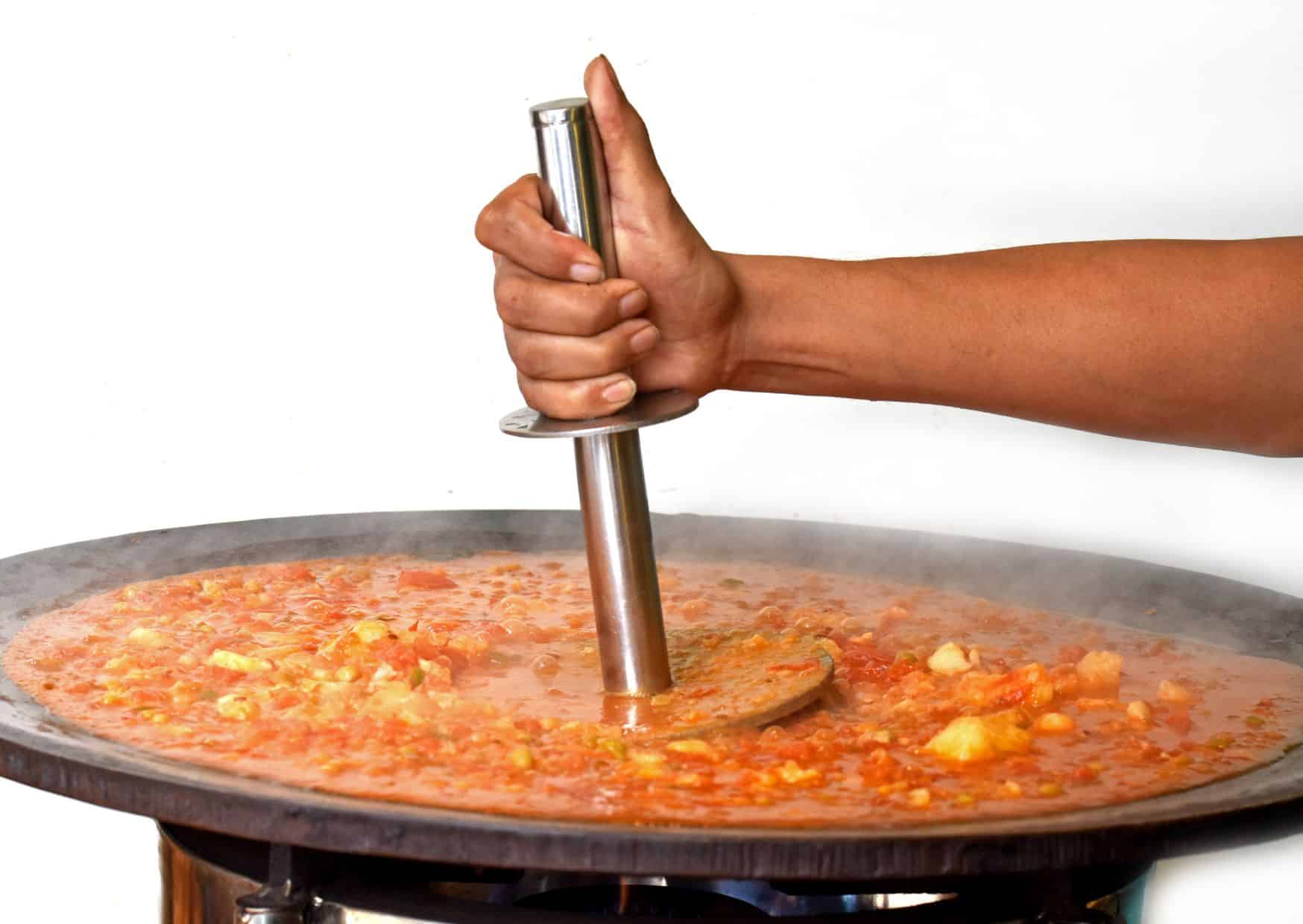
Add the cooked vegetables to the pot. Use a potato masher or the back of a spoon to mash the vegetables into a coarse paste. Add water as needed to achieve the desired consistency.
Let the bhaji simmer for 10-15 minutes, stirring occasionally. Adjust the seasoning if needed. Add fresh lemon juice and mix well. Garnish with chopped fresh cilantro.
Prepare the Pav
Heat a griddle or skillet over medium heat. Add a little butter to the skillet. Slice the pav buns horizontally and place them on the skillet. Toast them until they are golden brown and crispy.
Serve
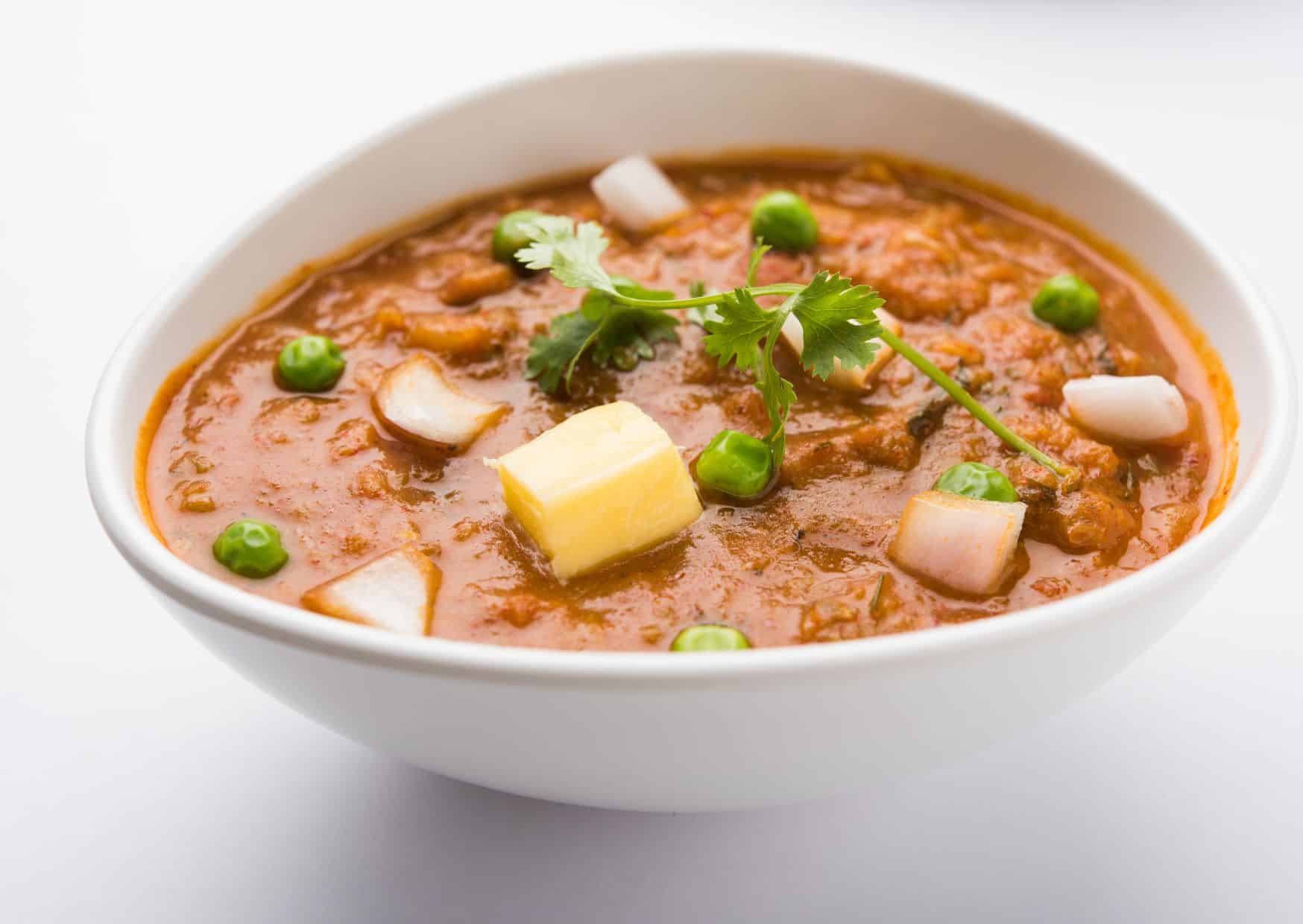
Serve the hot bhaji in a bowl. Place the toasted pav buns on the side. Garnish with chopped onions, lemon wedges, and a dollop of butter if desired. Enjoy immediately while hot.
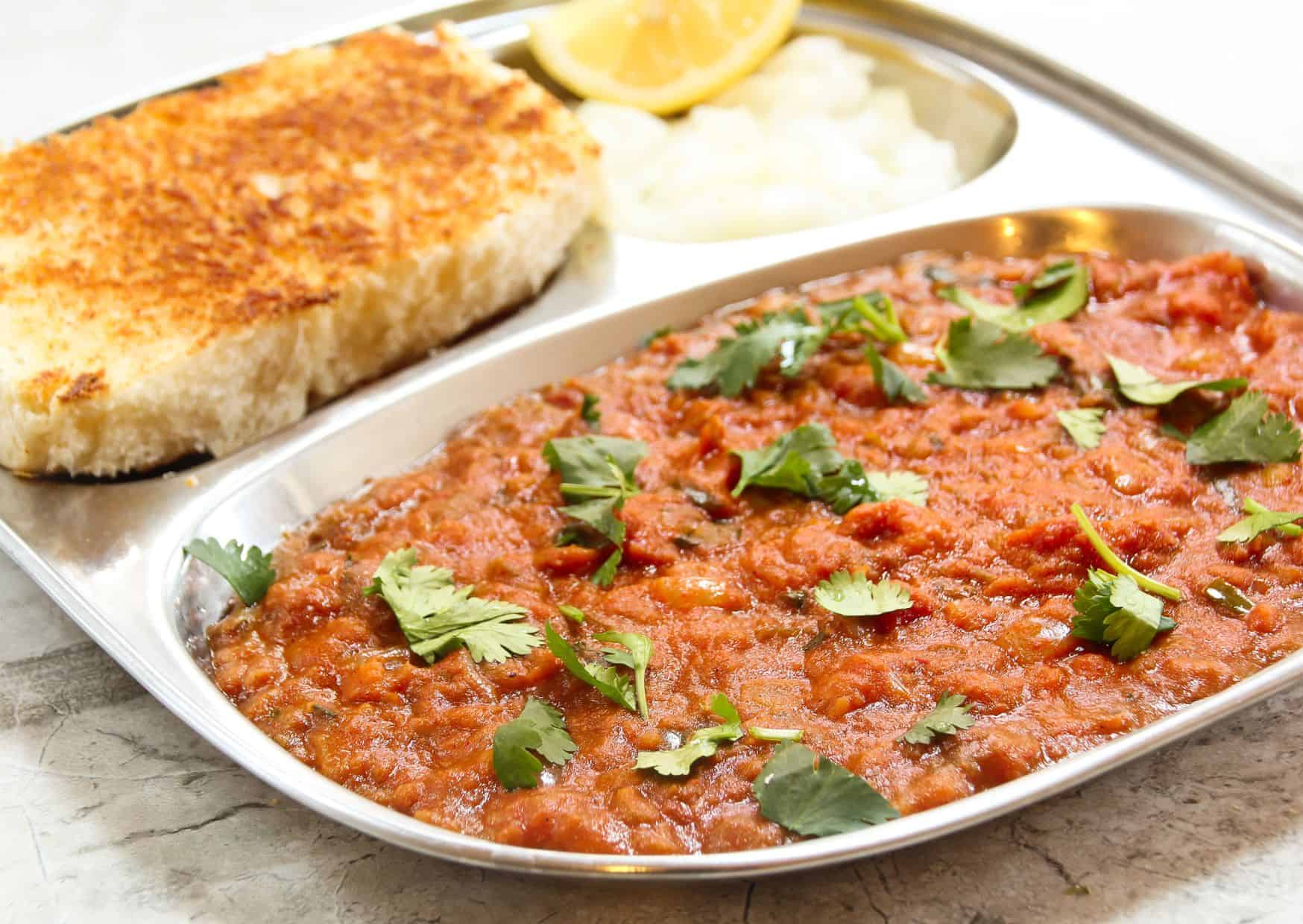
Tips To Make Homemade Pav Bhaji
Adjust the consistency of the bhaji by adding more or less water, depending on your preference. Pav Bhaji masala is key to the authentic flavor. You can find it at Indian grocery stores or online.
Feel free to add other vegetables like beans or beetroot for a different twist. Pav Bhaji is best enjoyed hot and fresh, with a squeeze of lemon juice and a sprinkle of fresh onions on top.
How Many Calories Have Pav Bhaji
Bhaji (Vegetable Mash): 250 calories
Pav (Bread Rolls): 150 calories per roll
Butter for Toasting: 50 calories
Total Estimated Calories per Serving: Approximately 450-600 calories (depending on the number of pav buns consumed)
Serving Suggestions
Toast your pav rolls in butter until the edges are crispy golden brown. Don’t skimp.
Serve the bhaji in a shallow bowl with a dollop of butter melting on top.
Offer sides like chopped onions, lime wedges, and fresh cilantro in small bowls so everyone can season to taste.
Want to go big? Pair it with a spiced buttermilk or chilled Indian soda. For dessert, something light like mango kulfi balances the richness.
Final Thoughts
Pav Bhaji may look like a simple dish, but every bite tells a story of migration, adaptation, and innovation. It’s a meal that grew up alongside India’s cities, shaped by the need for something fast, affordable, and filling. That it tastes this good is a delicious accident of history.
Cooking it at home gives you a chance to connect with that culture. From chopping the vegetables to toasting the pav, there’s something almost meditative about the process. And once it’s on the plate, you’ll understand why this dish has become one of India’s greatest culinary exports.
So the next time you’re craving comfort food that doesn’t compromise on flavor, skip the pizza and burgers. Make Pav Bhaji. You might just discover your new favorite dinner—and a small window into Indian street food magic.

About the Author: Ruben, co-founder of Gamintraveler.com since 2014, is a seasoned traveler from Spain who has explored over 100 countries since 2009. Known for his extensive travel adventures across South America, Europe, the US, Australia, New Zealand, Asia, and Africa, Ruben combines his passion for adventurous yet sustainable living with his love for cycling, highlighted by his remarkable 5-month bicycle journey from Spain to Norway. He currently resides in Spain, where he continues sharing his travel experiences with his partner, Rachel, and their son, Han.