
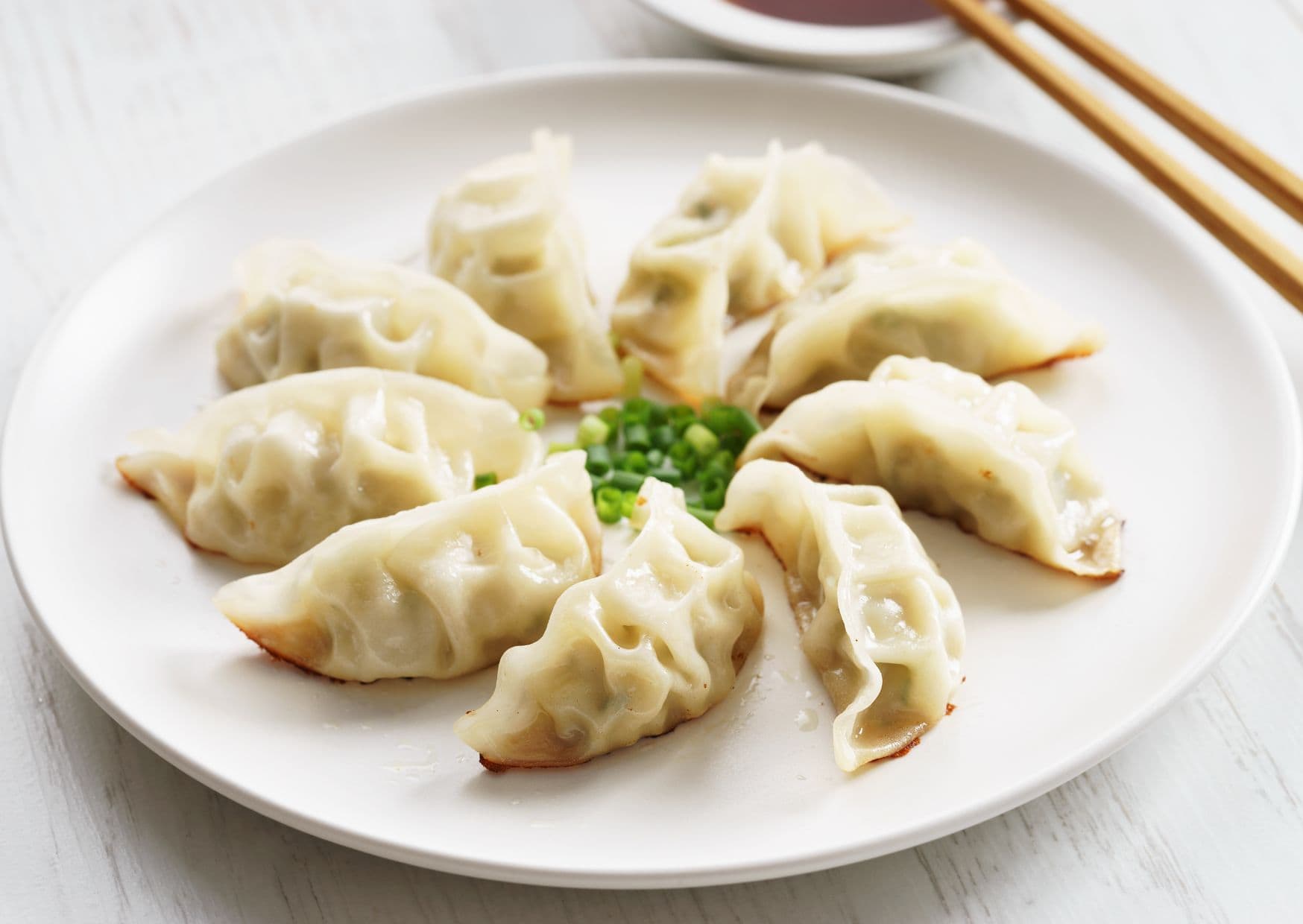
Gyoza, Japan’s irresistible pan-fried dumplings, have become a global favorite thanks to their crispy bottoms, juicy fillings, and bold flavors. Often served as an appetizer or side dish, gyoza offers the perfect bite savory meat or vegetable filling wrapped in delicate dough, crisped in a hot pan and finished with a quick steam. These dumplings combine taste, texture, and tradition in every mouthful.
While many enjoy gyoza at restaurants or from frozen packs, making them at home opens up a world of flavor and customization. Homemade gyoza isn’t as complicated as it seems, and crafting them allows you to control ingredients, experiment with fillings, and even perfect your folding technique. It’s a hands-on kitchen project that doubles as a fun cooking activity with family or friends.
In this guide, we’ll walk you through making authentic Japanese gyoza from scratch from mixing the filling to mastering the pan-fry and steam technique. Once you try making your own, you’ll see why gyoza has earned a permanent spot in kitchens worldwide.
Read here Things to know before visiting Japan and how to spend 36 Hours in Tokyo
BOOK YOUR TRAVEL INSURANCE
Two of our favorite travel insurance: Heymondo Vs Safetwing cheapest travel Insurance. You can get for $135 USD your Heymondo Travel Insurance with Heymondo discount code valid for 90 days. Read our full comparison of Genki vs Safetywing Travel Insurance Review and the comparison Heymondo vs Genki
Best Time to Eat & How to Partner Gyoza
Gyoza is wonderfully versatile perfect as an appetizer, snack, or part of a main meal. In Japan, they’re often enjoyed alongside ramen, with a dipping sauce, or served as a shared plate at izakayas (Japanese pubs). They make a great addition to a casual dinner or party spread.
Serve your homemade gyoza with classic dipping sauce made of soy sauce, rice vinegar, and a touch of chili oil. Pair them with light dishes like miso soup, steamed rice, or a crisp Asian slaw. For drinks, a light Japanese beer, green tea, or sake complements the savory and umami-rich flavors of the dumplings.
Gyoza also shines in a multi-course meal, working beautifully with stir-fried vegetables, noodle dishes, or grilled meats. Whether served as a starter or part of a main course, they bring a satisfying, crowd-pleasing element to any table.
One common misconception is that gyoza is just a Japanese version of Chinese dumplings. While gyoza was inspired by Chinese jiaozi, the Japanese have developed distinct flavors, thinner wrappers, and a unique cooking style making them a culinary staple in their own right.
Another debated belief is that gyoza is difficult or too time-consuming for home cooks. While folding the dumplings takes a bit of practice, the ingredients are simple, and the cooking technique is straightforward proving that with a little patience, anyone can master homemade gyoza.
Perhaps most surprising is the idea that gyoza is only a restaurant dish. In Japan, many families make gyoza at home, often as a group activity. Making dumplings is considered a fun, communal cooking tradition not a professional-only skill making it a perfect recipe for gatherings or weekend kitchen experiments.
How to Make Homemade Gyoza
Homemade Gyoza Recipe Ingredients
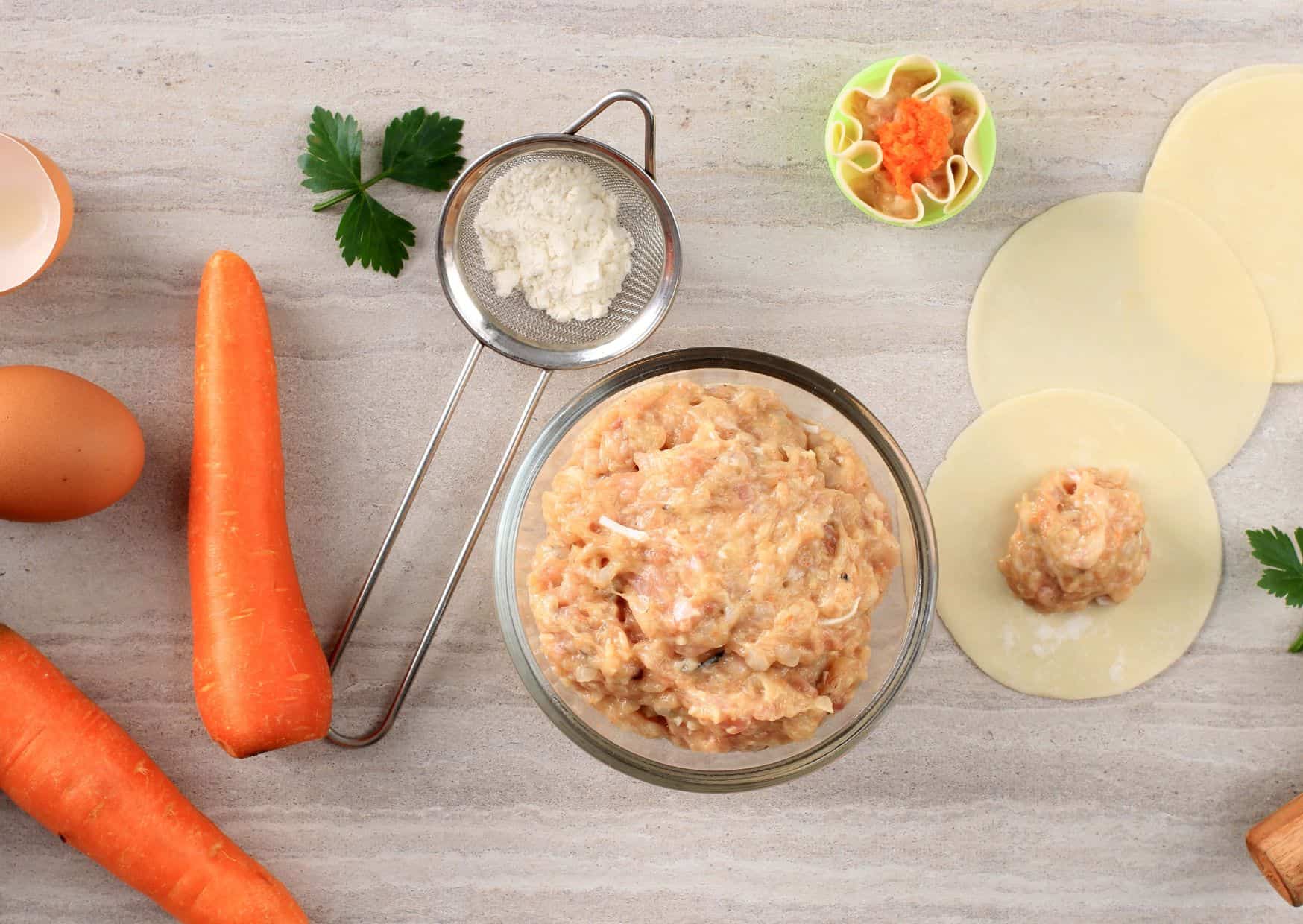
For the Filling:
1/2 pound ground pork (or chicken)
1 cup cabbage, finely chopped
2 green onions, finely chopped
2 cloves garlic, minced
1 teaspoon ginger, grated
1 tablespoon soy sauce
1 tablespoon sesame oil
1/2 teaspoon salt
1/4 teaspoon black pepper
For the Gyoza Wrappers:
30-40 gyoza wrappers (store-bought or homemade)
For Cooking:
2 tablespoons vegetable oil
1/2 cup water
For the Dipping Sauce:
2 tablespoons soy sauce
1 tablespoon rice vinegar
1 teaspoon sesame oil
1 teaspoon chili oil (optional)
Get the best deals for your home and kitchen needs
Step By Step How to Make Homemade Gyoza
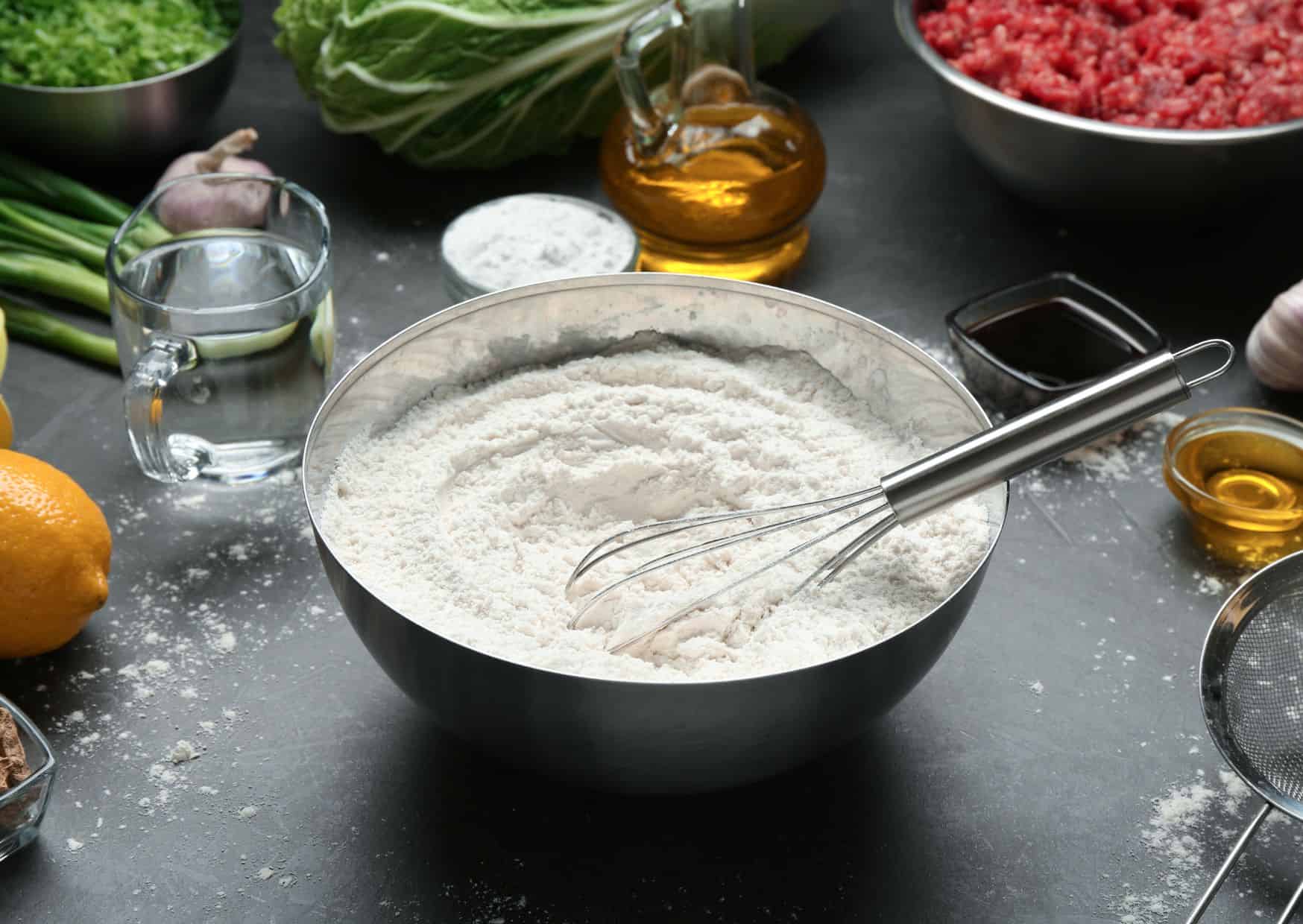
Prepare the Filling
In a large bowl, mix the ground pork, chopped cabbage, green onions, garlic, ginger, soy sauce, sesame oil, salt, and pepper until well combined.
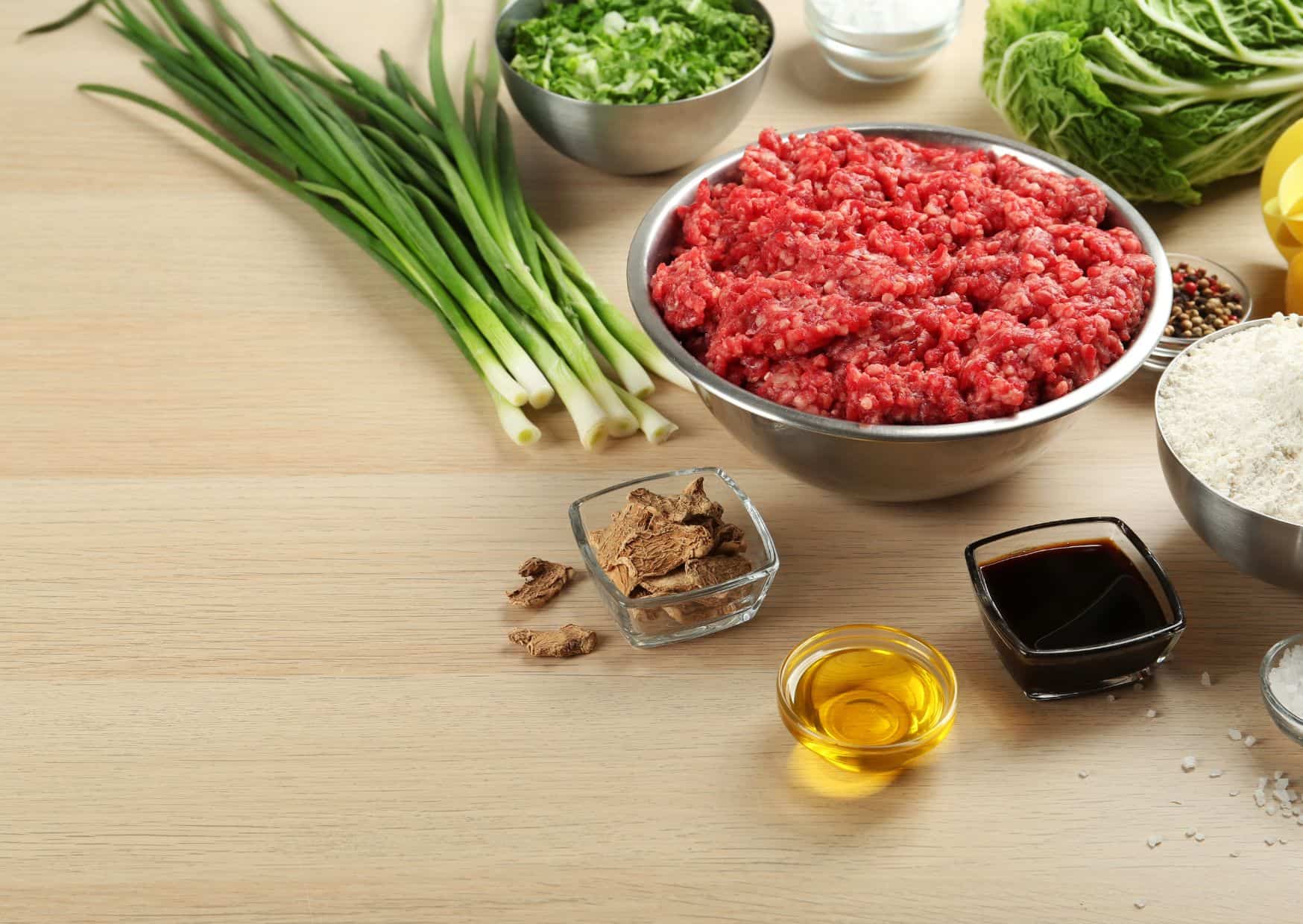
Assemble the Gyoza
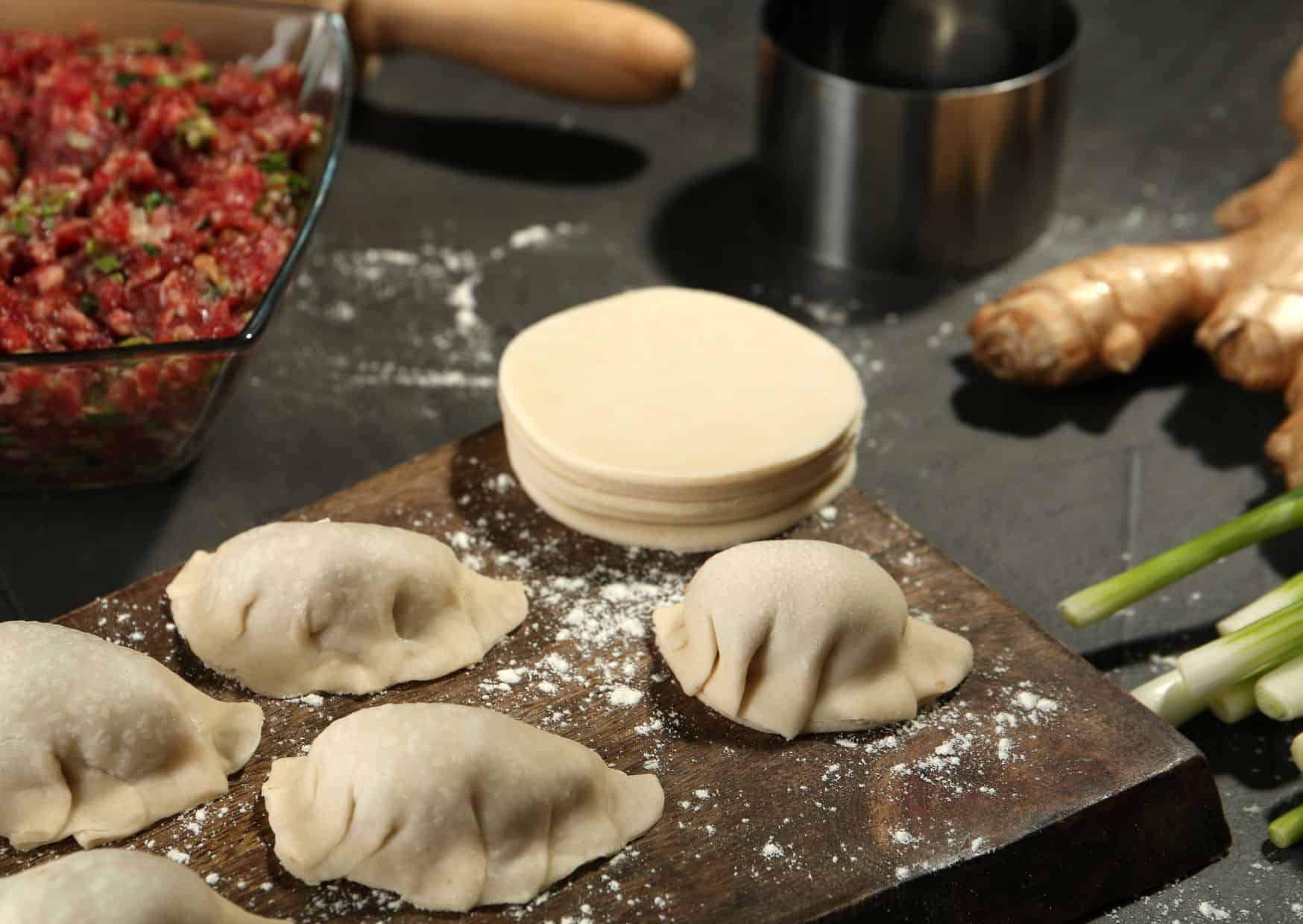
Place a gyoza wrapper on a clean surface. Add about 1 teaspoon of filling to the center of the wrapper. Moisten the edges of the wrapper with a little water using your finger.
Fold the wrapper in half over the filling to form a half-moon shape. Press the edges together to seal, making pleats along one side if desired. Repeat the process with the remaining wrappers and filling.
Cook the Gyoza
In a large non-stick skillet, heat the vegetable oil over medium-high heat. Arrange the gyoza in the skillet, flat-side down, making sure they do not touch each other.
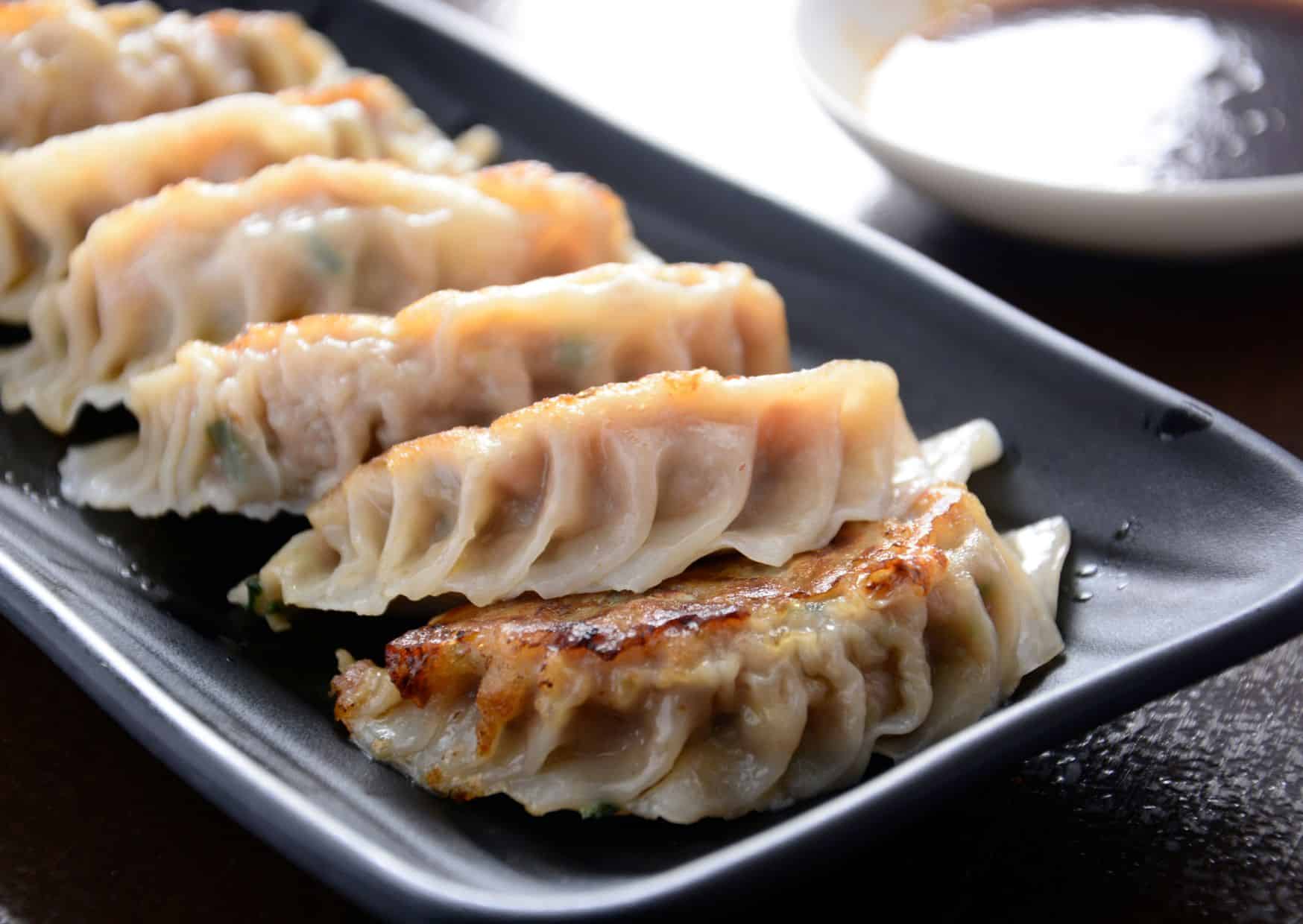
Cook until the bottoms of the gyoza are golden brown and crispy, about 2-3 minutes. Carefully pour 1/2 cup of water into the skillet and immediately cover with a lid. Reduce the heat to medium and steam the gyoza until the water has evaporated, about 5-6 minutes.
Remove the lid and continue to cook for another 1-2 minutes to re-crisp the bottoms.
Make the Dipping Sauce
In a small bowl, mix the soy sauce, rice vinegar, sesame oil, and chili oil (if using).
Serve
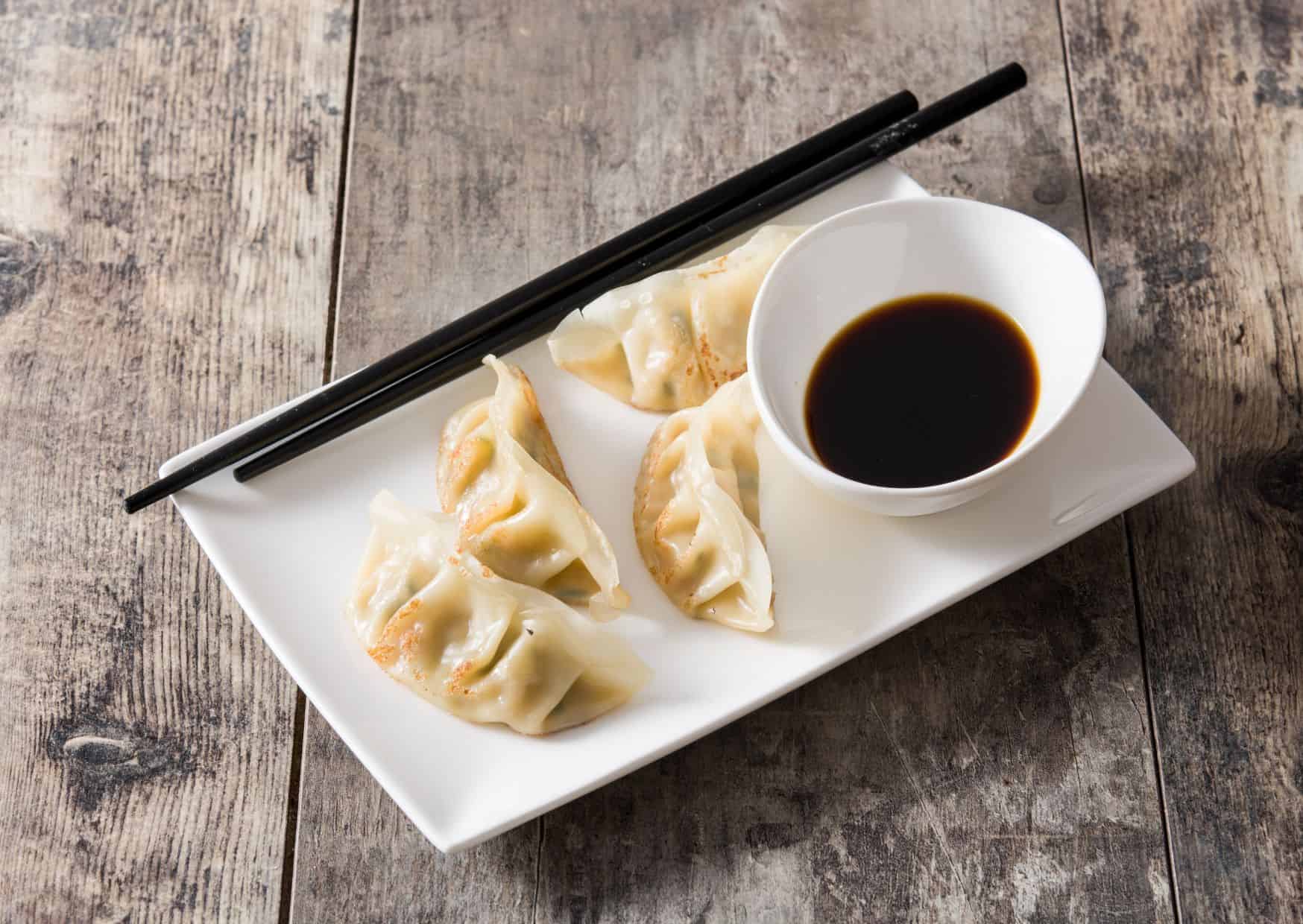
Transfer the cooked gyoza to a serving plate. Serve hot with the dipping sauce on the side.
Tips To Make Homemade Gyoza
Store-bought gyoza wrappers save time, but you can make homemade wrappers for a more authentic touch. You can substitute the pork with chicken, shrimp, or a vegetarian option like tofu and mushrooms.
Ensure the edges are sealed well to prevent the filling from leaking out during cooking. For a healthier option, you can steam or boil the gyoza instead of frying them.
How Many Calories Have Gyoza
Filling (pork, cabbage, seasoning): 30 calories
Wrapper: 20 calories
Cooking oil: 5 calories (per gyoza, depending on absorption)
Total Estimated Calories per Gyoza: Approximately 55 calories
Origin and History
The humble gyoza, Japan’s beloved pan-fried dumpling, has roots that stretch far beyond its borders. Originally inspired by the Chinese jiaozi, gyoza was introduced to Japan in the early 20th century when Japanese soldiers returning from Manchuria brought the concept home. Over time, it evolved into something uniquely Japanese lighter, crispier, and more finely balanced in flavor. While the Chinese version tends to have thicker wrappers and bolder fillings, Japanese gyoza focuses on subtlety and precision, making it a perfect harmony of texture and taste.
Gyoza first gained widespread popularity after World War II, when street vendors began selling them as affordable comfort food. The postwar era saw the rise of small neighborhood eateries specializing in ramen and gyoza, a pairing that remains iconic to this day. These little dumplings became a symbol of Japanese ingenuity: taking something foreign and refining it into an art form.
Today, gyoza is an essential part of Japan’s culinary identity, found everywhere from casual izakayas to high-end restaurants. Whether served steamed, boiled, or pan-fried, each version carries the same spirit delicate craftsmanship and communal enjoyment. Families still gather to fold dumplings by hand, turning the act of cooking into a social ritual passed down through generations.
As beloved as gyoza is, debates about authenticity and ownership persist. Some purists argue that Japanese gyoza is merely a variation of Chinese jiaozi, while others see it as a distinctly Japanese creation with its own merit. The thin wrapper, garlicky filling, and crispy bottom achieved by pan-frying the “yaki-gyoza” method are innovations born in Japan. The discussion mirrors a broader question in food culture: at what point does adaptation become invention?
Another controversy involves preparation methods. Traditionalists insist on hand-folding each gyoza, viewing the pleating process as an act of mindfulness and pride. However, modern cooks increasingly rely on molds or store-bought wrappers to save time. Critics claim this shortcuts the artistry of gyoza-making, while others argue that accessibility keeps the tradition alive for busy home cooks. The divide reflects the tension between preserving heritage and embracing practicality.
Even the question of dipping sauce sparks passionate debate. Some prefer the classic mix of soy sauce, vinegar, and chili oil, while others add sesame oil or ponzu for complexity. Every region and even every household has its own version. The argument isn’t about who’s right but about what makes gyoza so special: it’s endlessly adaptable, a dish shaped by personal taste as much as cultural tradition.
How Long You Take to Prepare
Making gyoza from scratch may seem time-consuming, but with a little organization, it’s surprisingly manageable. From start to finish, expect about 60 to 75 minutes, including prepping the filling, folding, and cooking. The process begins by finely chopping ingredients typically cabbage, garlic chives, ground pork, and garlic then mixing them with soy sauce, sesame oil, and a pinch of salt for seasoning. This filling should be chilled briefly to let the flavors meld.
Folding gyoza is where patience meets artistry. Each wrapper is filled with a small spoonful of mixture, then pleated along one side to create the signature half-moon shape. This step can take 20 to 30 minutes, depending on how many you’re making. It’s the perfect opportunity to involve friends or family it turns cooking into a shared experience, not just a task.
Cooking the gyoza is quick and satisfying. Start by searing the bottoms in a hot pan with a drizzle of oil until golden brown, then add water and cover to steam for a few minutes. When the water evaporates, remove the lid and let the dumplings crisp again for that irresistible crunch. The result? Juicy, flavorful filling wrapped in a tender yet crispy shell pure comfort in bite-sized form.
Serving Suggestions
Gyoza shines both as a side dish and a star on its own. In Japan, it’s often paired with ramen or served as a beer snack at izakayas. For a balanced meal, try serving it with steamed rice and miso soup. The combination of textures crispy, chewy, and soft creates a satisfying experience that feels both indulgent and wholesome.
For dipping, the traditional sauce is a simple yet perfect blend of soy sauce, rice vinegar, and chili oil. You can adjust the proportions to taste more vinegar for tanginess, more chili for heat. For a creative twist, try adding grated ginger, sesame seeds, or even a splash of yuzu juice for citrusy brightness.
If you’re hosting, gyoza makes an excellent party dish. Prepare a large batch in advance, freeze them on a tray, and cook straight from frozen whenever needed. Serve alongside edamame, pickled vegetables, or Japanese-style fried rice for a full spread. The versatility of gyoza makes it easy to adapt for any occasion: casual or festive.
Final Thoughts
Gyoza is proof that the simplest foods often carry the deepest cultural meaning. Each dumpling reflects Japan’s dedication to detail an appreciation for balance, patience, and craft. What began as a borrowed idea has become a culinary icon, embodying the Japanese philosophy of kaizen, or continuous improvement. Making gyoza at home allows anyone, anywhere, to connect with that tradition in a deeply satisfying way.
Beyond flavor, there’s something special about the process itself. Folding gyoza is meditative, cooking them is exciting, and sharing them brings people together. In an age of convenience and shortcuts, these small, mindful acts remind us of the joy found in slowing down and creating with intention.
So the next time you crave comfort food, skip the takeout and make gyoza from scratch. The sound of sizzling dumplings, the aroma of sesame oil, and that first crispy bite will remind you why Japan and now the world has fallen in love with this humble yet irresistible dish.

About the Author: Ruben, co-founder of Gamintraveler.com since 2014, is a seasoned traveler from Spain who has explored over 100 countries since 2009. Known for his extensive travel adventures across South America, Europe, the US, Australia, New Zealand, Asia, and Africa, Ruben combines his passion for adventurous yet sustainable living with his love for cycling, highlighted by his remarkable 5-month bicycle journey from Spain to Norway. He currently resides in Spain, where he continues sharing his travel experiences with his partner, Rachel, and their son, Han.