
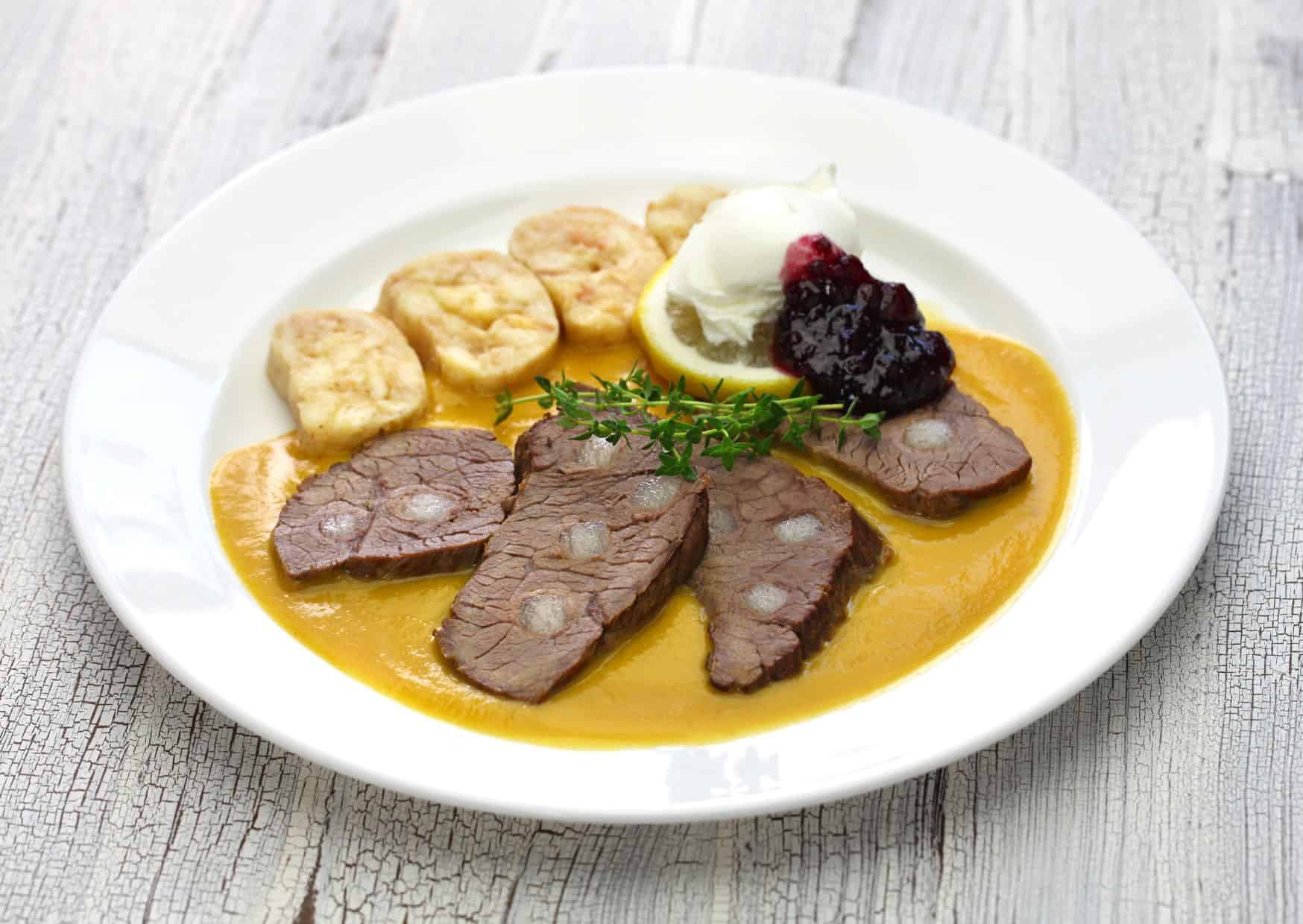
Svíčková na smetaně isn’t just a mouthful to say—it’s a mouthful of rich, comforting flavor that’s won the hearts of generations in the Czech Republic. This creamy marinated beef dish, served with a velvety root vegetable sauce, is one of the country’s most beloved and iconic meals.
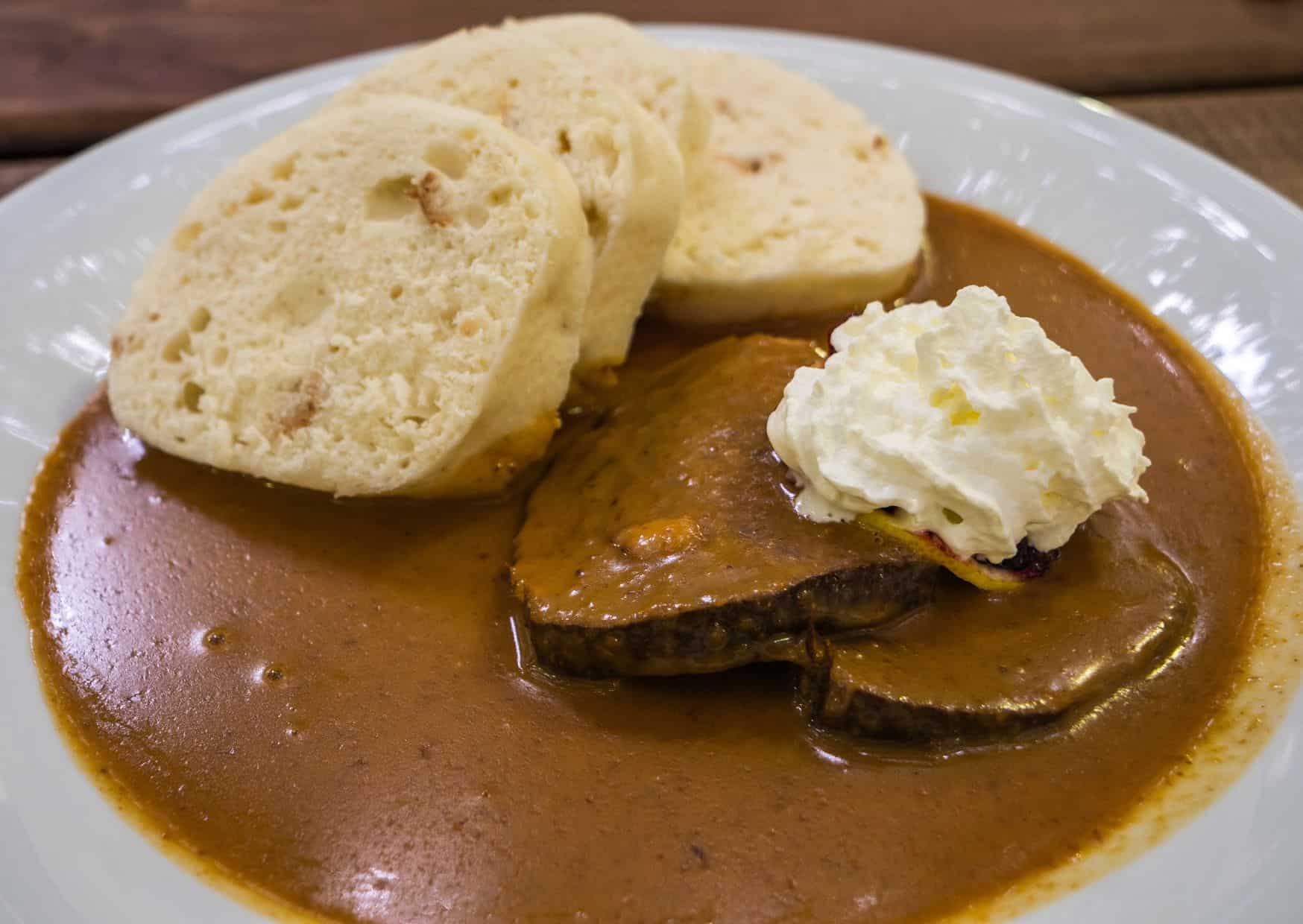
At its heart, svíčková is all about slow cooking and balance. The beef is marinated in vinegar, herbs, and vegetables, then roasted and served with a creamy carrot-parsnip sauce, sweetened subtly with sugar and sharpened with vinegar. A dollop of whipped cream, a slice of lemon, and a spoon of cranberry sauce on top? That’s the classic finishing touch.
While it may sound fancy, svíčková is a true Czech comfort food—served at weddings, Sunday family lunches, and in humble pubs across the country. Making it at home takes a bit of time, but the reward is a dish that’s hearty, elegant, and completely unforgettable.
Read here Best Czech Republic Food and best breakfast in the Czech Republic
BOOK YOUR TRAVEL INSURANCE
Two of our favorite travel insurance: Heymondo Vs Safetwing cheapest travel Insurance. You can get for $135 USD your Heymondo Travel Insurance with Heymondo discount code valid for 90 days. Read our full comparison of Genki vs Safetywing Travel Insurance Review and the comparison Heymondo vs Genki
Best Time to Eat Svíčková
Svíčková is traditionally served as a main course for lunch or dinner, especially on weekends or holidays when there’s time to prepare and enjoy it slowly. It’s the perfect dish for a cold-weather meal, a special family gathering, or a European-themed dinner night.
How to Partner Svíčková
This dish is best served with Czech bread dumplings (houskové knedlíky) to soak up the creamy sauce. Add a side of cranberry preserve or pickled vegetables, and pair it with a crisp Czech Pilsner or light red wine like Pinot Noir. For dessert, follow with apple strudel or Medovník (honey cake) to complete the Central European experience.
One of the biggest misconceptions about svíčková is assuming it’s just “meat in sauce.” That oversimplifies a dish that’s deeply tied to Czech identity and culinary tradition. The preparation—especially the marination and sauce blending—is a delicate process that demands patience and care, not just pouring cream over beef.
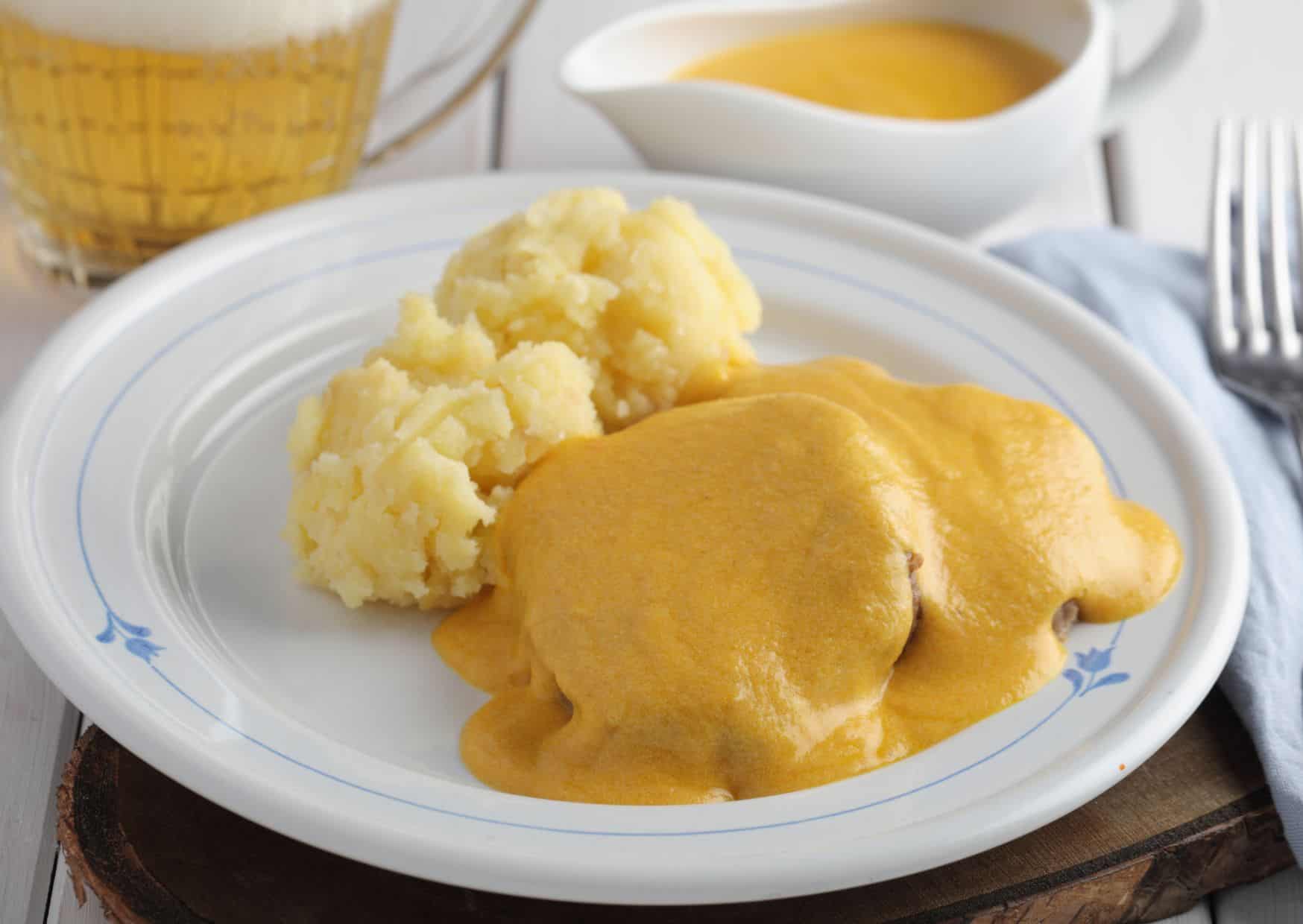
Another issue is how this dish is often misunderstood outside the Czech Republic. Some restaurants abroad will substitute key ingredients, skip the marinade, or serve it with mashed potatoes instead of dumplings. While those adaptations may taste good, they stray far from what makes svíčková special. The real dish is about technique, not shortcuts.
Lastly, in a world obsessed with fast food and 15-minute meals, svíčková goes against the grain. It’s slow food at its finest—meant to be prepared with intention, eaten with gratitude, and shared with others. In that way, it’s not just a dish—it’s a quiet rebellion against culinary convenience.
How to Make Svíčková na Smetaně
Svíčková na Smetaně Recipe Ingredients
For the Marinade and Beef:
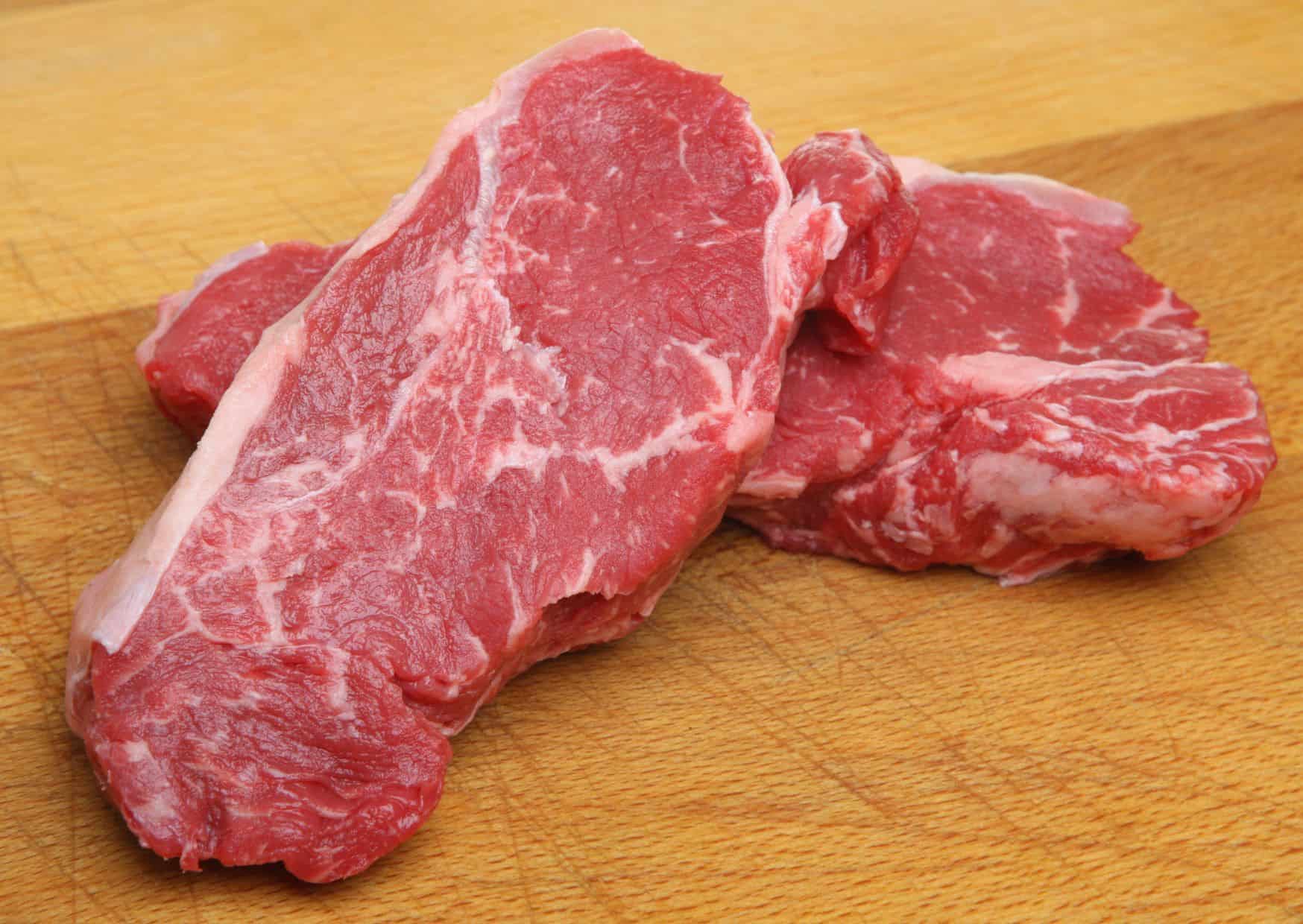
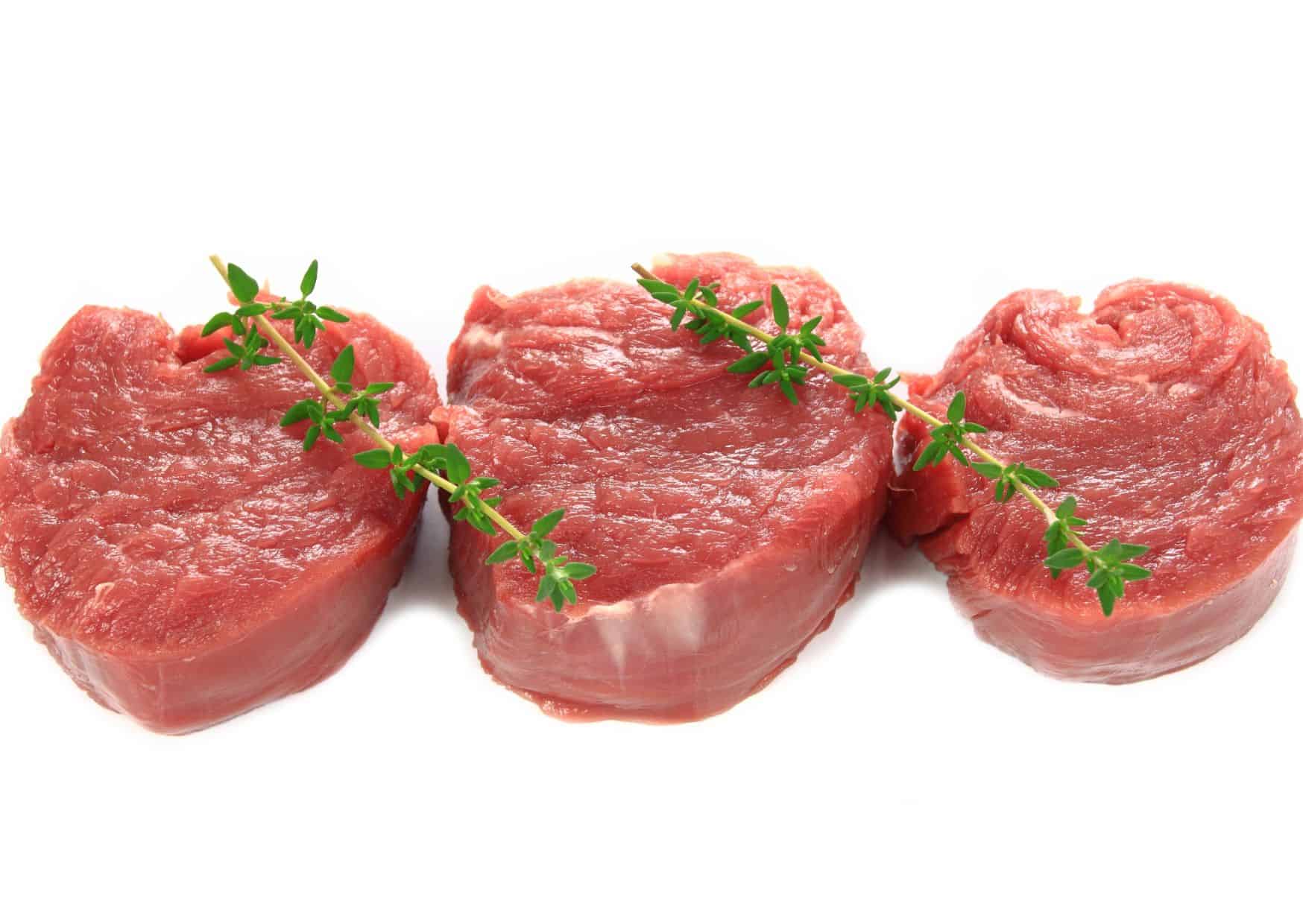
2 pounds (900g) beef sirloin or tenderloin
2 large carrots, chopped
1 large parsnip, chopped
1 large onion, chopped
2-3 cloves garlic, minced
1 bay leaf
1 tablespoon whole black peppercorns
1 tablespoon allspice berries
3-4 sprigs fresh thyme
2 cups water or beef broth
1 cup white wine vinegar
Salt and pepper to taste
For the Sauce:
1 cup heavy cream
2 tablespoons butter
2 tablespoons all-purpose flour
1 teaspoon sugar
1-2 tablespoons lemon juice (to taste)
For Serving:
Czech bread dumplings (knedlíky) or boiled potatoes
Cranberry sauce or lingonberry jam (optional, for garnish)
Fresh parsley, chopped (for garnish)
Get the best deals for your home and kitchen needs
Step By Step How to Make Svíčková na Smetaně
Marinate the Beef
In a large bowl or container, combine the chopped carrots, parsnip, onion, garlic, bay leaf, peppercorns, allspice berries, and thyme.
Place the beef sirloin in the marinade mixture. Pour in the water or beef broth and white wine vinegar.
Cover and refrigerate for at least 12 hours, preferably overnight, to allow the flavors to meld.
Cook the Beef
Remove the beef from the marinade and pat it dry with paper towels. Reserve the marinade. Season the beef with salt and pepper. In a large pot or Dutch oven, heat the butter over medium-high heat. Sear the beef on all sides until browned. Remove the beef and set aside.
Cook the Vegetables
Add the reserved marinade (including the vegetables) to the pot. Bring to a boil, then reduce the heat to low and simmer for about 10 minutes.
Simmer the Beef
Return the beef to the pot with the vegetables. Add more water or beef broth if needed to cover the beef.
Cover and simmer gently for about 2-3 hours, or until the beef is tender.
Make the Sauce
Remove the beef and set aside, keeping it warm. Using an immersion blender or regular blender, blend the cooked vegetables and broth until smooth.
In a separate pan, melt the butter over medium heat. Stir in the flour to make a roux, cooking until it turns golden brown.
Gradually whisk in the blended vegetable mixture until smooth and thickened.
Stir in the heavy cream, sugar, and lemon juice. Season with salt and pepper to taste. Simmer the sauce for another 5-10 minutes, stirring occasionally.
Serve
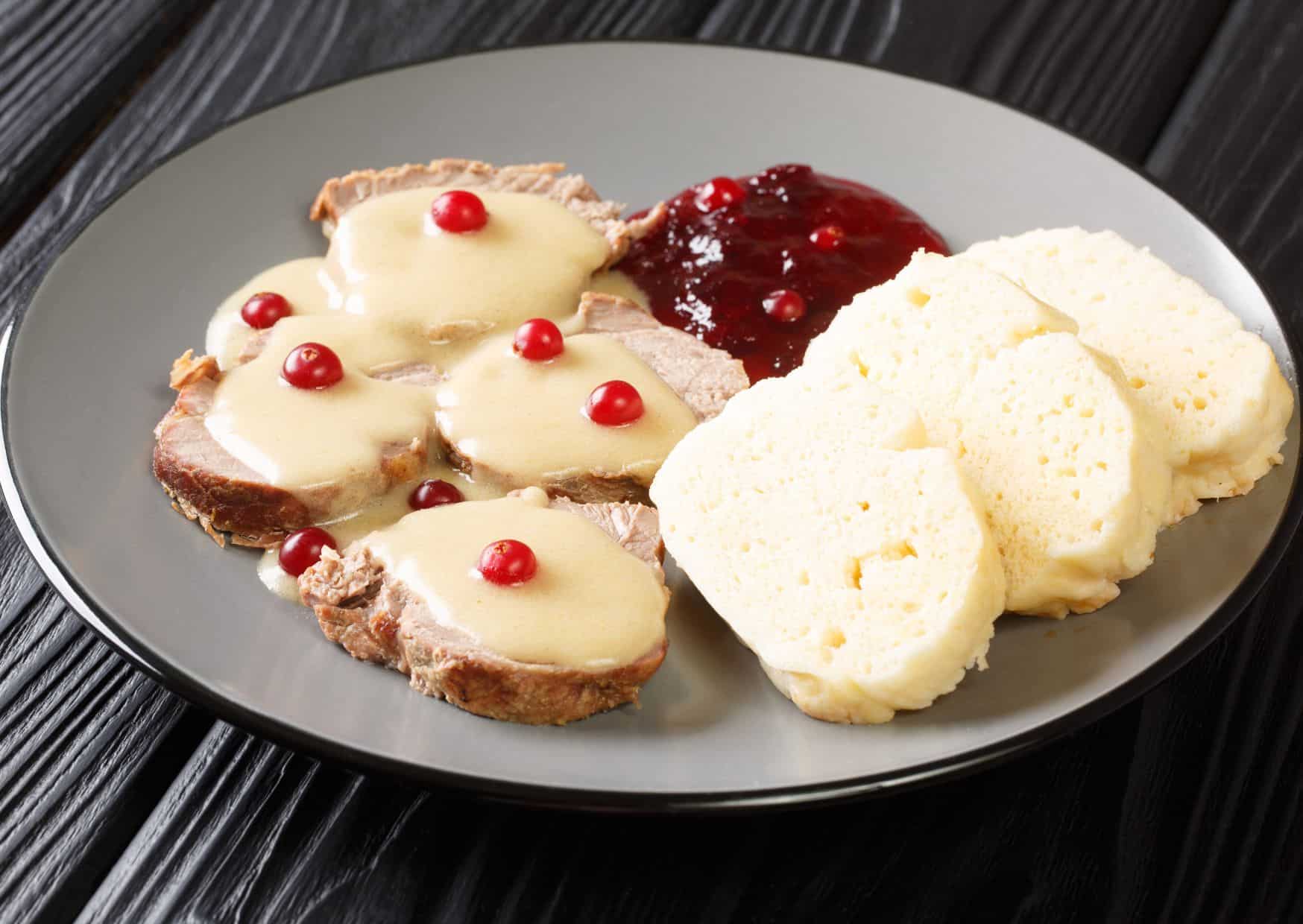
Slice the cooked beef into thin slices. Place the slices on a serving platter. Pour the creamy vegetable sauce over the beef slices.
Serve with Czech bread dumplings or boiled potatoes. Garnish with fresh parsley and a dollop of cranberry sauce or lingonberry jam if desired.
Tips To Make Svíčková na Smetaně
The longer you marinate the beef, the more flavorful it will be. Overnight marination is ideal. Be careful not to burn the roux; cook it slowly over medium heat until it reaches a golden color.
Adjust the consistency of the sauce by adding more broth if it’s too thick or letting it reduce if it’s too thin. If you’re new to making Czech bread dumplings, consider purchasing pre-made ones from specialty stores or online.
How Many Calories Have Svíčková na Smetaně
Beef (2 pounds): Approximately 2000 calories
Vegetables (carrots, parsnip, onion): Approximately 200 calories
Butter (4 tablespoons): Approximately 400 calories
Heavy Cream (1 cup): Approximately 800 calories
Miscellaneous (flour, sugar, seasonings): Approximately 100 calories
Bread Dumplings (per serving): Approximately 150 calories
Total Calories for Entire Dish (without dumplings): Approximately 3500 calories
Calories per Serving (without dumplings): Approximately 580 calories
Calories per Serving (with dumplings): Approximately 730 calories
Origin and History
Svíčková na smetaně is one of the most beloved dishes in Czech cuisine, yet outside Central Europe it remains surprisingly unknown. Its origins date back to medieval Bohemia, when slow-roasting meats with root vegetables was a practical way to feed large households. Over the centuries, cooks refined these rustic techniques, developing sauces that balanced sweetness, acidity, and creaminess—leading to the earliest versions of what would become svíčková.
By the 18th and 19th centuries, the Czech lands embraced a more refined, Austro-Hungarian style of cooking. Nobility and urban households began elevating traditional dishes into celebratory meals. Svíčková evolved during this period into a marinated, slow-braised beef dish served with a silky vegetable cream sauce. The combination of carrots, celery root, parsnip, and cream created the distinctive flavor that makes it so cherished today.
In Czech culture, svíčková is more than a recipe—it is a symbol of home, family gatherings, and Sunday lunches. Many Czechs have childhood memories tied to this dish, and recipes are passed down through generations with slight family variations. It remains a staple meal for holidays, celebrations, and even weddings, where it often appears as the main course.
Despite its popularity in the Czech Republic, svíčková sparks strong opinions about what defines the “right” version. Some cooks argue that marinating the beef for 24 hours is essential for authentic flavor, while others claim that proper browning and slow braising are enough. This divide highlights a tension between modern convenience and tradition.
Another debate revolves around the sweetness of the sauce. Some families prefer a subtle sweetness from root vegetables alone, while others add sugar, cranberry sauce, or even gingerbread to deepen the complexity. Purists often argue that too much sweetness masks the dish’s natural balance, while innovators believe each cook should tailor the sauce to personal taste.
There is also disagreement about what cut of beef should be used. Traditionalists insist on tenderloin, the cut that gives the dish its name. However, many home cooks now use more affordable options like rump or sirloin, claiming that long braising makes them just as tender. This debate underscores the ongoing evolution of Czech cuisine as it adapts to modern kitchens.
How Long You Take to Prepare
Svíčková na smetaně takes time, but most of it is hands-off. If you choose to marinate the beef, you’ll need 12 to 24 hours for the meat to absorb the flavors of spices and vegetables. This step deepens the complexity but can be skipped if you’re short on time. Without marinating, preparation begins with chopping root vegetables—a quick 10- to 15-minute task.
The slow-cooking process is where the magic happens. Once the vegetables are sautéed and the beef is browned, everything simmers gently for about two to three hours. This extended braising softens the meat and allows the sauce base to develop its rich, layered flavor. While it cooks, there is little required beyond occasional checking.
Finishing the dish involves blending the vegetables into a smooth sauce and stirring in cream, which takes around 10 minutes. Altogether, the active cooking time is minimal, but the long simmering gives the dish its signature depth. Svíčková is a dish best made on weekends, when you can enjoy the aroma filling your kitchen as it cooks slowly to perfection.
Serving Suggestions
Traditional svíčková is served with Czech bread dumplings, known as knedlíky, which perfectly absorb the creamy sauce. A spoonful of cranberry or lingonberry sauce on the side adds sweetness and acidity that balance the richness of the dish. Many Czech households also garnish with a slice of lemon and a dollop of whipped cream—a combination that surprises newcomers but completes the classic presentation.
For a heartier spread, pair svíčková with roasted vegetables or buttered potatoes. While not traditional, these additions work beautifully with the dish’s flavors. If you want a lighter option, steamed green beans or a simple cucumber salad with vinegar helps cut through the richness.
To create a full Czech-themed meal, serve svíčková with a cold pilsner beer or a glass of Czech white wine like Müller-Thurgau. Both drinks complement the dish’s creamy, savory notes. No matter how you serve it, the key is to enjoy it slowly—svíčková is a dish meant to be savored.
Final Thoughts
Svíčková na smetaně is one of those rare dishes that blends comfort, elegance, and deep tradition into one satisfying plate. Its silky sauce, tender beef, and delicate balance of sweet and savory flavors make it unforgettable once you’ve tried it. For many, it becomes an instant favorite—something you look forward to making again and again.
While it may seem intimidating at first, svíčková is surprisingly approachable for home cooks. The ingredients are simple, and the process is forgiving as long as you allow time for slow cooking. With just a bit of patience, you can create a dish that tastes like it came straight from a Czech family kitchen.
Ultimately, making svíčková at home is more than learning a recipe—it’s an invitation to explore a unique corner of Central European cooking. Whether you’re expanding your culinary horizons or craving a comforting meal, this creamy Czech classic delivers warmth, flavor, and tradition in every bite.

About the Author: Ruben, co-founder of Gamintraveler.com since 2014, is a seasoned traveler from Spain who has explored over 100 countries since 2009. Known for his extensive travel adventures across South America, Europe, the US, Australia, New Zealand, Asia, and Africa, Ruben combines his passion for adventurous yet sustainable living with his love for cycling, highlighted by his remarkable 5-month bicycle journey from Spain to Norway. He currently resides in Spain, where he continues sharing his travel experiences with his partner, Rachel, and their son, Han.