
Traveling to Spain exposes visitors to unique experiences that can be quite unexpected, to say the least. The vibrant Spanish culture, with its rich tapestry of history, art, and traditions, often surprises foreigners. Whether it’s the late-night dinners or the lively streets that never seem to sleep, the cultural differences are apparent. It’s not unusual for newcomers to find themselves going through a cultural shock as they navigate the sights, sounds, and tastes that make Spain so distinctive.
Upon arrival, many people fall in love with Spain instantly—this is often described as the honeymoon phase. Everything feels new and exciting, from the sounds of flamenco dancing to the aroma of fresh paella. But as days turn into weeks, the initial fascination may shift into a more complex stage of cultural adjustment. Here, visitors start to notice more of the subtleties of Spanish culture, which might not have been obvious at first.
Understanding local meal times, accepting the concept of ‘siesta’, or getting used to the Spanish way of life are all part of the adjustment phase. These aspects of daily life in Spain can take some time for newcomers to get used to. But as they do, the culture shock fades, allowing them to appreciate the depth and warmth of Spanish culture fully.
Read here best things to know before visiting Spain, best Spanish food and the Biggest Mistakes when moving to Spain
BOOK YOUR TRAVEL INSURANCE
Two of our favorite travel insurance: Heymondo Vs Safetwing cheapest travel Insurance. You can get for $135 USD your Heymondo Travel Insurance with Heymondo discount code valid for 90 days. Read our full comparison of Genki vs Safetywing Travel Insurance Review and the comparison Heymondo vs Genki
Quick Easy Tips
Adjust to late meal times, as lunch is around 2-3pm and dinner often starts after 9pm.
Embrace the siesta culture, with shops closing mid-afternoon, especially in smaller towns.
Greet with two kisses on the cheek in informal settings, starting with the left side.
Don’t expect fast service, as dining out is seen as a social experience rather than a quick meal.
Carry cash, since some small businesses prefer it over cards.
Dress neatly, as Spaniards value appearance even for casual outings.
Learn basic Spanish phrases, as not everyone speaks English fluently, especially outside tourist zones.
Respect quiet hours at night, particularly in residential areas.
Don’t tip excessively, as tipping culture is minimal or rounding up the bill.
Prepare for regional differences, as customs vary between areas like Catalonia, Basque Country, and Andalusia.
One controversial understanding is how tourists often misinterpret Spain’s slower pace of life as laziness or inefficiency. Many visitors arrive expecting rapid service and constant productivity, only to feel frustrated by midday siestas or long, relaxed meals. Locals argue that this lifestyle prioritises mental health, family time, and community connection, creating a healthier society overall.
Another debated issue is how Spain’s affectionate greeting customs, such as cheek kissing, clash with visitors’ cultural boundaries. Some tourists find it invasive or uncomfortable, especially those from countries with larger personal space norms. Spaniards, however, see it as a sign of warmth and friendliness, and find formal handshakes cold and distant in casual settings.
Finally, there’s the controversy of tourists criticising bullfighting, flamenco shows, or local fiestas without understanding their historical and cultural contexts. While ethical concerns are valid, locals argue that outsiders often judge these traditions superficially without recognising their complex ties to regional identity, history, and community cohesion. This tension fuels ongoing debates between cultural preservation and evolving modern ethics within Spain’s tourism landscape.
No. 1: Midnight Snacks for Dinner? Embracing Late Spanish Mealtimes

One of the most delightful surprises for newcomers in Spain is discovering that dinner is practically a midnight snack! While the rest of the world might be getting ready for bed, Spaniards are just gearing up for their evening meal. Typically served from 9 PM onwards, Spanish dinners turn dining into a night-time affair.
Why So Late? The rhythm of daily life in Spain leans towards the nocturnal. Thanks to a cultural preference for avoiding the midday sun and maximizing cooler evening hours, Spaniards have long embraced later mealtimes. This schedule not only keeps the social scene vibrant but also aligns with a more relaxed approach to the day.
Adjusting Your Clock: If you find yourself stomach-growlingly puzzled by the late hours, why not dive into the local way of life? Try shifting your meals later and later each day, or embrace the Spanish ‘merienda,’ a delightful afternoon snack that can tide you over until dinner. You might find that dining alongside spirited locals in a bustling tapas bar at 10 PM adds a whole new flavor to your life!
Fun Fact: Did you know that the late dining could be partly historical? Some say it dates back to the Franco era, with changes in time zones aligning Spain more closely with its distant neighbors than with the sun overhead.
Savor the Night: Dining late means the streets are alive with energy long after dark, offering more time to explore, socialize, and experience Spain’s famed nightlife. Who says eating late is a bad idea when it makes every dinner feel like a celebration?
Read here best Spanish food and best breakfast in Spain
No. 2: Siesta: Not Just a Nap, It’s a Spanish Institution
In many parts of the world, napping might be a weekend luxury or a guilty pleasure. But in Spain, the siesta is practically a sacred institution! This charming cultural shock is one that often delights as much as it disorients newcomers.
What’s the Deal with Siesta? Traditionally, the siesta was a practical response to the scorching midday heat, offering a reprieve to recharge. These days, while modern offices in big cities may skip the nap, smaller towns and rural areas still shut down from around 2 PM to 5 PM. Yes, even shops lock up, and the busy streets turn eerily quiet.
Adapting to the Quiet Hours: Embracing the siesta means reshaping your day around a long lunch followed by some downtime. Whether you use it to nap, read, or simply enjoy a leisurely coffee, adopting this rhythm can make your integration into Spanish life smoother and more enjoyable.
Cultural Benefits: The siesta supports a lively late-night culture, so don’t be surprised if locals are more awake and active at midnight than at noon! This unique schedule allows for evening activities to start later and continue well into the night.
Local Insights: If you find yourself initially puzzled by the closed doors and quiet streets, take it as the perfect opportunity to plan your evenings. After all, when in Spain, why not live like the Spaniards? Enjoy a late lunch, indulge in a restful siesta, and then explore the vibrant nightlife refreshed and ready.
A Little Tip: Initially, the siesta might throw off your whole day’s timing, especially if you’re used to non-stop activity. Try embracing this slower pace as a way to truly experience the Spanish lifestyle—think of it as a cultural immersion, one nap at a time!
CLICK HERE TO BOOK YOUR ACCOMMODATION
No. 3: The Party Never Starts Before Midnight: Spain’s Legendary Nightlife
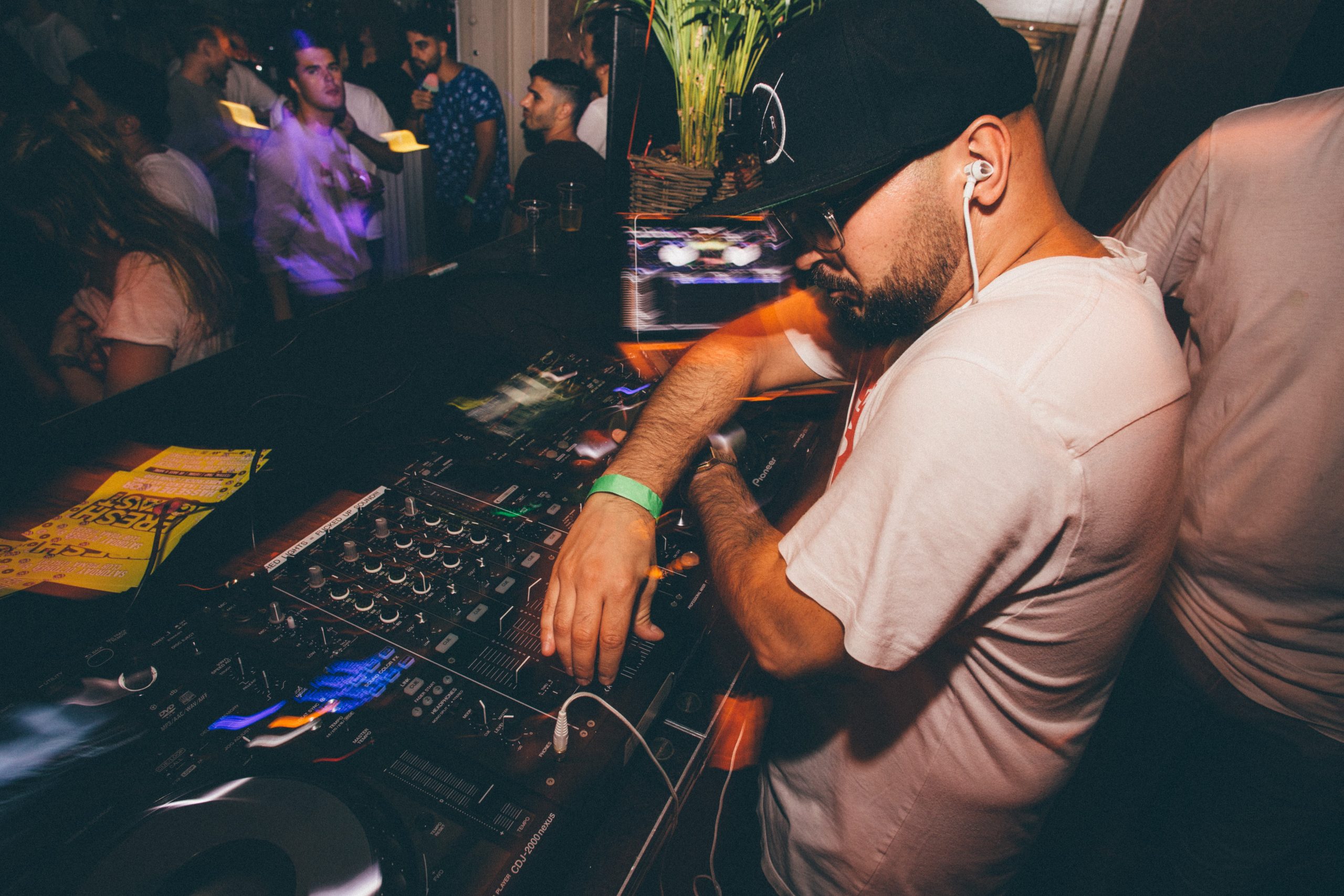
If you’re an early bird, get ready for a cultural twist—Spain’s nightlife might just turn you into a night owl! The Spanish don’t even think about heading out for the night until many others are thinking about bedtime.
Why So Late? It all ties back to those late dinner times and the beloved siesta. With meals often finishing at a time when some might be considering pajamas elsewhere in the world, Spaniards are just gearing up for the evening. This schedule sets the stage for a nightlife that pulses vibrantly well into the early hours of the morning.
Diving Into the Nightlife: Clubs and bars in Spain frequently don’t start filling up until after midnight, with peak hours hitting around 2 AM. Whether you’re in a cozy tapas bar or a thumping nightclub, you’ll find that the energy only increases as the night progresses.
Cultural Insights: This late start is a perfect match for Spain’s social fabric, where life is lived out loud and sleep is merely a suggestion. It reflects a broader cultural emphasis on living in the moment and prioritizing social connections and enjoyment.
How to Embrace the Spanish Night: Adjust your schedule to nap in the afternoon or have a leisurely dinner to prep for a late start. Grabbing a drink at 10 PM or heading to a club at midnight can initially feel surreal, but it’s the perfect way to immerse yourself in the local culture.
Fun Tip: If you’re struggling to adapt, start your evening with a relaxed visit to a local café or enjoy some street performances before hitting the clubs. This gradual approach can help ease you into the nocturnal rhythm of Spanish nightlife.
No. 4: Weather Whiplash: From Madrid’s Dry Heat to Barcelona’s Breezy Humidity
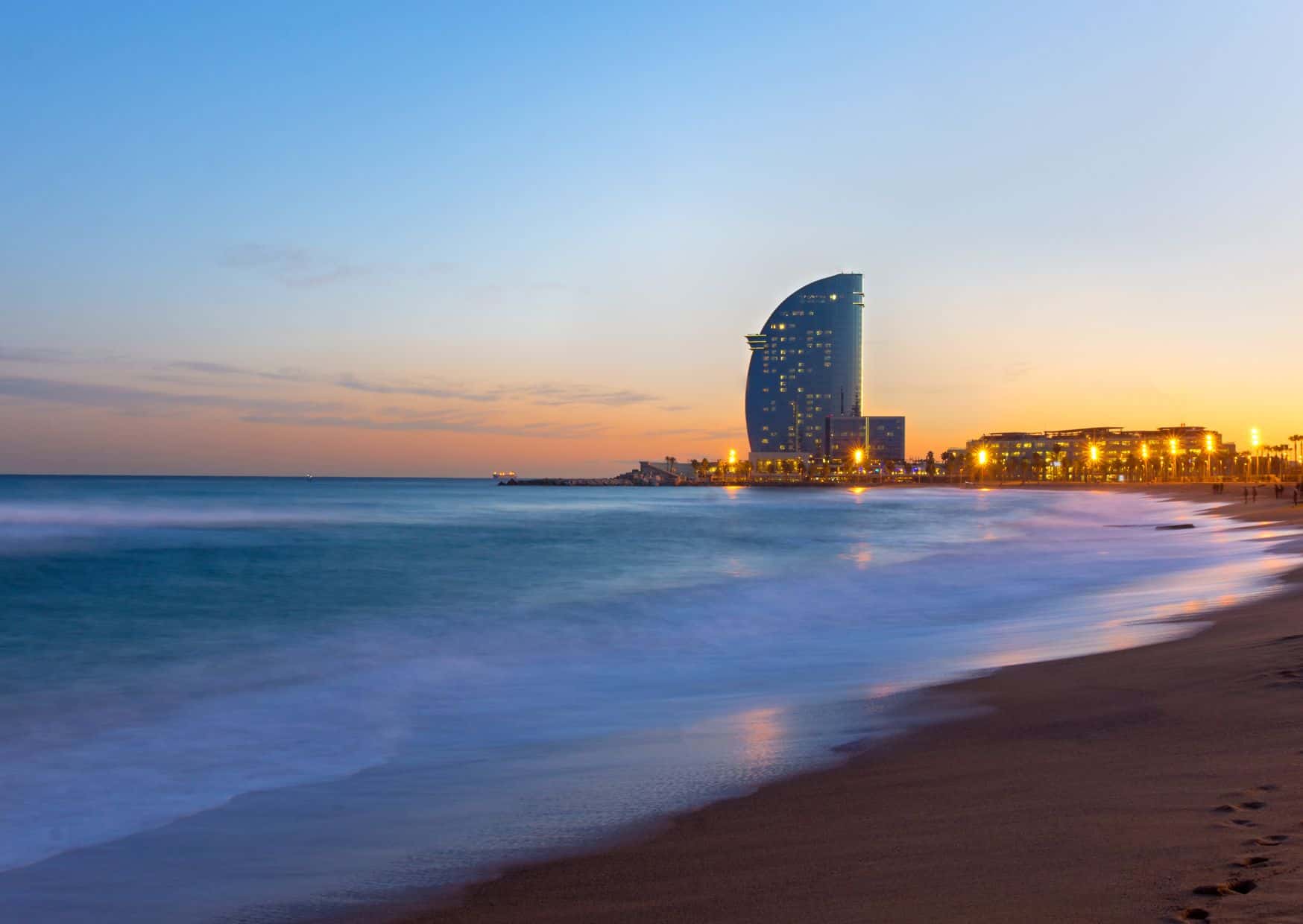
Just when you thought you packed perfectly for Spain, the weather throws you a curveball! Spain’s diverse climate can be a cultural shock for visitors who might not expect such regional variations within a single country.
Climate Contrasts: Madrid astonishes with its arid summer heat and surprisingly chilly winds in winter. In contrast, Barcelona offers a milder, more humid climate that reflects its Mediterranean location. These differences aren’t just small talk; they can significantly affect how you experience each city.
Navigating the Weather: Packing for Spain means preparing for diversity. Layering is key! For Madrid’s heat, think breathable fabrics and sun protection. For Barcelona’s humidity, lighter layers that handle a bit of moisture will make your stay more comfortable.
Cultural Adaptations: Spaniards have long adapted their lifestyle to their environment. Siestas in Madrid are not just cultural but a practical response to the midday heat, while the coastal breezes of Barcelona invite late evening strolls along the beach.
Local Tips: Keep an eye on the local weather forecast and ask locals for advice—they know best how to handle their city’s quirks. Whether it’s carrying a water bottle in Madrid’s dry heat or a light jacket for Barcelona’s evening chill, adapting to the local climate can enhance your experience.
Fun Fact: Wondering why such climate diversity? Spain’s topography is wildly varied, from mountains to plains to coasts, all contributing to these distinct weather patterns. This makes for fantastic travel stories (and occasionally, packing mishaps!).
No. 5: Close Encounters of the Spanish Kind: Personal Space in Spain
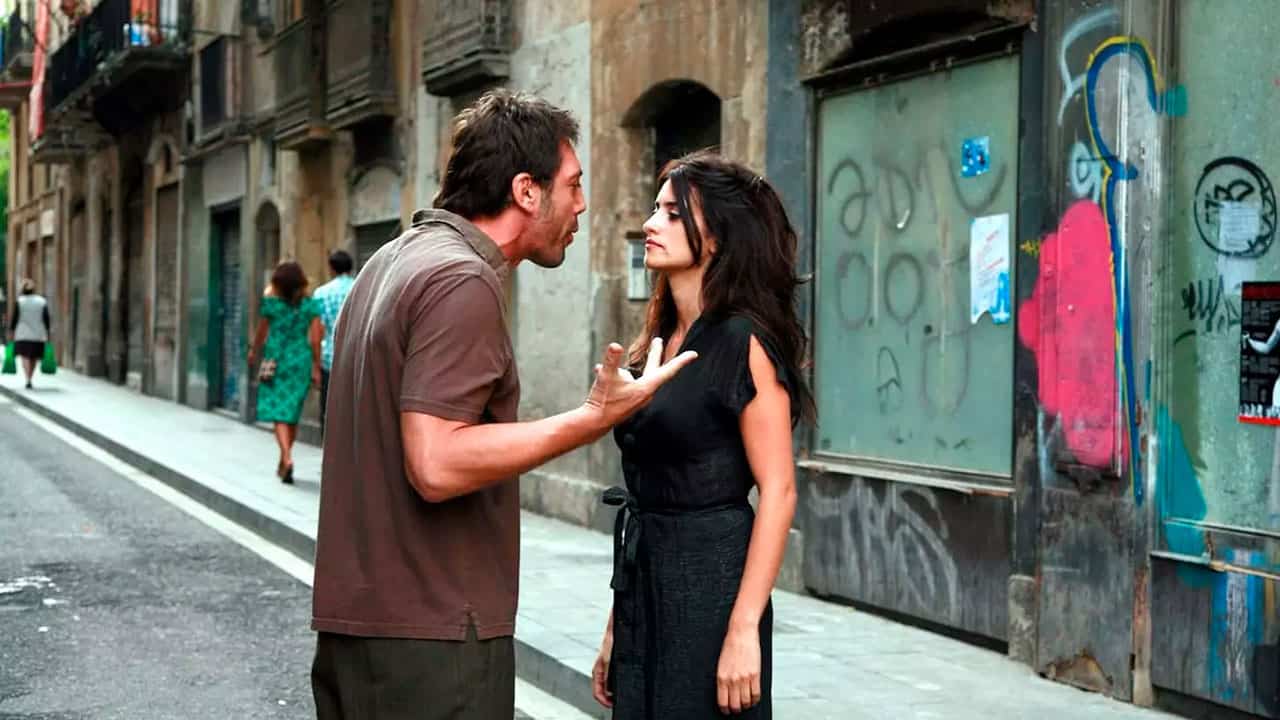
Get ready to cozy up, because in Spain, personal space isn’t just small—it’s practically microscopic! This cultural shock often takes newcomers by surprise, as Spaniards are known for their warm, close-contact style of interaction.
Why So Close? Spanish culture values intimacy and warmth in social interactions, which is reflected in how closely people stand to each other, even during a casual conversation. This closeness is also evident in customary greetings like kisses on both cheeks, even between new acquaintances.
Navigating the Closeness: For those from cultures where a handshake is the norm and a foot of space is standard, the Spanish way can seem overwhelming. However, embracing this aspect of Spanish social etiquette can open doors to deeper relationships and more authentic interactions.
Cultural Insights: The close contact reflects a broader societal emphasis on community and personal connections. It’s a sign of trust and friendship, and it’s how Spaniards show they are genuinely engaged in the conversation.
How to Embrace It: Start by returning the gesture when someone offers a cheek for a kiss, and don’t back away if someone leans into your personal space. Remember, it’s not an intrusion; it’s inclusion! With time, what felt too close for comfort might just start to feel cozy and endearing.
Fun Tip: If you’re feeling a bit claustrophobic, just step back gradually—not abruptly. It’s a gentle way to manage your comfort level without offending anyone. Over time, you might find yourself initiating the close greetings as you adjust to this warm, welcoming aspect of Spanish culture.
No. 6: Lost in Translation: Navigating the Spanish Language Landscape
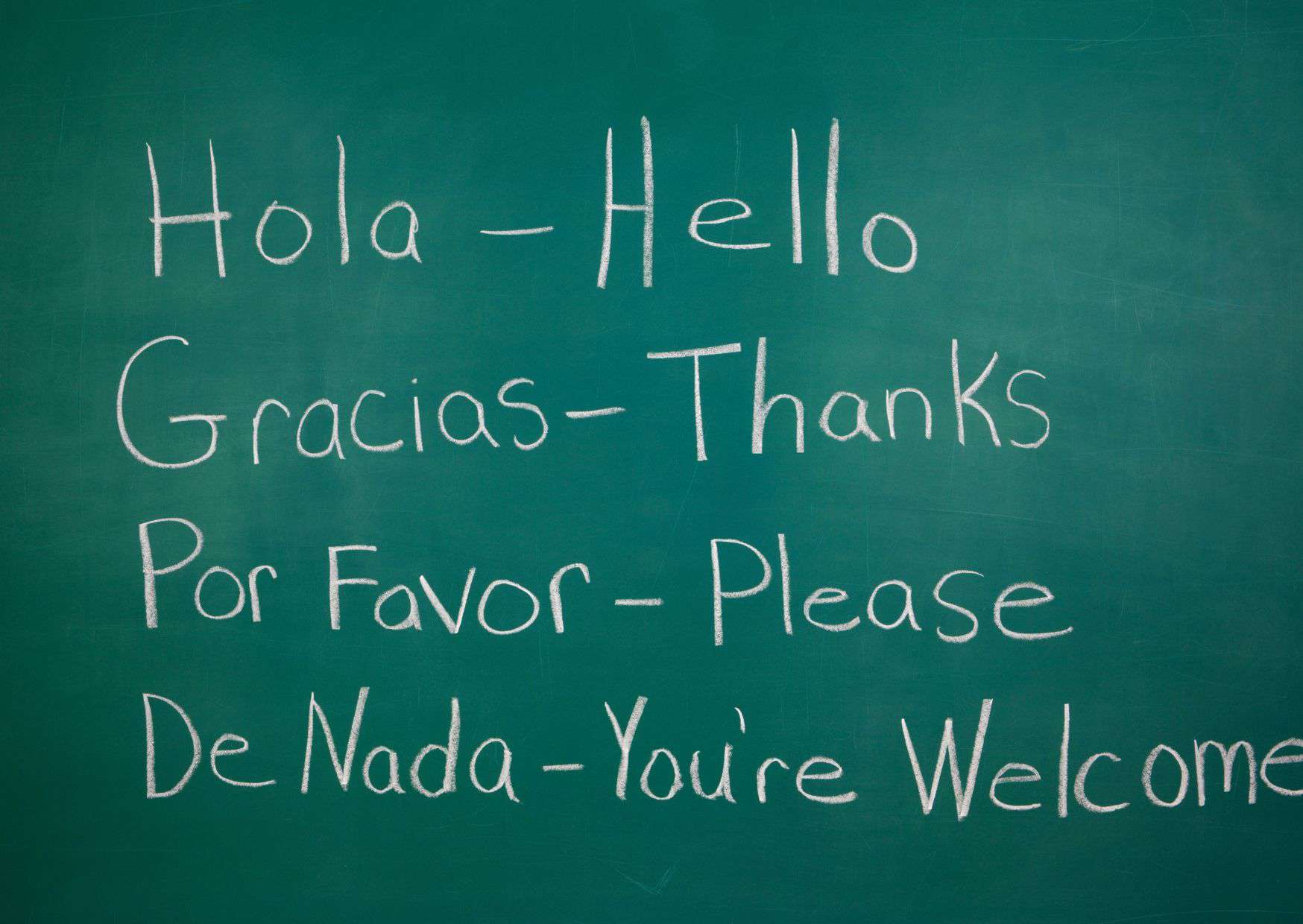
Brush up on your charades skills because in Spain, speaking the local language is not just helpful—it’s an adventure! Stepping beyond the tourist spots often means diving into a world where English takes a back seat to Spanish, and sometimes regional languages like Catalan, Basque, or Galician.
Why Learning Spanish is Crucial: While major cities and tourist areas might cater to English speakers, the real Spanish experience lies in the quaint towns and bustling local markets where English is sparse. Here, speaking Spanish doesn’t just make life easier—it makes it richer.
Navigating the Language Barrier: Engaging with the locals in their own language can open up a whole new side of Spain that remains hidden to the monolingual traveler. From ordering food in a tapas bar to asking for directions in a winding alley, each interaction is a step closer to the heart of Spanish culture.
Cultural Insights: Spaniards are incredibly appreciative of any effort made to speak their language. Even a butchered ‘Gracias’ or a shaky ‘¿Dónde está el baño?’ can earn you a smile and an enthusiastic response. It’s not about perfection—it’s about effort.
How to Embrace It: Carry a phrasebook or download a translation app, and don’t be shy about using it. Consider taking a few Spanish classes or joining language exchange meetups. These can be fun, social opportunities to practice what you’ve learned and deepen your cultural immersion.
Fun Tip: Embrace your mistakes and laugh along with the locals when things get lost in translation. Often, these mix-ups can lead to unexpected friendships and memorable stories. Remember, every mispronounced word is an opportunity to learn and connect!
No. 7: A Toast to Spanish Time: Embracing the Laid-Back Lifestyle
Prepare your clocks for a leisurely adjustment, because in Spain, patience isn’t just a virtue—it’s a way of life! The relaxed pace at which things happen here can be a cultural shock for those used to a more hurried lifestyle.
Why Everything Seems Slower: Whether it’s the extended midday siesta or the unhurried meals that stretch for hours, Spanish time runs on its own unique frequency. This slower pace is embedded in the culture, emphasizing enjoyment and presence over efficiency and haste.
Navigating the Leisurely Pace: If you’re from a place where time is tightly managed and promptness is key, the Spanish tempo might initially frustrate you. Shops might open later than advertised, meetings start a few minutes (or hours) behind schedule, and dinner might mean starting your meal when you’d normally be thinking of bed.
Cultural Insights: This laid-back approach allows for deep conversations over dinner, spontaneous meetups in lively plazas late into the night, and a generally more relaxed approach to life. It reflects a cultural prioritization of people and experiences over the strict adherence to schedules.
How to Embrace It: Lean into the slower rhythm by scheduling less and allowing more time for everything. Savor your coffee at a streetside café without rushing, enjoy the serendipity of unscheduled encounters, and use any waiting time as an opportunity to observe and engage with the vibrant life around you.
Fun Tip: Adopt the mantra ‘no pasa nada’ (no worries). It’s a common phrase that sums up the Spanish attitude towards minor setbacks and delays. Embracing this mindset can help you adjust to the leisurely pace and even enjoy the downtime it brings.
No. 8: Feast, Friends, and Fiestas: The Social Epicenter of Spanish Life
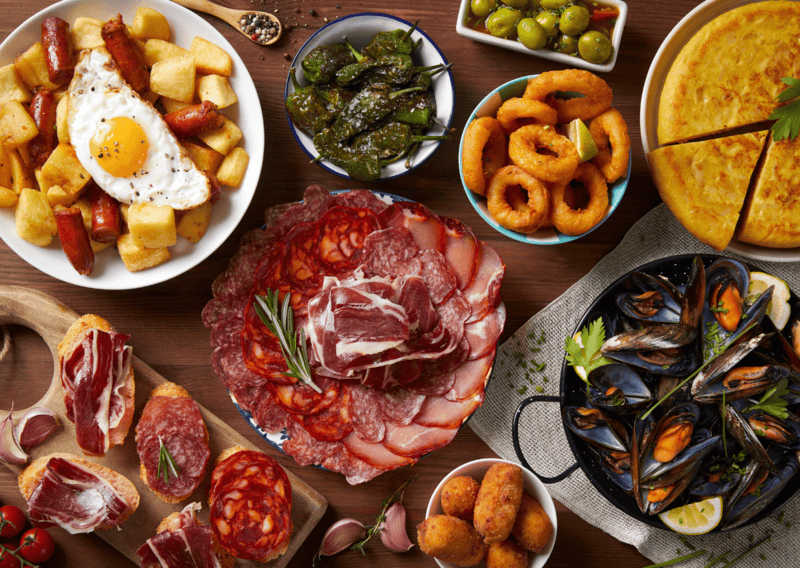
If you thought meals were just about eating, Spain will delightfully prove you wrong! Here, meals are marathon events that center around not just food, but laughter, conversations, and a profound sense of community.
Why Meals Are Major Social Events: In Spain, meals, especially lunch and dinner, are treated as sacred times to connect with family and friends. These are not quick sit-downs but elaborate affairs that can last several hours, often blending seamlessly into late-night social gatherings.
Navigating the Gastronomic Gatherings: As a newcomer, you might be surprised by the late start times and the duration of meals. Lunch isn’t just a midday refuel but a multi-course experience starting in the early afternoon and stretching indefinitely. Dinner, starting late in the evening, is equally social and significant.
Cultural Insights: The Spanish approach to meals highlights the cultural emphasis on taking time to enjoy life’s pleasures—good food, good wine, and great company. This philosophy is a core part of the Spanish identity, reflecting a broader cultural appreciation for leisure and relationships over rushing through the day.
How to Embrace It: Dive into the local dining scene with an open schedule and an empty stomach. Accept invitations to social meals, even if they start later than you’re used to. Participate actively in the conversations, and don’t rush—embrace the leisurely pace and the joy of the moment.
Fun Tip: Learn a few toasts in Spanish to share at these gatherings. Not only will this endear you to your hosts, but it will also enhance your participation in one of the most cherished aspects of Spanish culture. Cheers—or as you’ll soon be saying, ‘¡Salud!’
No. 9: Siesta and Fiesta: The Work-Life Balance the Spanish Way
Say goodbye to the 9-to-5 grind and hello to a more flexible and festive approach to work and life! Spain’s famous for its unique work-life balance, where the line between the two is delightfully blurred by afternoon siestas and late-night fiestas.
Why Work Different in Spain: The traditional Spanish workday often includes a long break in the afternoon, the famous ‘siesta,’ followed by work continuing until later in the evening. This schedule supports a lifestyle where personal enjoyment and social interactions are not sidelined but are central to daily life.
Navigating the Workday: If you’re used to a non-stop work schedule, adjusting to the relaxed Spanish rhythm might initially feel disorienting. The extended lunch breaks and later end times mean that business hours are stretched out, and the pace can seem leisurely to the uninitiated.
Cultural Insights: This approach to work and life underscores a broader Spanish value system that prioritizes well-being and family over relentless productivity. It’s about enjoying life as you live it, not just after you retire. The siesta is not just a nap; it’s a cultural institution that refreshes the spirit and the mind, fostering a more enjoyable and sustainable approach to work.
How to Embrace It: Let go of the rush! Try adopting the Spanish pace by really disconnecting during your lunch break—enjoy a meal, take a stroll, or even indulge in a short nap. As work extends into the evening, you’ll find the social benefits of this schedule make the day more pleasurable.
Fun Tip: Use the post-siesta energy burst to explore local cafes or meet up with friends. You’ll find that the city comes alive again in the evening, and being part of that second wind can be exhilarating and enriching.
Absolutely, let’s add a section to explore the directness in Spanish communication, contrasting it with more indirect styles often found in other cultures, like the American approach:
No. 10: Straight Talk: Navigating the Blunt Honesty of Spanish Communication
Stepping into a conversation in Spain might feel like entering a verbal dance where directness leads. Unlike in cultures where “beating around the bush” is the norm, Spaniards often prefer a more straightforward approach to communication. This cultural shock can be as refreshing as it is daunting for newcomers.
Why So Direct? In Spanish culture, honesty is highly valued and is seen as a sign of respect and trust. Being direct is intended to avoid misunderstandings and build clear, straightforward relationships. This can come off as blunt or even harsh to those from cultures where indirect communication is common, especially when it involves criticism or refusal.
Navigating the Directness: When a Spaniard gives you feedback that feels brutally honest, remember, it’s not personal. It’s their way of being open and ensuring you know exactly where you stand. This direct communication is not meant to offend but to foster transparency and efficiency in interactions.
Cultural Insights: This directness is also reflected in the Spanish language, which often sounds more commanding to non-native ears due to its structure and use of imperative forms. Understanding this can help adjust your perceptions of conversation tones.
How to Embrace It: Try to see the directness as a form of sincerity. Engaging in conversations where you speak your mind can lead to deeper and more meaningful connections. It’s a chance to express yourself freely and learn to appreciate the candidness that defines social interactions here.
Fun Tip: Practice your own direct communication in a friendly setting. Start small, perhaps by expressing a clear preference when asked about food or plans, and gradually build up your comfort level. You’ll likely find that being straightforward can be quite liberating!
Conclusion: Embracing the Vibrant Tapestry of Spanish Culture
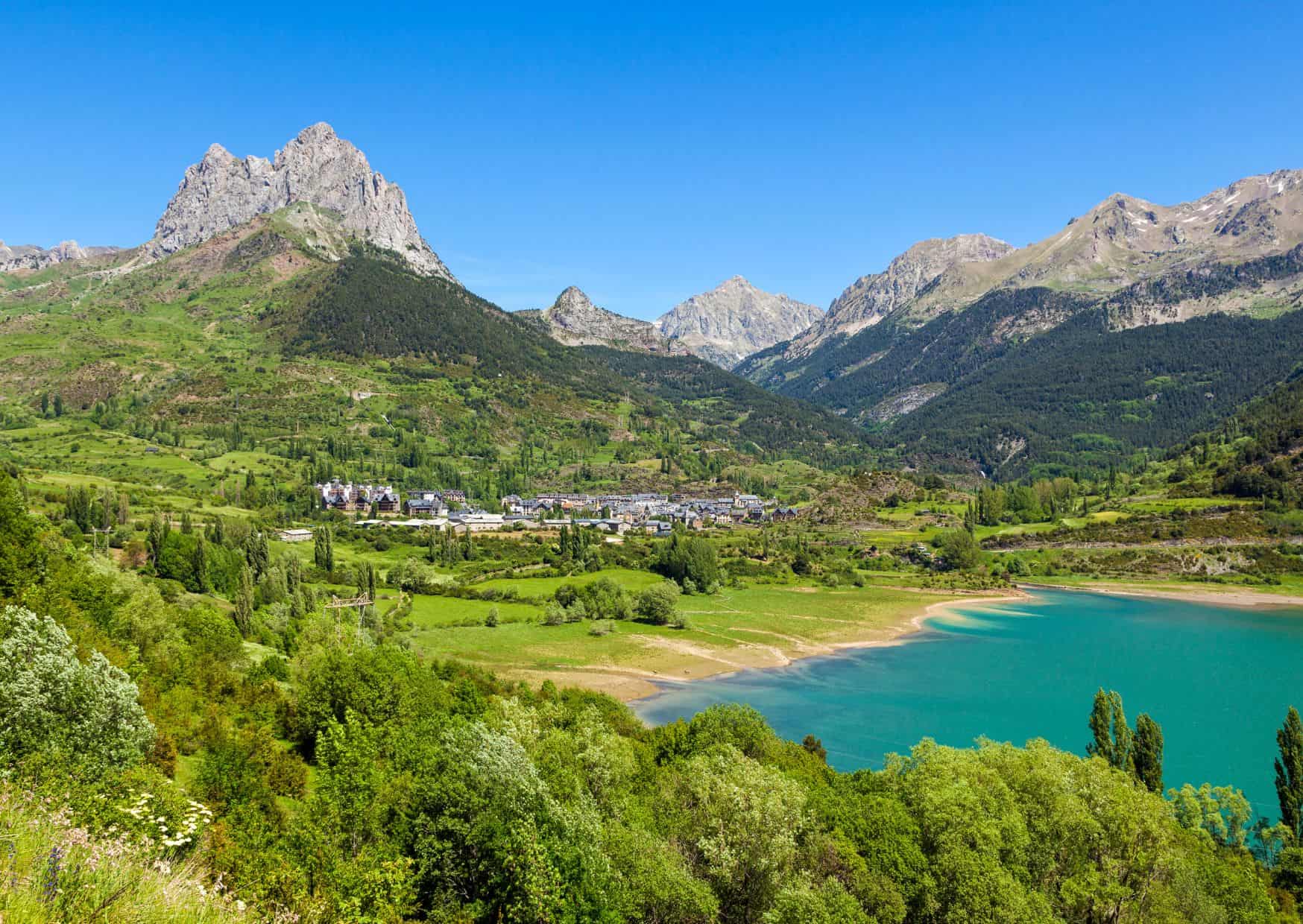
As we’ve journeyed through the various cultural shocks of living in or visiting Spain, it’s clear that this vibrant country offers more than just beautiful landscapes and historic sites—it offers a chance to truly immerse yourself in a way of life that celebrates leisure, community, and joy in the everyday.
From the late-night meals that turn dining into a festivity, to the siestas that break up the workday with a pause for relaxation, Spain teaches us that life need not be rushed. The closeness in social interactions, the passionate embrace of nightlife, and the rich tapestry of regional climates and languages enrich the experience, turning simple daily activities into adventures.
Whether you’re navigating the animated conversations in a bustling tapas bar, adapting to the unpredictably diverse weather, or joining in the late-night revelries, each moment spent in Spain can expand your horizons and deepen your appreciation for a culture that thrives on warmth and welcomes.
Final Thoughts: Dive In and Savor Every Moment
If you find yourself feeling overwhelmed by the differences, remember that these cultural shocks are not just challenges to overcome but opportunities to grow. Engage with the locals, try your hand at the language, and let yourself live a little slower, eat a little later, and laugh a little louder. In doing so, you’ll not just visit Spain—you’ll experience it.
So pack your bags with an open heart and a flexible itinerary. Spain awaits, not just to show you its glorious past and vibrant present, but to welcome you into a life well-lived. Here’s to your adventure in one of the world’s most spirited and engaging cultures—may it be as enriching as it is delightful!

About the Author: Ruben, co-founder of Gamintraveler.com since 2014, is a seasoned traveler from Spain who has explored over 100 countries since 2009. Known for his extensive travel adventures across South America, Europe, the US, Australia, New Zealand, Asia, and Africa, Ruben combines his passion for adventurous yet sustainable living with his love for cycling, highlighted by his remarkable 5-month bicycle journey from Spain to Norway. He currently resides in Spain, where he continues sharing his travel experiences with his partner, Rachel, and their son, Han.