
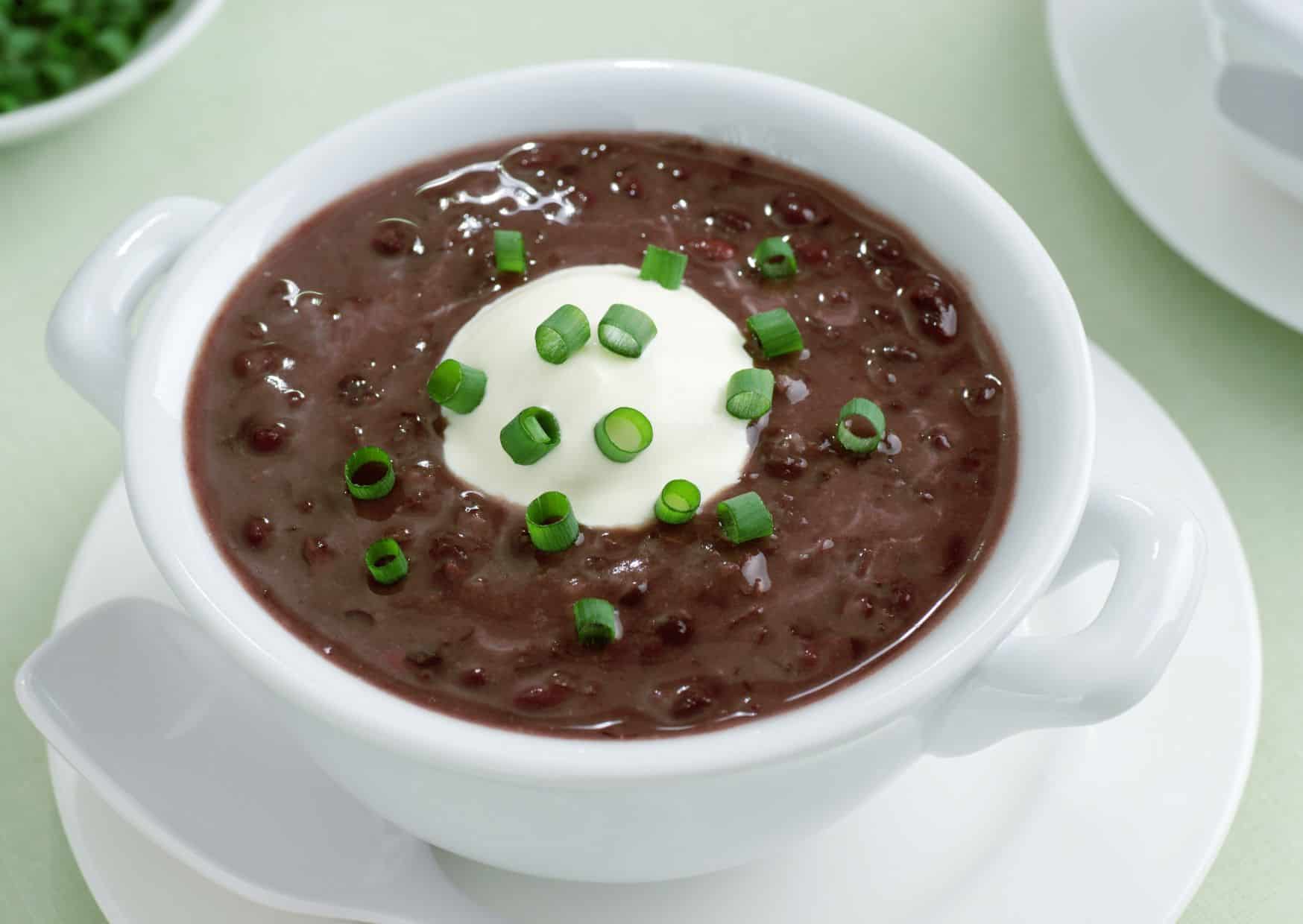
Sopa Negra, or black bean soup, is a beloved staple in Costa Rican cuisine, celebrated for its simplicity, rich flavour, and nourishing warmth. Made with black beans simmered with onions, garlic, cilantro, and bell peppers, this dish is often finished with a poached egg for extra protein and creaminess. In this recipe guide, you’ll learn how to make authentic Costa Rican Sopa Negra at home, bringing a comforting and wholesome taste of Central America straight to your kitchen.
What makes Sopa Negra so special is its versatility. It’s light yet filling, packed with plant-based protein, and naturally gluten-free, making it perfect for any diet. Traditionally served with white rice or warm corn tortillas on the side, Sopa Negra is a dish enjoyed by Costa Rican families for breakfast, lunch, or dinner, proving its place as a true everyday comfort food.
Whether you’re looking for a nourishing soup to enjoy on a rainy day, a meal prep option for the week, or a way to explore authentic Costa Rican flavours at home, Sopa Negra is a perfect choice. Its earthy richness and fresh herbal notes make it deeply satisfying while remaining simple and budget-friendly.
Read here Traditional Costa Rican Desserts, Costa Rican food, fruits in Costa Rica, vegetarian food in Costa Rica and drinks in Costa Rica
BOOK YOUR TRAVEL INSURANCE
Two of our favorite travel insurance: Heymondo Vs Safetwing cheapest travel Insurance. You can get for $135 USD your Heymondo Travel Insurance with Heymondo discount code valid for 90 days. Read our full comparison of Genki vs Safetywing Travel Insurance Review and the comparison Heymondo vs Genki
Best Time To Eat
Costa Rican Sopa Negra is best enjoyed as a warm breakfast, light lunch, or comforting dinner, especially on cooler days or when you’re seeking a nourishing meal that feels both light and filling.
Best Dishes To Partner
Serve your Sopa Negra with steamed white rice, warm corn tortillas, or crispy fried plantains. For drinks, pair it with freshly brewed Costa Rican coffee for breakfast or a light tropical fruit juice such as pineapple or guava for lunch or dinner, creating a complete and authentic Costa Rican dining experience.
Debates often arise over what truly makes a Sopa Negra “authentic.” Some insist it must be made with freshly cooked black beans, never canned, to achieve the right depth of flavor. Others embrace modern shortcuts, arguing that authenticity lies in the seasoning and method, not the specific source of the beans.
There’s also tension between preserving tradition and adapting the recipe for global audiences. Adding ingredients like bacon, cream, or non-traditional vegetables can create delicious variations, but purists see these changes as losing touch with the soup’s rustic origins.
Finally, Sopa Negra reflects a broader discussion about the globalization of Latin American cuisine. While international exposure brings appreciation, it can also lead to oversimplification—reducing a culturally significant dish into just another “black bean soup” without acknowledging the history and identity it carries in Costa Rica.
How to Make Costa Rican Sopa Negra
Costa Rican Sopa Negra Recipe Ingredients
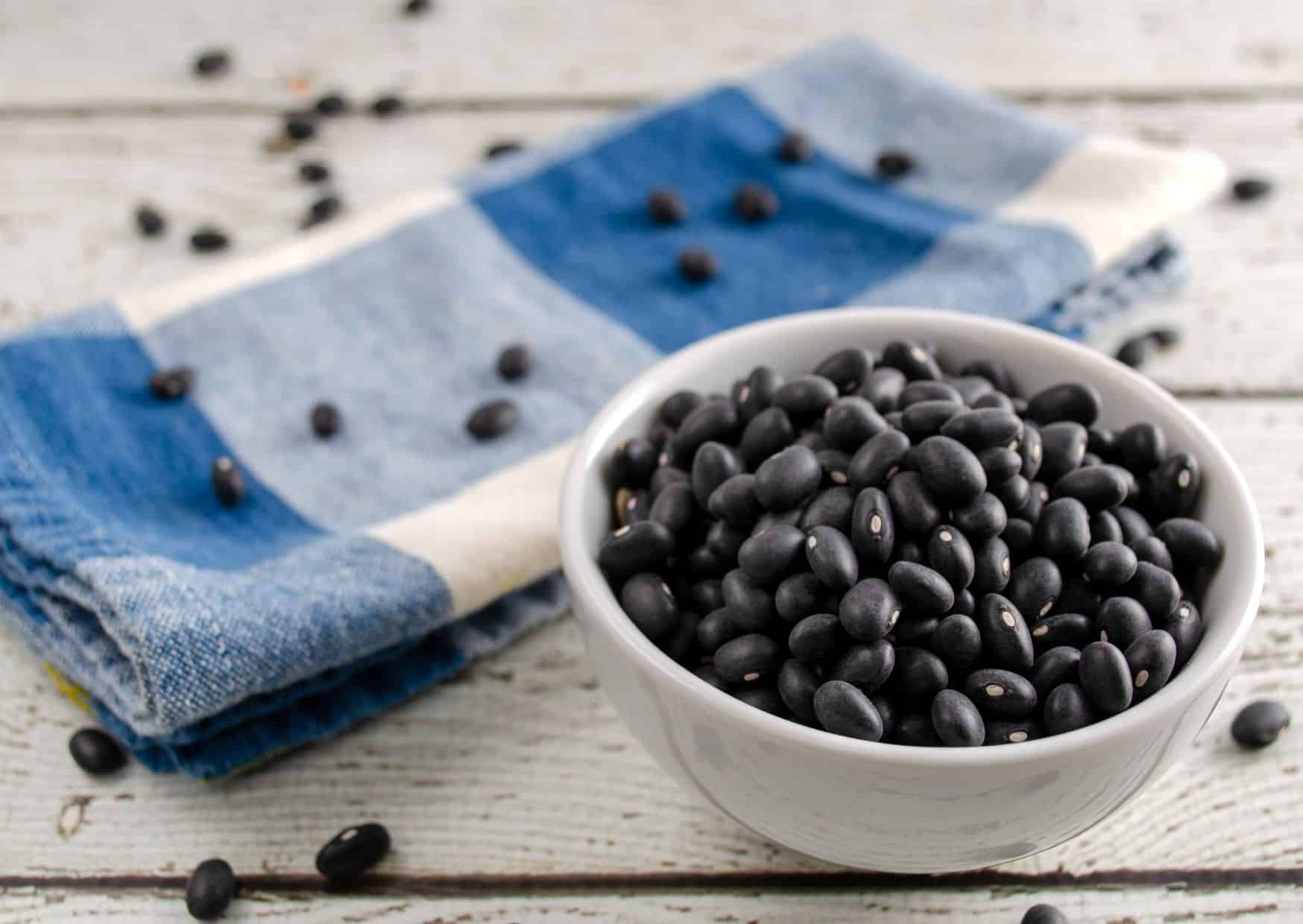
2 cups dried black beans (or 3 cans of black beans, drained and rinsed)
1 large onion, finely chopped
1 red bell pepper, finely chopped
2 cloves garlic, minced
1 celery stalk, chopped
1 carrot, chopped
4 cups chicken or vegetable broth
2 tablespoons vegetable oil
1 teaspoon ground cumin
1 teaspoon dried oregano
1 bay leaf
Salt and pepper to taste
Fresh cilantro, chopped (for garnish)
4 eggs (one per serving)
1 lime, cut into wedges (for serving)
Get the best deals for your home and kitchen needs
Step By Step How to Make Costa Rican Sopa Negra
Prepare the Beans (if using dried beans)
Rinse the dried black beans thoroughly. Place them in a large bowl and cover with water. Let them soak overnight or for at least 8 hours. Drain and rinse the beans before cooking.
Cook the Beans
In a large pot, add the soaked beans and cover with fresh water. Bring to a boil, then reduce the heat and simmer for about 1 to 1.5 hours, or until the beans are tender. Drain and set aside.
Sauté the Vegetables
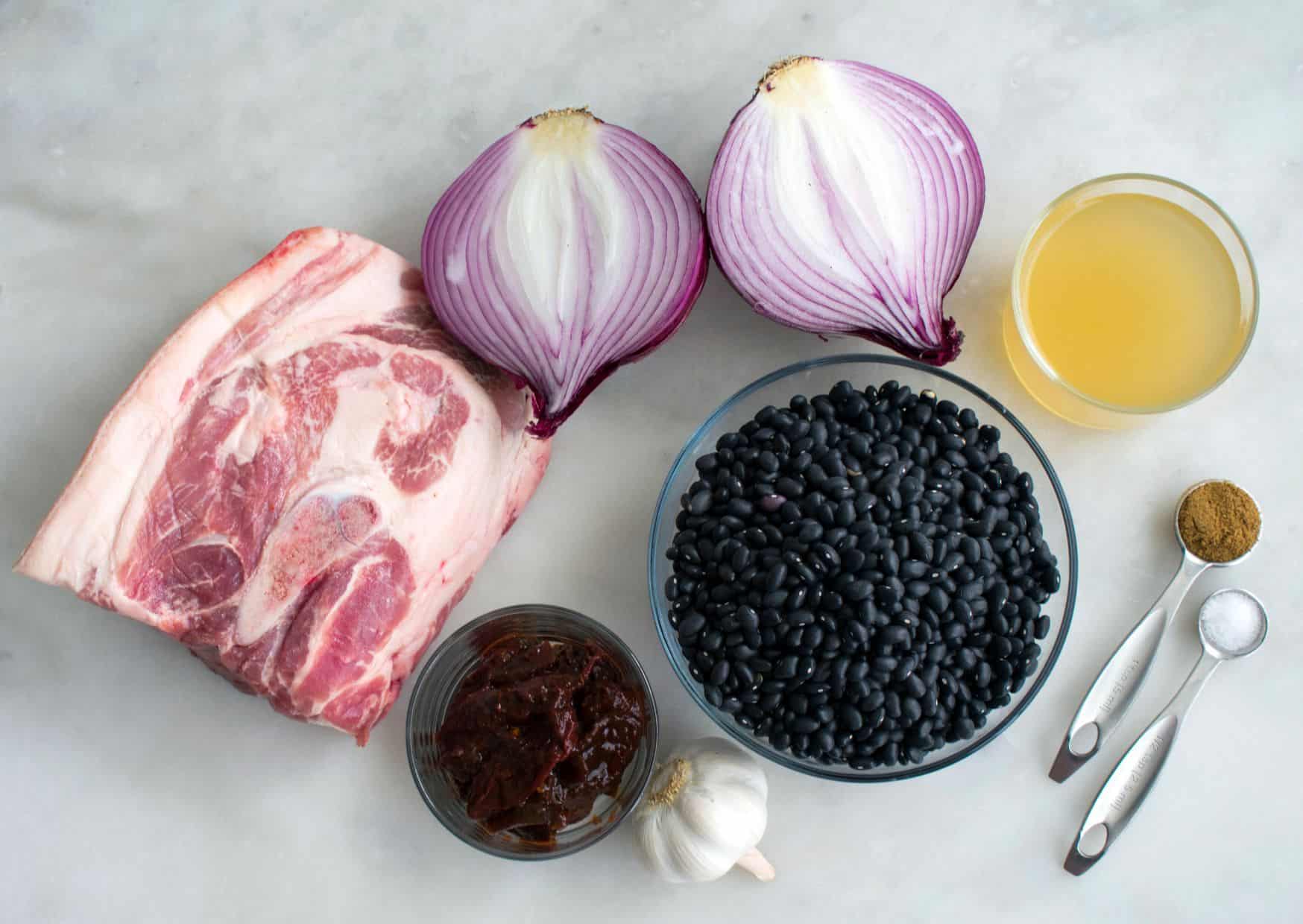
In a large pot, heat the vegetable oil over medium heat. Add the chopped onion, red bell pepper, celery, and carrot. Sauté for about 5-7 minutes, or until the vegetables are soft and fragrant.
Stir in the minced garlic, ground cumin, dried oregano, and bay leaf. Cook for another 1-2 minutes, until the garlic is fragrant.
Cook the Soup
Add the cooked (or canned) black beans to the pot. Pour in the chicken or vegetable broth. Bring the mixture to a boil, then reduce the heat and simmer for about 20-30 minutes to allow the flavors to meld together.
Remove the bay leaf. Season the soup with salt and pepper to taste.
Blend the Soup (Optional)
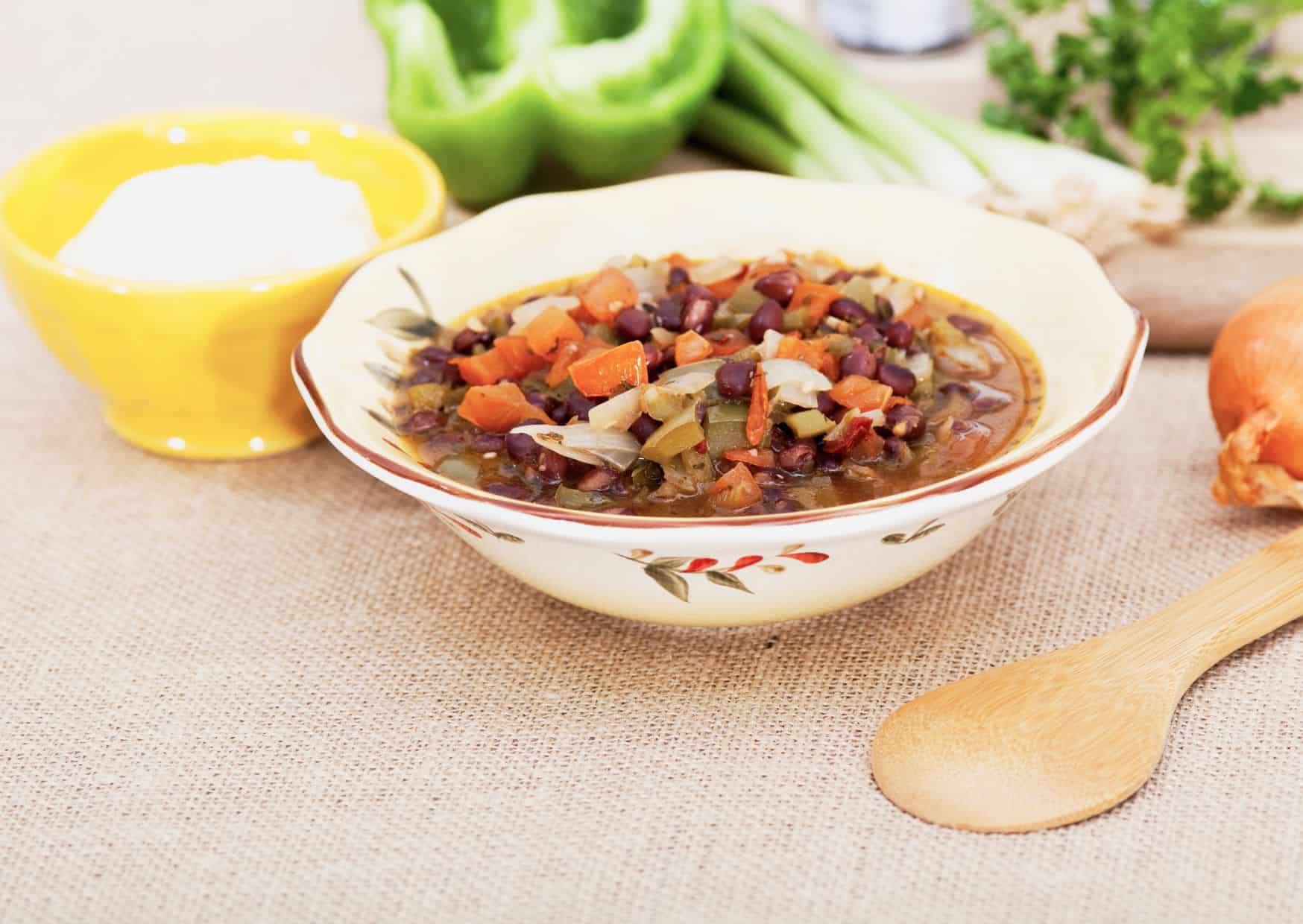
For a creamier texture, use an immersion blender to partially blend the soup. Alternatively, transfer about half of the soup to a blender, blend until smooth, and return it to the pot.
Poach the Eggs
In a separate pot, bring water to a gentle simmer. Crack one egg into a small bowl. Create a gentle whirlpool in the simmering water and carefully slide the egg into the water.
Poach for about 3-4 minutes, or until the whites are set but the yolk is still runny. Remove with a slotted spoon and set aside. Repeat with the remaining eggs.
Serve
Ladle the hot black bean soup into bowls. Carefully place a poached egg on top of each bowl of soup. Garnish with freshly chopped cilantro and a wedge of lime on the side.
Serve immediately and enjoy your delicious Sopa Negra!
Tips To Make Costa Rican Sopa Negra
Using canned beans is a time-saver, but for the best flavor, cook dried beans from scratch. Adjust the texture of the soup to your liking by blending more or less of it.
For perfectly poached eggs, use fresh eggs and keep the water at a gentle simmer. Add a dash of hot sauce or a spoonful of sour cream for extra flavor.
How Many Calories Have Costa Rican Sopa Negra
Black Beans (2 cups dried or 3 cans): Approximately 600 calories
Vegetables (onion, bell pepper, celery, carrot): Approximately 100 calories
Vegetable Oil (2 tablespoons): Approximately 240 calories
Chicken or Vegetable Broth (4 cups): Approximately 60 calories
Egg (1 per serving): Approximately 70 calories each
Miscellaneous (garlic, spices, cilantro): Minimal calories
Total Calories for Entire Soup: Approximately 1070 calories
Calories per Serving: Approximately 270 calories
Origin and History
Sopa Negra has long been considered one of Costa Rica’s most comforting and humble dishes, with roots that date back centuries. Its foundation slow-simmered black beans reflects the agricultural traditions of early Costa Rican communities, where beans were not just a food source but a daily staple across all social classes. For many rural families, Sopa Negra represented resourcefulness and nourishment in a single pot.
The dish evolved from indigenous cooking practices that emphasized simple ingredients enhanced through slow cooking. Black beans were cultivated widely by native communities, and the tradition of simmering them with onions, herbs, and chilies gradually developed into the broth-like soup recognizable today. Over time, Costa Rican households added their own touches, turning Sopa Negra into a national comfort food.
By the mid-20th century, Sopa Negra had become a cultural symbol, often associated with home-cooked meals, hospitality, and wellness. It was widely served after long days of travel or hard work, believed to restore energy and soothe the stomach. Today, Sopa Negra is as iconic as gallo pinto, holding a place in Costa Rican cuisine that transcends trends and remains deeply connected to tradition.
While Sopa Negra is universally loved in Costa Rica, debates often arise about what actually qualifies as an authentic version. Some believe the soup should be kept extremely simple, containing little more than black beans, onion, culantro, and an egg added at the very end. Others argue that modern variations like adding bell peppers, carrots, or bacon enhance the flavor without compromising tradition.
Another point of contention revolves around texture. Purists insist Sopa Negra must be broth-like and clear, with intact beans. Yet many modern cooks prefer thickened, creamier versions achieved by partially blending the beans. This shift has sparked discussions about whether convenience and modern preferences dilute the dish’s original identity.
Even the addition of the poached egg now considered classic has sparked debate. Historically, not all families included it, often due to limited resources. Today, the egg is almost expected, leading some to claim that the dish has drifted from its humble origins. Despite the disagreements, these variations highlight the adaptability of Sopa Negra rather than diminish its significance.
How Long It Takes to Prepare
Traditional Sopa Negra requires time and patience, especially when using dried black beans. Soaking the beans overnight not only reduces cooking time but also enhances their tenderness and depth of flavor. From there, the beans typically simmer for one to two hours until they reach the perfect consistency, absorbing the aromatics and herbs.
If you use canned black beans, the overall preparation becomes significantly shorter. In this case, the soup can come together in as little as 30 minutes, making it a practical option for busy weeknights without sacrificing its comforting qualities. The key is allowing the flavors to meld long enough so the broth takes on the hallmark richness of the dish.
Poaching the egg adds just a few minutes to the process. Whether cooked directly in the broth or prepared separately, the egg is the final step that transforms the soup from simple bean broth into a complete, satisfying meal. Overall, preparation time varies from under an hour to several hours depending on your approach, but the result is always worth the wait.
Serving Suggestions
Sopa Negra is best enjoyed piping hot, served with a side of warm, freshly made corn tortillas. The tortillas are perfect for dipping into the rich broth or scooping up the tender black beans, adding texture and a traditional Costa Rican touch to the meal.
A classic way to serve this soup is with a poached or hard-boiled egg placed directly in the bowl. The egg adds richness and protein, transforming the soup from a light starter into a hearty main dish. A sprinkle of fresh cilantro and a squeeze of lime over the top brightens the flavors and gives it a refreshing finish.
For a more complete meal, pair Sopa Negra with white rice or avocado slices on the side. The rice helps balance the robust flavor of the beans, while the avocado adds creaminess that complements the earthy broth. If you want to elevate the presentation, serve it family-style in a large pot with small bowls of garnishes cilantro, chopped onions, lime wedges, and hot sauce so everyone can customize their own serving.
Final Thoughts
Sopa Negra is more than just a comforting bowl of black bean soup it’s a warm embrace from Costa Rica’s culinary heart. Simple yet full of depth, it’s a dish that speaks of tradition, family, and the joy of making the most out of humble ingredients.
Preparing Sopa Negra at home allows you to experience its unique blend of earthy beans, fresh herbs, and gentle spices just as Costa Ricans enjoy it. The addition of a poached egg, a classic touch, turns it from a light soup into a filling, protein-rich meal that works for breakfast, lunch, or dinner.
Once you’ve tasted the authentic version, you’ll see why Sopa Negra is a staple in Costa Rican homes. It’s hearty, healthy, budget-friendly, and adaptable perfect for both everyday cooking and sharing with guests who appreciate a dish with cultural roots.

About the Author: Ruben, co-founder of Gamintraveler.com since 2014, is a seasoned traveler from Spain who has explored over 100 countries since 2009. Known for his extensive travel adventures across South America, Europe, the US, Australia, New Zealand, Asia, and Africa, Ruben combines his passion for adventurous yet sustainable living with his love for cycling, highlighted by his remarkable 5-month bicycle journey from Spain to Norway. He currently resides in Spain, where he continues sharing his travel experiences with his partner, Rachel, and their son, Han.