
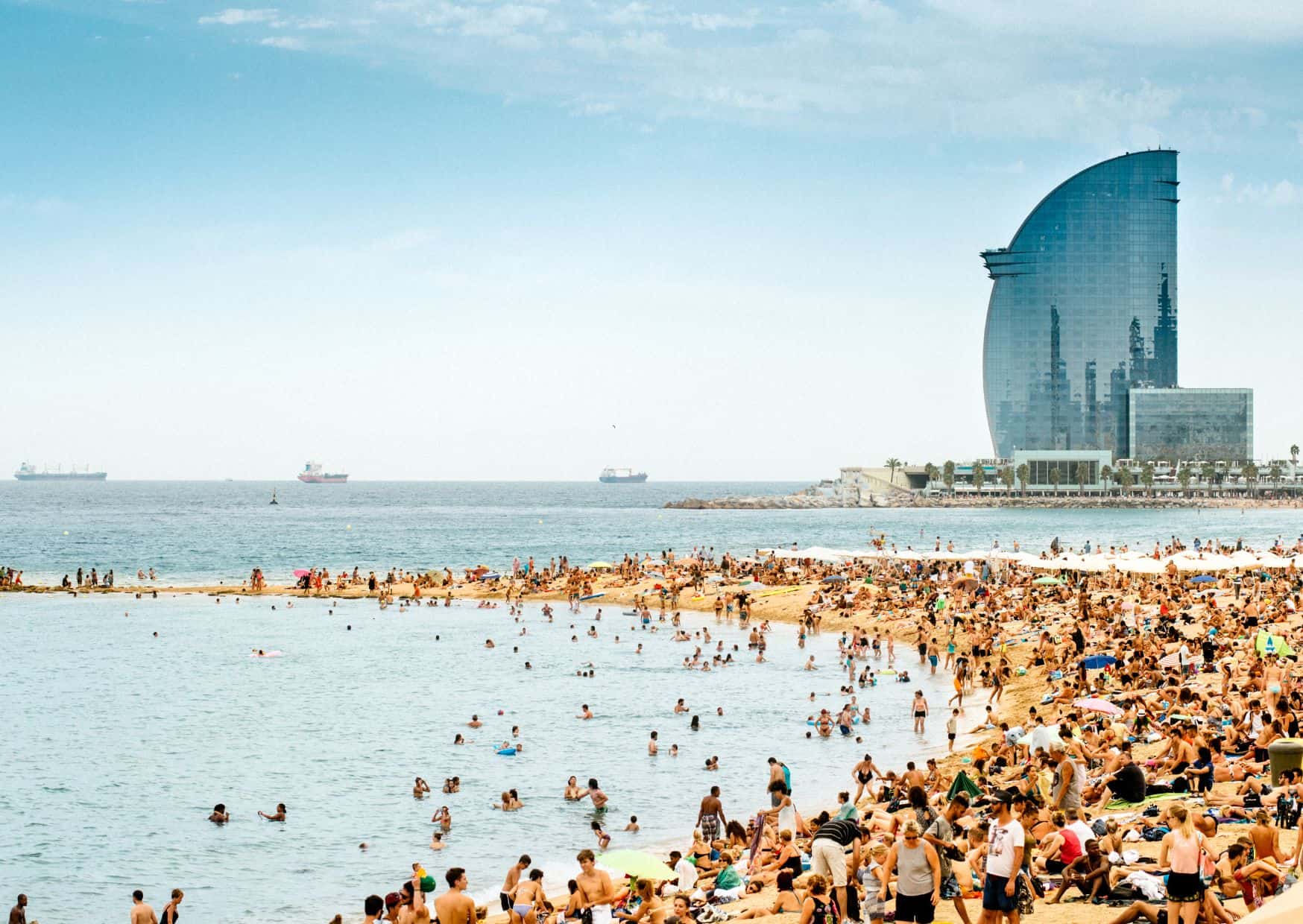
Yes, there is massive tourism in Barcelona. The city attracts millions of visitors annually, drawn by its rich cultural heritage, stunning architecture, Mediterranean beaches, and vibrant nightlife.
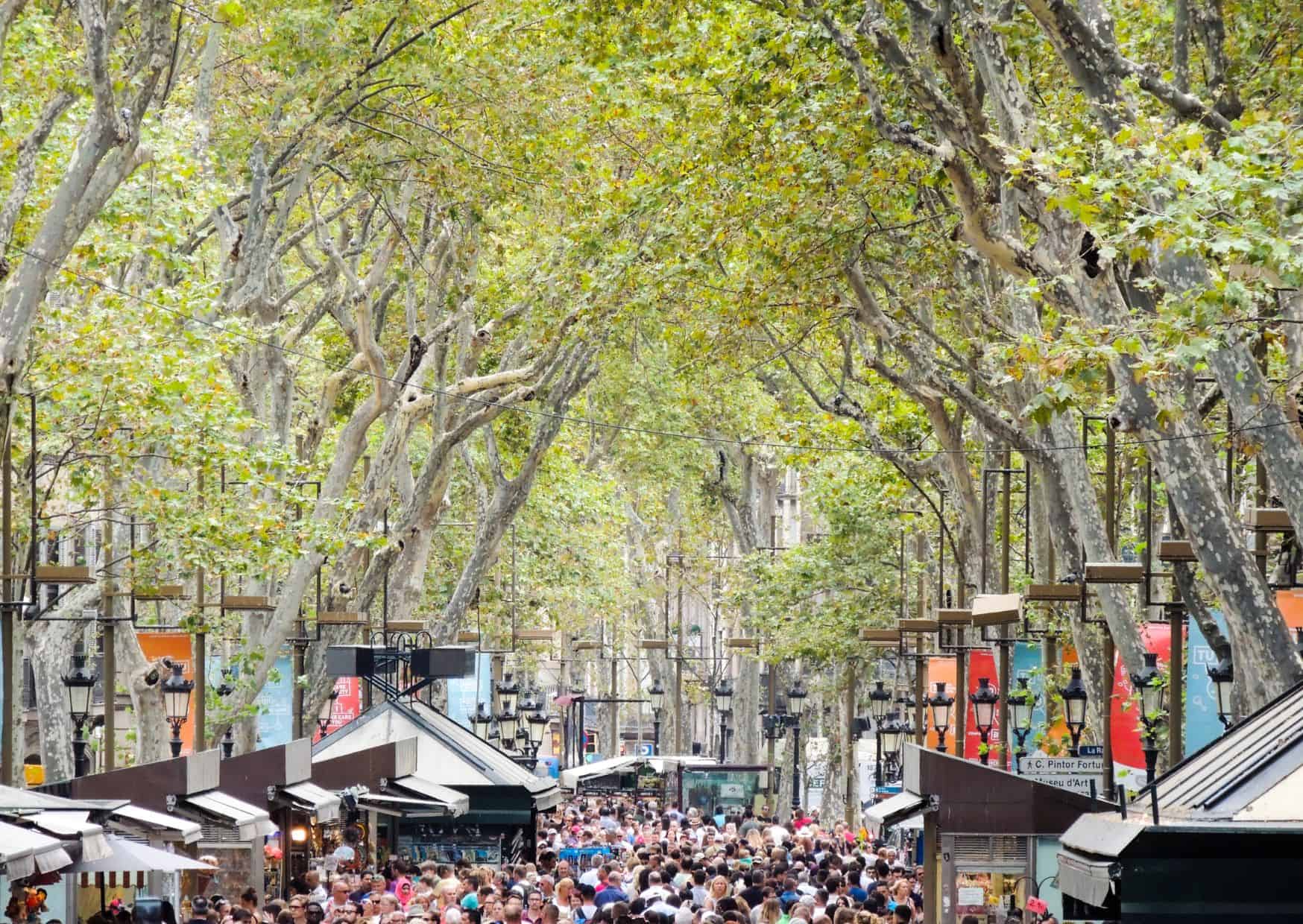
Key attractions like La Sagrada Família, Park Güell, and La Rambla see significant tourist traffic, contributing to Barcelona’s economy but also leading to overcrowding and strain on local infrastructure, especially during peak seasons.
This high volume of tourism has raised concerns among residents and local authorities about the sustainability and impact on daily life. Issues such as increased living costs, noise pollution, and the displacement of local businesses by tourist-oriented services have prompted discussions on managing tourism more effectively.
Some suggest measures like promoting off-season travel, implementing tourist taxes, and regulating short-term rentals to balance the benefits of tourism with the needs of the local community.
Read here 4 Days Barcelona Itinerary and Sim Card Barcelona Airport
BOOK YOUR TRAVEL INSURANCE
Two of our favorite travel insurance: Heymondo Vs Safetwing cheapest travel Insurance. You can get for $135 USD your Heymondo Travel Insurance with Heymondo discount code valid for 90 days. Read our full comparison of Genki vs Safetywing Travel Insurance Review and the comparison Heymondo vs Genki
Overview of Tourism in Barcelona
Barcelona is one of the most visited cities in the world, attracting millions of tourists each year. Known for its stunning architecture, rich history, vibrant culture, and beautiful beaches, Barcelona offers a diverse range of attractions that draw visitors from around the globe.
Barcelona is a city that offers an unparalleled cultural and historical experience, attracting millions of tourists every year. While tourism brings significant economic benefits, it also poses challenges that need to be addressed to maintain the quality of life for residents and preserve the city’s cultural heritage. Whether Barcelona should limit tourism is a complex question that requires a balanced approach, focusing on sustainable and responsible tourism practices that benefit both the city and its visitors.
Current Tourism Situation
Tourism Statistics
Annual Visitors: Barcelona receives approximately 12 million visitors annually, with even more coming on day trips from nearby areas.
Peak Seasons: The summer months (June to August) see the highest influx of tourists, while spring and autumn are also busy due to pleasant weather.
Popular Attractions
La Sagrada Família: The iconic basilica designed by Antoni Gaudí.
Park Güell: Another Gaudí masterpiece, known for its colorful mosaics and stunning views.
La Rambla: A bustling street in the heart of the city, lined with shops, cafes, and street performers.
Gothic Quarter: A maze of narrow medieval streets with historic buildings, shops, and restaurants.
Beachfront: Barcelona’s beaches, particularly Barceloneta, attract sunbathers and partygoers.
Read here the best things to know before visiting Barcelona
Impact of Tourism
Economic Benefits
Revenue Generation: Tourism is a significant contributor to Barcelona’s economy, providing income for businesses and jobs for residents.
Cultural Exchange: The influx of international visitors fosters cultural exchange and enriches the local community.
Challenges
Overcrowding: Popular areas and attractions can become extremely crowded, especially during peak seasons, leading to a diminished experience for both tourists and locals.
Strain on Infrastructure: The city’s infrastructure, including public transport and public services, can be strained by the high number of visitors.
Environmental Impact: Increased tourism leads to higher levels of waste and pollution, impacting the city’s environment.
Housing Issues: The rise in short-term rental properties (e.g., Airbnb) has driven up housing prices, making it difficult for locals to find affordable housing.
Should Barcelona Limit Tourism?
Arguments for Limiting Tourism
Quality of Life for Residents:
Over-tourism can negatively impact the daily lives of residents, leading to noise, congestion, and loss of community spaces.
Limiting tourism can help maintain a higher quality of life for locals.
Preservation of Heritage Sites
Heavy tourist traffic can cause wear and tear on historical sites and cultural landmarks.
Implementing limits can help preserve these sites for future generations.
Environmental Sustainability
Reducing the number of visitors can decrease the environmental footprint of tourism.
Sustainable tourism practices can protect natural resources and reduce pollution.
Balanced Economy
Diversifying the economy and reducing reliance on tourism can create a more stable and resilient economic base.
Arguments Against Limiting Tourism
Economic Impact
Tourism is a major economic driver, and limiting it could negatively affect businesses and jobs dependent on the sector.
Reduced tourism might lead to decreased revenue for the city.
Global Appeal
Barcelona’s global appeal and reputation as a tourist destination might be impacted.
Tourists bring cultural exchange and global connections that benefit the city.
Possible Solutions
Sustainable Tourism Practices
Implement policies that promote sustainable tourism, such as eco-friendly accommodations, waste reduction programs, and sustainable transport options.
Tourist Management
Develop strategies to manage tourist flow, such as timed entry tickets for popular attractions, promoting off-season travel, and encouraging visits to lesser-known areas.
Local Involvement
Involve local communities in decision-making processes regarding tourism policies to ensure their needs and concerns are addressed.
Diversifying Economy
Invest in other sectors to reduce the city’s reliance on tourism, such as technology, education, and creative industries.
Regulating Short-Term Rentals
Implement stricter regulations on short-term rentals to ensure housing availability and affordability for residents.

About the Author: Ruben, co-founder of Gamintraveler.com since 2014, is a seasoned traveler from Spain who has explored over 100 countries since 2009. Known for his extensive travel adventures across South America, Europe, the US, Australia, New Zealand, Asia, and Africa, Ruben combines his passion for adventurous yet sustainable living with his love for cycling, highlighted by his remarkable 5-month bicycle journey from Spain to Norway. He currently resides in Spain, where he continues sharing his travel experiences with his partner, Rachel, and their son, Han.