
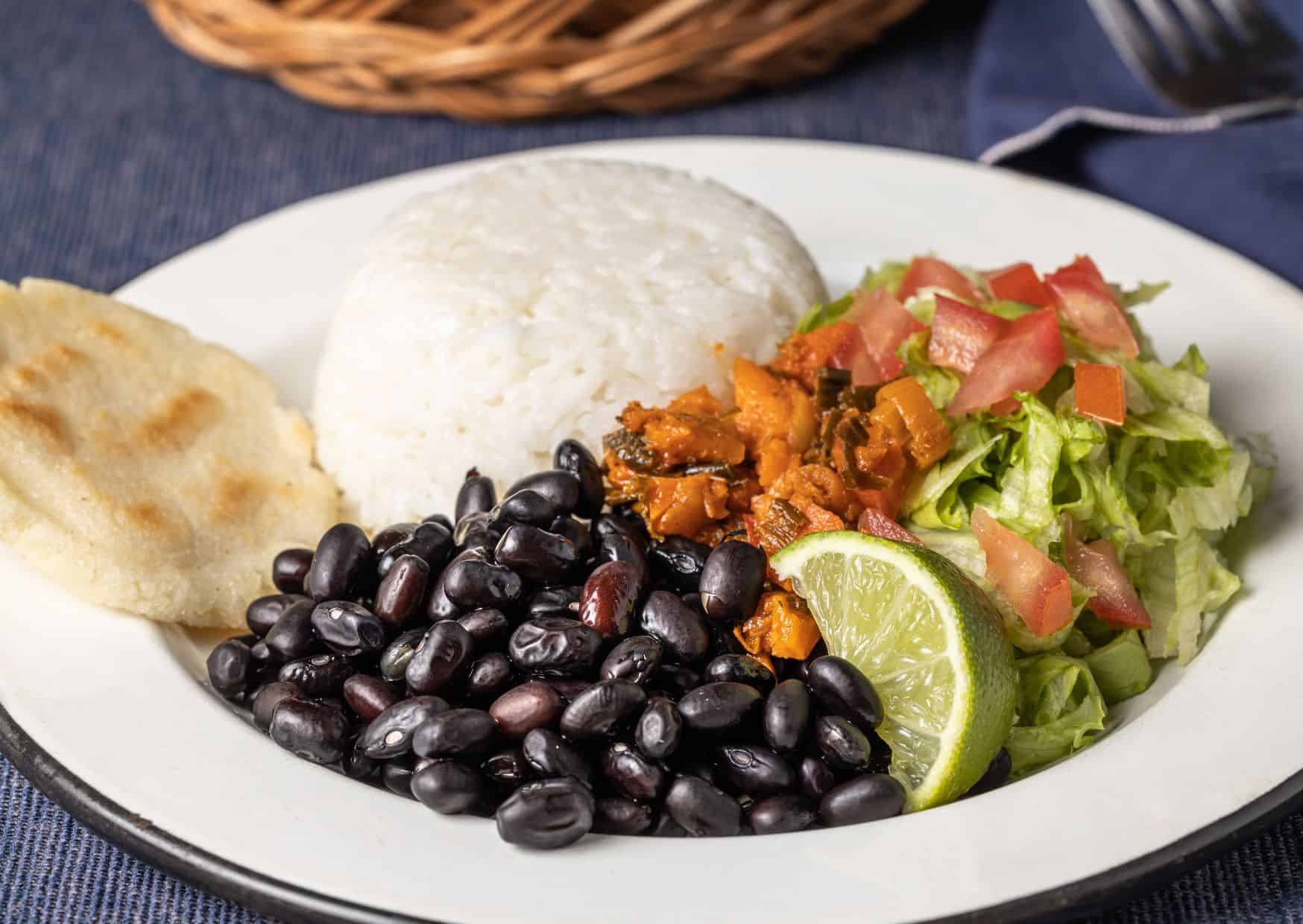
Costa Rican cuisine is all about balance — vibrant flavors, fresh ingredients, and wholesome meals designed to nourish and satisfy. At the heart of this culinary tradition is Casado, a beloved dish that’s less of a single recipe and more of a perfectly balanced plate. Featuring rice, beans, salad, plantains, and a protein of choice, Casado is the everyday meal that defines Costa Rican home cooking.
The word “casado” means “married” in Spanish, a fitting name for a dish that marries several components into one harmonious meal. Whether served with grilled chicken, beef, fish, or even eggs, Casado isn’t just food — it’s a reflection of Costa Rica’s “pura vida” lifestyle, emphasizing simplicity, freshness, and variety. It’s filling but not heavy, flavorful but not fussy — a perfect representation of Costa Rican culture.
In this recipe guide, you’ll learn how to recreate a traditional Costa Rican Casado at home, including essential sides like fried plantains, black beans, and fresh salad. Whether you’re seeking a healthy, hearty meal or a new way to experience Costa Rican flavors, this dish delivers comfort and authenticity with every bite.
Read here Traditional Costa Rican Desserts, Costa Rican food, fruits in Costa Rica, vegetarian food in Costa Rica and drinks in Costa Rica
BOOK YOUR TRAVEL INSURANCE
Two of our favorite travel insurance: Heymondo Vs Safetwing cheapest travel Insurance. You can get for $135 USD your Heymondo Travel Insurance with Heymondo discount code valid for 90 days. Read our full comparison of Genki vs Safetywing Travel Insurance Review and the comparison Heymondo vs Genki
Best Time to Eat & How to Partner This Dish
Casado is typically enjoyed as a hearty lunch or early dinner, making it the perfect centerpiece for a midday meal that keeps you full and energized. In Costa Rica, it’s a standard offering at small eateries called “sodas”, where locals gather for affordable, satisfying plates served fresh and fast.
Pair your Casado with a refreshing tamarind drink, guava juice, or a traditional agua dulce, all popular beverages in Costa Rica that balance the savory flavors of the dish. A side of fresh tropical fruit like pineapple or papaya adds a light, sweet finish to the meal. And if you’re serving a larger crowd, include a bowl of homemade chimichurri or a spicy salsa on the side.
Casado is best enjoyed family-style, with each person customizing their plate. Whether served casually at home or as part of a festive meal, it works beautifully for gatherings, potlucks, or a themed dinner night — giving everyone a true taste of Costa Rican hospitality.
One common misunderstanding is that Casado refers to a specific recipe, when in fact it describes a style of meal — a plate composed of various everyday staples served together. This flexibility is what makes Casado so beloved in Costa Rica, but it often confuses those expecting a single, fixed dish. The magic of Casado lies in its variety and adaptability, not strict adherence to a set formula.
Another surprising fact is how humble the ingredients in a Casado truly are. Some assume traditional dishes must involve elaborate recipes or rare spices, but Casado relies on simple, local ingredients prepared well. Its beauty lies in its freshness and the balance of flavors — proof that great food doesn’t have to be complicated or expensive.
And perhaps most overlooked: while tourists may seek out Casado as a “must-try dish,” for Costa Ricans, it’s everyday food, not a special occasion meal. This difference highlights how sometimes the most iconic dishes aren’t those saved for holidays but the ones that nourish communities daily — making Casado a genuine taste of Costa Rica’s culinary soul.
How to Make Costa Rican Casado
Costa Rican Casado Recipe Ingredients
For the Rice:
1 cup white rice
2 cups water
1 tablespoon vegetable oil
Salt to taste
For the Black Beans:
1 can (15 oz) black beans, drained and rinsed
1 small onion, finely chopped
2 cloves garlic, minced
1 tablespoon vegetable oil
Salt and pepper to taste
1/2 teaspoon ground cumin (optional)
For the Plantains:
2 ripe plantains, peeled and sliced
Vegetable oil for frying
For the Salad:
1 cup lettuce, chopped
1 tomato, sliced
1 cucumber, sliced
1 avocado, sliced
1 tablespoon lime juice
Salt and pepper to taste
For the Protein:
2 boneless chicken breasts, beef steaks, pork chops, or fish fillets
1 tablespoon vegetable oil
Salt and pepper to taste
For Serving:
4 corn tortillas
Salsa Lizano (a Costa Rican condiment) or any favorite hot sauce
Get the best deals for your home and kitchen needs
Step By Step How to Make Costa Rican Casado
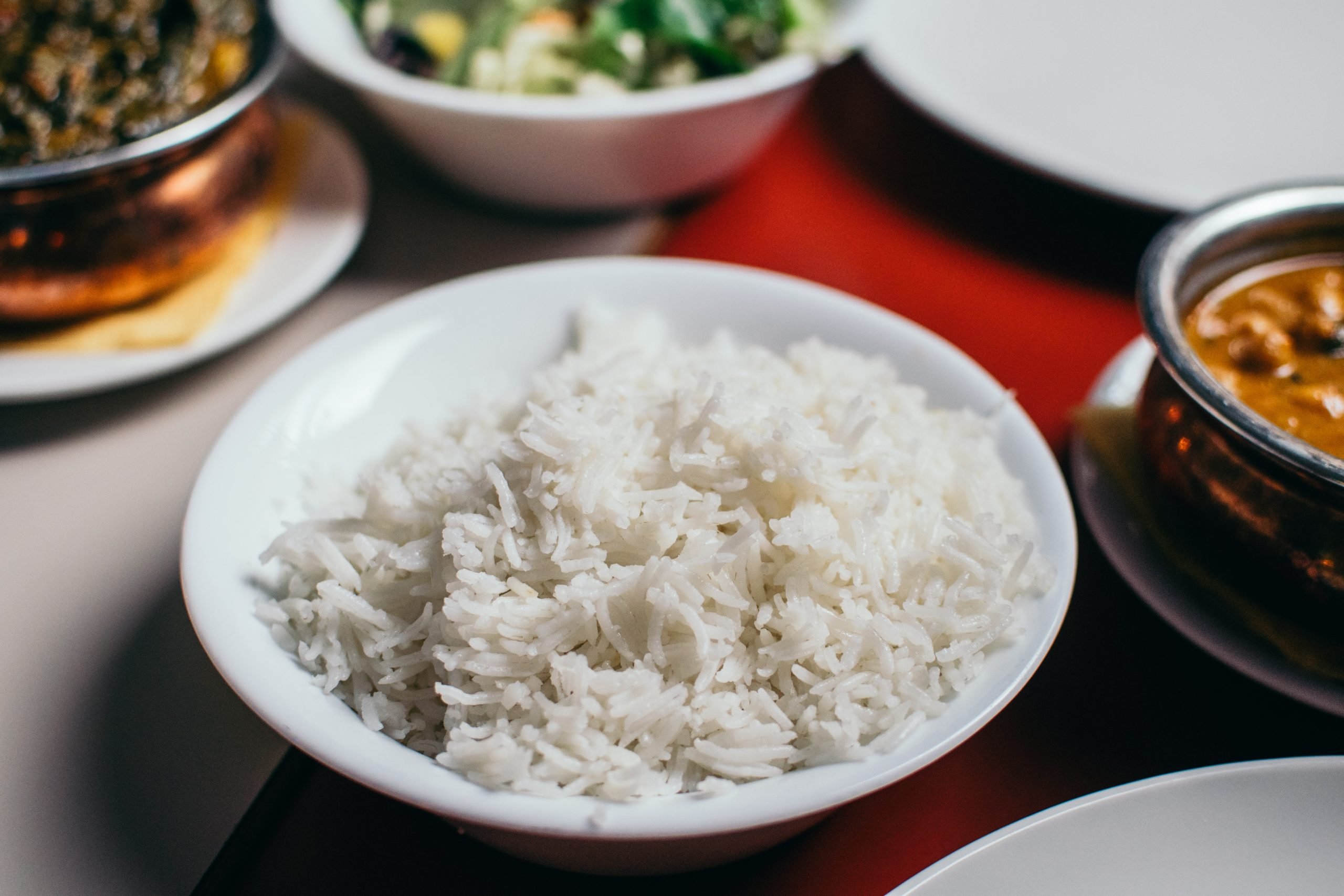
Cook the Rice
Rinse the rice under cold water until the water runs clear. In a medium saucepan, heat 1 tablespoon of vegetable oil over medium heat. Add the rice and toast it lightly for 2-3 minutes, stirring constantly.
Add 2 cups of water and a pinch of salt. Bring to a boil, then reduce the heat to low, cover, and simmer for 15-18 minutes, or until the rice is cooked and the water is absorbed. Fluff with a fork and keep warm.
Prepare the Black Beans
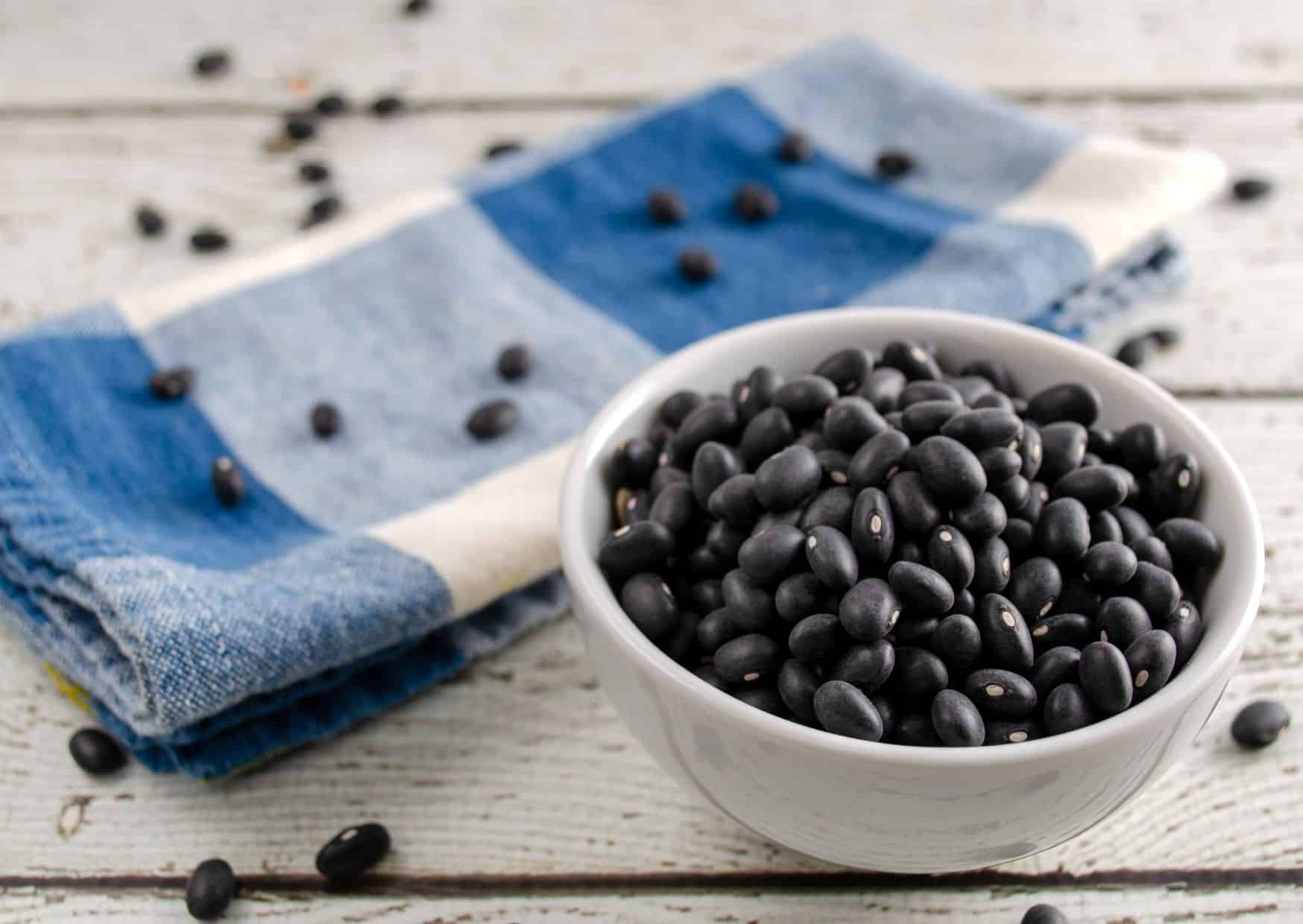
In a medium skillet, heat 1 tablespoon of vegetable oil over medium heat. Add the chopped onion and minced garlic. Sauté until the onion is translucent, about 5 minutes.
Cook the Beans
Add the drained black beans to the skillet, along with salt, pepper, and cumin (if using). Cook for 5-7 minutes, stirring occasionally, until the beans are heated through and well-seasoned.
Fry the Plantains
Heat vegetable oil in a large skillet over medium-high heat. Add the plantain slices in a single layer and fry until golden brown, about 2-3 minutes per side. Remove from the skillet and drain on paper towels. Sprinkle with a pinch of salt.
Make the Salad
In a bowl, combine the chopped lettuce, sliced tomato, cucumber, and avocado. Drizzle with lime juice and season with salt and pepper. Toss to combine.
Cook the Protein
Season the chicken, beef, pork, or fish with salt and pepper. Heat 1 tablespoon of vegetable oil in a skillet over medium-high heat. Cook the protein until fully cooked and browned, about 6-7 minutes per side for chicken or beef, and 3-4 minutes per side for fish, depending on thickness.
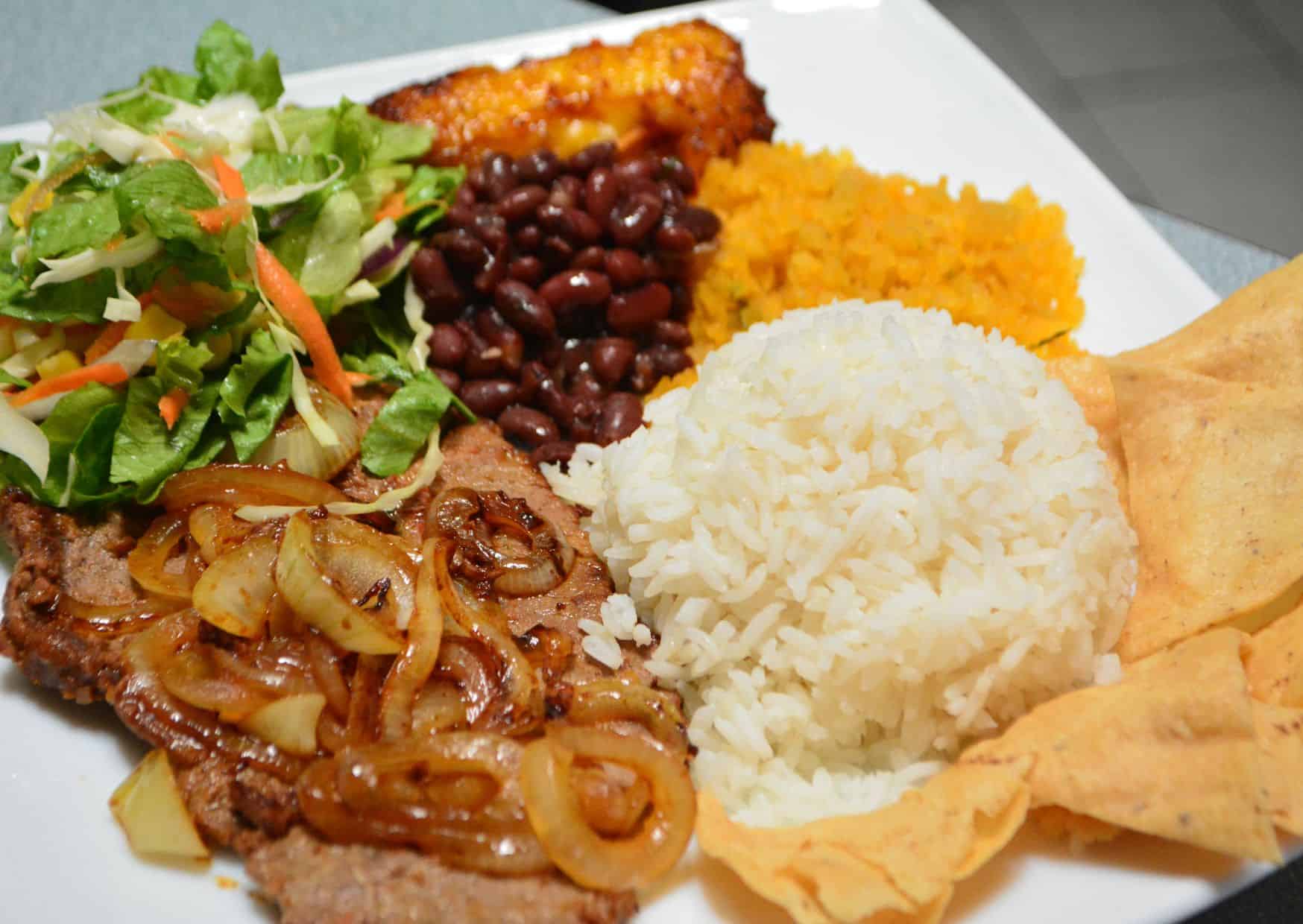
Assemble the Casado
On each plate, arrange a serving of rice, black beans, fried plantains, and salad. Add the cooked protein to each plate.
Serve with a warm corn tortilla and a side of Salsa Lizano or your favorite hot sauce.
Tips To Make Costa Rican Casado
Ensure the plantains are ripe (yellow with black spots) for a sweet and caramelized flavor when fried. Feel free to mix and match proteins according to your preference. Each protein type provides a different flavor and texture to the meal.
Use vegetable oil for frying plantains and cooking proteins, as it has a high smoke point and neutral flavor. This Costa Rican condiment adds an authentic flavor. If unavailable, substitute with a mild hot sauce or Worcestershire sauce.
How Many Calories Have Costa Rican Casado
White Rice (1 cup): Approximately 200 calories
Black Beans (1/2 cup): Approximately 110 calories
Plantains (1/2 plantain): Approximately 150 calories
Salad (with dressing): Approximately 80 calories
Chicken Breast (1 piece): Approximately 220 calories (alternatively, adjust for beef, pork, or fish)
Tortilla (1): Approximately 60 calories
Vegetable Oil (1 tablespoon): Approximately 120 calories
Total Calories per Serving: Approximately 940 calories
Origin and History
Casado is one of the most cherished dishes in Costa Rica, embodying the country’s warm hospitality and agricultural roots. The word “casado” translates to “married man,” and the name is believed to come from workers who wanted a meal that resembled what a wife would prepare at home. Over time, this humble plate transformed into a complete, well-balanced dish found everywhere from roadside sodas to family kitchens across the country.
The origins of Casado can be traced to rural traditions where practicality guided mealtime. Farmers needed meals that were hearty yet simple: rice for energy, beans for protein, vegetables for nutrients, and a choice of meat or fish for sustenance. These staples became the core elements of the dish, with small regional variations reflecting the ingredients available in each province.
As Costa Rica modernized and tourism grew, Casado became a culinary ambassador, offering visitors a taste of local life in a single plate. Its beauty lies in its honesty—it’s not an elaborate recipe, but a celebration of everyday ingredients prepared with care. Today, Casado remains a symbol of Costa Rican identity: comforting, nourishing, and deeply connected to home.
Despite its simplicity, Casado stirs debate among Costa Ricans. One of the biggest controversies is what “must” be on the plate for it to count as a real Casado. Some claim rice, beans, salad, plantains, and a protein are non-negotiable essentials. Others argue that variations—like adding tortillas, pasta salad, or avocado—still qualify. This disagreement highlights how the dish reflects regional and family traditions rather than strict rules.
Another point of contention revolves around the protein. Traditionalists favor grilled chicken, beef, or fish, while modern cooks have introduced pork chops, chorizo, or vegetarian alternatives. Purists sometimes see these additions as drifting too far from authenticity. Yet many younger Costa Ricans embrace the evolution, viewing Casado as a flexible format rather than a rigid recipe.
Even the name sparks debate. Some historians argue that Casado refers to the “marriage” of ingredients on one plate, not the idea of a married man. Others maintain the old stories passed down through generations. These conflicting interpretations show how intimately tied the dish is to Costa Rican culture and memory—and why people feel strongly about its meaning.
How Long You Take to Prepare
A traditional Casado takes around 45 to 60 minutes to prepare, especially if you’re cooking all the components fresh. Start by making the rice and beans, the backbone of the dish. Rice cooks in roughly 15 minutes, while beans can be made from scratch or reheated if previously prepared. Many home cooks batch-cook beans to save time during the week.
Next, prepare your protein. Grilled chicken breast or fish fillets take about 10 to 15 minutes, while beef may require slightly longer depending on thickness. Seasoning is usually simple—salt, pepper, garlic, and a touch of citrus or oil. The key is achieving a flavorful, well-seared exterior.
Finally, cook the sides: sweet plantains, which take around 5 to 7 minutes to caramelize; a fresh salad, assembled in minutes; and any optional additions like sautéed vegetables or tortillas. While the dish involves multiple components, none are complicated, making Casado accessible even on busy nights.
Serving Suggestions
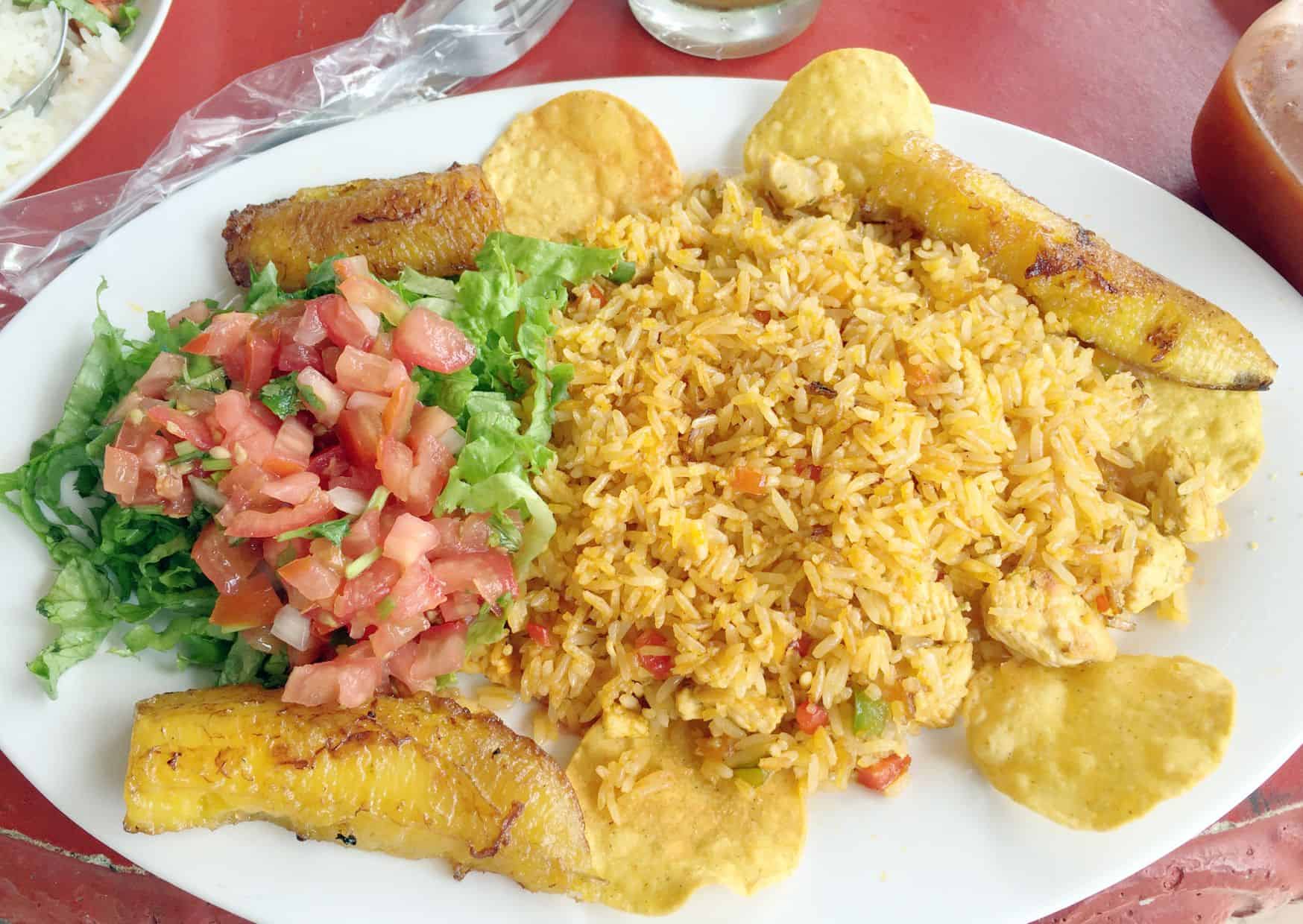
A complete Casado plate should feel abundant and colorful. Start with a generous scoop of white rice beside a hearty portion of black or red beans. Add your protein of choice—grilled chicken, beef steak, or fish—nestled alongside. Golden fried plantains bring sweetness, while a fresh salad of lettuce, tomato, and cabbage adds crunch and brightness.
To elevate the experience, include Costa Rican favorites like pico de gallo, sliced avocado, or sautéed vegetables with onions and peppers. Some families also serve a small portion of pasta salad, adding variety and creaminess to the plate. A wedge of lime provides acidity that ties everything together.
For an authentic Costa Rican touch, pair your Casado with a glass of agua fresca, fresh fruit juice, or horchata. Whether served for lunch or dinner, the dish is best enjoyed slowly, appreciating its balanced simplicity and comforting flavors.
Final Thoughts
Casado is more than just a meal—it’s a snapshot of Costa Rican life. Each element on the plate reflects the country’s natural abundance, from rich soil that grows plantains and vegetables to coastal waters that provide fresh fish. The dish’s enduring appeal lies in its ability to nourish without pretense, offering comfort and balance in every bite.
Preparing Casado at home brings the spirit of Costa Rican hospitality into your kitchen. It reminds us that great meals don’t require complicated techniques or fancy ingredients—just thoughtful preparation and genuine intention. Whether you follow tradition strictly or adapt the dish to your taste, its heart remains the same.
In a world where meals are often rushed, Casado invites you to slow down and savor each component. It’s a reminder of how food can ground us, connect us, and transport us to places where life is lived with warmth and simplicity. Once you make it, this humble, satisfying dish will earn a permanent spot on your table.

About the Author: Ruben, co-founder of Gamintraveler.com since 2014, is a seasoned traveler from Spain who has explored over 100 countries since 2009. Known for his extensive travel adventures across South America, Europe, the US, Australia, New Zealand, Asia, and Africa, Ruben combines his passion for adventurous yet sustainable living with his love for cycling, highlighted by his remarkable 5-month bicycle journey from Spain to Norway. He currently resides in Spain, where he continues sharing his travel experiences with his partner, Rachel, and their son, Han.