
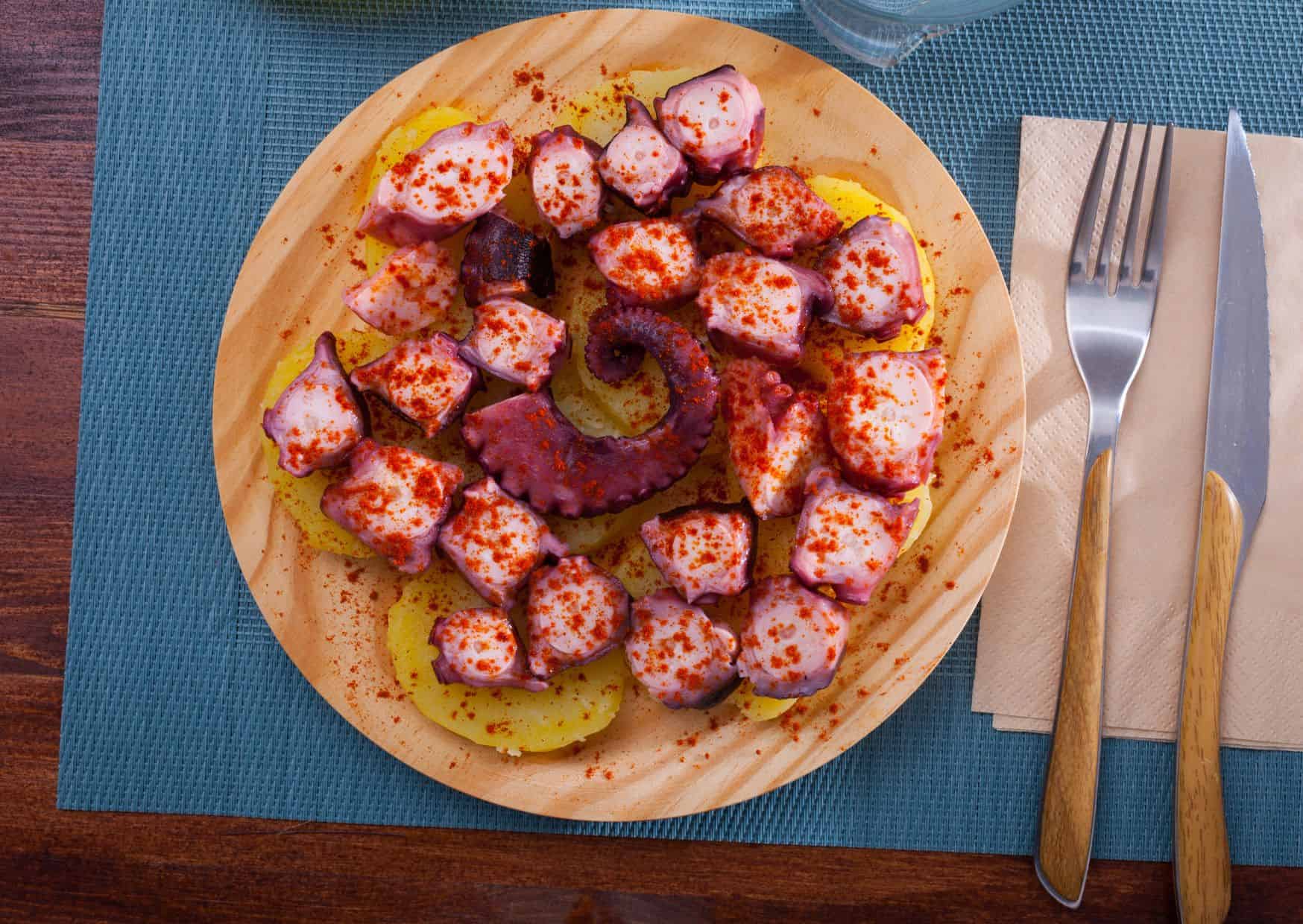
Forget tapas clichés and sangria-soaked seafood platters—Pulpo a la Gallega (Galician-style octopus) is one of Spain’s most iconic and shockingly simple dishes, yet it rarely gets the global love it deserves. Originating from the northwestern region of Galicia, this dish showcases how minimalism can unlock maximum flavor when ingredients are respected and not masked.
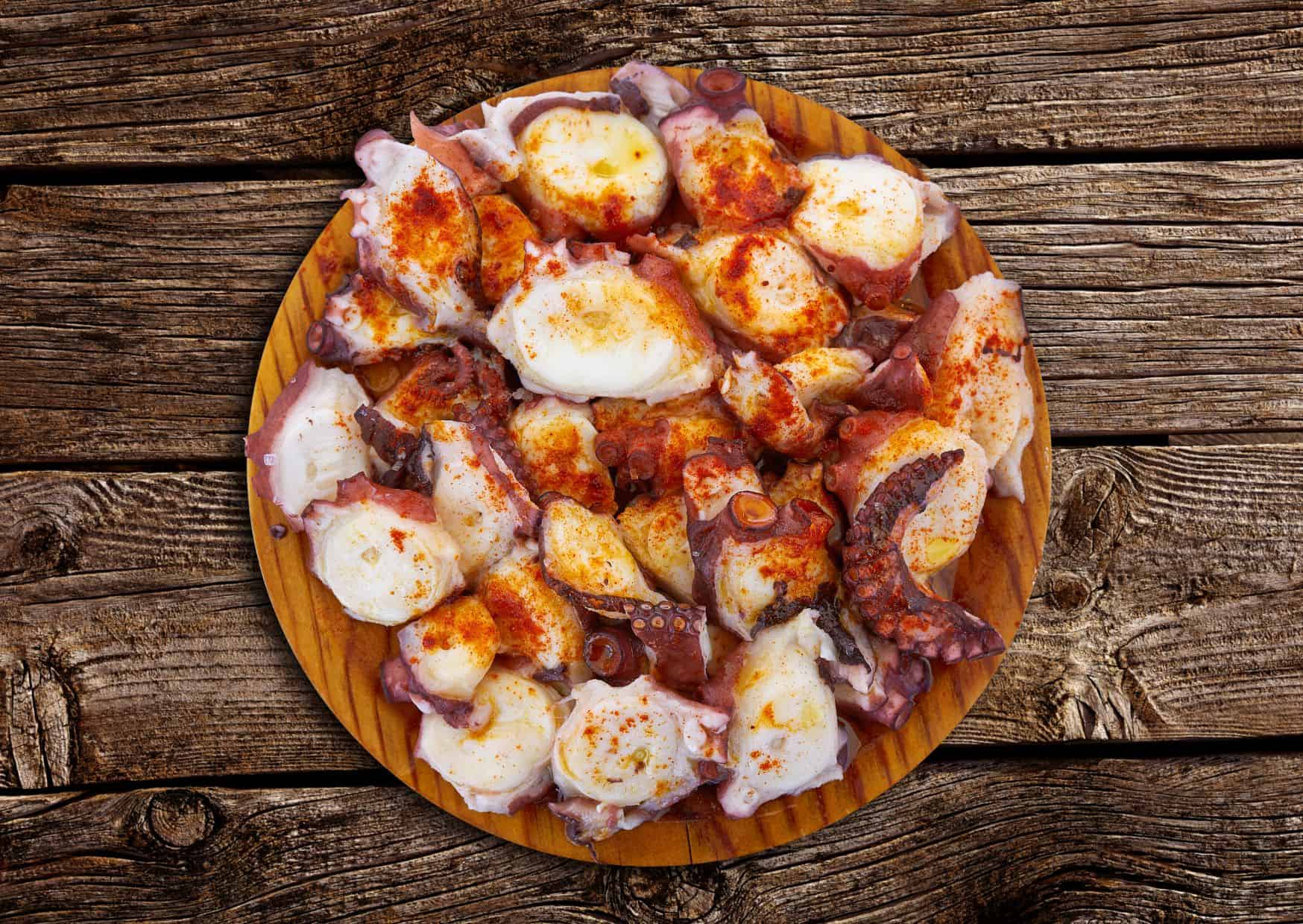
Traditionally served on a wooden plate with nothing more than boiled octopus, coarse salt, olive oil, and smoky paprika, Pulpo a la Gallega is as much about texture as it is about taste. The octopus is tender, never rubbery, and absorbs the richness of olive oil and spice in a way that turns skeptics into superfans. The best part? You don’t need a fancy sous vide machine or special pot—just a big pan and a bit of patience.
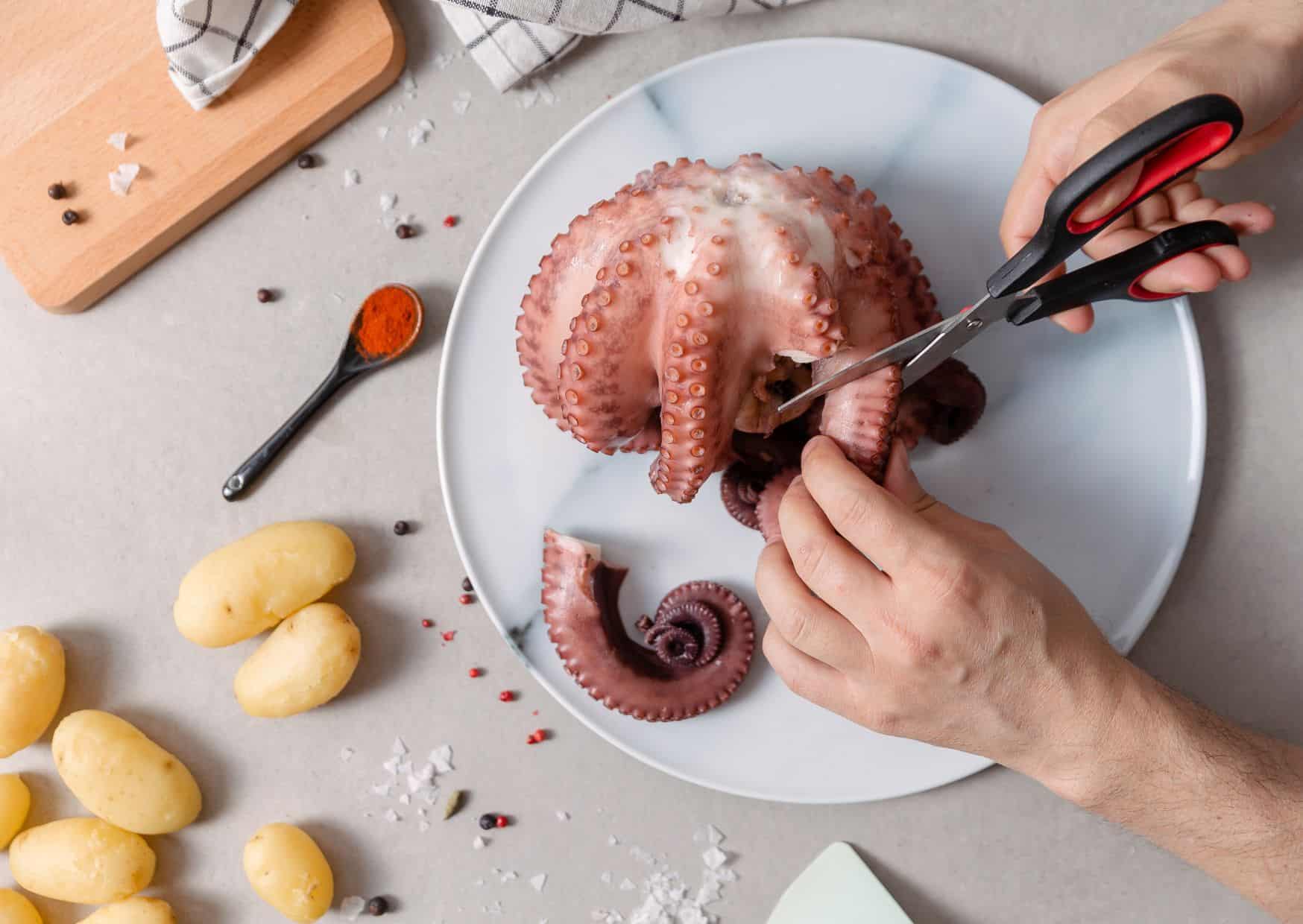
This dish isn’t just food—it’s ritual. In Galicia, pulpo is sold at food markets and local fairs, sliced with scissors by expert “pulpeiras.” But with the right method, you can bring this piece of Spanish tradition straight to your kitchen—no airfare or professional gear required.
The best Spanish food to try, Breakfast in Spain, and vegetarian food in Spain
BOOK YOUR TRAVEL INSURANCE
Two of our favorite travel insurance: Heymondo Vs Safetwing cheapest travel Insurance. You can get for $135 USD your Heymondo Travel Insurance with Heymondo discount code valid for 90 days. Read our full comparison of Genki vs Safetywing Travel Insurance Review and the comparison Heymondo vs Genki
Best Time to Eat
Pulpo a la Gallega is typically eaten as a midday meal (almuerzo) or as part of an evening tapas spread. It’s perfect for weekend lunches, dinner parties, or special occasions where you want to serve something simple yet impressive.
How to Partner It
Serve pulpo with boiled potatoes (cachelos) for the traditional Galician touch, and drizzle with extra olive oil and paprika. Pair with a crisp Albariño white wine, which cuts through the richness and complements the sea-salt notes. For a full spread, add pan con tomate, olives, and Spanish cheeses on the side.
Despite its rising popularity, Pulpo a la Gallega is often misrepresented in restaurants and food blogs. Many versions overcomplicate it with unnecessary garnishes, overly rich sauces, or incorrect cooking methods that leave the octopus either rubbery or mushy. The traditional dish thrives on restraint, not reinvention.
Another common issue is using frozen or pre-cooked octopus without understanding how to treat it properly. While freezing octopus is actually a traditional method for tenderizing, skipping the slow cooking step or failing to season correctly can strip the dish of its texture and flavor. It’s not just about boiling—it’s about timing and intuition.
Finally, Pulpo a la Gallega is often lumped under generic “Spanish tapas,” erasing its Galician roots. This dish is not just Spanish—it’s specifically from Galicia, a region with its own unique food culture and maritime history. Preserving that identity in how we cook and present the dish is key to honoring its heritage, not just its taste.
How to Make Pulpo a la Gallega
Pulpo a la Gallega Recipe Ingredients
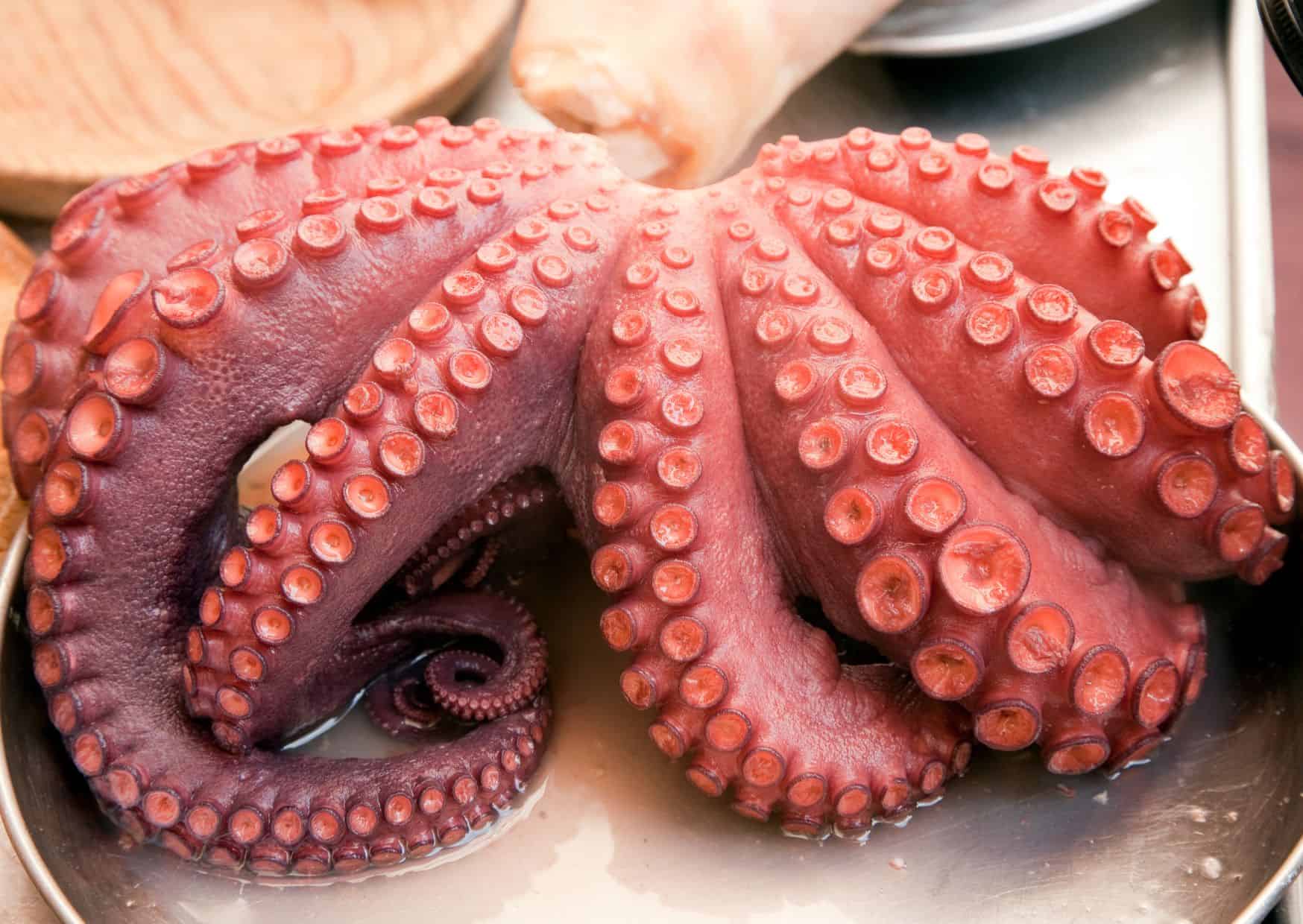
2 lbs (900 g) octopus, cleaned
4 large potatoes, peeled and sliced into 1/2 inch thick rounds
2 tablespoons extra virgin olive oil
1 teaspoon smoked paprika (pimentón)
Coarse sea salt to taste
2 bay leaves (optional)
Lemon wedges (for garnish, optional)
Get the best deals for your home and kitchen needs
Step By Step How to Make Pulpo a la Gallega
Prepare the Octopus
If the octopus is frozen, thaw it completely. Freezing the octopus before cooking helps to tenderize it.
Rinse the octopus under cold water to remove any remaining debris.
Cook the Octopus
Bring a large pot of water to a boil. Optionally, add two bay leaves for extra flavor. Hold the octopus by the head and dip it into the boiling water three times. This helps to curl the tentacles.
Submerge the octopus completely in the boiling water. Reduce the heat to a simmer and cook for 45-60 minutes, or until the octopus is tender. You can test the tenderness by inserting a fork into the thickest part of the tentacles; it should go in easily.
Cook the Potatoes
While the octopus is cooking, place the sliced potatoes in another pot and cover with cold water. Add a pinch of salt.
Bring the water to a boil and cook the potatoes until they are tender but not falling apart, about 15-20 minutes. Drain and set aside.
Assemble the Dish
Once the octopus is tender, remove it from the pot and let it cool slightly. Cut the tentacles into 1/2-inch thick slices.
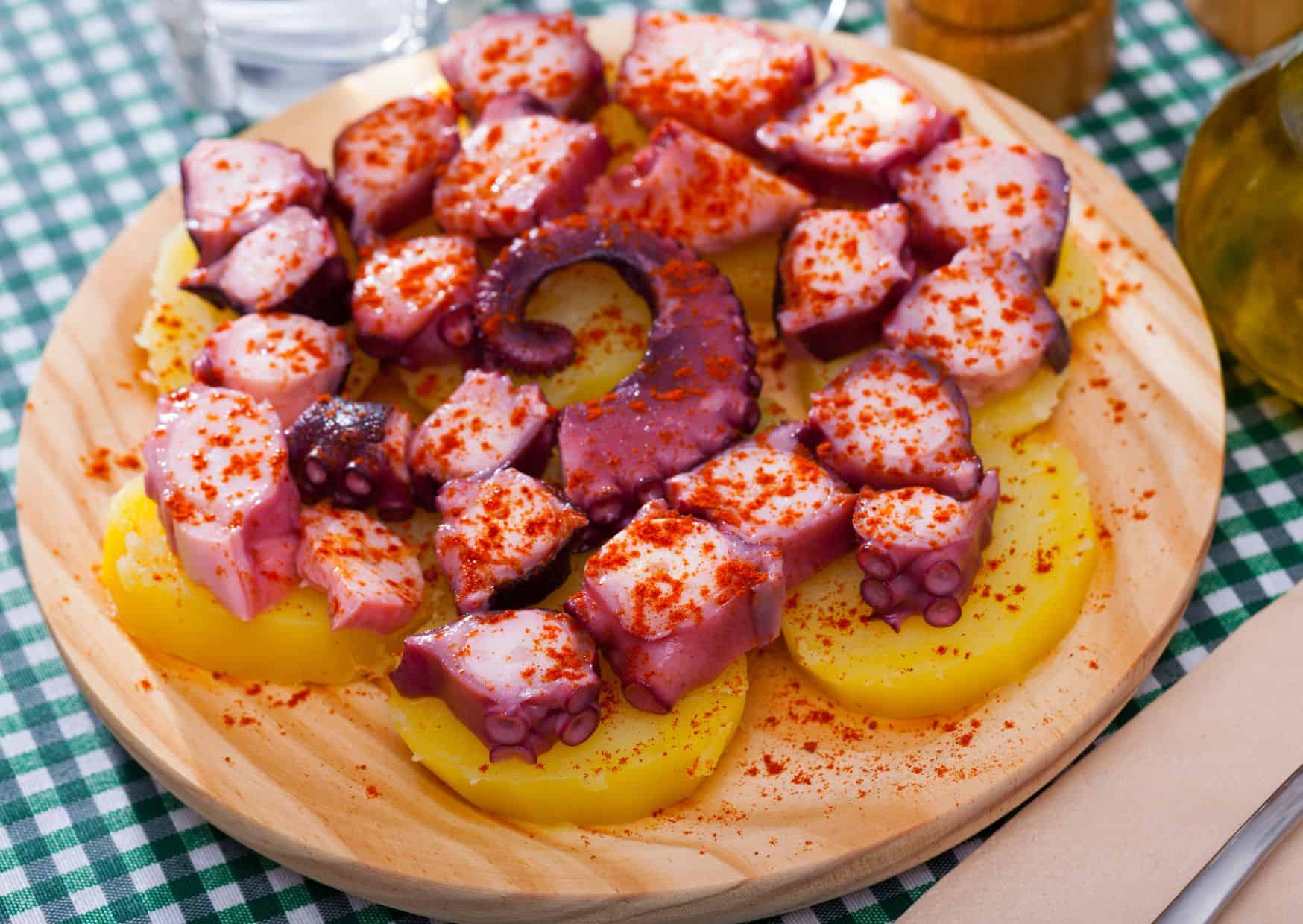
Arrange the potato slices on a serving platter. Place the octopus slices on top of the potatoes.
Season and Serve
Drizzle the olive oil over the octopus and potatoes. Sprinkle generously with smoked paprika and coarse sea salt.
Garnish with lemon wedges, if desired.
Tips For Making Pulpo a la Gallega
Freezing the octopus before cooking helps to break down the muscle fibers, making it more tender. Dipping the octopus in boiling water three times helps to set the shape and prevent the skin from peeling off during cooking.
Be patient while cooking the octopus. It’s essential to cook it long enough to become tender. Pulpo a la Gallega is traditionally served warm or at room temperature, often with a slice of crusty bread.
How Many Calories Have Pulpo a la Gallega
Calories: Approximately 250-300 calories per serving (assuming 4 servings)
Octopus (2 lbs): Approximately 600 calories
Potatoes (4 large): Approximately 400 calories
Olive Oil (2 tablespoons): Approximately 240 calories
Smoked Paprika and Salt: Negligible calories
Origin and History
Pulpo a la Gallega, often called Pulpo a Feira in Galicia, traces its roots to Spain’s rugged northwest coast, where fishermen relied on simple preparations to highlight the purity of fresh seafood. Octopus was abundant, affordable, and resilient enough to withstand long journeys inland, making it a staple for festivals and market gatherings. Over generations, this rustic dish evolved into a regional emblem of Galician cuisine.
Its preparation became closely tied to local traditions, especially during agricultural fairs where traveling cooks known as pulpeiras would simmer octopus in massive copper pots. Their method of cooking and serving the octopus on wooden plates not only preserved heat but also intensified its naturally briny flavor. This earned the dish a reputation far beyond Galicia’s borders.
By the twentieth century, Pulpo a la Gallega had spread throughout Spain, becoming a beloved specialty in tapas bars and homes alike. Although the ingredients remained minimal—octopus, olive oil, and paprika—the mastery required to tenderize the octopus cemented the dish as a testament to culinary simplicity done exceptionally well.
Despite its humble origins, Pulpo a la Gallega has sparked plenty of debate among cooks and purists across Spain. One of the most contested points is whether fresh octopus or frozen octopus yields the best texture. While tradition favors fresh catch, many modern chefs argue that freezing helps break down tough fibers, making it easier to achieve a perfectly tender bite.
Another point of contention lies in seasoning. Galicians insist that only pimentón de la Vera—specifically the sweet or mildly spicy variants—should ever be used. Yet outside the region, many cooks substitute whatever paprika they have on hand, prompting heated discussions about authenticity and flavor integrity. The distinction may seem small, but in Spain, the variety of paprika is considered essential.
Even serving methods generate debate. Traditionalists maintain that wooden plates are nonnegotiable, as they absorb excess moisture and preserve the warmth of the dish. Others believe the focus should remain on technique rather than the vessel. These differing opinions reflect how a deceptively simple recipe can inspire passionate culinary loyalty.
How Long It Takes to Prepare
Pulpo a la Gallega requires only a few ingredients, but the process demands patience. Preparing the octopus itself typically takes around 45 minutes to an hour, depending on its size. This includes bringing a large pot of water to a steady simmer and following the time-honored practice of dunking the octopus three times before fully submerging it to prevent the skin from tearing.
Once the octopus is simmering, it needs to cook gently until tender. Most home cooks find that checking the thickest part of the tentacle is the best indicator of doneness. This slow cooking stage is essential because overcooking can lead to rubbery texture, while undercooking results in chewy, tough meat. When done properly, the octopus becomes remarkably soft and flavorful.
After cooking, the resting period adds another 10 minutes, giving the octopus time to settle and making slicing easier. Altogether, the dish can be ready in roughly one hour and fifteen minutes. The preparation is minimal, but attention and timing matter more than any elaborate technique.
Serving Suggestions
Pulpo a la Gallega is traditionally served warm on wooden plates, cut into bite-sized medallions and generously drizzled with extra-virgin olive oil. A sprinkle of paprika and coarse sea salt completes the dish, giving it its signature color and smoky aroma. This minimalist approach ensures that the octopus remains the focus.
For a more substantial meal, pair the octopus with boiled or steamed potatoes, which are often placed underneath the slices to absorb the oil and seasoning. This combination transforms the dish into a satisfying plate that balances tender seafood with rustic heartiness. Many Spanish homes serve it this way for Sunday lunches or special gatherings.
If you want to elevate the presentation for guests, consider serving it alongside a crisp Albariño wine from Galicia. Its bright acidity and subtle salinity complement the octopus beautifully. Even in a modern kitchen, honoring regional pairings adds depth to the experience and brings the spirit of Galicia to the table.
Final Thoughts
Pulpo a la Gallega demonstrates that extraordinary flavor does not require complexity. With only three ingredients and a straightforward preparation, it proves that technique and respect for tradition can create a dish that feels both timeless and fresh. Its simplicity invites cooks of all skill levels to try it at home.
The dish also serves as a reminder of how regional specialties carry stories of culture, history, and community. Every method—whether dunking the octopus or choosing the right paprika—connects us to generations of cooks who perfected their craft through experience rather than recipes. There is something grounding in preparing food that has remained largely unchanged for centuries.
If you are searching for a dish that is equal parts impressive and approachable, Pulpo a la Gallega is a perfect choice. It encourages patience, rewards attention, and delivers an unforgettable flavor with minimal effort. Once you make it yourself, you may find it becomes a timeless addition to your own culinary repertoire.

About the Author: Ruben, co-founder of Gamintraveler.com since 2014, is a seasoned traveler from Spain who has explored over 100 countries since 2009. Known for his extensive travel adventures across South America, Europe, the US, Australia, New Zealand, Asia, and Africa, Ruben combines his passion for adventurous yet sustainable living with his love for cycling, highlighted by his remarkable 5-month bicycle journey from Spain to Norway. He currently resides in Spain, where he continues sharing his travel experiences with his partner, Rachel, and their son, Han.