
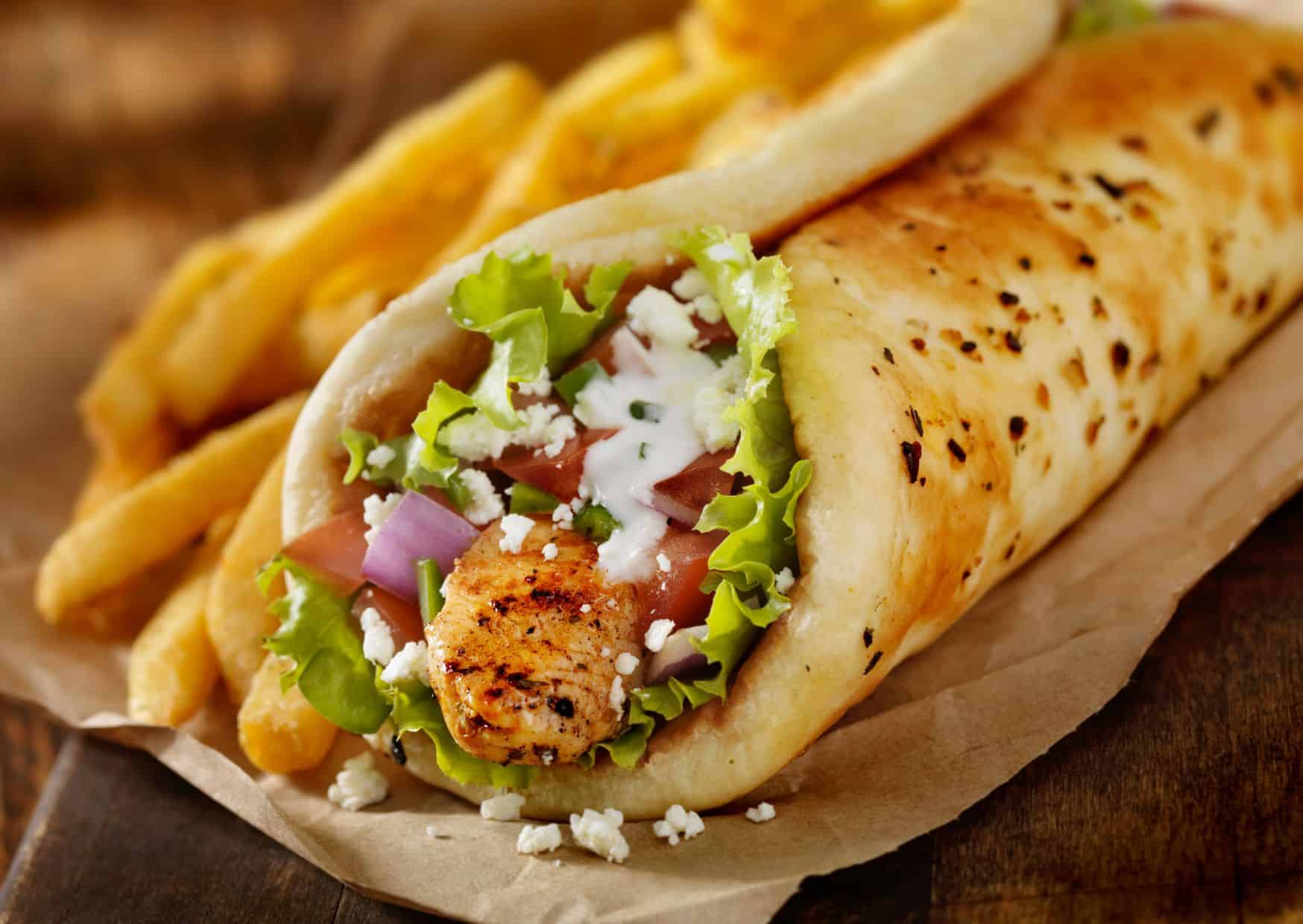
Greek cuisine is famous for its simple, fresh, and boldly flavored dishes, but few foods capture its essence quite like souvlaki. These marinated meat skewers, grilled to juicy perfection, are a staple of Greek street food culture, served everywhere from bustling Athens corners to seaside tavernas on the islands. Each bite is a harmony of tender meat, lemon, oregano, olive oil, and smoky char.
While souvlaki is now available globally at Greek restaurants and food trucks, nothing compares to the homemade version using traditional marinades and fresh ingredients. The beauty of this dish is its versatility—served as skewers with pita and salad, or wrapped into gyros with tzatziki and fries. It’s satisfying, quick to make, and ideal for gatherings when you want to impress guests without complicated prep.
In this recipe guide, you’ll learn how to make authentic Greek souvlaki at home, with tips on marinating, grilling, and serving it like a true local. We’ll also cover the best times to enjoy it, how to partner it with classic Greek sides, and the controversial truths about souvlaki that most foreigners never realize.
Read here best breakfast in Greece, Greek food and drinks in Greece
Read here best Greece sim card for tourist, our Greece travel tips and Budget Travel in Greece
BOOK YOUR TRAVEL INSURANCE
Two of our favorite travel insurance: Heymondo Vs Safetwing cheapest travel Insurance. You can get for $135 USD your Heymondo Travel Insurance with Heymondo discount code valid for 90 days. Read our full comparison of Genki vs Safetywing Travel Insurance Review and the comparison Heymondo vs Genki
Best Time to Eat and How to Partner
In Greece, souvlaki is enjoyed any time of day, though it’s most popular for lunch or dinner, and often eaten as a late-night meal after socializing. Street vendors sell it from noon until early morning, making it a quick grab-and-go option for locals and travelers alike.
To enjoy it like a Greek meal, serve souvlaki with warm pita bread, tzatziki sauce, sliced tomatoes and onions, and a side of Greek salad with feta and olives. For drinks, a cold glass of retsina or a simple chilled beer balances the smoky flavors perfectly, while ending the meal with Greek yogurt and honey makes it authentically satisfying.
One surprising truth is that what many tourists call “souvlaki” isn’t always what locals mean. In Athens, souvlaki typically refers to meat skewers, while in other regions it can mean meat wrapped in pita like a gyro. Many restaurants market gyros as souvlaki for tourists, but locals maintain a clear distinction between the two.
Another overlooked fact is that true Greek souvlaki is never smothered in heavy sauces like Western interpretations of kebabs. The flavor comes from quality meat, a simple marinade of olive oil, lemon, garlic, and oregano, and the char of a good grill. Adding mayo-based sauces or overly spicy marinades dilutes the authentic taste rooted in centuries of simplicity.
Finally, while pork is the traditional meat used for souvlaki in Greece, many tourist-focused shops default to chicken or beef to suit wider preferences. In reality, pork remains the soul of souvlaki, often sourced locally and grilled over open coals for a smokiness that electric grills simply can’t replicate. Understanding these nuances is key to making souvlaki that tastes like a meal in a Greek village, not just another backyard skewer.
How to Make Souvlaki
Souvlaki Recipe Ingredients
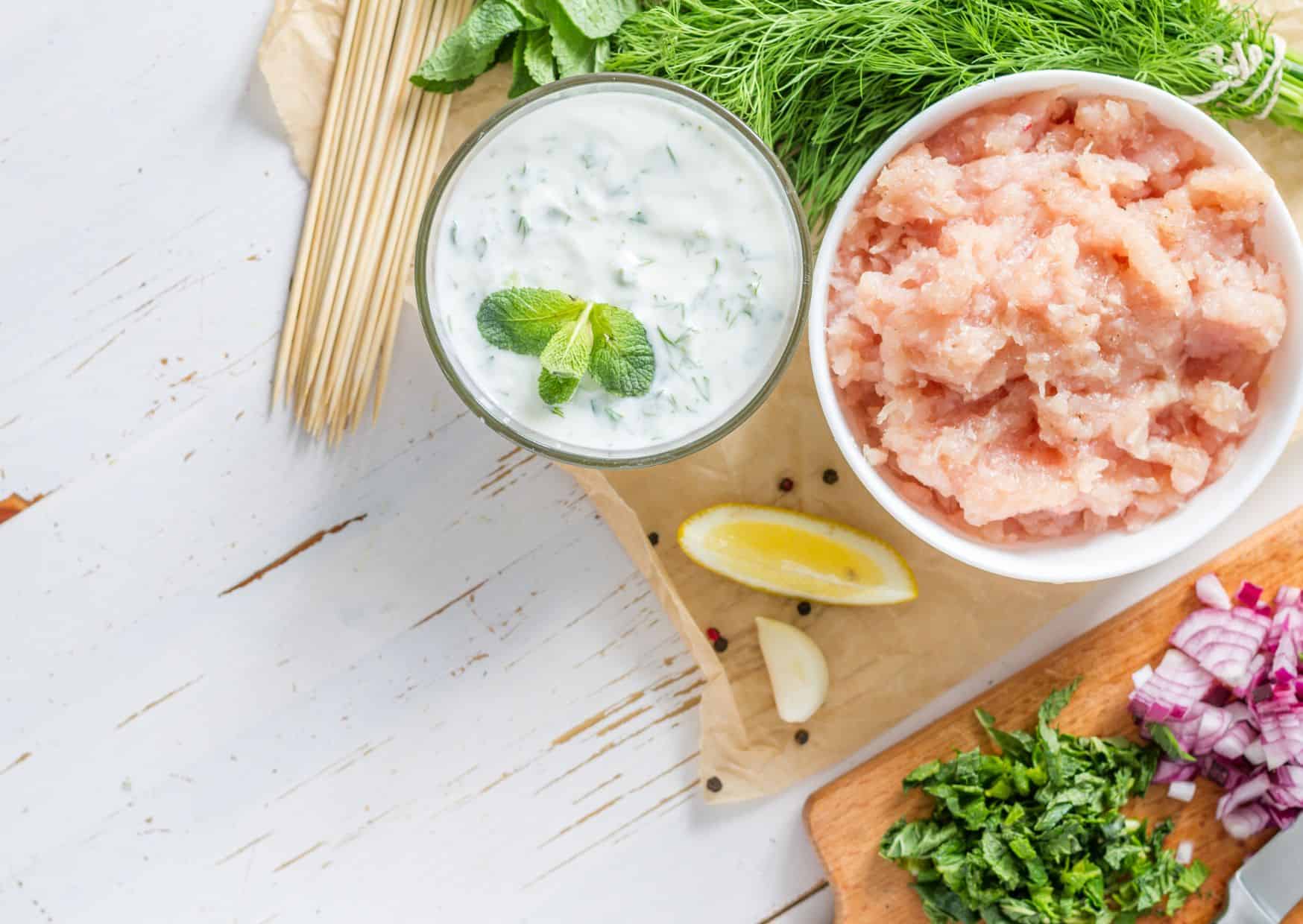
For the Souvlaki:
1 lb pork tenderloin or chicken breast, cut into 1-inch cubes
1/4 cup olive oil
2 tablespoons lemon juice
3 cloves garlic, minced
1 tablespoon dried oregano
1 teaspoon dried thyme
Salt and pepper to taste
Wooden or metal skewers
For Serving:
Pita bread
Tzatziki sauce (recipe below)
Sliced tomatoes
Sliced red onions
Lettuce leaves
Lemon wedges
For Tzatziki Sauce:
1 cup Greek yogurt
1 cucumber, grated and excess water squeezed out
2 cloves garlic, minced
1 tablespoon olive oil
1 tablespoon lemon juice
1 tablespoon fresh dill, chopped (optional)
Salt and pepper to taste
Get the best deals for your home and kitchen needs
Step By Step How to Make Souvlaki
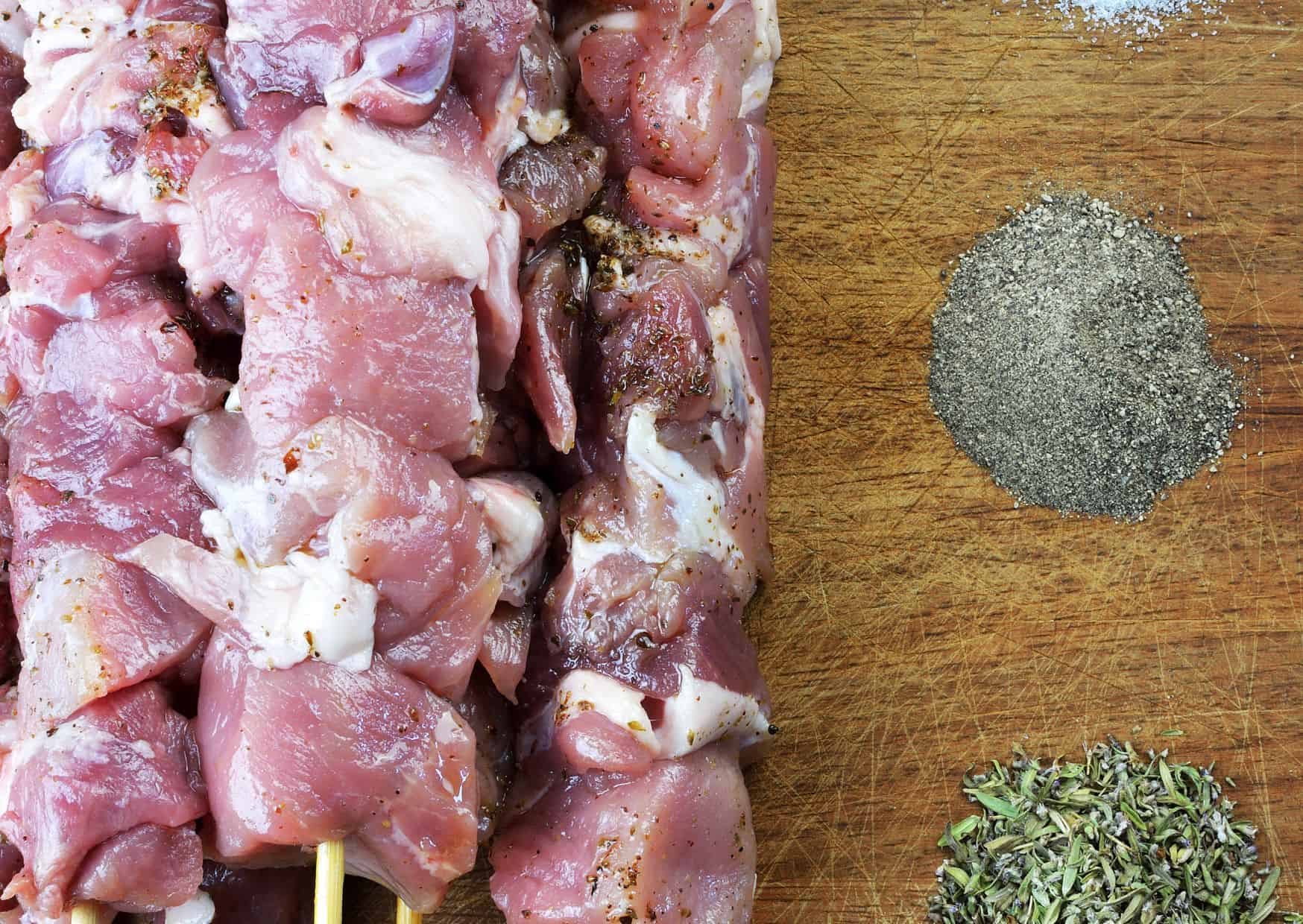
Marinate the Meat
In a bowl, combine the olive oil, lemon juice, minced garlic, oregano, thyme, salt, and pepper. Add the pork or chicken cubes and toss to coat evenly. Cover and refrigerate for at least 1 hour, preferably overnight, to allow the flavors to penetrate the meat.
Prepare the Tzatziki Sauce
In a bowl, mix the Greek yogurt, grated cucumber, minced garlic, olive oil, lemon juice, dill (if using), salt, and pepper. Stir until well combined. Cover and refrigerate until ready to use.
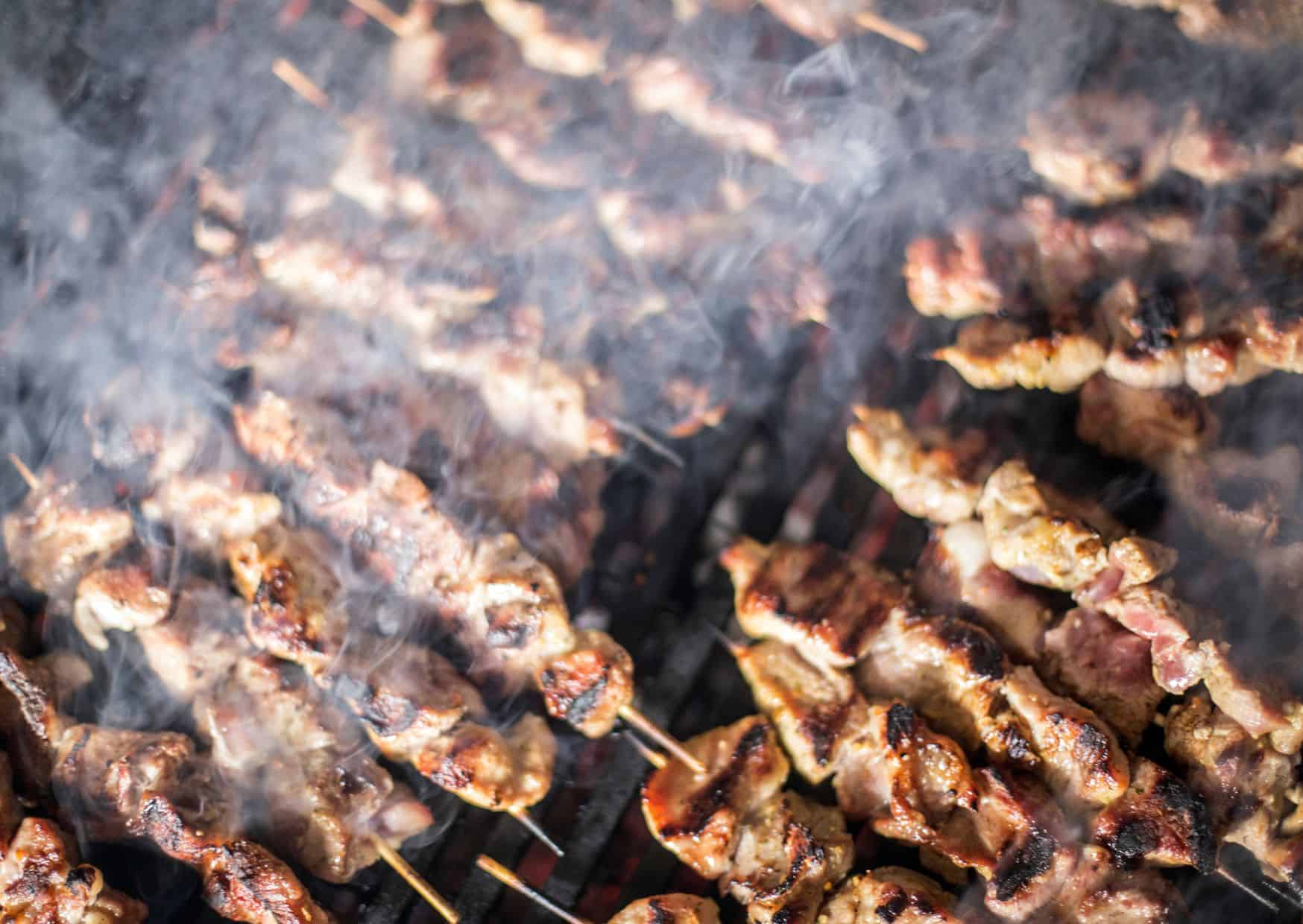
Skewer and Grill the Meat
Preheat a grill or grill pan over medium-high heat. If using wooden skewers, soak them in water for 30 minutes to prevent burning. Thread the marinated meat onto the skewers. Grill the skewers for about 8-10 minutes, turning occasionally, until the meat is cooked through and slightly charred.
Warm the Pita Bread
Warm the pita bread on the grill or in a skillet until soft and pliable.
Assemble and Serve
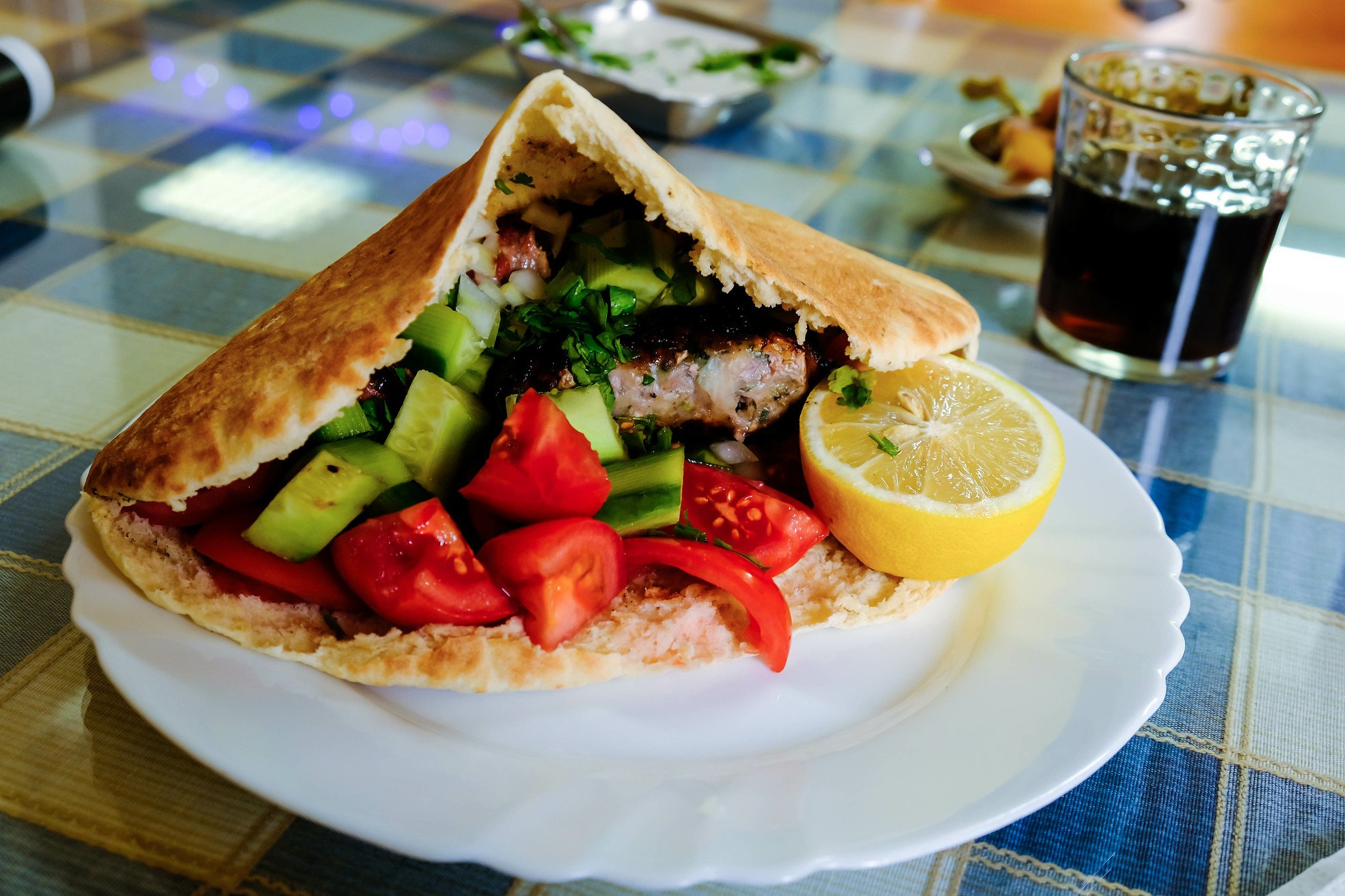
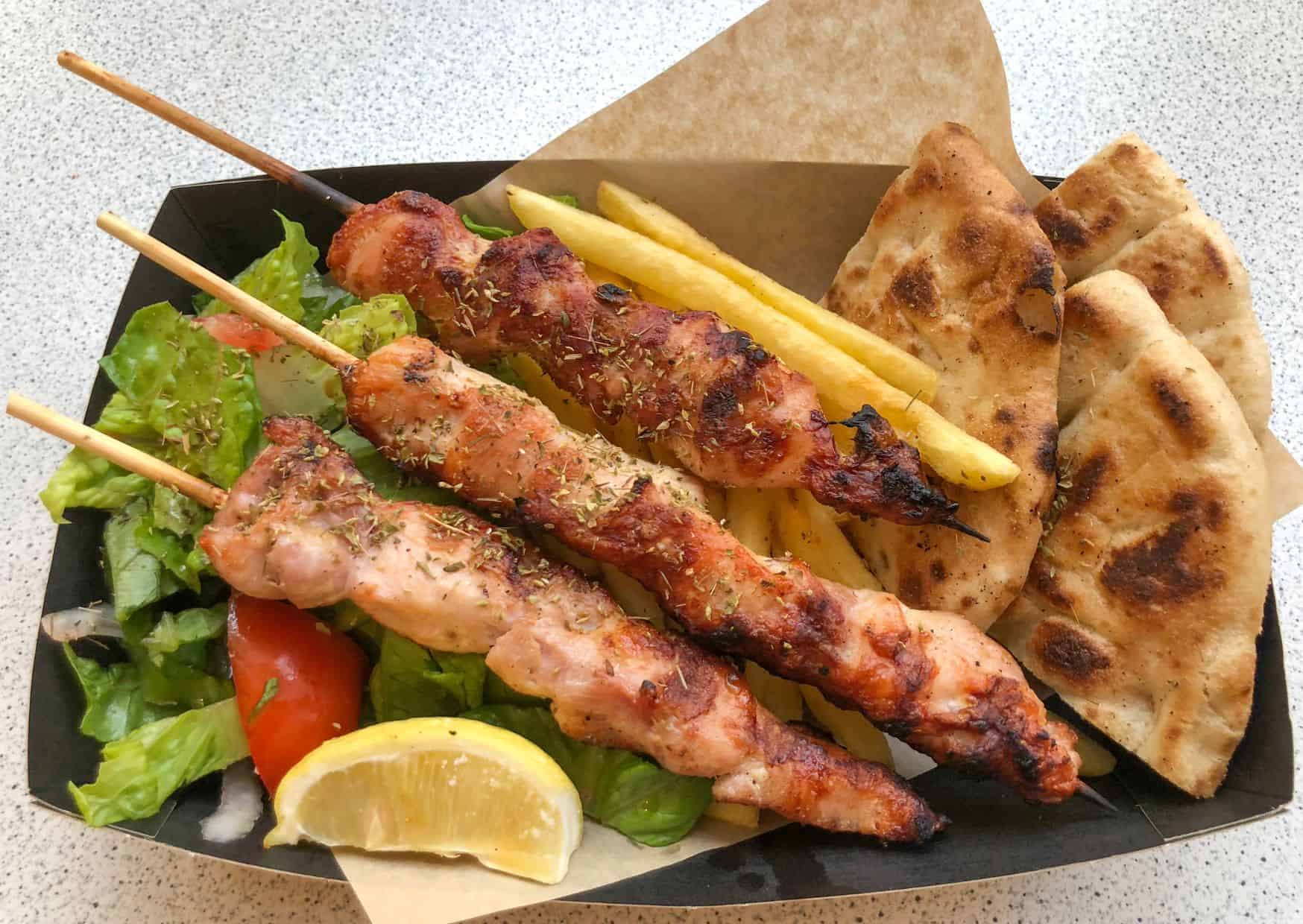
Place the grilled souvlaki on a platter and serve with warm pita bread, tzatziki sauce, sliced tomatoes, red onions, lettuce, and lemon wedges. Each person can assemble their own souvlaki wraps with the toppings of their choice.
Tips To Make Souvlaki
Pork tenderloin and chicken breast are traditional, but you can also use lamb or beef. For the best flavor, marinate the meat overnight. The acid in the lemon juice helps tenderize the meat.
Ensure your grill or grill pan is hot before adding the skewers to achieve a good sear and prevent sticking. Squeeze out as much water as possible from the grated cucumber to avoid a watery sauce. Serve immediately while the meat is hot and the pita is warm for the best taste and texture.
How Many Calories Have Souvlaki
Pork Tenderloin or Chicken Breast (1 lb): Approximately 600 calories
Olive Oil (1/4 cup): Approximately 480 calories
Pita Bread (4 pieces): Approximately 800 calories (200 calories per pita)
Tzatziki Sauce: Approximately 200 calories
Greek Yogurt (1 cup): 130 calories
Cucumber (1): 15 calories
Olive Oil (1 tablespoon): 120 calories
Lemon Juice, Garlic, Dill: Negligible calories
Total Calories for the Batch: Approximately 2,080 calories
Calories per Serving: Approximately 520 calories.
Origin and History
Greek souvlaki traces its roots back thousands of years, long before it became a paper-wrapped street food. Archaeological evidence shows that ancient Greeks were grilling small pieces of meat on skewers as early as the 17th century BCE. This wasn’t luxury dining it was practical cooking, designed to be fast, flavorful, and accessible to everyone.
Over time, souvlaki evolved alongside Greek daily life. It remained simple while civilizations rose and fell, resisting unnecessary embellishment. Unlike dishes that became more complex as they traveled through history, souvlaki stayed loyal to its original purpose: good meat, cooked over fire, eaten without ceremony.
In modern Greece, souvlaki became the ultimate urban food during the 20th century. As cities expanded and workdays lengthened, people needed meals that were quick, affordable, and satisfying. Souvlaki fit perfectly, becoming a staple for students, workers, and families alike.
What’s remarkable is how little the core recipe has changed. While presentation may vary—on a skewer, in pita, or plated the fundamentals remain untouched. That continuity is rare in global street food and is a big reason souvlaki feels timeless rather than trendy.
The first uncomfortable truth is that many versions of souvlaki outside Greece miss the mark entirely. Over-seasoned meats, sugary sauces, and overloaded fillings often replace balance with excess. This may appeal to novelty, but it strips souvlaki of its identity.
Another misunderstood aspect is its simplicity. Some assume that because souvlaki uses few ingredients, it lacks sophistication. In reality, restraint is the skill. There’s nowhere to hide mistakes when flavor depends on technique rather than distraction.
It’s also controversial to say that souvlaki doesn’t need innovation. Modern food culture pushes reinvention, but souvlaki thrives because it doesn’t chase trends. Attempts to “elevate” it often result in a dish that’s more expensive and less satisfying.
Finally, souvlaki challenges the belief that the best street food must be indulgent or extreme. It proves that grilled, balanced food can outperform fried, overloaded alternatives. That quiet confidence is why it endures and why it unsettles louder food trends.
How Long It Takes to Prepare
One of souvlaki’s greatest strengths is how little time it demands. Prep is straightforward, and most of the work happens while you wait. Cutting the meat and mixing a marinade takes no more than 15 minutes.
The real magic happens during marination. While even 30 minutes improves flavor, several hours or overnight transforms the meat completely. This passive time means you’re not actively cooking, just letting ingredients do their work.
Cooking itself is fast and intense. High heat and small cuts mean the meat grills in under 10 minutes. There’s no slow roasting, no complicated timing, and no extended cleanup afterward.
From start to finish, souvlaki respects your time. It rewards planning rather than labor, making it ideal for both busy weeknights and casual gatherings. Few dishes deliver this much flavor with so little effort.
Serving Suggestions
Traditionally, souvlaki is served wrapped in warm pita with tomato, onion, and a yogurt-based sauce. This combination isn’t random it balances heat, acidity, creaminess, and texture in every bite.
For a lighter option, serve souvlaki on a plate with a simple salad and grilled vegetables. This version highlights the meat itself and turns street food into a clean, satisfying meal.
Souvlaki also works beautifully for sharing. Serve skewers family-style with multiple sauces and sides, letting everyone build their own plate. It’s informal, social, and true to its roots.
Even leftovers shine. Cold souvlaki sliced into wraps or salads retains its flavor and texture, proving that it’s not just fast food it’s smart food.
Final Thoughts
Greek souvlaki isn’t just a quick meal it’s a celebration of flavor, tradition, and simplicity. Tender, marinated meat grilled to perfection, paired with warm pita and fresh toppings, makes every bite a balance of savory, smoky, and refreshing.
Making souvlaki at home allows you to recreate the authentic taste of Greek street stalls, using fresh herbs, quality olive oil, and perfectly charred skewers. It’s proof that street food can be both casual and culinary artistry.
Whether enjoyed on a busy Athenian street or your own backyard patio, souvlaki’s appeal is timeless. It’s the kind of dish that invites conversation, laughter, and sharing qualities that make it more than food, but an experience.

About the Author: Ruben, co-founder of Gamintraveler.com since 2014, is a seasoned traveler from Spain who has explored over 100 countries since 2009. Known for his extensive travel adventures across South America, Europe, the US, Australia, New Zealand, Asia, and Africa, Ruben combines his passion for adventurous yet sustainable living with his love for cycling, highlighted by his remarkable 5-month bicycle journey from Spain to Norway. He currently resides in Spain, where he continues sharing his travel experiences with his partner, Rachel, and their son, Han.