
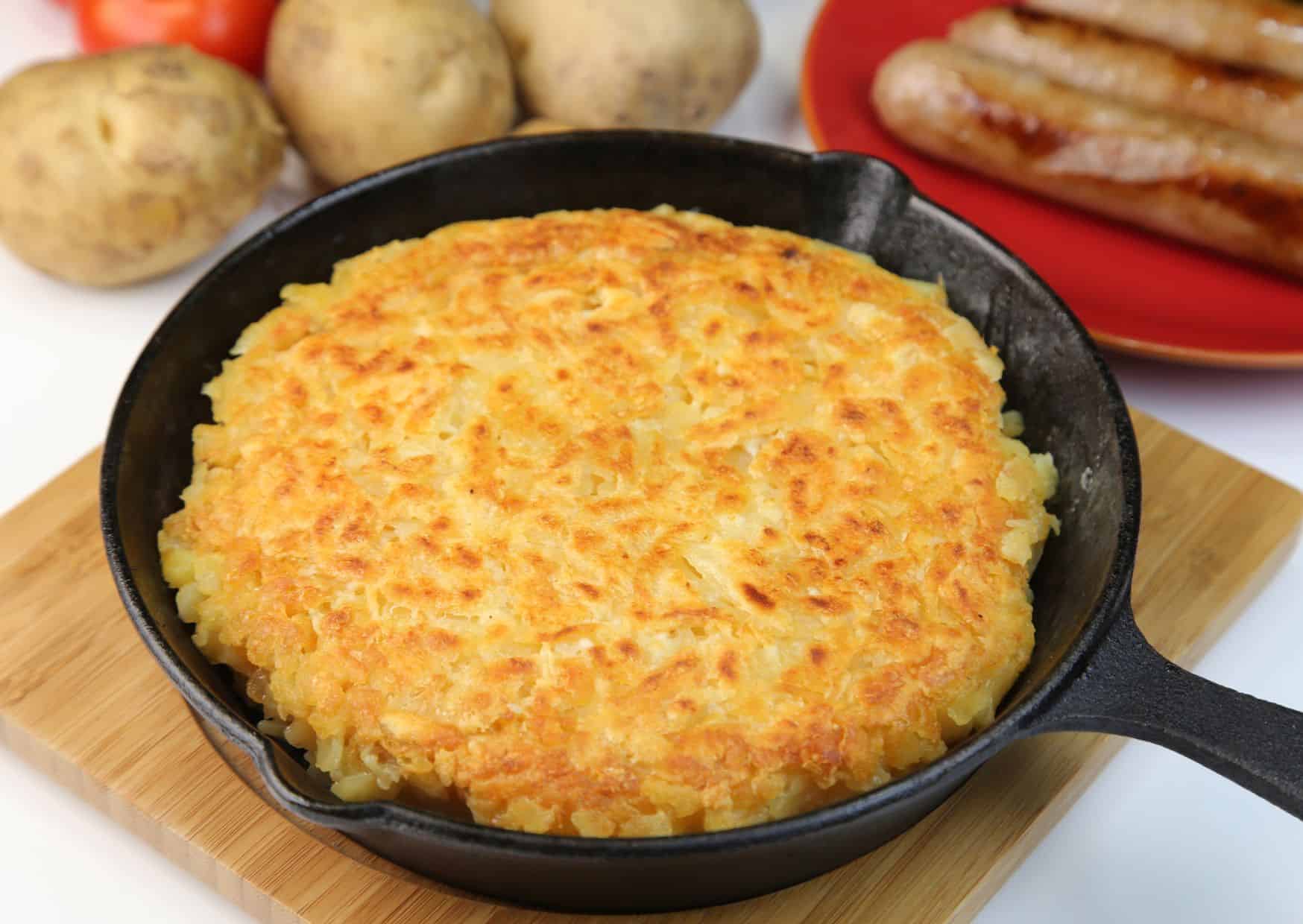
Rösti is one of Switzerland’s most beloved culinary staples, originating from the Alpine farms of Bern and Zurich. This simple yet satisfying dish is essentially a crispy potato pancake, traditionally made with grated potatoes pan-fried in butter or oil until golden brown and deliciously crunchy on the outside while remaining tender inside. Originally eaten as a hearty farmer’s breakfast, Rösti has transcended its humble roots to become a staple on menus across Swiss restaurants, served alongside sausages, cheeses, and eggs, or even as a side to meats like veal or pork.
Making Rösti at home is surprisingly easy, requiring minimal ingredients and equipment, yet it offers maximum comfort and versatility. The key lies in the texture grating and squeezing moisture from the potatoes ensures that perfect crispness, while a heavy skillet and patience achieve the golden crust that defines authentic Rösti. Whether you enjoy it plain with just salt and pepper or elevate it with toppings like melted raclette cheese, smoked salmon, or fresh herbs, Rösti is a recipe that adapts beautifully to your kitchen and cravings.
In this recipe guide, you’ll learn the step-by-step process to make traditional Swiss Rösti from scratch, along with optional variations to suit breakfast, lunch, or dinner. Mastering Rösti will add a rustic European classic to your repertoire, perfect for cozy weekends or impressing guests with an authentic Alpine brunch.
Make sure you get free transportation in Switzerland with the Swiss Travel Pass and Swiss Half Fare Card
Read here best Switzerland food, drinks in Switzerland, fruits in Switzerland, Swiss breakfast, desserts in Switzerland
BOOK YOUR TRAVEL INSURANCE
Two of our favorite travel insurance: Heymondo Vs Safetwing cheapest travel Insurance. You can get for $135 USD your Heymondo Travel Insurance with Heymondo discount code valid for 90 days. Read our full comparison of Genki vs Safetywing Travel Insurance Review and the comparison Heymondo vs Genki
Best Time to Eat and What to Serve It With
Best time to eat:
Rösti is traditionally enjoyed as a hearty breakfast or brunch, especially in Swiss homes and mountain lodges. However, it also makes a perfect lunch side dish or light dinner when paired with eggs, smoked fish, or salads.
Perfect pairings:
Breakfast/Brunch: Top with a fried egg, smoked salmon, and fresh chives for a luxurious yet rustic brunch.
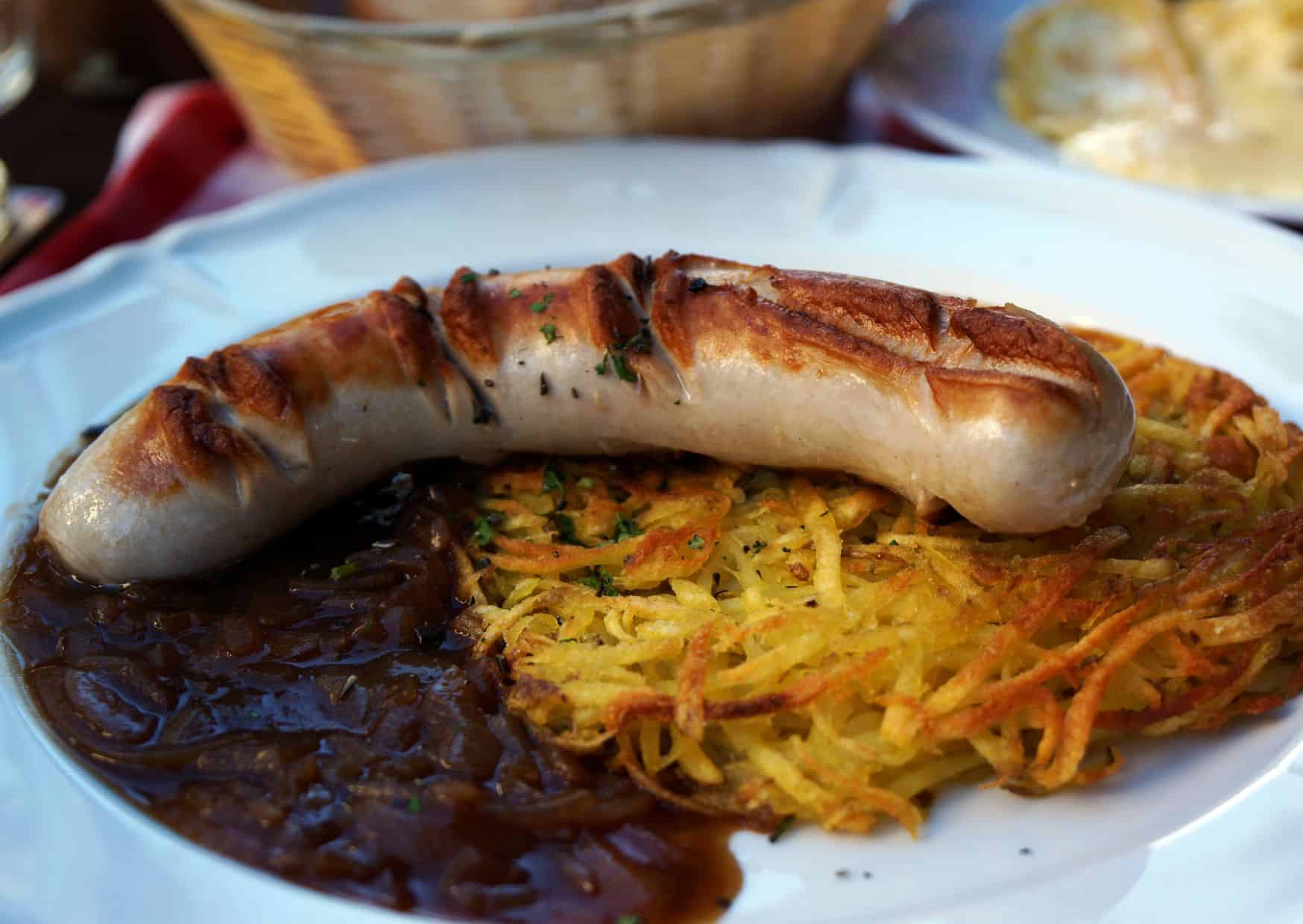
Lunch/Dinner: Serve as a side to sausages, pork schnitzel, or grilled chicken with a crisp green salad.
Drink: Pair with a light white wine like Swiss Chasselas for lunch or enjoy with strong coffee or herbal tea for a warming breakfast.
Rösti is more than just grated potatoes it’s a culinary embrace from Switzerland, ready to bring warmth, crunch, and Alpine simplicity to your table, any time of day.
Rösti may look like a simple potato pancake, but to Swiss locals, it’s a national treasure that outsiders rarely respect or prepare correctly. Many home cooks toss it together like American hash browns, but traditional rösti requires patience, the right kind of potato (waxy, not starchy), and precise technique. It’s not just fried potatoes it’s a cultural symbol of regional pride, especially in German-speaking parts of Switzerland.
One of the most controversial aspects of rösti is whether to parboil the potatoes before grating. Purists swear by using pre-boiled, chilled potatoes to achieve that golden crust and tender interior, while modern food blogs often skip this step for convenience. But according to Swiss tradition, cutting corners here completely changes the texture and misses the whole point of what makes rösti rösti.
Another debated topic? What goes on top. While tourists often load their rösti with cheese, bacon, or even eggs, many Swiss prefer theirs plain, letting the crispy layers speak for themselves. Toppings may be tasty, but they often distract from the dish’s integrity. Simplicity, not excess, defines this Alpine staple and honoring that tradition is key to getting it right.
How to Make Homemade Rosti
Homemade Rosti Recipe Ingredients
4 large potatoes (Russet or Yukon Gold are ideal)
1 small onion, finely chopped (optional)
1/4 cup butter or oil (you can use a mix of both)
Salt and pepper to taste
Get the best deals for your home and kitchen needs
Step By Step How to Make Rosti
Prepare the Potatoes
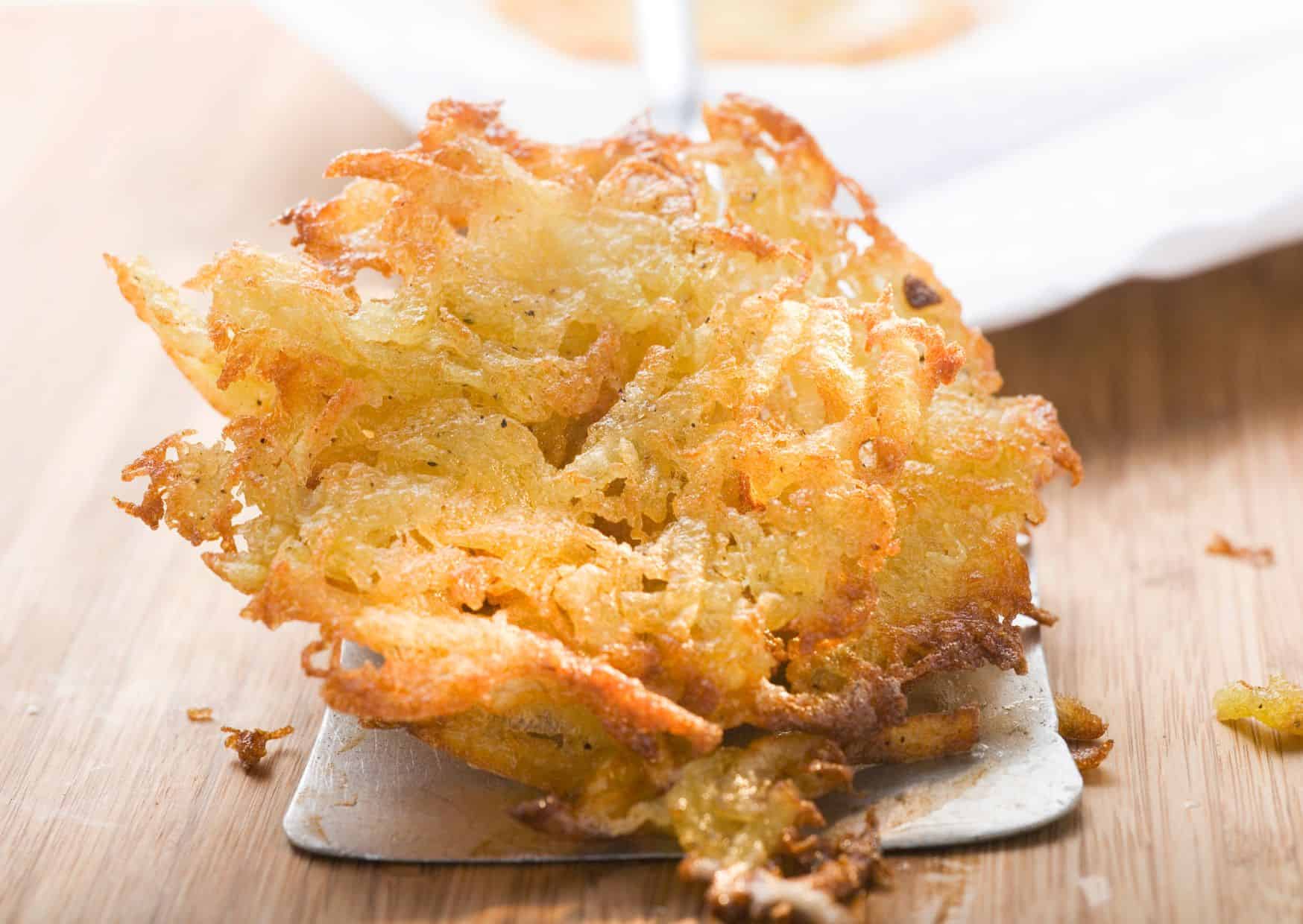
Peel the potatoes and grate them using a large-hole grater. You can also leave the skins on for added texture and nutrients. Place the grated potatoes in a clean kitchen towel and squeeze out as much moisture as possible. This step is crucial to achieving a crispy texture.

Cook the Potatoes
Heat half of the butter or oil in a large non-stick or cast-iron skillet over medium heat. If you are using onion, add the finely chopped onion to the skillet and sauté until soft and translucent.
Add the grated potatoes to the skillet, spreading them out evenly. Press them down with a spatula to form a compact layer.
Season with salt and pepper.
Form the Rösti
Cook the potatoes for about 10-15 minutes without stirring, until the bottom is golden brown and crispy. You can lift the edge with a spatula to check the browning.

Flip the Rösti
To flip the Rösti, place a large plate over the skillet. Carefully invert the skillet so the Rösti is on the plate, then slide it back into the skillet with the uncooked side down.
Add the remaining butter or oil around the edges of the skillet to help crisp the other side. Cook for another 10-15 minutes until the other side is golden brown and crispy.
Serve
Once cooked, slide the Rösti onto a cutting board or serving platter. Cut into wedges and serve hot.
Tips To Make Rosti
Use a coarse grater for larger potato pieces, which will give a better texture to the Rösti. Removing excess moisture from the grated potatoes is essential for achieving a crispy Rösti. Use a kitchen towel or cheesecloth to squeeze out as much liquid as possible.
If you’re not comfortable flipping the Rösti with a plate, you can also cut it into smaller sections and flip each section individually. For added flavor, you can mix in grated cheese, chopped herbs, or cooked bacon bits with the potatoes before cooking.
How Many Calories Have Rosti
Potatoes (4 large): Approximately 400 calories
Butter or Oil (1/4 cup): Approximately 480 calories
Onion (1 small, optional): Approximately 20 calories
Salt and Pepper: Negligible calories
Total Calories for the Batch: Approximately 900 calories
Calories per Serving: Approximately 225 calories.
Origin and History
Rösti originated in the German-speaking regions of Switzerland as a humble farmer’s breakfast. It was made from potatoes that were already cooked, grated, and pan-fried to create a filling meal that required little preparation in the early morning hours.
Initially associated with rural households, rösti reflected the practical needs of agricultural life. Potatoes were cheap, filling, and widely available, making them ideal for sustaining long days of physical labor.
Over time, rösti moved beyond breakfast and into everyday cuisine. It became a national symbol, served as a side dish or main course across Switzerland, transcending its rural origins.
Despite its simplicity, rösti retained regional nuance. Differences in potato type, fat used, and thickness created subtle variations, all rooted in local habit rather than written rules.
One of the biggest misconceptions is that rösti is a Swiss version of hash browns. While they may look similar, the preparation and intent are fundamentally different.
Another common mistake is using raw potatoes. Traditional rösti relies on parboiled potatoes, which produce a cohesive interior and crisp exterior. Raw potatoes often result in uneven cooking and excess moisture.
There is also debate over seasoning. Many versions outside Switzerland add onions, cheese, or herbs, but classic rösti is minimally seasoned to highlight the potato itself.
Finally, people often assume rösti should be flipped multiple times. In reality, it is meant to form a crust undisturbed, with a single, decisive turn to maintain structure.
How Long You Take to Prepare
Rösti preparation begins the day before, with potatoes boiled in their skins and allowed to cool completely. This step is essential and cannot be skipped without compromising texture.
Grating the potatoes takes only a few minutes, but care must be taken to preserve long strands rather than a mushy mass.
Cooking happens slowly over moderate heat. The goal is to develop a golden crust while keeping the interior tender, a process that rewards patience.
From start to finish, active cooking time is about 30 minutes, but proper planning stretches the process over two days for best results.
Serving Suggestions
Rösti is traditionally served as a base rather than a garnish. It pairs well with eggs, sausages, or vegetables, depending on the meal.
In Switzerland, it is often topped lightly or served alongside protein rather than mixed with fillings. This preserves its texture and identity.
Cutting is as important as cooking. Rösti should be sliced cleanly like a cake to maintain its crisp shell and soft center.
Serve immediately after cooking, as resting causes steam to soften the crust and diminish contrast.
Final Thoughts
Mastering rösti at home is not just about recreating a dish it’s about learning to slow down and cook with intention. The process of grating, forming, and patiently crisping the rösti is a lesson in restraint and respect for classic techniques. When done right, it’s proof that humble ingredients can become something extraordinary.
Serve rösti as a hearty breakfast, a rustic lunch, or a cozy dinner side. It pairs beautifully with eggs, smoked salmon, sautéed greens, or even just a dollop of sour cream. The best time to eat rösti? When you want comfort, crisp edges, and the quiet satisfaction of mastering a dish that doesn’t rush itself.
In a world where everything is made faster and louder, rösti reminds us of the beauty in simplicity. Let it be a reminder that not all great meals need flair sometimes, they just need a perfectly golden crust and a bit of Swiss patience.

About the Author: Ruben, co-founder of Gamintraveler.com since 2014, is a seasoned traveler from Spain who has explored over 100 countries since 2009. Known for his extensive travel adventures across South America, Europe, the US, Australia, New Zealand, Asia, and Africa, Ruben combines his passion for adventurous yet sustainable living with his love for cycling, highlighted by his remarkable 5-month bicycle journey from Spain to Norway. He currently resides in Spain, where he continues sharing his travel experiences with his partner, Rachel, and their son, Han.