
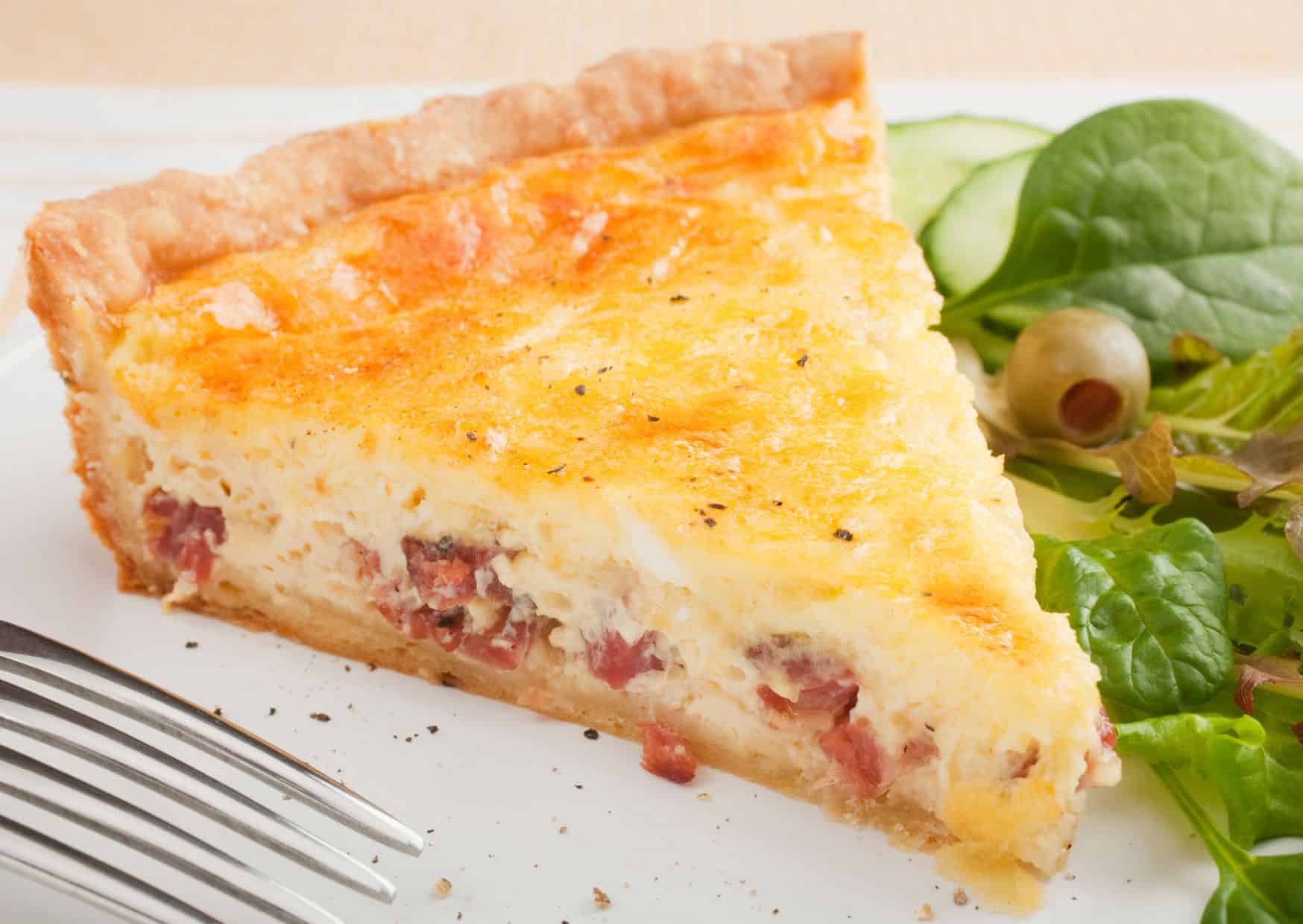
Few dishes say “French comfort food” quite like a classic Quiche Lorraine. Born in the Lorraine region of northeastern France, this savory tart has become a globally recognized brunch item. But in its homeland, it’s much more than a brunch cliché—it’s a symbol of rustic elegance and centuries-old culinary tradition. Rich, custardy, and packed with smoky lardons, real Quiche Lorraine is a far cry from the overly cheesy versions served abroad.
While many associate quiche with a trendy café meal, in France it’s often a weeknight dinner, a bakery staple, or a weekend lunch served with a simple green salad. The dish balances richness and simplicity—flaky pastry, silky eggs, a touch of cream, and traditional cured pork. No bells, no whistles—just classic ingredients done right. This recipe guide brings the real deal to your kitchen, step by step.
Once you master the method, Quiche Lorraine becomes your go-to for potlucks, picnics, or a no-fuss, impressive meal for guests. The flavor deepens overnight, making it perfect for meal prep or next-day leftovers that taste even better. Whether you’re recreating a French countryside lunch or just tired of boring brunch menus, this dish delivers buttery bliss in every bite.
Read here best French Food, vegetarian food in France, France and Switzerland 14 Days Itinerary and Classic French Breakfast
BOOK YOUR TRAVEL INSURANCE
Two of our favorite travel insurance: Heymondo Vs Safetwing cheapest travel Insurance. You can get for $135 USD your Heymondo Travel Insurance with Heymondo discount code valid for 90 days. Read our full comparison of Genki vs Safetywing Travel Insurance Review and the comparison Heymondo vs Genki
Best Time to Eat and How to Partner
The French traditionally serve quiche at lunch or dinner, often accompanied by a crisp green salad with Dijon vinaigrette and a glass of chilled white wine—think Sauvignon Blanc or a dry Riesling. It’s also ideal for brunch when served warm or room temperature. For a full Provençal-style spread, add roasted vegetables or a cheese plate with crusty bread to round out the meal.
One of the biggest controversies surrounding Quiche Lorraine is what doesn’t belong in it. Contrary to popular belief, adding cheese is actually not traditional in the original version. French purists often scoff at the overloaded American adaptations filled with cheddar, broccoli, or bacon bits, arguing that these additions drown the quiche’s refined simplicity. In France, Quiche Lorraine means cream, eggs, and lardons—nothing more.
Another misunderstanding? That quiche is “feminine food.” In decades past, especially in American food culture, quiche was unfairly labeled as light fare for women’s luncheons. This stereotype ignores its origins as a hearty farmer’s meal, filling and nutritious, built for sustenance—not frills. Today, French families of all types enjoy it as a practical and satisfying meal.
Finally, the frozen quiches found in supermarket freezers bear little resemblance to their French ancestor. Mass-produced versions with rubbery textures and artificial fillings have dulled its reputation abroad. But when made fresh and from scratch, Quiche Lorraine is proof that humble ingredients, treated with care, can result in unforgettable elegance on a plate.
How to Make Quiche Lorraine
Quiche Lorraine Recipe Ingredients
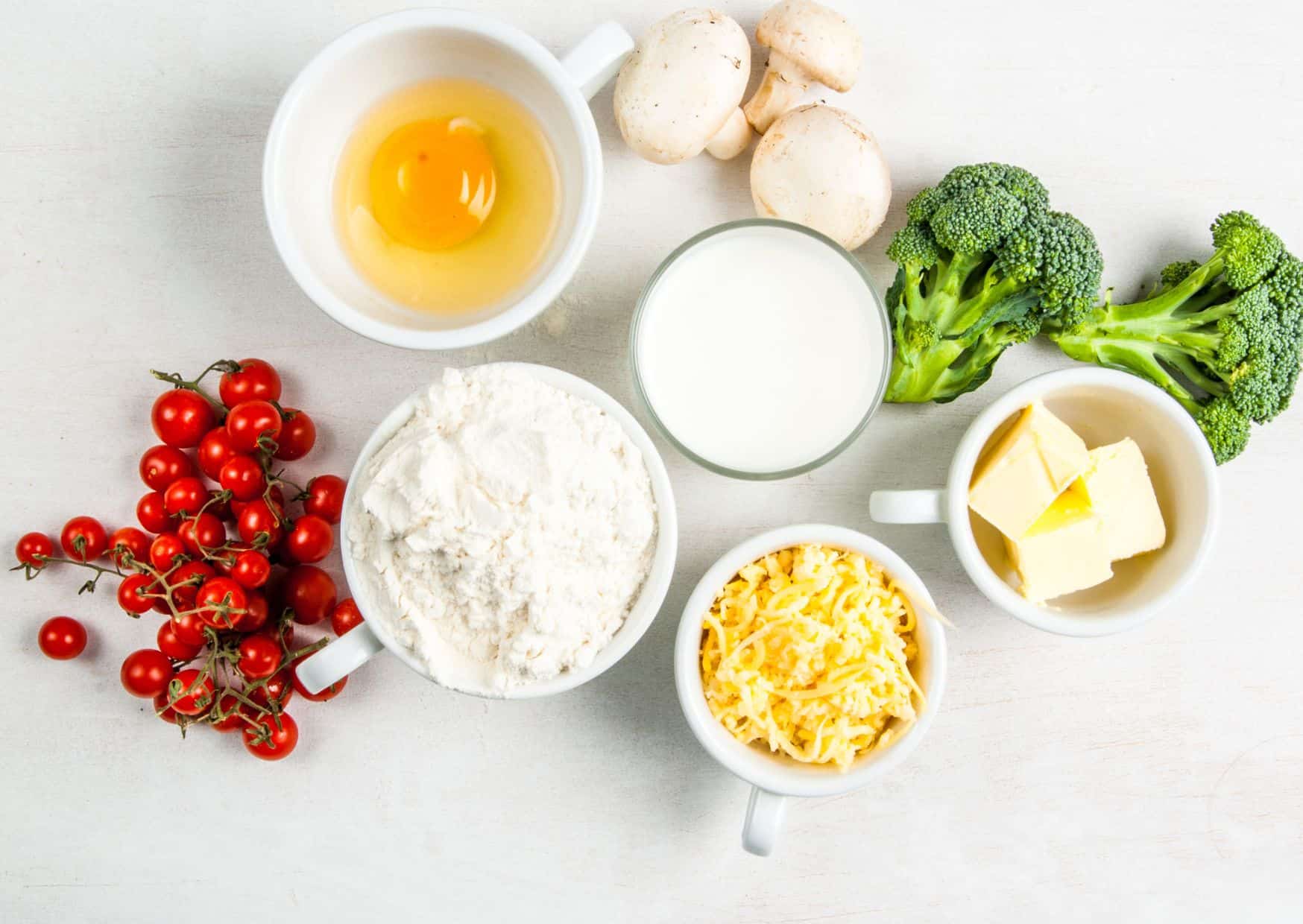
1 1/4 cups all-purpose flour
1/2 teaspoon salt
1/2 cup unsalted butter, cold and cubed
3-4 tablespoons ice water
For the Filling:
6 slices bacon, cooked and crumbled
1 cup shredded Gruyère or Swiss cheese
1/2 cup onion, finely chopped
4 large eggs
2 cups heavy cream
1/2 teaspoon salt
1/4 teaspoon black pepper
1/4 teaspoon ground nutmeg
Get the best deals for your home and kitchen needs
Step By Step How to Make Quiche Lorraine
Prepare the Crust
In a food processor, pulse together flour and salt. Add cold butter cubes and pulse until the mixture resembles coarse crumbs.
Gradually add ice water, 1 tablespoon at a time, until the dough comes together. Form the dough into a disc, wrap it in plastic wrap, and refrigerate for at least 1 hour.
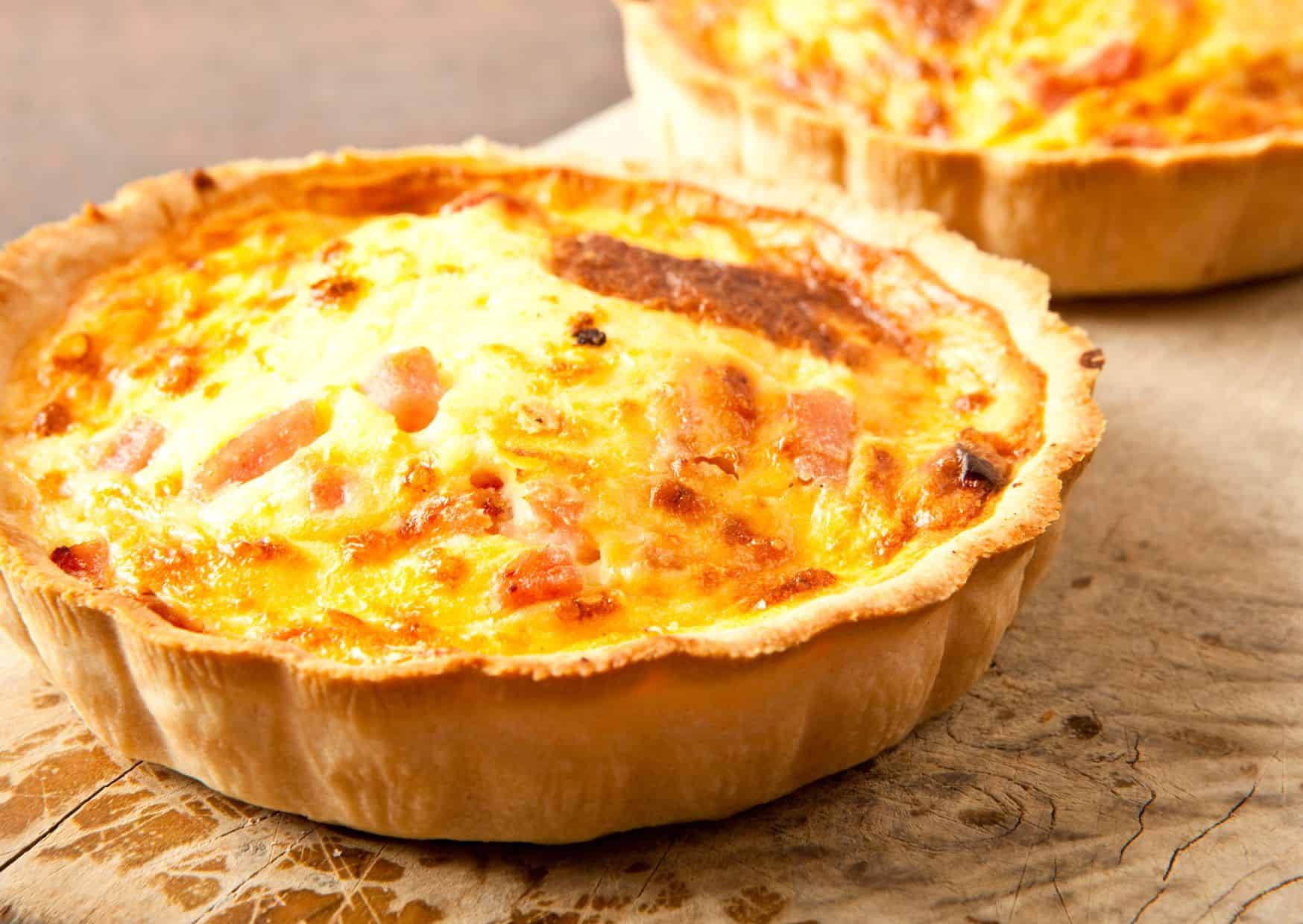
Preheat Oven
Preheat your oven to 375°F (190°C). Roll out the chilled dough on a lightly floured surface to fit a 9-inch pie dish. Press the dough into the dish, trim any excess, and prick the bottom with a fork.
Line the crust with parchment paper and fill with pie weights or dried beans. Bake for 15 minutes, then remove the weights and parchment and bake for an additional 10 minutes or until lightly golden. Let it cool.
Prepare the Filling
Cook the bacon in a skillet until crispy. Transfer to a paper towel-lined plate to drain, then crumble.
In a large bowl, whisk together eggs, heavy cream, salt, pepper, and nutmeg.
Assemble the Quiche
Sprinkle the bacon, cheese, and chopped onion evenly over the baked crust. Pour the egg mixture on top.
Bake
Bake in the preheated oven for 35-40 minutes, or until the filling is set and the top is lightly browned. A knife inserted into the center should come out clean.
Cool and Serve
Allow the quiche to cool for about 10 minutes before slicing. Serve warm or at room temperature.
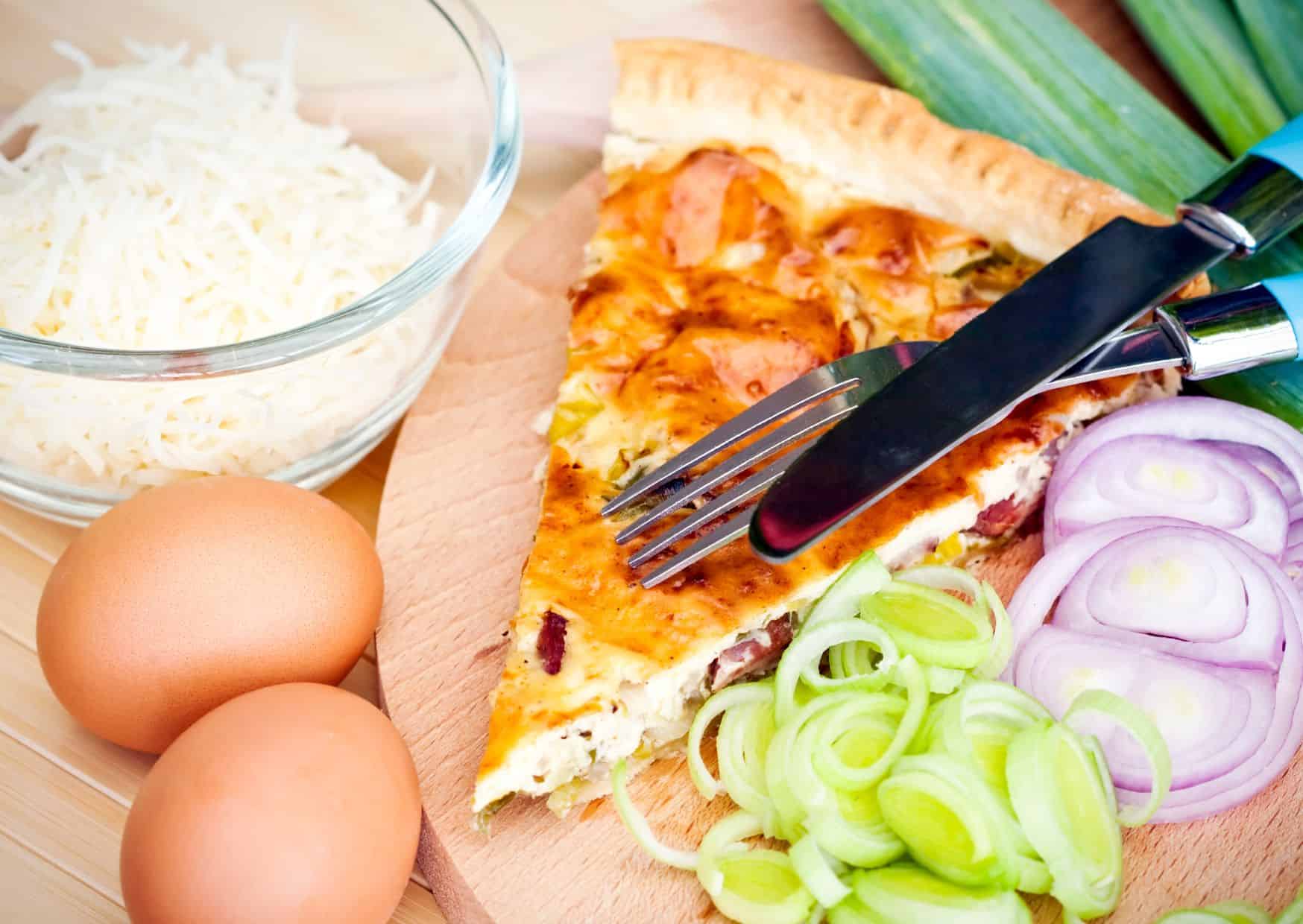
Tips To Make Quiche Lorraine
Keep the butter and water for the crust very cold to achieve a flaky texture. Pre-bake (blind bake) the crust to prevent it from becoming soggy when the filling is added.
Use high-quality Gruyère or Swiss cheese for the best flavor. Spread the bacon, cheese, and onions evenly in the crust before adding the egg mixture to ensure even distribution.
How Many Calories Have Quiche Lorraine
Calories: Approximately 400-450 per serving
Protein: 10-12 grams
Carbohydrates: 25-30 grams
Fat: 30-35 grams
Fiber: 1-2 grams
Origin and History
Quiche Lorraine is one of the most iconic dishes in France, but its story begins long before it became a global brunch favorite. The dish originated in the Lorraine region in northeastern France, an area known for its rich culinary traditions and close ties to neighboring Germany. The word “quiche” comes from the German “kuchen,” meaning cake, hinting at its cross-border heritage.
The earliest versions of Quiche Lorraine date back to the Middle Ages. They were made with a bread dough crust, filled simply with eggs and cream. It wasn’t until later that the buttery pastry crust we know today became standard. The dish was originally savory and hearty, designed to use local ingredients like cream, eggs, and bacon from the farms of the region.
As the recipe spread throughout France, it became a beloved classic of French home cooking and bistro menus. By the 20th century, it had crossed the Atlantic, where Americans embraced it as a fashionable brunch dish—though not always in its authentic form.
While Quiche Lorraine is simple at its core, it’s surrounded by culinary debates. One of the biggest controversies involves cheese. Traditionalists insist that authentic Quiche Lorraine contains no cheese at all—only eggs, cream, and lardons (bacon). However, many modern recipes, especially outside France, add cheese such as Gruyère cheese, which purists consider a major deviation from the original.
Another point of contention is the crust. Classic versions use a rich, flaky shortcrust pastry, but shortcuts like puff pastry or pre-made crusts are common in American kitchens. While convenient, these variations can change the texture and character of the dish. For many French cooks, the crust is just as important as the filling.
Finally, there’s the question of flavorings and additions. In France, Quiche Lorraine is meant to be simple. In the U.S., it’s often loaded with vegetables, meats, or herbs, turning it into something closer to a frittata in a crust. To purists, these adaptations blur the line between a true Quiche Lorraine and just “a quiche.”
How Long You Take to Prepare
Despite its sophisticated reputation, Quiche Lorraine is surprisingly approachable to make at home. From start to finish, it usually takes about 1 hour and 15 minutes, including baking time. Much of that time is passive, making it perfect for brunches or leisurely weekends.
The crust is prepared first—either homemade shortcrust pastry chilled and rolled out, or a quality pre-made option. It’s blind-baked to ensure a crisp base. Meanwhile, the filling comes together with eggs, cream, and lardons, whisked into a silky mixture.
Once the crust is ready, the filling is poured in, and the quiche bakes until golden and set but still slightly jiggly in the center. A brief cooling period allows the flavors to settle and makes slicing easier. The result is a beautifully smooth and custardy interior with a delicate, flaky crust.
Serving Suggestions
Quiche Lorraine is traditionally served warm or at room temperature, which allows its delicate flavors to shine. It’s often accompanied by a simple green salad dressed with vinaigrette, balancing the richness of the filling with fresh, tangy greens.
For drinks, a crisp white wine like Chablis wine or a light rosé pairs beautifully. The acidity of the wine cuts through the creaminess of the quiche, enhancing the overall dining experience. For brunch, sparkling wine or a mimosa adds a celebratory touch.
While it can be served as a main dish, Quiche Lorraine also works beautifully as part of a brunch spread, alongside fresh fruit, pastries, and coffee. Its versatility and elegance make it a crowd-pleaser for any occasion.
Final Thoughts
Quiche Lorraine is more than just a brunch dish—it’s a piece of French culinary heritage that has stood the test of time. Its charm lies in its simplicity: rich cream, eggs, smoky lardons, and a perfectly baked crust. When made authentically, it delivers a flavor that’s both rustic and refined.
What makes this dish so enduring is its ability to feel both homey and elegant. Whether served in a French café or a home kitchen, it carries the essence of Lorraine with every bite. For those used to Americanized versions, the real thing can be a revelation.
In the end, making Quiche Lorraine the traditional way isn’t about strict rules—it’s about respecting the balance that made it a classic in the first place. With a handful of quality ingredients and a little care, you can bring a taste of France straight to your table.

About the Author: Ruben, co-founder of Gamintraveler.com since 2014, is a seasoned traveler from Spain who has explored over 100 countries since 2009. Known for his extensive travel adventures across South America, Europe, the US, Australia, New Zealand, Asia, and Africa, Ruben combines his passion for adventurous yet sustainable living with his love for cycling, highlighted by his remarkable 5-month bicycle journey from Spain to Norway. He currently resides in Spain, where he continues sharing his travel experiences with his partner, Rachel, and their son, Han.