
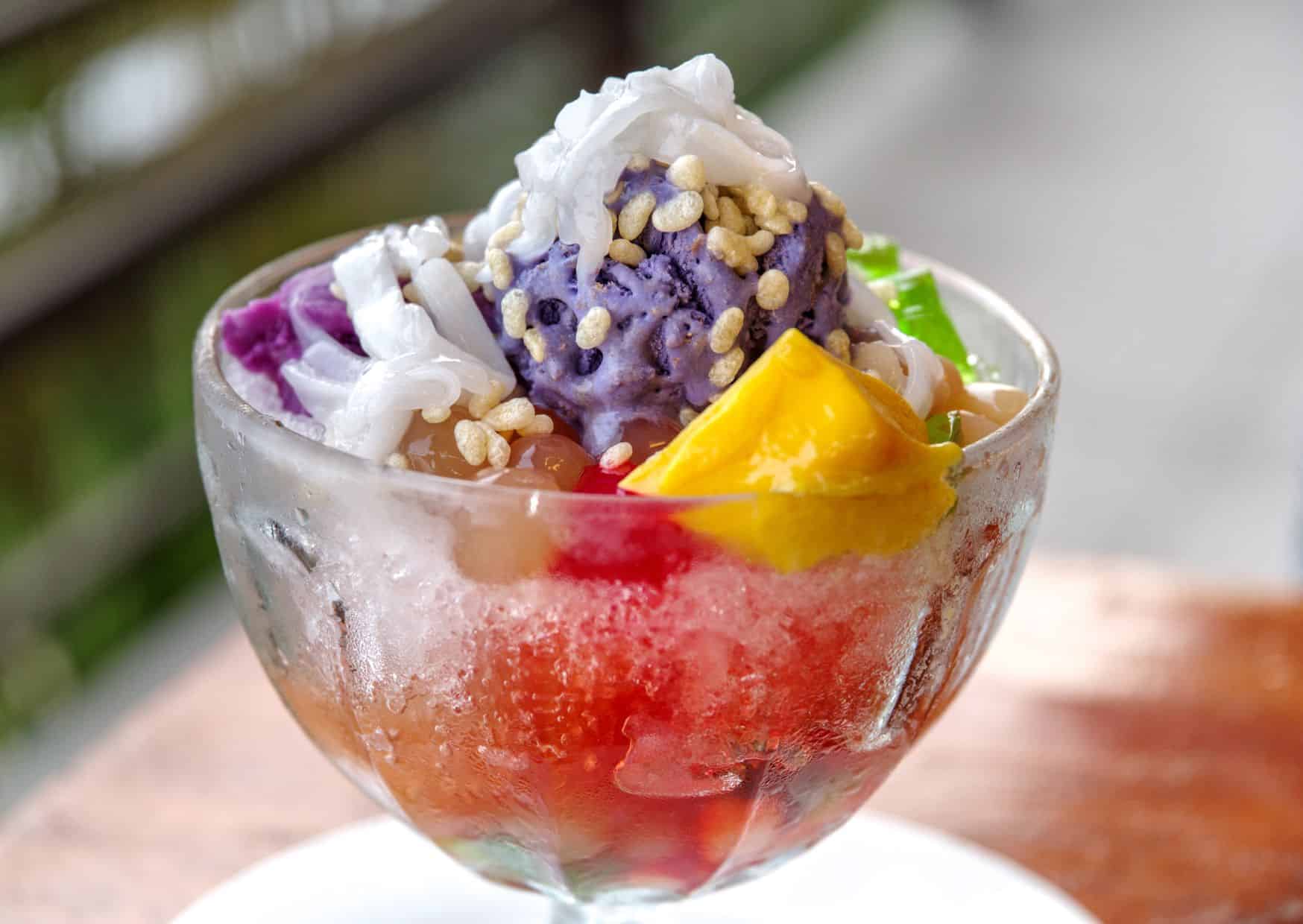
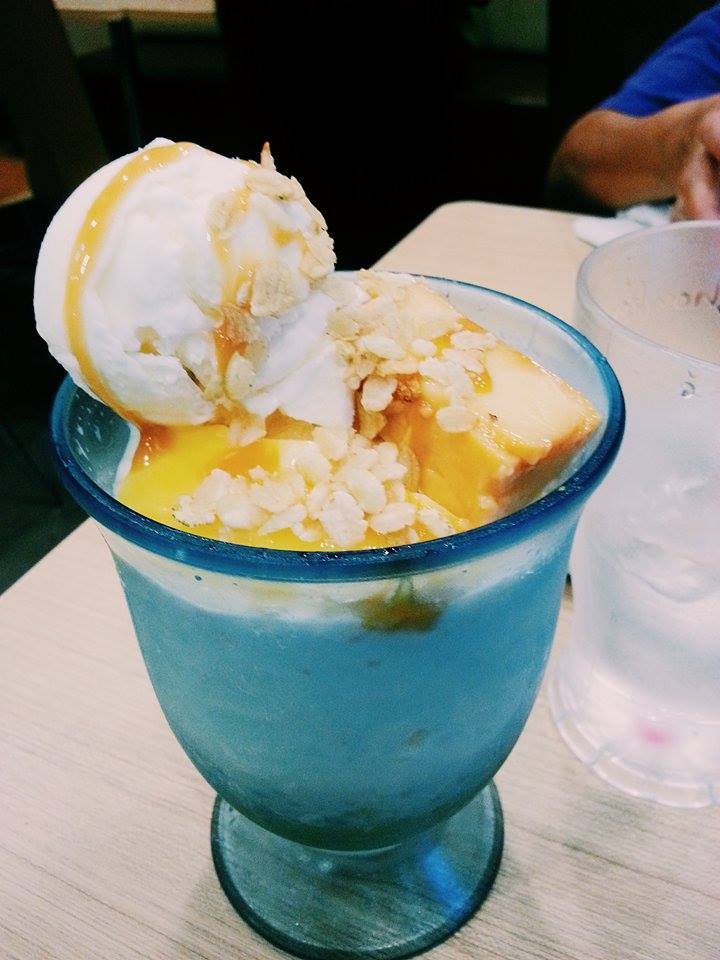
If there’s one dessert that perfectly captures the colorful chaos of Filipino cuisine, it’s halo-halo. Translating to “mix-mix” in Tagalog, halo-halo is a vibrant medley of crushed ice, sweet beans, jellies, fruits, leche flan, and purple ube ice cream, layered in a tall glass to create the ultimate tropical treat. It’s cold, creamy, chewy, crunchy, and sweet all at once—every spoonful a new adventure.
Halo-halo is more than just dessert in the Philippines; it’s an iconic symbol of Filipino creativity and hospitality. From roadside stalls to high-end restaurants, halo-halo is served everywhere, especially during the sweltering summer months when its refreshing crushed ice base provides instant relief from the tropical heat. It’s a nostalgic dish for locals, evoking memories of childhood summers spent sharing halo-halo with family and friends.
In this recipe guide, you’ll learn how to make authentic Filipino halo-halo at home. Whether you want to impress guests with an Instagram-worthy dessert or simply indulge in a refreshing taste of the Philippines, this guide will walk you through the essential ingredients, preparation steps, and tips for recreating this joyful dish in your own kitchen.
Read here our favorite Filipino Food, vegetarian food in the Philippines, Filipino breakfast, Filipino desserts, Philippine fruits, Filipino drinks and Filipino street food
BOOK YOUR TRAVEL INSURANCE
Two of our favorite travel insurance: Heymondo Vs Safetwing cheapest travel Insurance. You can get for $135 USD your Heymondo Travel Insurance with Heymondo discount code valid for 90 days. Read our full comparison of Genki vs Safetywing Travel Insurance Review and the comparison Heymondo vs Genki
Best Time to Eat and How to Partner
Halo-halo is best enjoyed as an afternoon merienda (snack) or dessert, especially on hot summer days when its icy layers provide the perfect cool-down. In the Philippines, it’s often eaten mid-afternoon to beat the heat, but it also makes a festive ending to any meal.
To partner halo-halo like a Filipino feast, serve it after a hearty traditional meal such as adobo, grilled seafood, or pancit, alongside iced calamansi juice or fresh coconut water. For a street-food-inspired spread, pair halo-halo with turon (fried banana rolls) or puto (steamed rice cakes) for a balance of textures and flavors.
One controversial truth about halo-halo is that while tourists see it as a quirky, fun dessert, locals view it as a cultural staple with deep regional pride. Each province adds its own unique twist—some use local fruits, while others include freshly grated coconut or native sweets not found in commercial halo-halo cups. Oversimplifying it as just “Filipino ice cream sundae” fails to capture its complexity and cultural roots.
Another misunderstood aspect is that halo-halo is not meant to look pristine when eaten. Many first-time visitors carefully eat layer by layer for the aesthetics, but Filipinos know that the best way to enjoy halo-halo is to mix it thoroughly, letting the flavors blend into a sweet, icy, creamy concoction that might not look beautiful in the end but tastes infinitely better.
Finally, while halo-halo has become an Instagram darling for its rainbow-like appearance, many locals feel that trendy versions served in upscale cafes with gourmet toppings miss the soul of the dessert. To Filipinos, true halo-halo is about affordable street-side stalls, metal spoons clinking against glass, and the childhood memory of sticky fingers and brain freeze under the summer sun.
How to Make Halo-Halo
Halo-Halo Recipe Ingredients
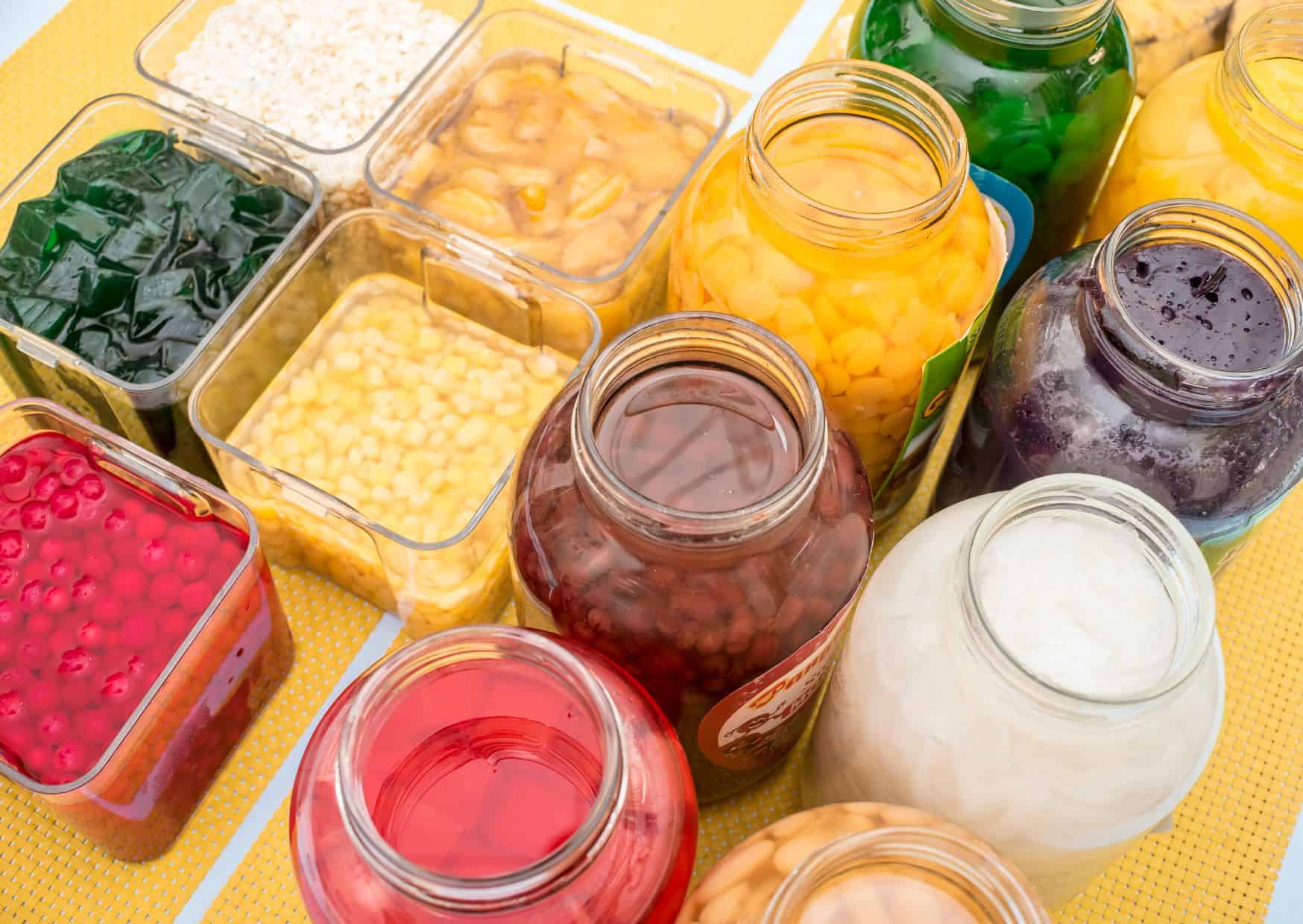
1/4 cup sweetened red beans
1/4 cup sweetened white beans
1/4 cup nata de coco (coconut gel)
1/4 cup macapuno (coconut strings)
1/4 cup sweetened saba bananas
1/4 cup sweetened jackfruit
1/4 cup sweetened garbanzos (chickpeas)
1/4 cup kaong (sugar palm fruit)
1/4 cup gulaman (agar-agar)
1/2 cup shaved ice
1/4 cup evaporated milk
1 scoop ube (purple yam) ice cream
Leche flan (optional, for topping)
Pinipig (toasted rice flakes) for garnish
Step By Step How to Make Halo-Halo
Layer the Ingredients
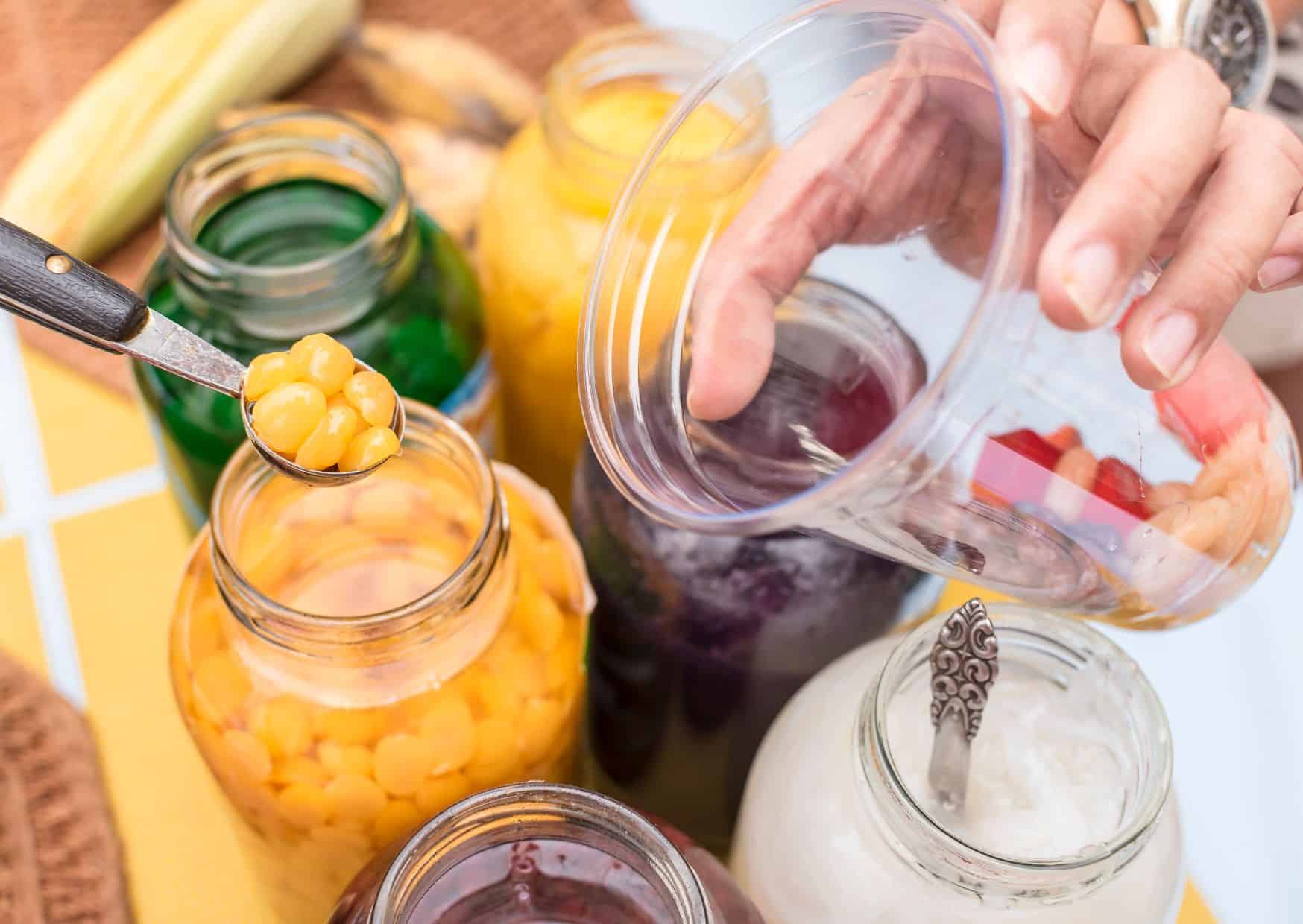
In a tall glass, layer the sweetened red beans, white beans, nata de coco, macapuno, saba bananas, jackfruit, garbanzos, kaong, and gulaman.
Add Ice
Fill the glass with shaved ice.
Pour Milk
Pour evaporated milk over the shaved ice.
Top with Ice Cream and Flan
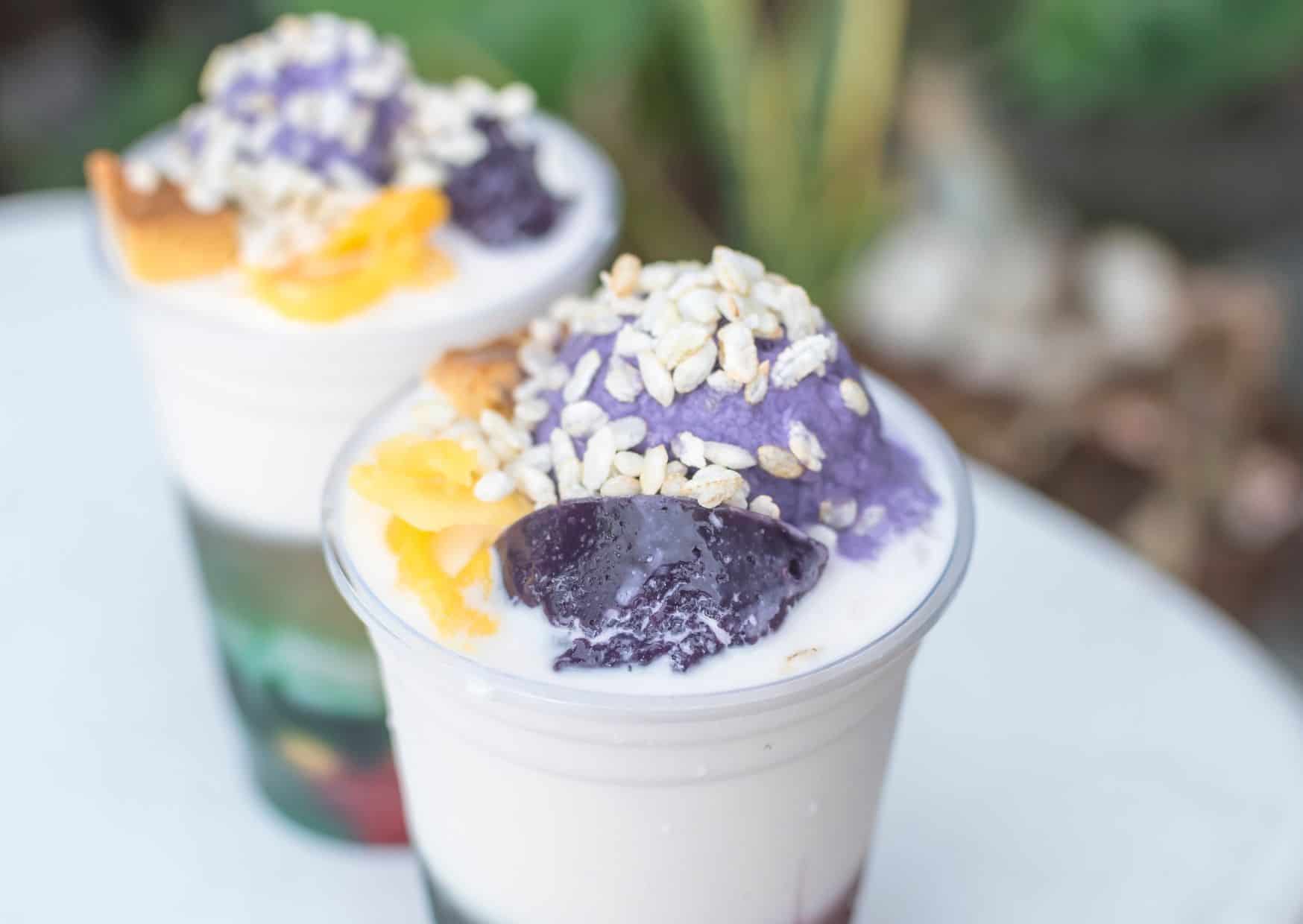
Add a scoop of ube ice cream on top of the ice. Place a slice of leche flan on top if desired.
Garnish
Sprinkle pinipig over the top for added texture and flavor.
Serve
Serve immediately with a long spoon for mixing. Encourage mixing the ingredients thoroughly to enjoy the full range of flavors and textures.
Tips to Make Halo-Halo
Use high-quality, fresh, and well-prepared ingredients for the best taste. Ensure a good balance of ingredients to avoid one flavor overpowering the others.
The ice should be finely shaved to blend well with the other ingredients and create a smooth texture. Feel free to customize your halo-halo with additional or alternative ingredients like fruits, jelly, or different ice cream flavors.
How Many Calories Have Halo-Halo
Calories: Approximately 350-450 per serving
Protein: 8-10 grams
Carbohydrates: 60-70 grams
Fat: 8-10 grams
Fiber: 5-7 grams
Origin and History
Halo-halo may look like a chaotic pile of ingredients, but its origins are rooted in Filipino history and cultural fusion. The dessert draws inspiration from the Japanese dish kakigori, introduced to the Philippines by Japanese migrants in the early 20th century. As the story goes, Japanese vendors sold shaved ice with sweetened beans, and Filipinos quickly adapted the concept to local tastes. Over time, Filipino creativity transformed the simple shaved ice treat into something more colorful and abundant.
As the dessert evolved, halo-halo became a celebration of the Philippines’ diverse agricultural bounty. Sweetened bananas, coconut strips, jackfruit, purple yam, custards, and tropical fruits were added depending on what each region had on hand. No two islands—and often no two households—make it exactly the same. Its name literally means “mix-mix,” a nod to the layers of ingredients that come together when stirred. Halo-halo grew into a national treasure, something enjoyed during blistering summers or as a comforting treat anytime of year.
By the mid-20th century, restaurants and roadside stalls across the Philippines had made halo-halo a signature offering. Iconic chains like Razon’s and Chowking eventually put their own spins on the dessert, helping it spread worldwide. Today, halo-halo is a beloved symbol of Filipino hospitality, abundance, and creativity—a dessert that tells the story of a culture that loves bold flavors and joyful excess.
One of the biggest debates centers on what belongs in a “real” halo-halo. Purists believe certain components—sweetened beans, leche flan, nata de coco, and ube halaya—are nonnegotiable. Modern versions, however, sometimes include ice cream, cereal flakes, cookies, or even chocolates, which traditionalists claim muddle the dessert’s identity. But others argue that halo-halo was always meant to evolve, not conform.
Another controversial conversation revolves around the ice. Classic halo-halo uses finely shaved ice that blends seamlessly with the evaporated milk. Some modern versions use coarse crushed ice, which hardcore fans consider unacceptable. They argue that the melt-in-your-mouth texture is what makes the dessert enjoyable. Meanwhile, more accessible homemade versions often rely on whatever ice tools people have, sparking endless debate over authenticity versus practicality.
There’s also disagreement over sweetness levels. Some Filipinos prefer halo-halo intensely sweet, while others want a more balanced flavor. The dessert rarely comes “pre-mixed,” and opinions differ sharply on how much milk to pour and how much to stir. These strong opinions may seem dramatic for a dessert, but they show how culturally significant halo-halo really is.
How Long You Take to Prepare
Making halo-halo at home is easier than it looks, though it does require assembling components. If you use pre-sweetened ingredients from a store—such as canned jackfruit, sweetened beans, and nata de coco—you can build a bowl in 10 to 15 minutes. The prep mostly involves chopping, layering, and shaving ice. This quick method is ideal for beginners or anyone eager for a fast, refreshing treat.
If you prefer making everything from scratch, expect to spend more time. Cooking the beans, making ube halaya, preparing leche flan, and caramelizing plantains can easily take two to three hours. Many Filipino families make these components ahead of time and store them in the fridge for easy assembly later. Once the ingredients are ready, building halo-halo becomes a quick, satisfying ritual.
For those who want a middle-ground approach, you can blend homemade and store-bought ingredients. Homemade ube halaya or leche flan can elevate the dessert significantly without requiring every component to be crafted from scratch. No matter your approach, halo-halo rewards preparation with a dessert that tastes like it took far more effort than it actually did.
Serving Suggestions
The classic way to serve halo-halo is in a tall glass or bowl, layered with sweetened fruits, beans, and jellies at the bottom. Shaved ice is piled on top, followed by a generous pour of evaporated milk. A scoop of ube ice cream or a slice of leche flan crowns the entire creation. The contrasting textures—creamy, chewy, crunchy, icy—are what make halo-halo unforgettable.
If you want to elevate your presentation, layer ingredients according to color: red beans, yellow jackfruit, green gelatin, and purple ube. This creates a striking visual effect that guests love. You can also add extra toppings such as pinipig (toasted rice flakes) or coconut strings for added crunch and aroma. The key is to mix everything together just before eating to unlock the full symphony of flavors.
Halo-halo also pairs beautifully with Filipino snacks. Serve it alongside bibingka, turon, or palitaw for a full dessert experience. It’s also a perfect palate cleanser after rich meals like adobo, kare-kare, or lechon. The coldness and sweetness help balance heavier dishes, making it a versatile finish to almost any Filipino feast.
Final Thoughts
Halo-halo isn’t just a dessert—it’s a joyful reminder of what food can be when culture, creativity, and flavor collide. Every spoonful is an experience, a blend of textures and tastes that feels both nostalgic and new. It’s a dessert that refuses to be boring, reflecting the vibrant spirit of the Philippines itself. Once you make it at home, you’ll understand why Filipinos grow up craving it and why visitors fall in love instantly.
What’s most beautiful about halo-halo is that it invites customization. You can make it as simple or elaborate as you want, using whatever ingredients you have on hand. This flexibility is part of what makes it so beloved. Whether you follow a traditional recipe or craft your own modern twist, halo-halo thrives on creativity.
Above all, halo-halo is meant to be shared. It brings people together around a bowl full of color and comfort. Serve it on a hot day, at a celebration, or whenever you need a sweet pick-me-up. Once you’ve mastered it at home, it just might become your go-to dessert—not just because it tastes incredible, but because it captures the warmth and hospitality that make Filipino cuisine so special.

About the Author: Ruben, co-founder of Gamintraveler.com since 2014, is a seasoned traveler from Spain who has explored over 100 countries since 2009. Known for his extensive travel adventures across South America, Europe, the US, Australia, New Zealand, Asia, and Africa, Ruben combines his passion for adventurous yet sustainable living with his love for cycling, highlighted by his remarkable 5-month bicycle journey from Spain to Norway. He currently resides in Spain, where he continues sharing his travel experiences with his partner, Rachel, and their son, Han.