
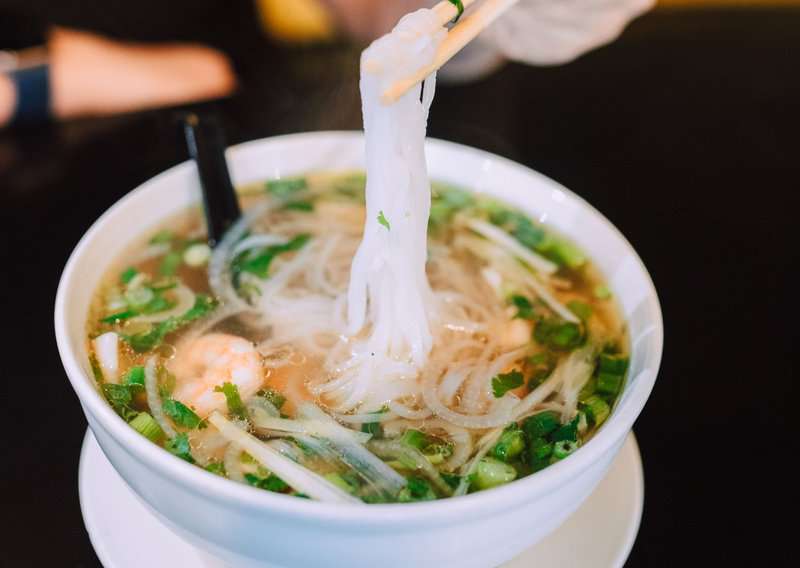
Asian cuisine is one of the most diverse, flavorful, and widely loved culinary traditions in the world. From the bold spices of Thai street food to the delicate balance of Japanese umami, each dish tells a cultural story that has been passed down for generations. While many people enjoy Asian food in restaurants, cooking it at home allows you to appreciate the depth of flavors and regional influences in a more intimate way.
In this post, we’re diving into five of the most popular Asian recipes you should try—from savory to spicy, classic comfort food to light and fresh dishes. Whether you’re new to cooking or a seasoned home chef, these recipes are approachable, rewarding, and packed with flavor.
But these dishes aren’t just about taste—they reflect values of family, balance, resourcefulness, and respect for ingredients. Understanding how to prepare and enjoy them the traditional way opens up an entirely different relationship with the food and the culture behind it.
How to Eat
These dishes are best enjoyed family-style, with everything served at once and shared around the table. Use chopsticks or a spoon and fork combination depending on the dish and the cultural origin—never a knife unless specifically needed. With meals like Thai pad kra pao or Korean bulgogi, rice is not a side dish; it’s an essential base. Slurping noodles like ramen or pho isn’t rude—it shows appreciation for the broth.
How to Partner
Serve these dishes with authentic accompaniments. A good miso soup goes well with Japanese teriyaki, while kimchi perfectly cuts through the richness of Korean BBQ. Thai iced tea, Chinese jasmine tea, or Vietnamese coffee are great drink pairings. For dinner parties, pair dishes from the same region for cohesion—don’t mix pad thai with sushi and dim sum. Let each culture shine in its own spotlight.
Western versions of Asian recipes have long been simplified, altered, or overly commercialized to fit different palates. Teriyaki sauce sold in supermarkets, for example, bears little resemblance to its Japanese counterpart. Instant ramen noodles are a far cry from the rich, slow-simmered bowls found across Asia.
What’s often ignored is the cultural disrespect that can come with modifying these recipes without acknowledgment. Many chefs and food lovers are pushing back against this by emphasizing authenticity and encouraging home cooks to source proper ingredients. Some even argue that misunderstanding these recipes fuels stereotypes or erases the cultural pride they represent. Cooking a dish “the real way” isn’t just about flavor—it’s about respect.
Asian recipes are some of the most misrepresented in Western kitchens. Teriyaki is not a catch-all sauce, “pad thai” often contains no tamarind, and instant ramen shouldn’t be confused with hand-pulled noodle soup crafted over hours. Worse still, the obsession with making them “healthier” or more “palatable” strips away layers of culinary history and cultural identity.
There’s also a tendency to lump vastly different cuisines together. Japanese precision isn’t the same as Thai heat or Korean fermentation. Celebrating their differences is key to cooking—and eating—Asian food the right way.
Most Popular Asian Recipes
1. Pad Thai
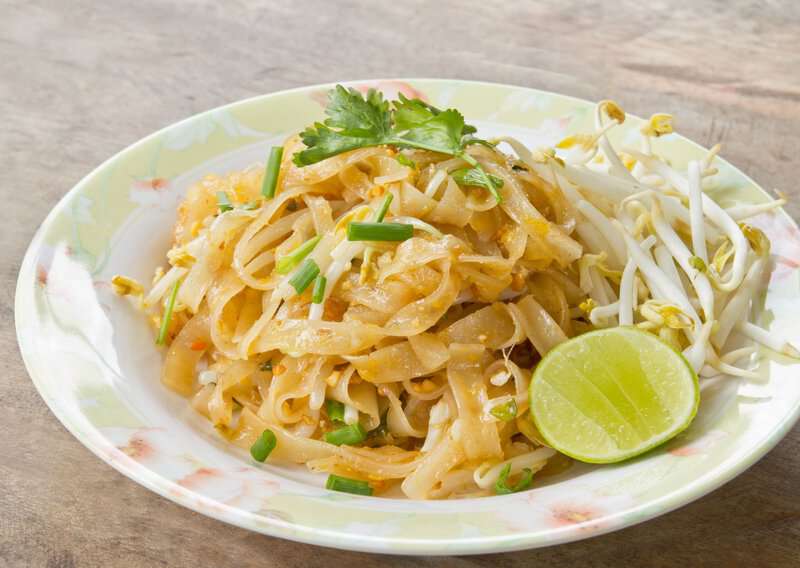
Ingredients:
8 ounces rice noodles
2 tablespoons vegetable oil
1 pound shrimp or chicken
2 cloves garlic, minced
2 eggs, lightly beaten
1 cup bean sprouts
1/4 cup chopped peanuts
2 green onions, chopped
1 lime, cut into wedges
Sauce:
3 tablespoons fish sauce
1 tablespoon soy sauce
2 tablespoons tamarind paste
2 tablespoons brown sugar
Instructions:
Soak the rice noodles in warm water for about 20 minutes or until softened. Drain and set aside. Heat vegetable oil in a large skillet or wok over medium-high heat. Add shrimp or chicken and cook until done. Remove and set aside. Add garlic to the skillet and cook for about 30 seconds. Push to the side and scramble the eggs until set.
Add the soaked noodles, cooked shrimp or chicken, and sauce ingredients to the skillet. Toss everything together until well combined and heated through. Add bean sprouts and green onions. Serve with chopped peanuts and lime wedges.
Adjust the sauce ingredients to taste. Add more sugar if you prefer a sweeter Pad Thai. For a vegetarian version, substitute tofu for the shrimp or chicken and use soy sauce instead of fish sauce.
Calories: Approximately 400-450 per serving.
Read here how to make Pad Thai
2. Sushi Rolls (Maki)
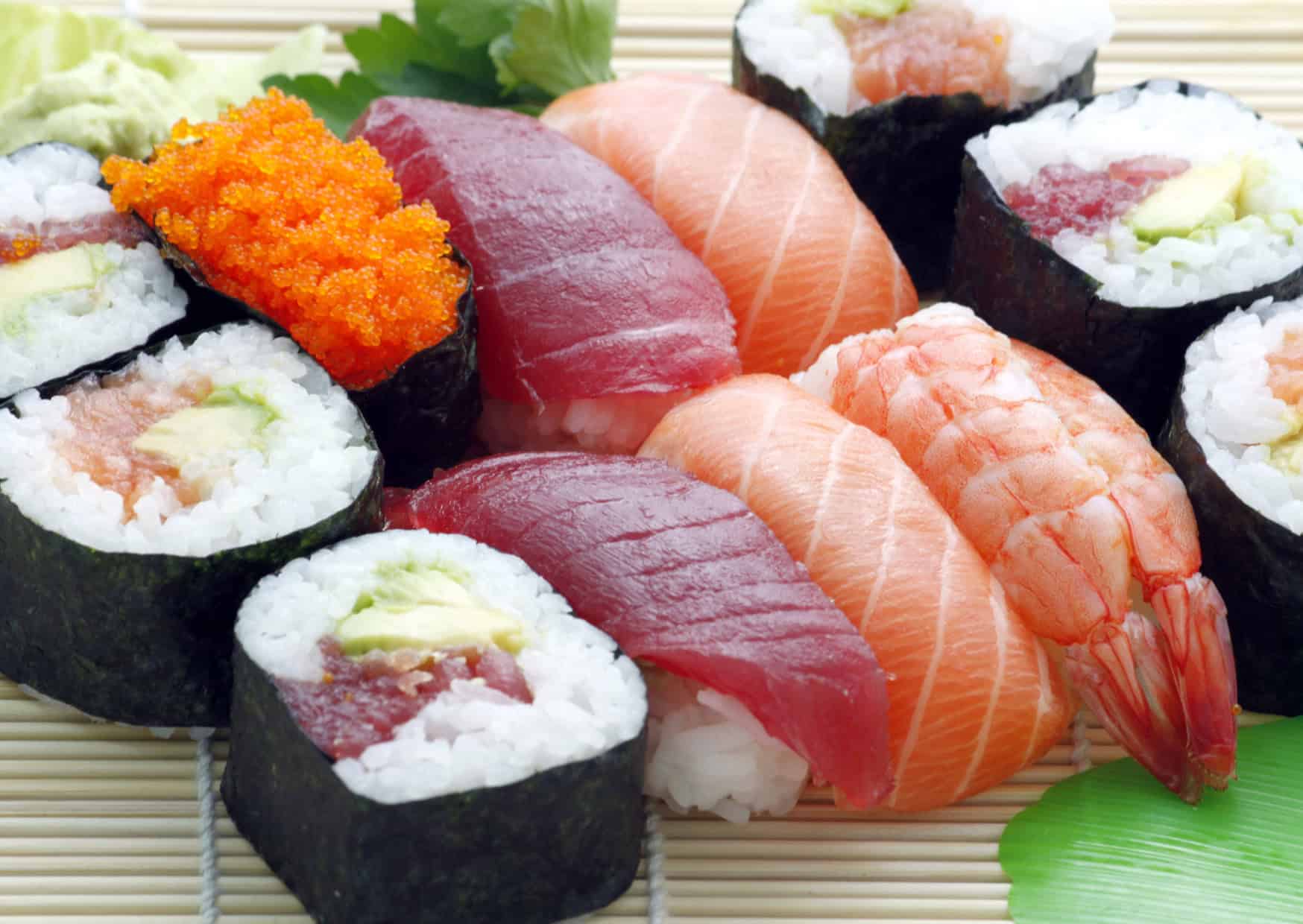
Ingredients:
2 cups sushi rice
2 1/2 cups water
1/4 cup rice vinegar
1 tablespoon sugar
1 teaspoon salt
Nori (seaweed sheets)
Filling options: cucumber, avocado, crab sticks, smoked salmon
Instructions:
Rinse the sushi rice under cold water until the water runs clear. Combine rice and water in a pot, bring to a boil, then simmer until the water is absorbed. Let it rest for 10 minutes.
Mix rice vinegar, sugar, and salt. Gently fold the mixture into the rice. Slice the fillings into thin strips. Place a nori sheet on a bamboo mat. Spread a thin layer of rice over the nori, leaving a 1-inch border.
Arrange fillings along the center of the rice. Roll the mat tightly to form a cylinder. Cut and Serve: Slice the roll into 6-8 pieces. Serve with soy sauce, wasabi, and pickled ginger.
Use a sharp knife dipped in water to cut the rolls cleanly. Be creative with the fillings and try different combinations.
Calories: Approximately 200-250 per roll (6-8 pieces).
Read here how to make Sushi
3. Chicken Tikka Masala
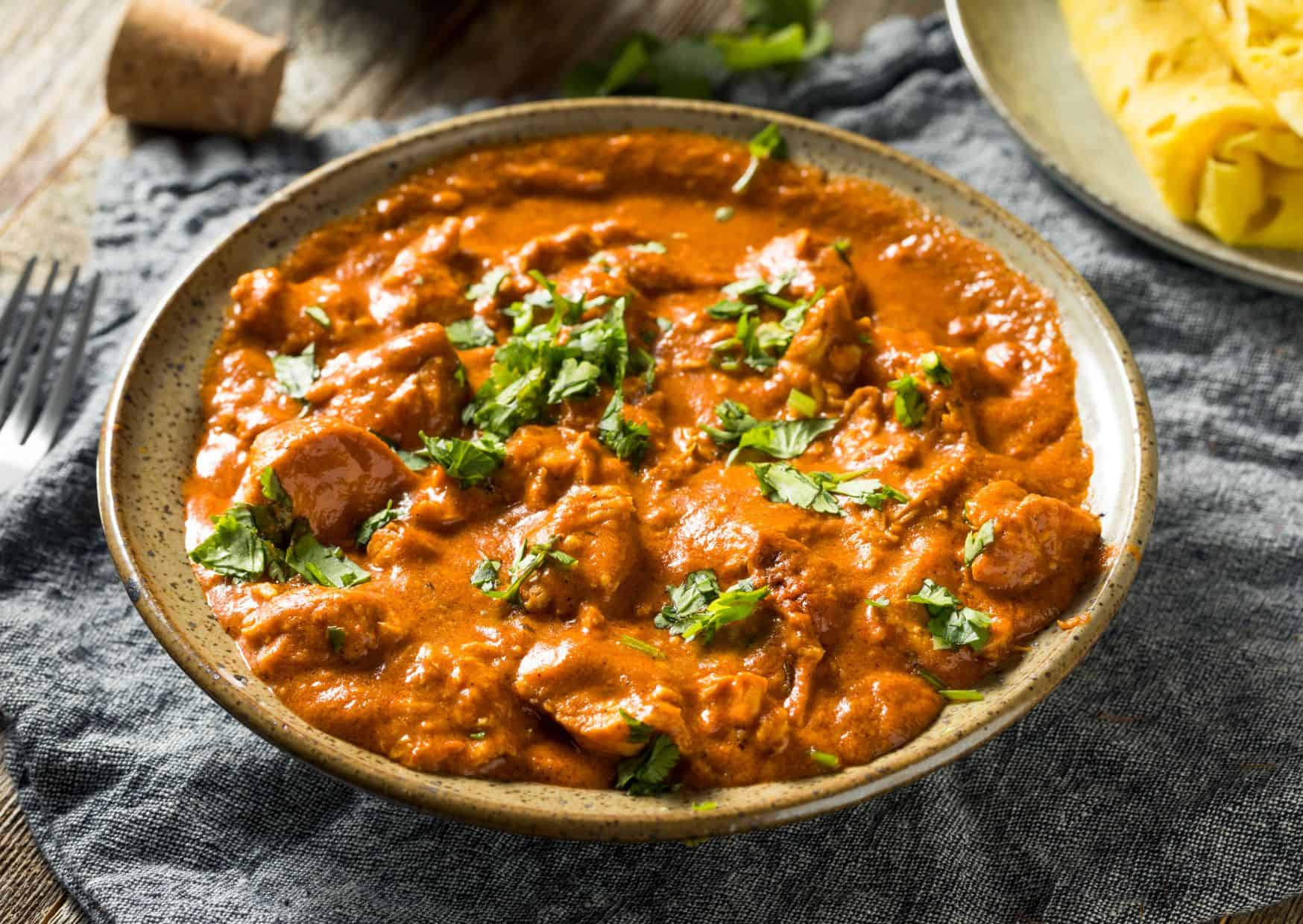
Ingredients:
1 pound chicken breast, cut into bite-sized pieces
1 cup yogurt
2 tablespoons lemon juice
2 teaspoons ground cumin
1 teaspoon ground cinnamon
2 teaspoons paprika
1 teaspoon ground turmeric
1 tablespoon grated fresh ginger
2 garlic cloves, minced
1 onion, chopped
2 cups tomato sauce
1 cup heavy cream
Instructions:
Combine yogurt, lemon juice, cumin, cinnamon, paprika, turmeric, ginger, and garlic. Add chicken pieces and marinate for at least 1 hour.
Heat oil in a large skillet. Add chicken pieces and cook until lightly browned. Remove from skillet. In the same skillet, cook the chopped onion until soft. Add tomato sauce and heavy cream. Simmer for about 10 minutes.
Return the chicken to the skillet and simmer for another 10 minutes. Serve with rice or naan.
For a spicier dish, add cayenne pepper or chili powder to the marinade. Use coconut milk instead of heavy cream for a lighter version.
Calories: Approximately 400-450 per serving.
Read here how to make Chicken Tikka Masala
4. Beef and Broccoli Stir-Fry
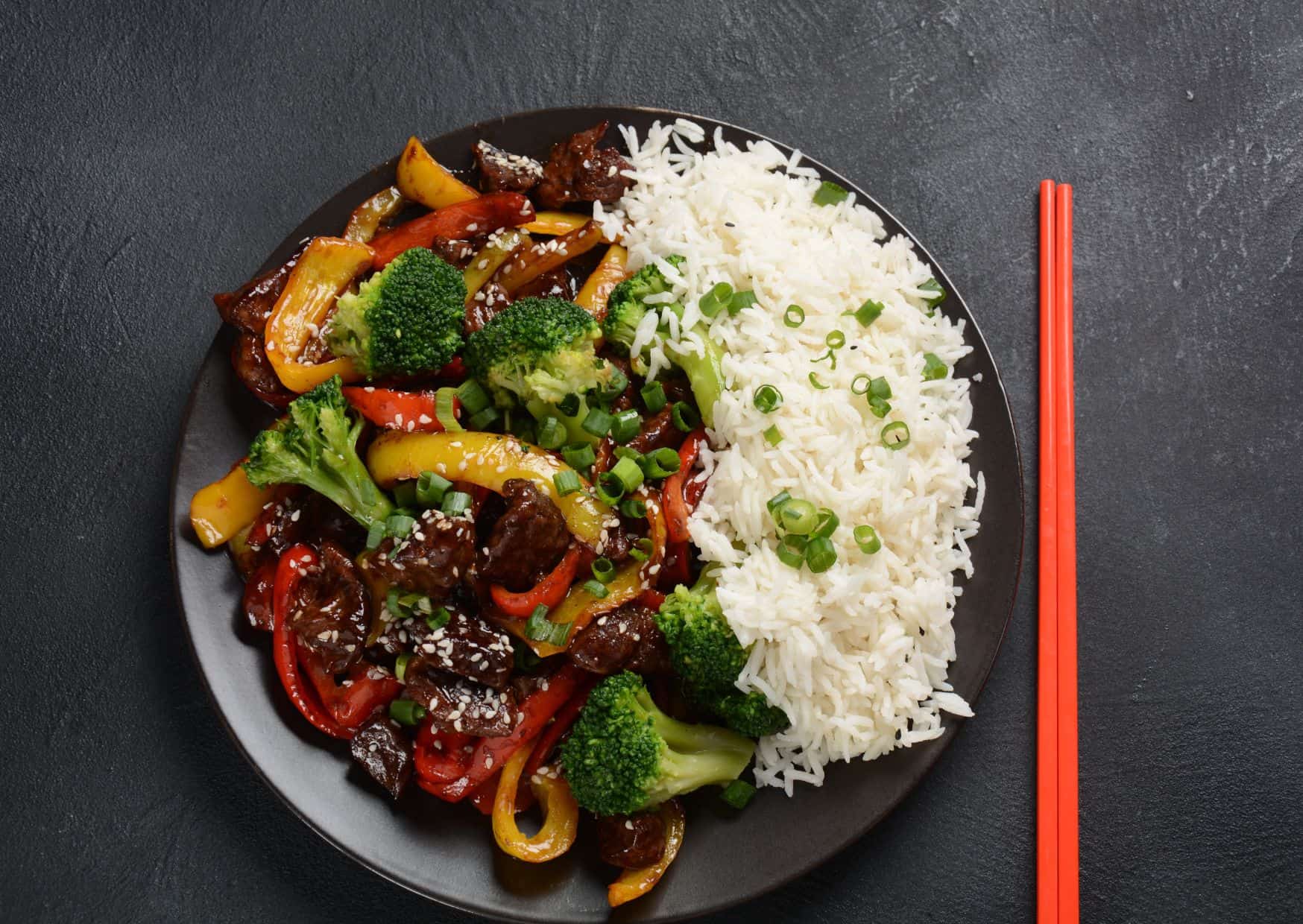
Ingredients:
1 pound flank steak, sliced thin
1 head broccoli, cut into florets
3 tablespoons soy sauce
2 tablespoons oyster sauce
2 tablespoons vegetable oil
1 tablespoon cornstarch
1/4 cup water
2 garlic cloves, minced
1 teaspoon ginger, minced
Instructions:
Toss the beef slices with 1 tablespoon soy sauce and cornstarch. Let it sit for 15 minutes. Heat oil in a large skillet or wok. Cook the beef slices until browned. Remove from skillet.
In the same skillet, add garlic and ginger, and cook for about 30 seconds. Add broccoli and stir-fry until tender-crisp, about 3-4 minutes.
Return beef to the skillet. Add remaining soy sauce, oyster sauce, and water. Stir-fry for another 2-3 minutes until everything is well coated and heated through. Serve over rice.
Slice the beef thinly against the grain for tenderness. Blanch the broccoli before stir-frying to retain its bright color and crunch.
Calories: Approximately 350-400 per serving.
Read here how to make Beef and Broccoli Stir-Fry
5. Pho (Vietnamese Noodle Soup)
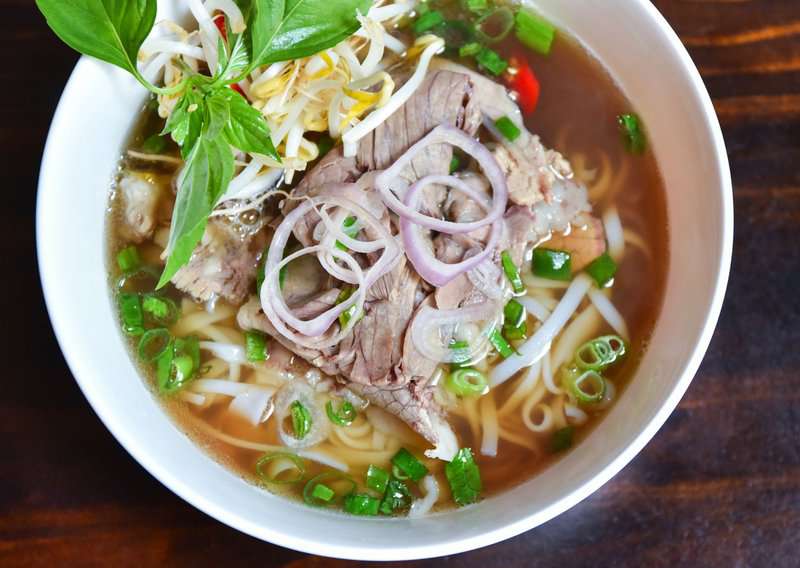
Ingredients:
8 cups beef broth
1 onion, halved
3-inch piece of ginger, sliced
2 star anise
1 cinnamon stick
1 pound beef sirloin, thinly sliced
8 ounces rice noodles
1/4 cup fish sauce
1 tablespoon sugar
Bean sprouts, fresh herbs (cilantro, basil), lime wedges, and sliced jalapeños for serving
Instructions:
In a large pot, toast the onion, ginger, star anise, and cinnamon stick until fragrant. Add beef broth, fish sauce, and sugar. Simmer for at least 30 minutes.
Prepare rice noodles according to package instructions. Drain and set aside. Place cooked noodles in bowls. Top with raw beef slices.
Pour hot broth over the beef and noodles. Serve with bean sprouts, fresh herbs, lime wedges, and jalapeños.
Simmer the broth longer for a deeper flavor. Freeze the beef slightly before slicing for thinner, more even pieces.
Calories: Approximately 350-400 per serving.
Read here how to make Pho
Serving Suggestions
Japanese Chicken Teriyaki: Serve over steamed white rice with a side of miso soup and pickled daikon.
Thai Pad Kra Pao (Basil Chicken): Plate with jasmine rice and a crispy fried egg on top.
Vietnamese Pho: Add fresh herbs like basil and mint, bean sprouts, and a squeeze of lime.
Korean Bulgogi: Wrap slices in lettuce with rice and kimchi, and serve with ssamjang dipping sauce.
Chinese Dumplings: Steam or pan-fry, and serve with soy-vinegar dipping sauce and chili oil on the side.
Final Thoughts
Trying these five recipes is more than a culinary challenge—it’s an opportunity to connect with a deeper understanding of Asian cultures and traditions. Each dish is an invitation to slow down, be present, and honor the ingredients and methods that have been refined over centuries.
If you’ve only experienced Asian food through takeout menus or fusion versions, this is your chance to cook with intention and explore the real thing. You don’t need to be perfect—just respectful, curious, and open to learning. Great flavor starts with great respect.

About the Author: Ruben, co-founder of Gamintraveler.com since 2014, is a seasoned traveler from Spain who has explored over 100 countries since 2009. Known for his extensive travel adventures across South America, Europe, the US, Australia, New Zealand, Asia, and Africa, Ruben combines his passion for adventurous yet sustainable living with his love for cycling, highlighted by his remarkable 5-month bicycle journey from Spain to Norway. He currently resides in Spain, where he continues sharing his travel experiences with his partner, Rachel, and their son, Han.