
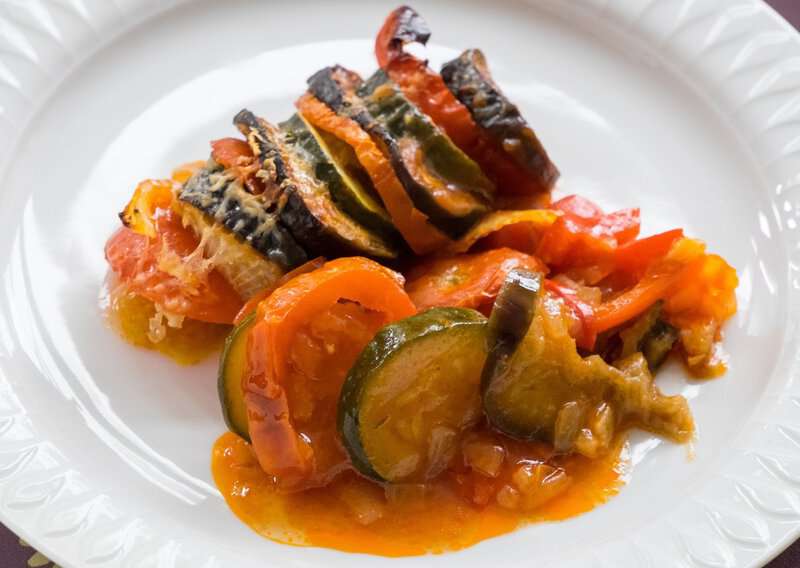
Ratatouille is more than just a beloved animated movie it’s one of France’s most iconic vegetable dishes, rooted in the culinary traditions of Provence. This colorful medley of eggplant, zucchini, bell peppers, tomatoes, and herbs offers a vibrant, rustic flavor that captures the heart of southern French cooking. It’s simple, healthy, and deeply satisfying proof that vegetables can absolutely steal the show.
Historically a dish made by peasants to avoid food waste, Ratatouille has transformed into a culinary symbol of elegance and balance. Its beauty lies in its adaptability: it can be served hot or cold, as a main dish or a side, and it gets even better the next day. Every household in Provence has its own version, and that diversity is part of what makes Ratatouille so timeless and loved.
Making it at home doesn’t require chef-level skills just patience, good produce, and a few key tips to coax out the vegetables’ natural sweetness. Whether you roast it, simmer it, or layer it like the movie version, Ratatouille is a celebration of seasonal ingredients at their best.
Read here best French Food, vegetarian food in France, France and Switzerland 14 Days Itinerary and Classic French Breakfast
BOOK YOUR TRAVEL INSURANCE
Two of our favorite travel insurance: Heymondo Vs Safetwing cheapest travel Insurance. You can get for $135 USD your Heymondo Travel Insurance with Heymondo discount code valid for 90 days. Read our full comparison of Genki vs Safetywing Travel Insurance Review and the comparison Heymondo vs Genki
Best Time to Eat & How to Partner
Ratatouille is best enjoyed during the warmer months when summer vegetables are at their peak. It makes for a perfect lunch or light dinner, especially when paired with crusty French bread to soak up all the juices. You can also serve it over rice, couscous, or even pasta for a heartier meal.
For protein, pair Ratatouille with grilled fish like sea bass or salmon, or enjoy it alongside roasted chicken. If you’re keeping it vegetarian, a fried or poached egg on top adds richness and makes it a complete dish. A glass of chilled rosé or a dry white wine like Sauvignon Blanc complements the dish’s herbal notes beautifully.
It’s a dish that’s perfect for slow, casual meals think sunset dinners on the patio or laid-back brunches with friends. And if you have leftovers, they’re even better the next day.
Despite its humble roots, Ratatouille has sparked debate among chefs and food lovers alike. Some argue it should be stewed into a single, flavorful blend, while others believe each vegetable deserves to be cooked separately to preserve its texture and flavor. Even the way it’s layered elegantly arranged like in the animated film or tossed rustic-style can divide opinions in kitchens across France.
There’s also the cultural clash: many outside of France assume Ratatouille is a complicated gourmet dish thanks to its cinematic fame. But in reality, it’s a classic example of “cuisine pauvre,” or peasant cooking. It was never meant to be fancy it was created to stretch garden harvests and avoid waste. Its recent glamorization, some argue, loses sight of its origins.
Then there’s the perception of vegetables as sidekicks rather than stars. Ratatouille challenges that by being unapologetically plant-based, deeply satisfying, and full of flavor without needing meat, cream, or butter. For some, it’s a revelation. For others, it’s not “substantial” enough. But that’s exactly why it’s worth making.
How to Make Ratatouille
Ratatouille Recipe Ingredients
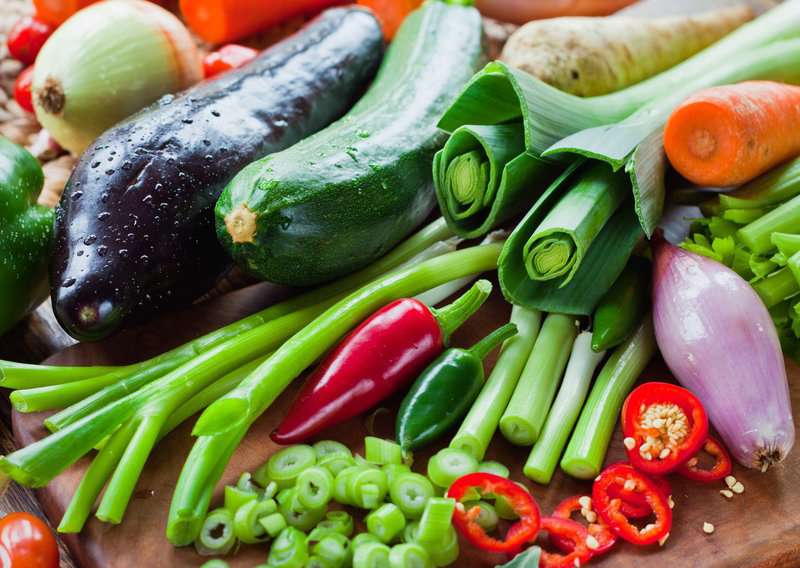
1 eggplant, thinly sliced
1 zucchini, thinly sliced
1 yellow squash, thinly sliced
1 bell pepper (red or yellow), finely chopped
4 tomatoes, thinly sliced
1 onion
2-3 cloves of garlic
1/4 cup olive oil, plus more for drizzling
2 tablespoons tomato paste
1 teaspoon fresh thyme leaves
Salt and pepper
Fresh basil leaves, for garnish
Get the best deals for your home and kitchen needs
Step By Step How to Make Ratatouille
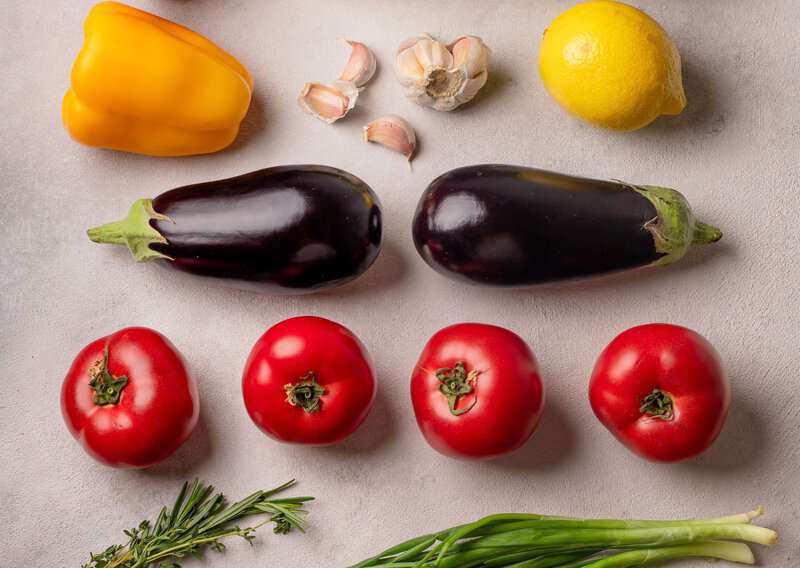
Step 1 – Prepare the Tomato Sauce
In a large skillet or pan, heat 2 tablespoons of olive oil over medium heat. Add the chopped onion and cook until it’s soft and translucent. Add the minced garlic and cook for another minute until fragrant. Stir in the tomato paste and cook for 2 minutes.
Season with salt and pepper, then spread this mixture on the bottom of your cast iron skillet or a baking dish. This will serve as a flavorful base for your vegetable slices.
Step 2 – Layer the Vegetables
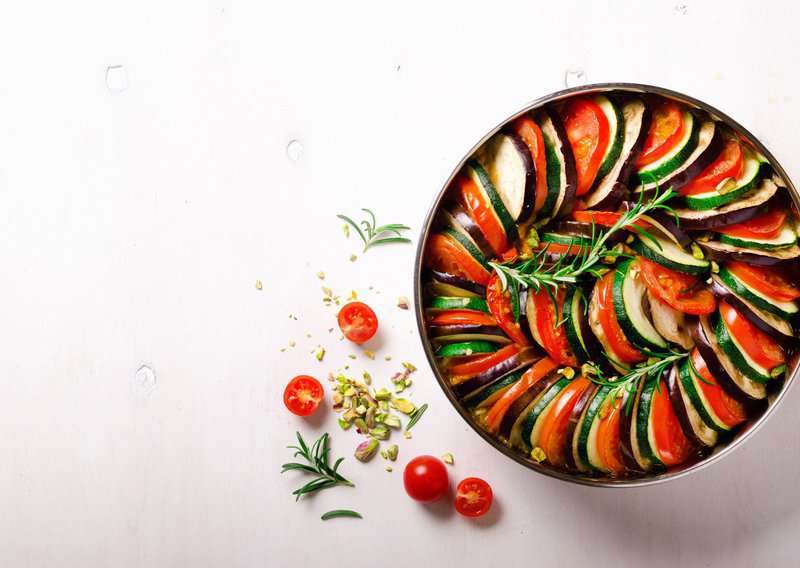
Arrange the Slices: Start layering the vegetable slices (eggplant, zucchini, yellow squash, and tomatoes) over the tomato base in a circular pattern. Alternate them and try to pack them tight. Drizzle with olive oil and sprinkle with thyme, salt, and pepper.

Step 3 – Bake the Ratatouille
Preheat the oven to 375°F (190°C). Cover the skillet or dish with aluminum foil or parchment paper to keep the moisture in and prevent the vegetables from browning too quickly. Place in the oven and bake for about 40-45 minutes, then uncover and bake for an additional 15-20 minutes until the vegetables are soft and slightly browned at the edges.
Step 4 – Garnish and Serve
Once cooked, let the ratatouille cool slightly before garnishing with fresh basil leaves.
Serving Suggestions: Ratatouille can be served as a main dish with crusty bread, as a side dish to meats or fish, or it can be enjoyed cold, making it versatile for different meal options.
Tips To Make Ratatouille
Choose fresh and firm vegetables, as they will hold up better during cooking. Ensure all vegetable slices are approximately the same thickness to cook evenly.
Ratatouille tastes even better the next day after the flavors have had time to meld together, so consider making it in advance.
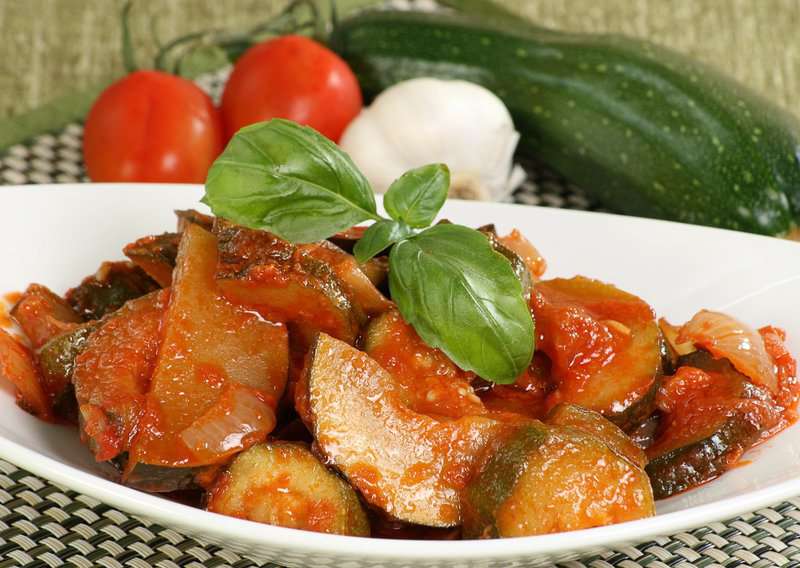
How Many Calories Has A Ratatouille
Eggplant has about 35 calories, Zucchini 20 calories, Yellow Squash 18 calories, Bell Pepper 24 calories, Tomatoes 22 calories, Onion 46 calories, Garlic 4 calories per clove and Olive Oil has about 120 calories.
One serving could be around 100-150 calories.
Origin and History
Ratatouille began as a humble peasant dish from the Provence region of southern France, where farmers relied on the summer harvest to create hearty, vegetable-based meals. The earliest versions were far simpler than what people know today usually a rustic mix of whatever vegetables were available, cooked slowly with olive oil and herbs. It was a practical way to use up produce before it spoiled in the Mediterranean heat.
As Provençal cuisine evolved, so did ratatouille. By the 19th century, cooks began preparing each vegetable separately before combining them, a technique designed to preserve both texture and flavor. This method transformed the dish from a basic stew into a thoughtfully layered recipe that showcased the character of each ingredient. It became a culinary symbol of Provence, representing the region’s love for sun-ripened vegetables and aromatic herbs.
Ratatouille eventually gained global recognition, thanks in part to chefs and cookbook authors who highlighted French home cooking. But it was the animated film “Ratatouille” that pushed the dish into popular culture worldwide. Suddenly, what was once rustic farmhouse food became a star yet ironically, most people still haven’t tasted an authentic version.
One of the biggest debates around ratatouille is how it should be cooked. Traditionalists argue that the only proper way is slowly simmering the vegetables into a soft, deeply flavored mixture. Others insist on the “confit byaldi” technique made famous by the movie a neatly arranged, thinly sliced, oven-roasted version. Both approaches have passionate defenders, each claiming their method better respects the ingredients.
Another controversy centers on whether ratatouille should be considered a main dish or a side. In Provence, it was often the star of the meal, served with bread or rice. Outside France, it’s frequently treated as a vegetable accompaniment. Some see this as misunderstanding the dish’s purpose, while others believe its versatility is part of its charm.
There’s also the question of seasoning. Ratatouille purists maintain that only herbs de Provence typically thyme, rosemary, and bay leaf should be used. More experimental cooks add spices, cheeses, or even protein. While some view these additions as innovative, others see them as unnecessary deviations from a dish that was meant to be celebrated for its simplicity.
How Long You Take to Prepare
Preparing classic ratatouille takes time, though not as much as people assume. The initial stage involves chopping eggplant, zucchini, bell peppers, onions, and tomatoes. This prep work takes about 20 to 30 minutes, depending on your knife skills. Cutting the vegetables evenly ensures they cook at the same rate and maintain the right texture.
Cooking time varies depending on the method. The stovetop version typically requires around 45 minutes to an hour to allow the vegetables to soften and develop layered flavor. If you’re using the oven-roasted approach, expect closer to an hour and a half, including arranging the slices and baking them until tender. Neither method demands constant attention; the dish rewards patience more than active labor.
After cooking, ratatouille benefits greatly from resting. Letting it sit for at least 10 to 15 minutes helps the flavors meld. Many cooks believe it tastes even better the next day, once the vegetables have absorbed the aromatic oils and herbs. Altogether, the process ranges from 60 to 90 minutes, most of it hands-off.
Serving Suggestions
Ratatouille is incredibly versatile, making it easy to serve in countless ways. The simplest and most traditional option is pairing it with crusty bread, allowing you to scoop up the soft vegetables and herb-infused oil. This rustic approach highlights the dish’s origins and keeps the focus on the quality of the ingredients.
If you want a heartier meal, serve ratatouille over rice, couscous, quinoa, or polenta. The grains provide a neutral base that soaks up the sauce and balances the vegetables’ natural sweetness. It also works beautifully as a topping for grilled chicken, fish, or roasted meats, adding brightness and depth without heavy sauces.
For a more elevated presentation, spoon ratatouille alongside goat cheese, fresh basil, or a drizzle of balsamic reduction. These additions bring creaminess and complexity to the dish while keeping it light. You can also use leftover ratatouille in omelets, pasta dishes, or sandwiches the flavors only intensify with time.
Final Thoughts
Ratatouille is one of those dishes that proves simple ingredients can create extraordinary results when given proper care. Its origins may be humble, but the flavors are anything but. When made well, ratatouille tastes bright, comforting, and deeply satisfying a celebration of vegetables at their peak.
Despite its cinematic fame, many people still haven’t experienced true ratatouille, the kind that relies on patience rather than shortcuts. Preparing it the authentic way reminds you why this dish has endured for generations and why French home cooking has such universal appeal. It’s not about perfection it’s about letting each ingredient shine.
Whether you serve it as a main course, a side, or a creative leftover, ratatouille deserves a regular place in your kitchen. It’s healthy, flavorful, and endlessly adaptable. And once you taste the real thing, you’ll understand that it’s far more than a cute animated reference it’s a timeless classic worth coming back to again and again.

About the Author: Ruben, co-founder of Gamintraveler.com since 2014, is a seasoned traveler from Spain who has explored over 100 countries since 2009. Known for his extensive travel adventures across South America, Europe, the US, Australia, New Zealand, Asia, and Africa, Ruben combines his passion for adventurous yet sustainable living with his love for cycling, highlighted by his remarkable 5-month bicycle journey from Spain to Norway. He currently resides in Spain, where he continues sharing his travel experiences with his partner, Rachel, and their son, Han.