
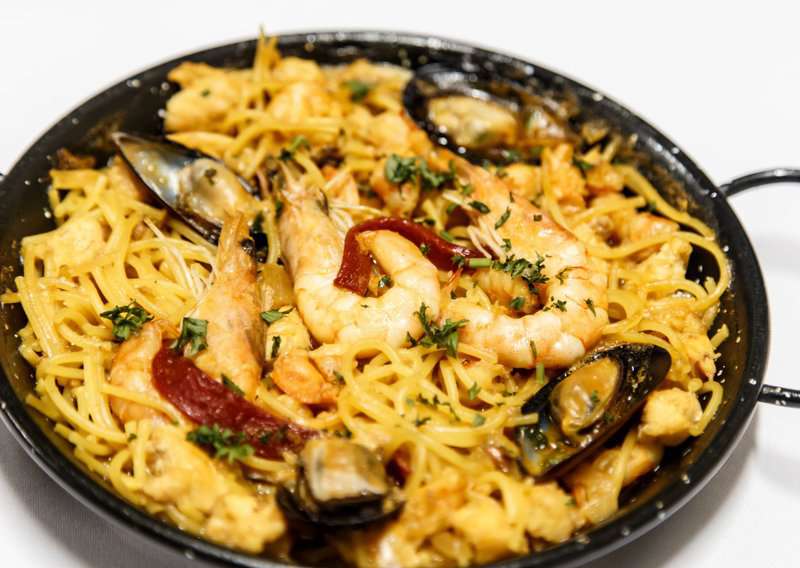
When people think of Spanish cuisine, paella usually steals the spotlight. But in coastal Valencia and Catalonia, locals often crave something just as flavorful but a little different fideuà. This traditional dish swaps rice for short, thin noodles cooked in rich seafood broth, resulting in a savory, slightly chewy pasta packed with ocean flavors. Fideuà is paella’s lesser-known cousin, but for many Spaniards, it’s the ultimate comfort food.
Originating from Gandia, a small fishing town near Valencia, fideuà was invented by fishermen who ran out of rice and decided to use noodles instead. The result became a regional favorite, featuring tender noodles, juicy prawns, mussels, and squid cooked in a flavorful sofrito and fish stock, finished with a squeeze of fresh lemon and a dollop of alioli for extra decadence.
In this recipe guide, you’ll learn how to make authentic Spanish fideuà at home, whether you’re planning a sunny lunch gathering or dreaming of Mediterranean flavors for dinner. We’ll also explore the best time to enjoy it, how to partner it like locals do, and the controversial truths about fideuà that even some Spaniards debate.
The best Spanish food to try, Breakfast in Spain, and vegetarian food in Spain
3 Days Madrid Itinerary and 4 Days Barcelona Itinerary
BOOK YOUR TRAVEL INSURANCE
Two of our favorite travel insurance: Heymondo Vs Safetwing cheapest travel Insurance. You can get for $135 USD your Heymondo Travel Insurance with Heymondo discount code valid for 90 days. Read our full comparison of Genki vs Safetywing Travel Insurance Review and the comparison Heymondo vs Genki
Best Time to Eat and How to Partner
Fideuà is traditionally served as a midday meal, similar to paella, making it perfect for long, leisurely lunches with friends and family. Spaniards rarely eat heavy rice or noodle dishes at dinner, preferring lighter tapas or grilled seafood in the evening.
To enjoy fideuà like a local, pair it with a simple green salad dressed with olive oil and vinegar, and a crusty baguette to soak up the savory broth left in the pan. Serve it alongside a cold glass of dry white wine or crisp rosé, and finish the meal with flan or crema catalana for a truly authentic Valencian dining experience.
One controversial truth about fideuà is its constant comparison to paella. While tourists often see it as a “pasta paella,” locals argue that fideuà deserves its own culinary respect and should never be called paella. The two dishes share similar cooking techniques but have distinct identities, and mixing up their names can spark heated debates among proud Valencians.
Another often-misunderstood aspect is the texture of the noodles. True fideuà should have noodles that are slightly toasted before adding the broth, creating a nutty, caramelized flavor and a lightly crisp texture on top. Many home cooks skip this step, resulting in a soggy, pasta-like dish that lacks the signature fideuà character. For locals, getting this texture right is a non-negotiable mark of a good cook.
Finally, while seafood is the classic choice for fideuà, modern restaurants sometimes experiment with meat versions to cater to tourists or menu variety. Traditionalists argue that fideuà should always be seafood-based, honoring its humble fishing village origins. This culinary purism is strong in Spain, where food is deeply tied to cultural identity and respect for regional history.
How to Make Fideua
Fideua Recipe Ingredients
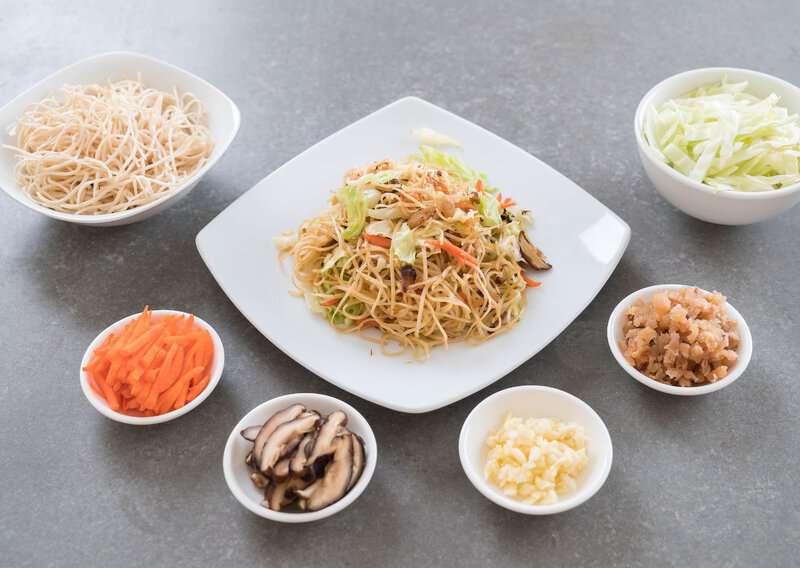
400g (about 14 oz) fideo noodles or thin spaghetti broken into short pieces
4 cups fish or seafood broth
1 onion
1 red bell pepper
2 tomatoes
3 cloves garlic
200g (about 7 oz) squid, cleaned and cut into rings
12 large shrimp, peeled and deveined
200g (about 7 oz) small clams or mussels
1/2 cup olive oil
1 teaspoon paprika
A pinch of saffron threads (optional)
Salt and pepper
Lemon wedges
Chopped parsley
Get the best deals for your home and kitchen needs
Step By Step How to Make Fideua
Step 1 – Prepare the Ingredients
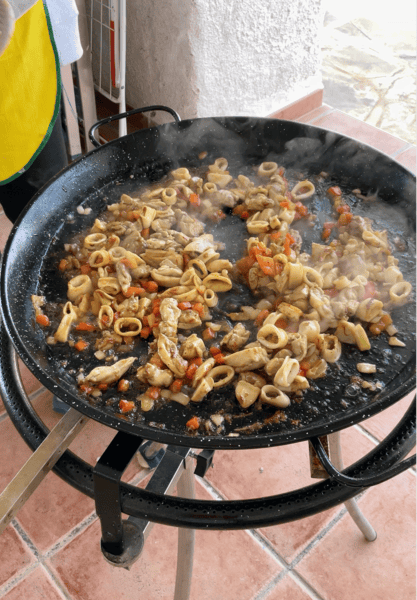
Preheat your paella pan or skillet: Over medium heat, add the olive oil. Add the onion and red bell pepper, cooking until the onion is translucent. Add the minced garlic and cook for another minute until fragrant.
Step 2 – Add the Seafood
Add the squid rings to the pan and sauté for a couple of minutes. Stir in the grated tomatoes and cook until the mixture thickens slightly.
Step 3 – Season the Base
Sprinkle paprika and saffron into the pan, stirring to combine and with salt and pepper.
Step 4 – Cook the Noodles
Distribute the noodles evenly across the pan. Pour the fish or seafood broth over the noodles, making sure they are completely submerged. Adjust the heat to maintain a gentle simmer. Allow the noodles to absorb the broth without stirring, cooking for about 5-10 minutes.
Step 5 – Add the Shellfish
Place the clams or mussels and shrimp evenly around the pan. As the broth cooks down, it will steam the shellfish.
Step 6 – Finish Cooking
Once most of the liquid has been absorbed and the noodles are tender, check if the shellfish have opened. Increase the heat for the last few minutes of cooking to create a crispy bottom layer of noodles.
Step 7 – Serve
Remove from heat and let it sit for a few minutes before serving. Garnish with chopped parsley and provide lemon wedges on the side.
Tips for Making a Fideua
Socarrat is a crispy crust on the bottom of the pan that is highly prized. Achieve it by turning up the heat during the final few minutes of cooking, but watch closely to prevent burning.
The quality of the broth is crucial as it absorbs into the noodles and provides much of the dish’s flavor. Homemade or high-quality fish broth works best. If fideo noodles aren’t available, thin spaghetti broken into 2-inch pieces serves as a good substitute.
How Many Calories Has A Fideua
Fideo Noodles (400g) is about 1,440 calories. Fish or Seafood Broth (4 cups): is around 40 calories. Olive Oil (1/2 cup) is about 960 calories. Squid (200g) is approximately 198 calories. Shrimp is around 200 calories and Clams or Mussels (200g) is about 190 calories.
Onion 45 calories, Red Bell Pepper 30 calories, Tomatoes 44 calories, Garlic 13 calories. Paprika, Saffron, Salt and Pepper with minimal content.
Total Estimated Calories of the Fideuà would be around 3,160 calories, if you divide this into 6 servings, is about 527 calories.
Origin and History
Fideuà is a beloved dish from Valencia, particularly from the coastal town of Gandia, where it was first created in the early 20th century. Legend has it that a group of fishermen set out to make their usual paella but realized they had run out of rice. Thinking quickly, they substituted short pasta noodles for the grains, unknowingly inventing a new seafood classic.
The dish was cooked on boats, using freshly caught seafood like shrimp, squid, and fish. Much like paella, it relied on a rich broth infused with saffron, garlic, tomatoes, and olive oil. Over time, fideuà spread from fishing boats to local taverns and eventually to the finest restaurants, earning its place as one of Spain’s most cherished coastal dishes.
What makes fideuà unique isn’t just the ingredients it’s the texture and depth of flavor. The noodles absorb the broth in a way that creates a rich, satisfying dish while still maintaining a delicate seafood essence. For many locals, fideuà isn’t just an alternative to paella; it’s a dish with its own proud identity.
Although fideuà is beloved across Spain, it’s often overshadowed internationally by its more famous cousin, paella. Many tourists don’t even know it exists, and some who do see it as just “paella with pasta.” This misunderstanding has led to debates among locals and chefs who see fideuà as a completely distinct dish with its own history and traditions.
Another controversy arises over the type of pasta used. Traditionalists insist on using short, thin noodles called fideus and toasting them lightly before cooking. However, modern chefs often experiment with different pasta shapes or skip the toasting step altogether, which purists claim alters the flavor and texture.
Finally, there’s an ongoing debate about how much broth should be used. Some prefer a slightly soupy fideuà, while others insist it should be cooked until the pasta is tender and the liquid nearly gone, creating a caramelized crust similar to paella’s socarrat. These regional and stylistic variations make fideuà both fascinating and fiercely defended.
How Long You Take to Prepare
One of fideuà’s biggest advantages is that it takes less time to cook than paella. On average, it can be prepared in about 45 minutes to an hour. Most of the time is spent building a flavorful base and letting the pasta absorb the seafood broth to achieve the perfect consistency.
The cooking process begins with sautéing garlic, onions, and tomatoes in olive oil, followed by toasting the noodles for a nutty flavor. Then, the hot broth is added gradually, allowing the pasta to soak up the rich flavors of saffron and seafood. Fresh seafood like shrimp, mussels, or squid is added toward the end to keep it tender and juicy.
Although the steps are simple, attention to detail is key. Timing is everything overcooking can make the noodles mushy, while undercooking leaves them too firm. Done right, the result is a deeply flavorful dish with a perfectly balanced texture.
Serving Suggestions
Fideuà is traditionally served straight from the wide, shallow paella pan in which it’s cooked. This communal style of eating highlights its origins as a fisherman’s dish meant to be shared. A drizzle of alioli, a garlicky mayonnaise-like sauce, is a classic finishing touch that adds creaminess and a punch of flavor.
For sides, a crisp green salad and a glass of chilled white wine or Cava pair beautifully, cutting through the richness of the seafood and noodles. Some locals prefer serving lemon wedges alongside to brighten each bite.
Fideuà is versatile enough to be served at both casual family gatherings and elegant dinner parties. Whether rustic or refined, its presentation always feels warm, generous, and distinctly Mediterranean.
Final Thoughts
Fideuà may not have the global fame of paella, but it deserves a spot in the spotlight. Its origin story is rooted in creativity and resourcefulness, and its flavor is every bit as bold and satisfying. For those who love seafood, it’s a dish that captures the essence of coastal Spain in every bite.
What makes fideuà so special is its balance between simplicity and depth. The ingredients are humble pasta, seafood, broth but the flavors are layered and unforgettable. It’s proof that tradition and innovation can create something truly unique.
Whether you’re a seasoned cook or trying it for the first time, fideuà is a dish that invites sharing, conversation, and celebration. It’s Spain’s delicious secret waiting to be discovered.

About the Author: Ruben, co-founder of Gamintraveler.com since 2014, is a seasoned traveler from Spain who has explored over 100 countries since 2009. Known for his extensive travel adventures across South America, Europe, the US, Australia, New Zealand, Asia, and Africa, Ruben combines his passion for adventurous yet sustainable living with his love for cycling, highlighted by his remarkable 5-month bicycle journey from Spain to Norway. He currently resides in Spain, where he continues sharing his travel experiences with his partner, Rachel, and their son, Han.