
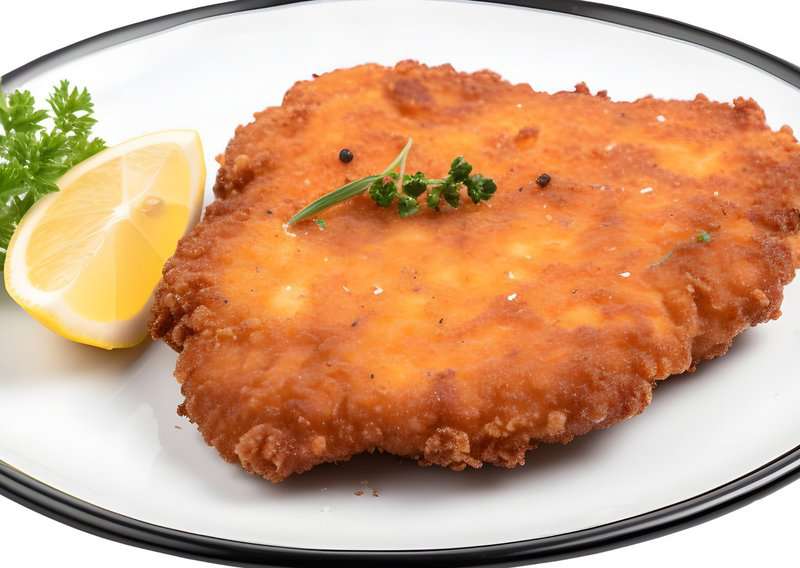
Argentina is best known for its world-class beef, but ask any local about their true comfort food, and many will point to milanesa. Thinly sliced, breaded, and fried to golden perfection, this dish is Argentina’s answer to the schnitzel or Italian cotoletta, but with a uniquely South American twist. It’s found in homes, lunchboxes, school cafeterias, and every corner café across the country.
Milanesa isn’t just food it’s a lifestyle. It’s what families eat on busy weeknights, what friends share after football matches, and what children grow up begging their abuelas to make. Whether made with beef, chicken, or even eggplant for vegetarians, it’s beloved across all generations and backgrounds. Its simplicity is what makes it so universal.
In this guide, we’ll walk you through the steps to make authentic Argentinian milanesa at home. From the right cut of meat to the perfect breadcrumb coating, you’ll learn how to recreate a dish that’s crispy, savory, and incredibly satisfying. This is everyday Argentine cuisine at its most delicious.
Read here the best Argentinian food, best Argentinian breakfast and Drinks In Argentina
Getting Your Insurance in Argentina
Two of our favorite travel insurance: Heymondo Vs Safetwing cheapest travel Insurance. You can get for $135 USD your Heymondo Travel Insurance with Heymondo discount code valid for 90 days. Read our full comparison of Genki vs Safetywing Travel Insurance Review and the comparison Heymondo vs Genki
How to Eat
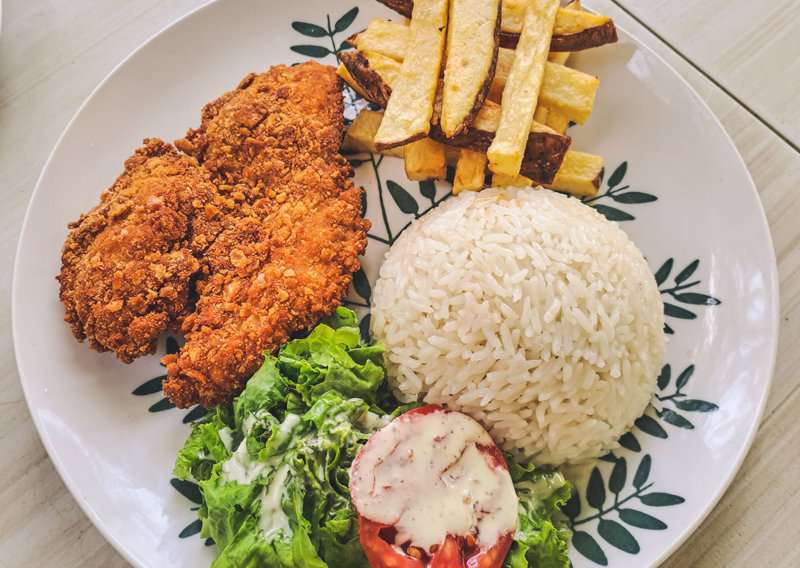
Milanesa is best served hot, straight from the pan with a light squeeze of lemon. The crisp crust should be golden and the meat inside tender and juicy. It’s often eaten with a simple salad of lettuce and tomato, or alongside mashed potatoes, fries, or rice. For a twist, try it topped with marinara sauce and melted mozzarella—this variation is known as milanesa a la napolitana.
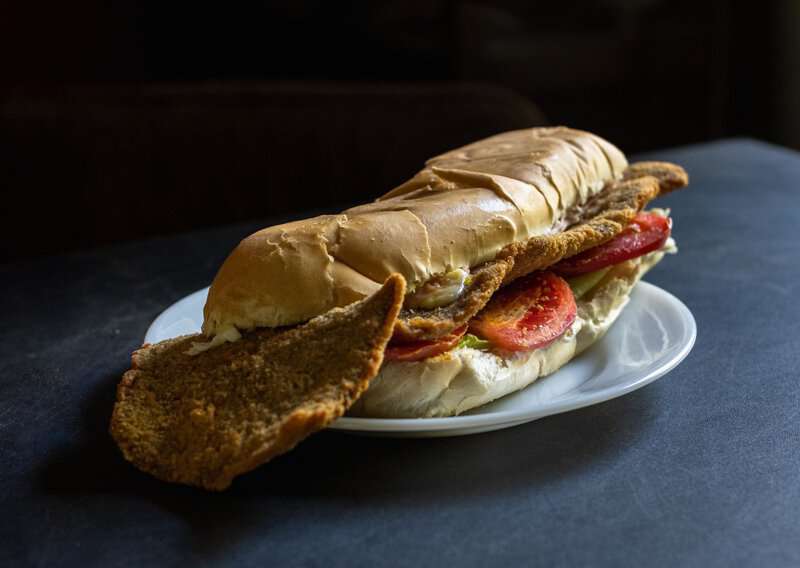
It’s a hands-on dish, meant to be enjoyed in a relaxed setting. Eat it with a fork and knife if plated, or as a sandwich stuffed into crusty bread (milanesa al pan) for a popular street food version.
How to Partner
Milanesa pairs well with light, acidic sides that balance out its richness. A crisp green salad with vinegar-based dressing or roasted vegetables makes an ideal plate partner. For drinks, a glass of young Malbec, a cold beer, or even a sparkling soda like Fernet con Coca (a cult favorite in Argentina) complements the dish nicely.
Want to go full traditional? Serve it with ensalada rusa (a mayo-based potato and pea salad) or fried eggs on top for the indulgent milanesa a caballo. However you serve it, keep it rustic and unfussy that’s the spirit of milanesa.
In Argentina, milanesa sparks passionate debates: Should it be pan-fried or oven-baked? Chicken or beef? Topped or plain? Some purists believe oven-baking is sacrilege, while others argue it’s the healthier evolution of an old-school recipe. And don’t even mention ketchup many Argentinians see that as a culinary crime.
Outside of Argentina, milanesa is often mistaken for generic breaded meat. But its cultural significance runs deeper. It’s a dish with roots in European immigration but evolved in the uniquely Argentine context. The simplicity of its preparation masks how deeply woven it is into the fabric of national identity something fast food versions can’t replicate.
There’s also a quiet culinary rivalry with Italy and Austria over who “invented” it, but Argentinians don’t care. To them, milanesa belongs to the local tradition now and they’ve perfected it in their own delicious way.
How to Make Milanesa
Milanesa Recipe Ingredients
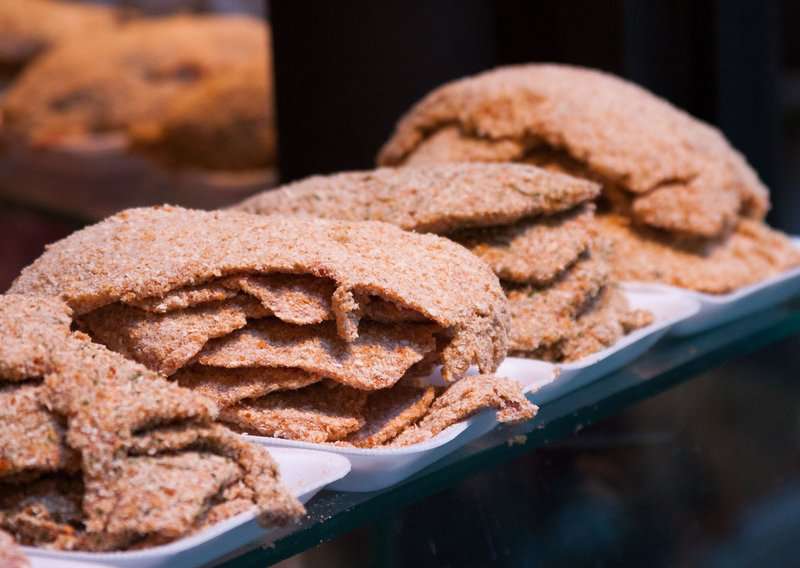
4 beef steaks (veal, sirloin, or round steak) pounded to about 1/4 inch thickness
Salt and pepper to taste
1 cup all-purpose flour
2 large eggs
2 tablespoons milk
2 cups breadcrumbs
Optional: garlic powder, dried parsley, or Parmesan cheese for seasoning the breadcrumbs
Vegetable oil for frying
Get the best deals for your home and kitchen needs
Step By Step How to Make Milanesa
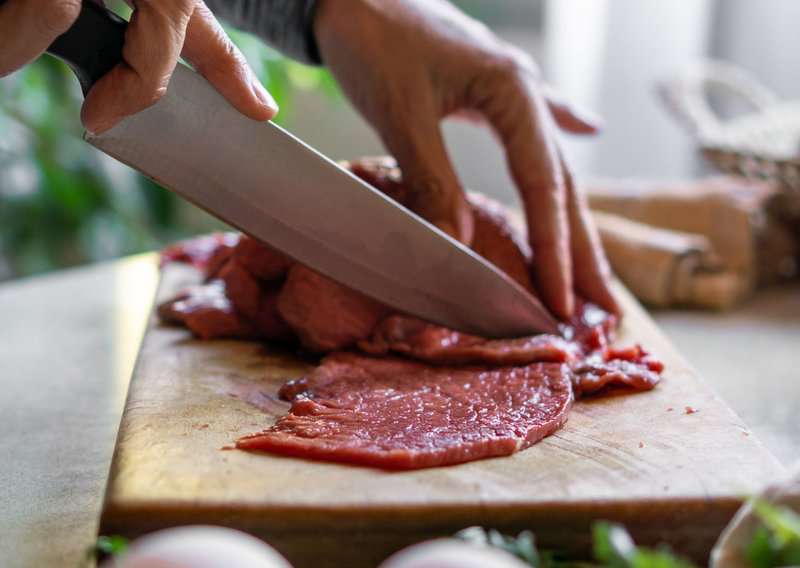
Step 1 – Prepare the Steaks
If not already thinly sliced, pound the steaks to about 1/4 inch thickness using a meat mallet. This ensures they cook quickly and evenly and add salt and pepper the steaks on both sides. You can also add garlic powder if you like.
Step 2 – Dredging Station
Place flour in the first dish. Beat eggs with milk in the second dish. Place breadcrumbs in the third dish. You can enhance the breadcrumbs with dried parsley or grated Parmesan for extra flavor.
Step 3 – Bread the Steaks
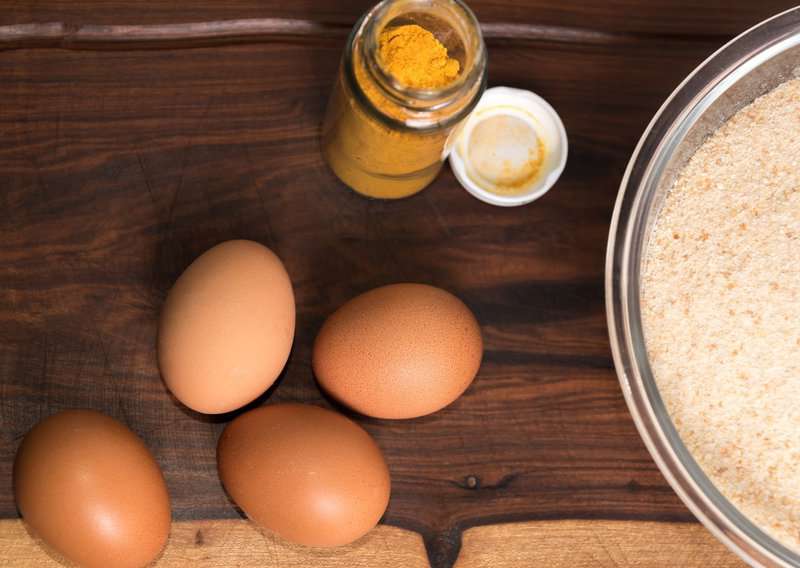
Coat each steak in flour, shaking off the excess and dip next into the egg mixture, and finally, coat thoroughly with breadcrumbs. Make sure the entire surface is covered.
Step 4 – Fry the Milanesas
Pour enough vegetable oil into a large frying pan to cover the bottom and heat it over medium-high heat. The oil should be hot enough that it sizzles when a piece of breading is dropped in.
Place one or two breaded steaks in the oil (do not overcrowd the pan). Fry for about 2-3 minutes on each side or until golden brown and crispy. Transfer the cooked Milanesas to a plate lined with paper towels to drain any excess oil.
Step 5 – Serve
Milanesa can be served on its own with lemon wedges, or with mashed potatoes, simple salad, or rice. It’s also popularly served in sandwiches (Milanesa Torta or Milanesa Sandwich).
Tips To Make Milanesa
Ensure each piece of meat is uniformly thin to cook evenly. To keep Milanesas crispy, serve them immediately or keep them in a warm oven until ready to serve.
Maintain a consistent oil temperature to ensure each Milanesa cooks evenly and does not absorb too much oil.
How Many Calories Has A Milanesa
For a thin slice (approximately 4 ounces or 113 grams) of beef, you’re looking at around 200-250 calories, depending on the cut and its fat content. About 1/4 cup of flour used for breading one milanesa adds around 100 calories and one egg used in the wash is about 70 calories.
1/2 cup of breadcrumbs, which might be used for one milanesa, adds about 220 calories and oil for frying adds about 100-150 calories.
A single beef milanesa could contain approximately 690 to 790 calories per serving.
Origin and History
Roast chicken has existed in Europe for centuries, but the version rising in popularity today has a surprisingly minimalist origin. Many historians trace the roots of simple whole-bird roasting to rural households where local poultry was cooked with very few ingredients. Salt, herbs, and seasonal vegetables formed the basis for a meal that was both economical and nourishing. This approach allowed families to showcase the natural flavor of the bird without overwhelming it with heavy sauces.
Modern European kitchens revived this simplicity during a broader return to traditional cooking. As consumers moved away from processed products, interest in rustic dishes grew. Influential chefs highlighted the beauty of slow roasting, using high-quality poultry seasoned lightly and roasted until crisp on the outside and tender inside. Restaurants and home cooks embraced the idea that excellence can come from restraint rather than complexity.
The spread of this method across Europe reflects a cultural shift. Instead of elaborate cooking, people are seeking satisfying meals built around seasonal produce and quality ingredients. This minimalist roast chicken embodies that philosophy. Its popularity today is not just tied to flavor, but to a nostalgic sense of returning to uncomplicated recipes with deep historical roots.
Despite its simplicity, this roast chicken trend has sparked debate about authenticity. Some purists argue that reducing ingredients to the bare essentials ignores the rich regional variations that developed over time. They believe that traditional sauces, marinades, and spice blends are part of Europe’s culinary heritage and should not be forgotten. Supporters of the minimalist approach counter that simplicity highlights the bird itself, honoring the ingredient rather than burying it.
Another point of controversy comes from how the dish is marketed. Critics say calling this recipe a “new trend” overlooks the centuries of home cooks who perfected similar techniques without modern recognition. They argue that praising it as innovative dismisses the contributions of earlier generations. Meanwhile, others feel the rediscovery itself is valuable, as it encourages people to reconnect with the foundations of European cooking.
There is also debate about whether simplicity works universally. Some cooks insist that the dish depends on the quality of the chicken, requiring organic, free-range poultry for best results. They claim that industrially raised birds lack the depth of flavor needed for a minimalist recipe. Others counter that technique matters more than sourcing, and that even an affordable chicken can shine when roasted correctly. These disagreements show how a simple recipe can inspire nuanced discussions about food ethics and identity.
How Long It Takes to Prepare
One reason this roast chicken has become a staple in European homes is the minimal preparation time. The entire process can be completed in under two hours, with only a few minutes of active work. Most cooks begin by patting the chicken dry, seasoning it generously with salt, and adding herbs such as rosemary or thyme. Once prepared, it goes directly into a hot oven where time and heat do the work.
Cooking time varies based on the size of the bird. A standard whole chicken typically roasts for about an hour to an hour and fifteen minutes, though some cooks extend the time slightly at a lower temperature for deeper flavor. During roasting, the chicken develops a crisp skin while the interior stays moist due to the natural fat that renders and bastes the meat. The hands-off nature of the recipe means dinner practically prepares itself.
Resting time is another essential step. Allowing the chicken to sit for ten to fifteen minutes after roasting helps lock in juices, making the meat tender when carved. Combined with the short preparation period, this creates a recipe that feels special but requires very little effort. For busy households, it strikes the ideal balance between quality and simplicity.
Serving Suggestions
Serving the roast chicken offers countless possibilities. Many European cooks pair it with roasted root vegetables, which can cook in the same pan and soak up the juices. Potatoes, carrots, and onions caramelize beautifully under the bird, absorbing flavor without additional seasoning. A simple salad or crusty bread completes the meal with a light, clean balance.
Another popular approach is to serve the chicken family-style, carving it at the table. This creates a communal atmosphere that reflects the dish’s rustic origins. Some cooks use the pan drippings to make a light sauce by whisking in a splash of stock or white wine. The result is a rich accompaniment that enhances, rather than covers, the chicken’s natural flavor.
Leftovers offer even more versatility. The remaining meat can be used in soups, salads, or sandwiches the next day, while the bones create an excellent base for broth. This makes the dish efficient for households seeking multiple meals from one preparation. Its adaptability reinforces why it continues to spread across European kitchens.
Final Thoughts
The rise of this minimalist roast chicken shows how powerful simplicity can be in modern cooking. Rather than relying on complex recipes or rare ingredients, it highlights the quality of the bird and the skill of slow roasting. Its success reflects a desire to reconnect with recipes rooted in tradition, where flavor is created by time and technique rather than excess.
This trend also demonstrates how familiar dishes can be rediscovered. What appears new to some is a continuation of practices that sustained families for generations. In celebrating this roast chicken, cooks honor both the past and the present, blending nostalgia with modern convenience. Its appeal lies in an honesty that does not hide behind elaborate presentation.
Ultimately, the recipe offers more than a meal. It invites home cooks to trust their senses, to slow down, and to enjoy the rich aroma that fills the kitchen while the chicken roasts. Whether served at a family gathering or a quiet evening at home, it proves that meaningful food does not need to be complicated. For many, this simple roast chicken will continue to represent the heart of European comfort cooking.

About the Author: Ruben, co-founder of Gamintraveler.com since 2014, is a seasoned traveler from Spain who has explored over 100 countries since 2009. Known for his extensive travel adventures across South America, Europe, the US, Australia, New Zealand, Asia, and Africa, Ruben combines his passion for adventurous yet sustainable living with his love for cycling, highlighted by his remarkable 5-month bicycle journey from Spain to Norway. He currently resides in Spain, where he continues sharing his travel experiences with his partner, Rachel, and their son, Han.