
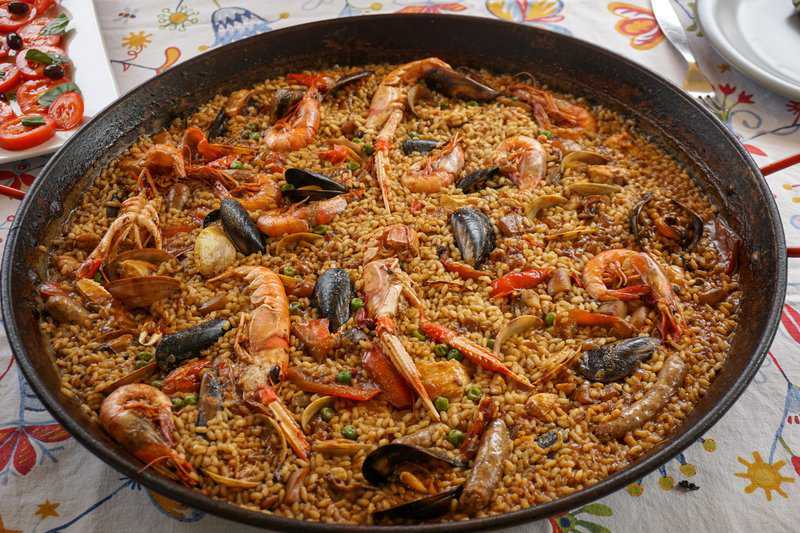
Paella is a vibrant rice dish often cooked in a large, shallow pan and infused with saffron, giving it its signature golden color. There are different ways to make authentic Spanish paella and it will feed about 6-10 people. If you want a side dish you can go for Spanish omelette
Paella is one of the most iconic dishes in Spanish cuisine, but few outside of Spain realize how sacred and specific its preparation truly is. Often associated with a mix of seafood and yellow rice, the real paella has deep regional roots, strict ingredient traditions, and a cooking method that can make or break the dish. Originating in Valencia, it was a humble farmer’s meal long before it became a tourist favorite.
Over the years, paella has been reinvented on global menus with everything from chorizo to peas thrown in, leading to versions that would make a Valencian shake their head in disapproval. Authentic Spanish paella focuses on a balanced harmony of local ingredients, proper rice selection, and the signature socarrat—the crispy, caramelized rice at the bottom of the pan that’s the hallmark of a well-made paella.
In this recipe guide, we’ll show you how to make an authentic paella the way Spaniards intended—not the Instagram version. From choosing the right pan to respecting the cooking order, this is your go-to breakdown for capturing Spain’s true flavors in your kitchen.
The best Spanish food to try, Breakfast in Spain, and vegetarian food in Spain
BOOK YOUR TRAVEL INSURANCE
Two of our favorite travel insurance: Heymondo Vs Safetwing cheapest travel Insurance. You can get for $135 USD your Heymondo Travel Insurance with Heymondo discount code valid for 90 days. Read our full comparison of Genki vs Safetywing Travel Insurance Review and the comparison Heymondo vs Genki
Best Time to Eat & How to Partner It
Authentic Spanish paella is traditionally served at lunch, not dinner. Spaniards view paella as a midday centerpiece—best enjoyed slowly, with friends and family, and always with plenty of time to digest. It’s rarely, if ever, eaten for dinner in Spain due to its richness.
To fully elevate your paella experience, pair it with a light Spanish white wine like Albariño or Verdejo. For a more festive option, a glass of dry cava complements the saffron and seafood notes beautifully. On the side, serve a simple green salad with olive oil and vinegar or pan con tomate (bread rubbed with tomato and garlic).
Don’t forget: paella is never stirred while cooking. Let the rice do its thing so the socarrat forms properly. It’s a dish of patience, tradition, and pride—so respect the process.
Ask a Spaniard what goes into paella, and you’ll get a passionate answer—and probably a correction. The most common international versions of paella are often seen as inauthentic or offensive to locals. For example, adding chorizo to paella is a major faux pas in Valencia, where meat-based versions use rabbit, chicken, and snails—not spicy sausage.
The commercialization of paella abroad has led to confusion, where “paella” has become a catch-all for any Spanish-looking rice dish. But in Spain, not all rice dishes are paella, and mislabeling it can spark real culinary debates. The line between paella and other arroces (rice dishes) is deeply cultural.
There’s also controversy over the cooking vessel itself. True paella is cooked in a shallow, wide pan over an open flame or specialized burner—not a stovetop pot or oven dish. The moment you deviate from this method, many Spaniards argue, you’re not making paella—you’re making rice with things.
How to Make Paella
Paella Recipe Ingredients
There are many ways to cook paella, vegetarian, and chicken but today we will make our favorite: Seafood paella
Rice: 1/2 half of a cup per person bomba rice
Broth: 1 cup of seafood broth per cup of rice
Saffron
Olive oil
Seafood: 200 grams of prawns, 200 grams of cleaned squid (sliced into rings), and 12 mussels
Vegetables: 1 large onion (finely chopped), 2 garlic cloves (minced), 1 red bell pepper (sliced) and 1 Tomato
Paprika: 1 teaspoon
Lemon to make a cute presentation and one slide per person
Salt and pepper
Get the best deals for your home and kitchen needs
Step By Step How to Make Paella
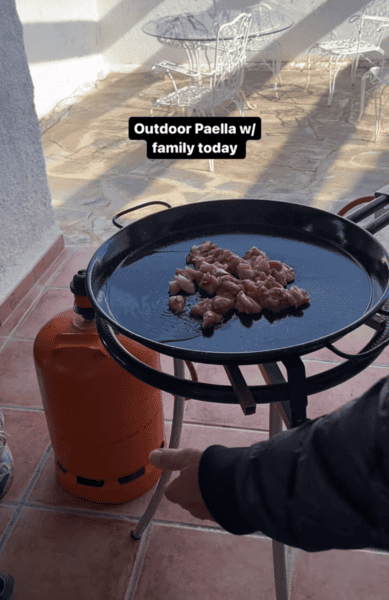
If you have a paella pan or similar is the best way to cook to make sure you get the best for your rice.
Step 1- Prepare Ingredients
Clean and prepare all seafood, chop the vegetables, and have everything ready for easy and fast cooking.
Step 2 – Meat and Squid
Heat the olive oil and start with the Red pepper, the squid is next, if you add meat or chicken in your paella is good to do know before the sofrito (tomato and garlic). Once is cooked make sure you put it apart on the side.
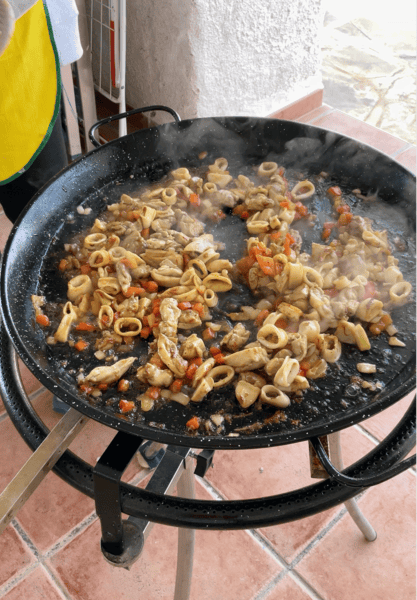
Step 3 – Sofrito
Add the garlic and tomato in the middle of the pan for a couple of minutes and join at the end all the vegetables.
Step 4 – Be Ready with the Broth
The broth can be for 30 minutes to 2 hours on the stove. You can add salt, pepper, saffron, colorant to turn the rice yellow, and the heads of the prawn and fish or chicken bones to give the best flavor.
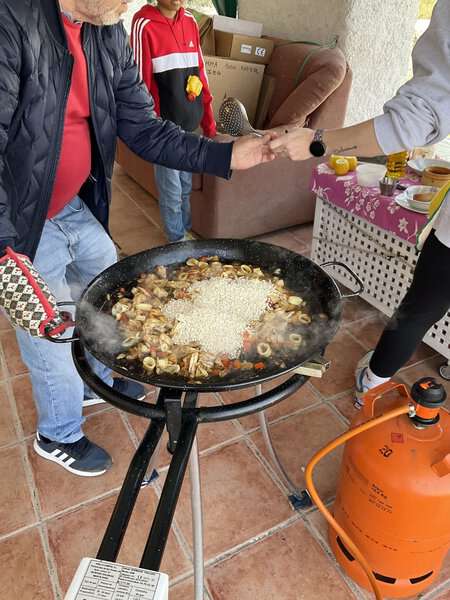
Step 5 – Add Rice and Broth
Spread the rice over the pan and mix it with the vegetables and fish like prawns, mussels and clams if you added.
Step 6 – Simmering
You will have to cook for 15-20 minutes until the rice is almost done. When cooking make sure you control the fire and slow cook the rice and be ready to add some extra broth for this. This is the most difficult part of reducing the broth and trying to make the socarrat (small burnt on the base) which is so delicious.
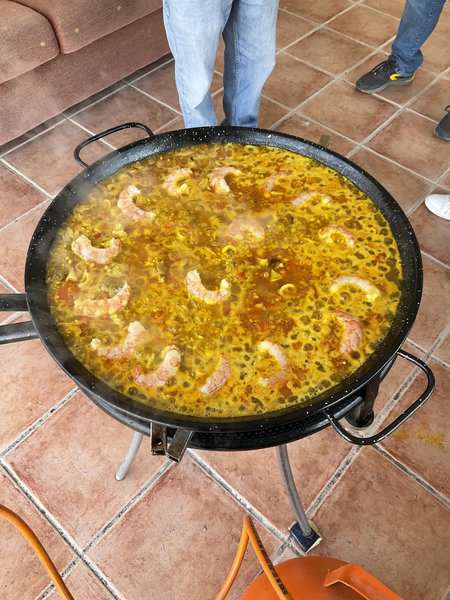
Step 7 – Rest and Serve
Remove the pan from heat and cover the paella with a sheet of foil and let it sit for 5-10 minutes before serving. Add one slice of lemon per person or add them before the presentation for the paella.
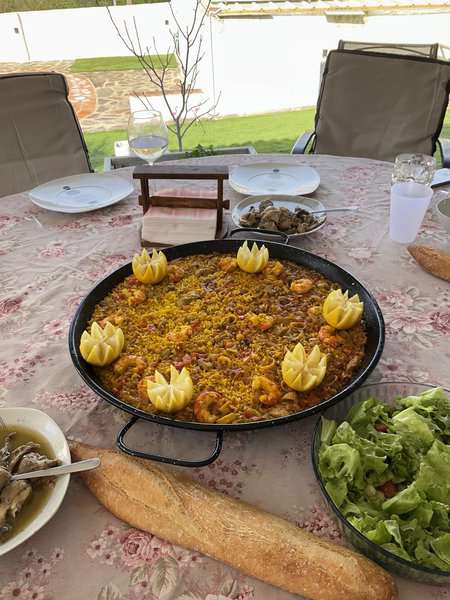
Tips for Making a Paella
Adjust the heat as necessary to maintain the simmer and prevent the bottom from burning too much, if you don’t have a proper fire and you are cooking on an electric stove you can finish the last 10 minutes of your paella by heating the oven and controlling not to get burnt so much!
You can partner the paella with white or red wine depending on what you like more, some salad and embutidos like ham and cheese!
Origin and History
Paella is often hailed as Spain’s national dish, but its true roots lie in the region of Valencia. Historically, paella was a humble meal made by farmers who combined rice with whatever was available: beans, snails, and occasionally rabbit or chicken. Cooked outdoors over an open fire in a wide, shallow pan, the dish quickly became a symbol of community and resourcefulness.
As Spain’s trade routes expanded, so did the ingredients in paella. Seafood began to feature prominently along the coast, while inland regions held tightly to the meat-based Valencian version. Over time, regional variations developed, from mixed paella with both seafood and meat to strictly vegetarian versions.
Despite its global fame, many Spaniards maintain that true paella is still Valencian paella, made with specific ingredients like bomba rice, saffron, and rabbit. In Spain, the dish represents not just food but also a gathering point for families and friends on weekends and festivals.
How Long It Takes to Prepare
Authentic paella is not a rushed dish—it’s a labor of love. Preparing a traditional Valencian paella often takes between 90 minutes and two hours, from chopping vegetables and browning meats to carefully layering rice and simmering it without stirring.
The longest part of the process is the cooking itself. Unlike risotto, paella rice is never stirred once liquid is added. The rice must slowly absorb the broth, developing the prized socarrat—a crispy layer at the bottom of the pan that’s considered the highlight of a well-made paella.
For those pressed for time, shortcuts exist, but Spaniards argue these sacrifice authenticity. Using the correct pan, proper rice, and cooking over a steady flame are all essential steps that demand patience but reward you with unmatched flavor.
Serving Suggestions
In Spain, paella is always served family-style, straight from the wide pan in which it’s cooked. Diners gather around the table and eat directly from the pan, each taking their section while leaving the prized socarrat for sharing.
It pairs beautifully with a light Spanish salad of tomatoes, onions, and olives dressed with olive oil and vinegar. A crisp white wine like Albariño or even a chilled glass of sangria complements the richness of the dish without overpowering it.
For a festive meal, serve paella alongside small tapas like patatas bravas or gambas al ajillo. Ending with a light dessert such as flan or tarta de Santiago rounds out the Spanish dining experience.
Final Thoughts
Paella is more than just a recipe—it’s an expression of Spanish culture, hospitality, and tradition. While many international adaptations exist, they rarely capture the spirit of the original Valencian dish.
Cooking authentic paella at home might take time, but it’s an experience worth savoring. From the careful layering of ingredients to the anticipation of uncovering the perfect socarrat, every step connects you to centuries of Spanish culinary history.
So, the next time you crave paella, skip the shortcuts and embrace the authentic Spanish method. It’s not only about cooking—it’s about creating a meal that brings people together, just as it has in Spain for generations.

About the Author: Ruben, co-founder of Gamintraveler.com since 2014, is a seasoned traveler from Spain who has explored over 100 countries since 2009. Known for his extensive travel adventures across South America, Europe, the US, Australia, New Zealand, Asia, and Africa, Ruben combines his passion for adventurous yet sustainable living with his love for cycling, highlighted by his remarkable 5-month bicycle journey from Spain to Norway. He currently resides in Spain, where he continues sharing his travel experiences with his partner, Rachel, and their son, Han.