
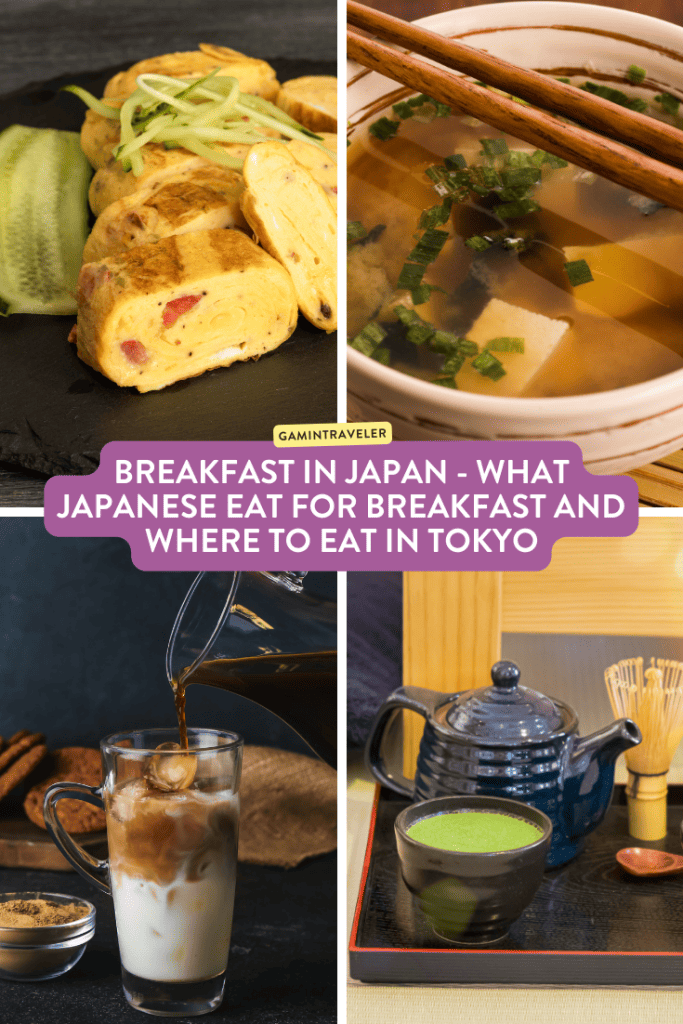
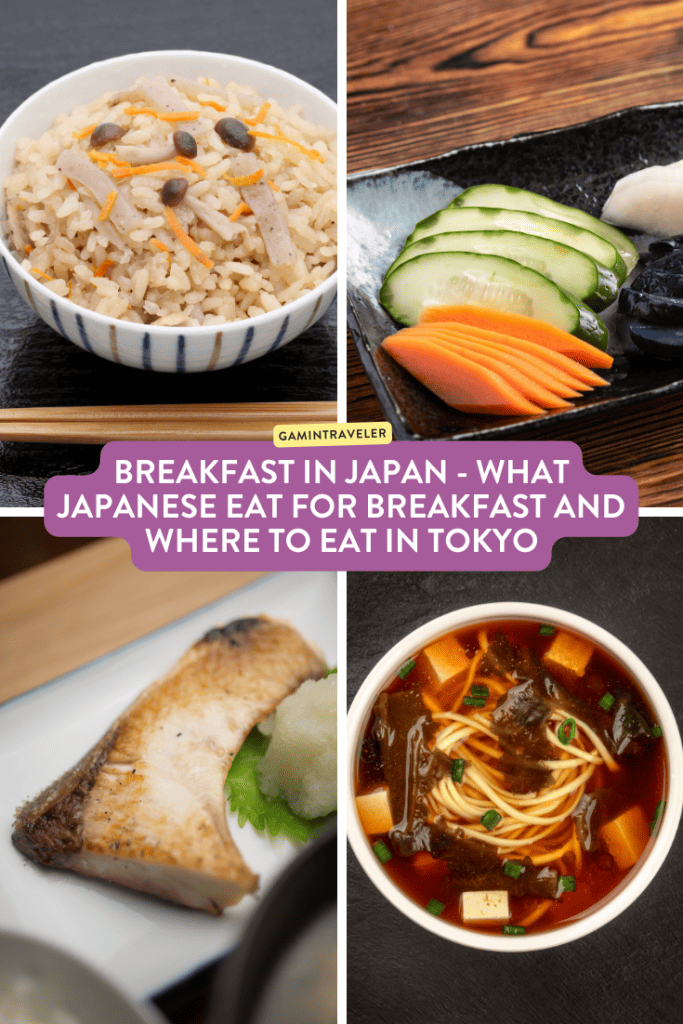
Breakfast in Japan is a delightful, flavor-packed culinary experience that showcases the country’s rich cultural heritage. Traditionally, the Japanese breakfast menu emphasizes simplicity, balance, and natural ingredients. Try the traditional Japanese Gohan, Miso Shiru, Yakizakana, Tsukemono and more and make sure to not miss Japan’s top food.
In this article, we will explore the delicious world of Japanese breakfast, detailing the most popular dishes and offering an authentic glimpse into the Japanese morning routine. Read here a comparison Tokyo vs Kyoto
Related Travel Guides
- Best Japan Sim Card For Tourist
- How To Get From Osaka Airport To City Center
- Japan Fruits – Traditional Fruits in Japan You Shouldn’t Miss in Your Japan Visit
- Holafly vs Airalo: Which is the Better Japan eSIM (with Alternatives)
- Things to know before visiting Japan
- How to make Ramen
Traditional Japanese Breakfast Culture
The traditional Japanese breakfast is a reflection of the country’s deep-rooted culinary heritage and its emphasis on simplicity and balance. A typical Japanese breakfast consists of a variety of small dishes that provide a well-rounded, nutritious meal. The focus is on fresh, seasonal ingredients, and dishes often include rice, fish, pickled vegetables, and soup.
The presentation of the meal is also important, as it embodies the Japanese philosophy of harmony and aesthetics. This emphasis on balance, both in flavor and presentation, creates a serene and mindful eating experience that sets the tone for the rest of the day. Read here Japan Vegan Snacks
Book Your Travel Insurance in Japan
Two of our favorite travel insurance: Heymondo Vs Safetwing cheapest travel Insurance. You can get for $135 USD your HeymondoTravel Insurance with Heymondo discount code valid for 90 days. Read our full comparison of Genki vs Safetywing Travel Insurance Review and the comparison Heymondo vs Genki
The Traditional Japanese Breakfast
The traditional Japanese breakfast, or Asa-gohan, typically consists of several small dishes that complement each other. It is a well-balanced meal that includes grains, protein, and vegetables, ensuring an energizing and nutritious start to the day.
Rice (Gohan)
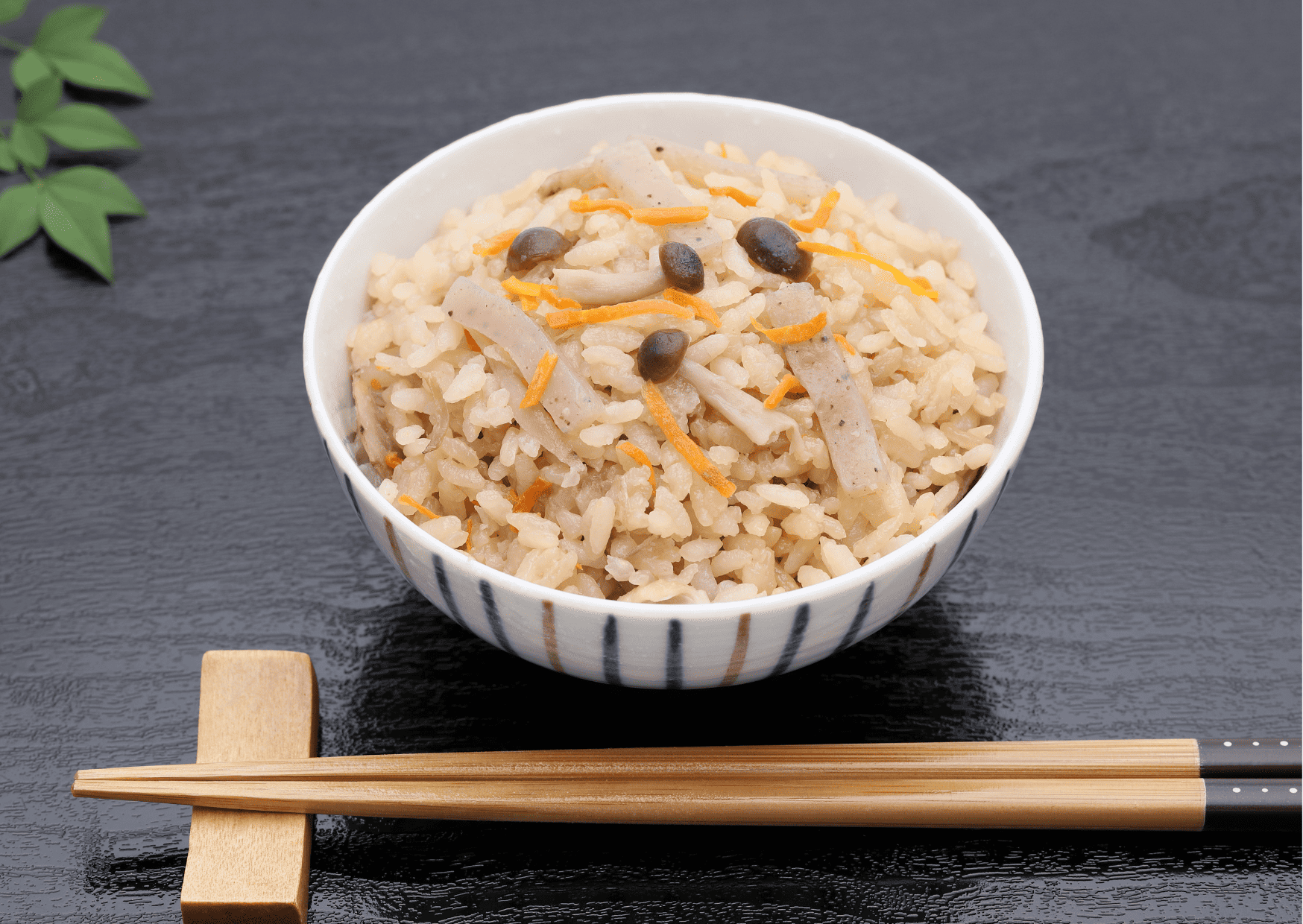
Rice, or Gohan, is a staple in Japanese cuisine and serves as the foundation for any traditional breakfast. Steamed short-grain rice is fluffy, slightly sticky, and subtly sweet, making it the perfect base for a variety of toppings or accompaniments.
Miso Soup (Miso Shiru)
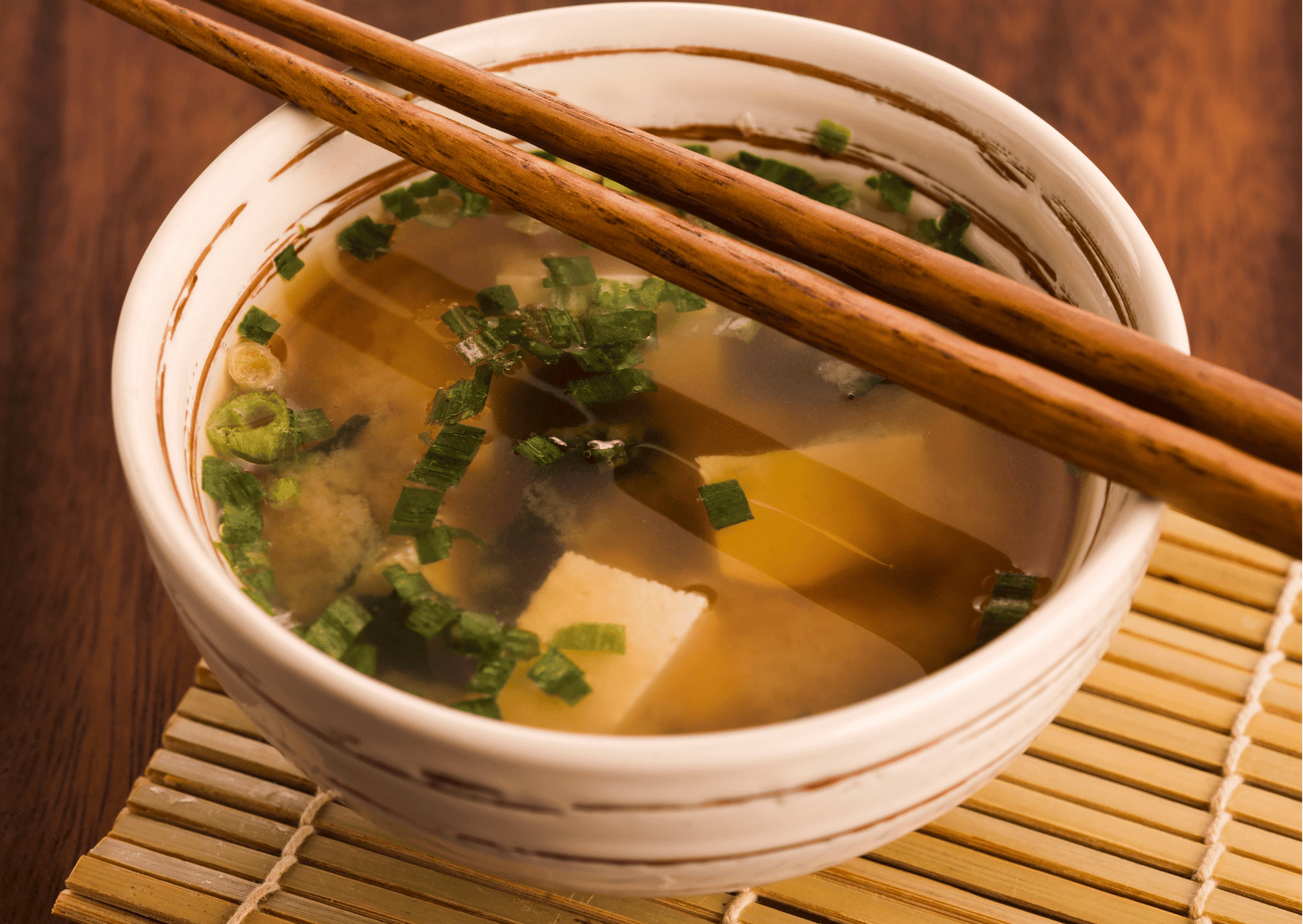
Miso soup is another essential component of the traditional Japanese breakfast. Made from a fermented soybean paste called miso, this savory broth is often served with tofu, seaweed, and green onions, providing a comforting and flavorful start to the day.
Grilled Fish (Yakizakana)
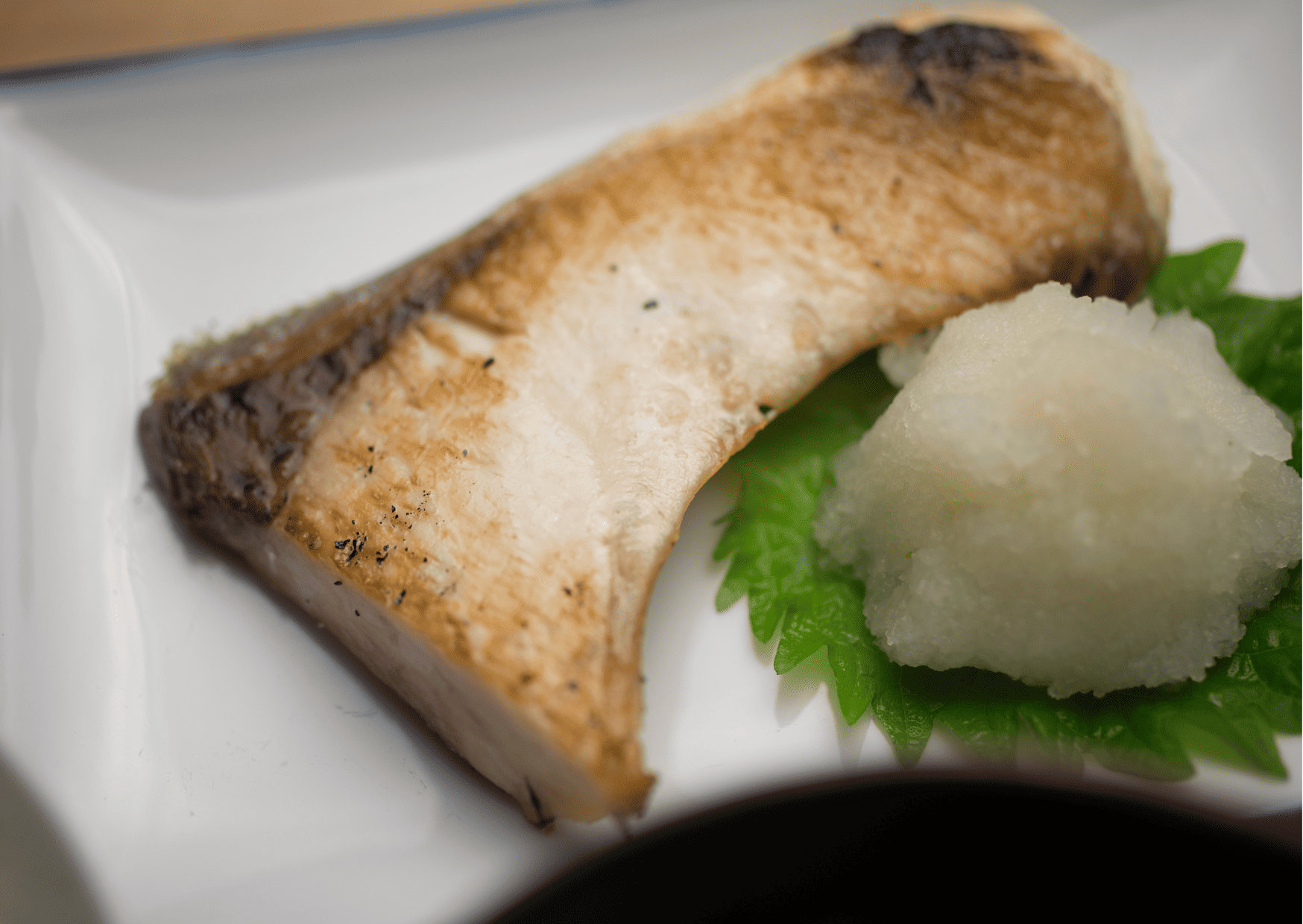
Grilled fish, or Yakizakana, is a common protein source for breakfast in Japan. Popular fish varieties include mackerel, salmon, and sardines, which are typically seasoned with salt and grilled to perfection.
Pickled Vegetables (Tsukemono)
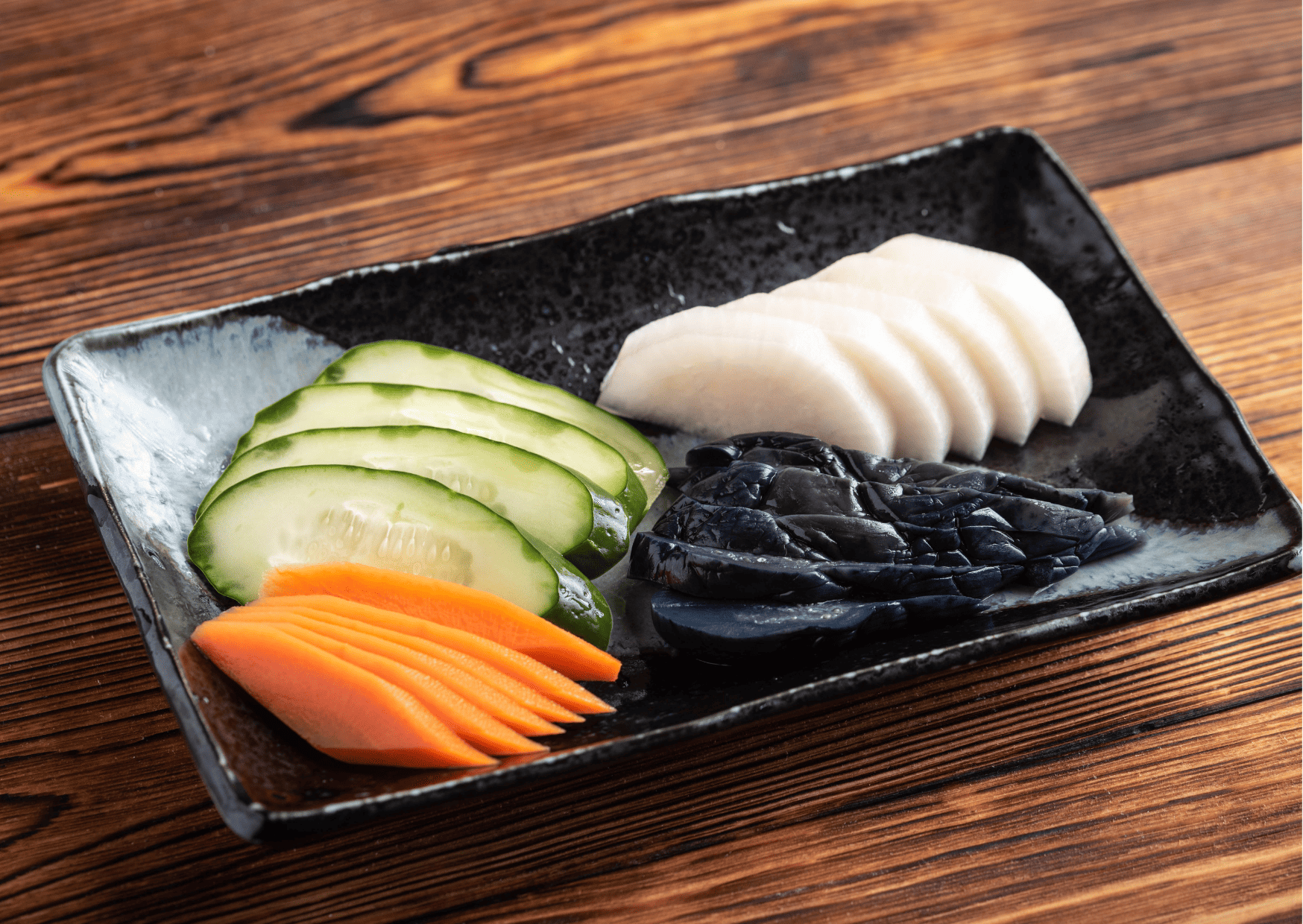
Tsukemono, or pickled vegetables, are a staple in Japanese cuisine, offering a refreshing and tangy accompaniment to any meal. Commonly consumed vegetables include daikon radish, cucumber, and eggplant, which are pickled using a variety of methods, such as salt, rice bran, or vinegar.
Rolled Omelette (Tamagoyaki)
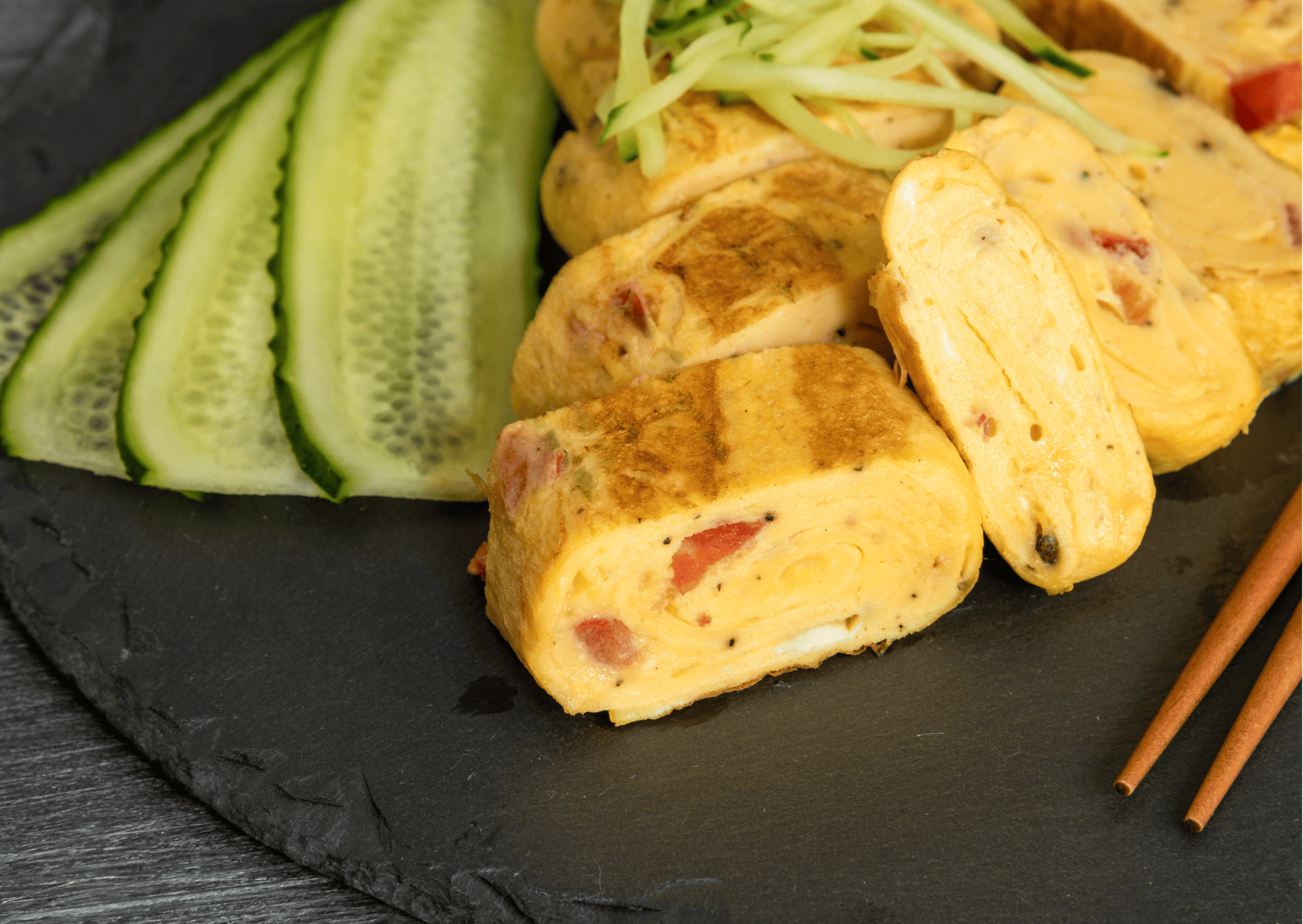
Tamagoyaki is a popular Japanese omelette made by rolling together layers of seasoned egg. It is slightly sweet, with a hint of soy sauce and dashi, a Japanese fish stock. This fluffy, delicate omelette is often served in bento boxes or as a standalone dish.
Modern Japanese Breakfast Options
While traditional Japanese breakfast remains popular, modern adaptations and Western influences have led to a variety of new breakfast options in Japan.
Bread (Pan)
Bread, or Pan, has become increasingly popular in Japan, with many bakeries and cafes offering an assortment of bread and pastries. One favorite is the Japanese-style curry-filled bun, called Kare Pan. Additionally, toast with butter and jam or a simple sandwich with ham and cheese are common choices for a quick and easy breakfast.
Convenience Store Breakfasts
Convenience stores, or konbini, have become a go-to option for busy Japanese individuals seeking a quick and affordable breakfast. These stores offer a range of ready-to-eat meals, such as onigiri (rice balls), sandwiches, and yogurt, providing a convenient and satisfying start to the day.
Western-Style Breakfast
Western-style breakfasts, including eggs, bacon, and toast, have also made their way into Japanese culture. Many restaurants and cafes offer Western-style breakfast sets, allowing diners to enjoy familiar flavors with a Japanese twist. Some popular adaptations include eggs Benedict with a side of miso soup or a Japanese-style pancake called Okonomiyaki, topped with savory ingredients such as bonito flakes, mayonnaise, and a sweet and tangy sauce.
Popular Breakfast Beverages in Japan
No breakfast in Japan would be complete without a delicious beverage to accompany the meal. Here are some popular options that you might encounter during a Japanese breakfast:
Green Tea (Ryokucha)
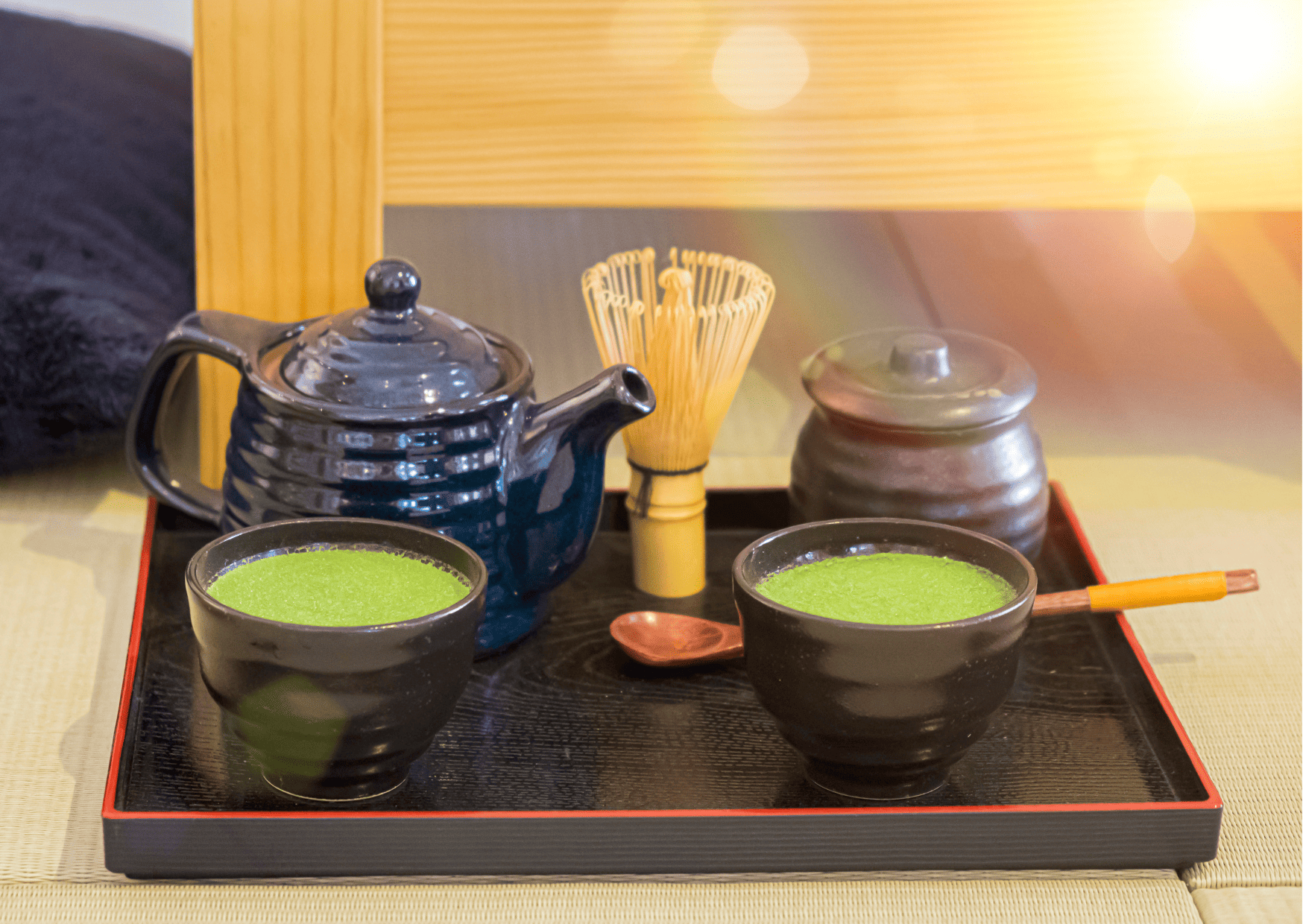
Green tea, or Ryokucha, is the most popular beverage in Japan, enjoyed throughout the day and often served with breakfast. This antioxidant-rich tea has a slightly bitter taste, providing a refreshing contrast to the various flavors of a Japanese breakfast.
Coffee (Kōhī)

Coffee has become increasingly popular in Japan, with many embracing the Western tradition of starting their day with a cup of java. From artisanal coffee shops to canned coffee from vending machines, you’ll find plenty of options to satisfy your caffeine cravings.
Japanese-Style Lattes

In recent years, Japanese-style lattes have gained popularity, combining traditional flavors with modern coffee culture. Examples include matcha lattes, made with powdered green tea, and hojicha lattes, which use roasted green tea for a unique, smoky flavor.
Best Places for Traditional Breakfast in Tokyo, Japan
Yojiya Café Ginza
This charming café offers a traditional Japanese breakfast set featuring dishes like rice, grilled fish, miso soup, and pickles, as well as a selection of teas and Japanese-style lattes.
Kajitsu
Located in Tokyo’s Roppongi district, Kajitsu specializes in shojin ryori, a type of traditional vegetarian cuisine. Their breakfast set includes beautifully presented dishes such as seasonal vegetables, tofu, and rice.
Tsumugi
Tsumugi is a stylish café near Asakusa offering a delicious Japanese breakfast set complete with rice, fish, tamagoyaki, and an assortment of side dishes served in a cozy, modern atmosphere.
Denny’s Shinjuku
While Denny’s is an American chain, their Japanese locations, such as the one in Shinjuku, offer a “Japanese-style” breakfast set that includes rice, grilled fish, miso soup, and side dishes, giving visitors a taste of traditional flavors in a familiar setting.
Nihonbashi Sembikiya
This upscale fruit parlor in Nihonbashi offers a Japanese breakfast set featuring high-quality ingredients, such as freshly steamed rice, grilled fish, and pickles, as well as a selection of their signature fruit.
Kichiri Ebisu
Kichiri Ebisu is a modern izakaya in the Ebisu area that serves a traditional Japanese breakfast set with a contemporary twist, featuring dishes like rice, soup, grilled fish, and a variety of side dishes.
Origin and History
Japanese breakfast traditions are deeply rooted in the country’s agricultural past, where mornings began early and required a meal that was both nourishing and balanced. Classic components like rice, miso soup, grilled fish, and pickles were designed to offer steady energy throughout the day. These dishes became the backbone of the traditional ichiju-sansai approach, meaning “one soup, three sides,” a structure that emphasized nutritional harmony.
During the Edo period, breakfast varied widely depending on region and class. Fishermen, farmers, and merchants often ate hearty and simple meals, while urban households experimented with new ingredients brought by trade and seasonal availability. Over time, regional specialties such as Kyoto’s tofu-based breakfasts or Hokkaido’s seafood bowls added diversity to the morning table while still maintaining the core idea of mindful eating.
As Japan modernized, breakfast evolved yet continued to honor its roots. While modern trends like coffee shops and convenience-store options emerged, many households still prepare variations of traditional dishes. Tokyo, as the country’s culinary hub, now blends tradition with innovation, offering everything from century-old breakfast sets to stylish cafés reinventing the morning meal.
One ongoing debate is whether Japanese breakfast is becoming too Westernized. Some argue that the rise of pastries, coffee drinks, and toast has pushed aside traditional morning foods. Others see this evolution as natural, reflecting busy lifestyles while still preserving Japan’s emphasis on quality ingredients and balanced eating.
Another point of tension concerns authenticity in Tokyo’s breakfast scene. With the city’s popularity among tourists, many eateries have adapted their dishes to appeal to international palates. Purists argue that this compromises tradition, while supporters claim it makes Japanese breakfast more accessible and enjoyable for first-time visitors.
There is also discussion over whether traditional breakfasts must follow strict rules. Some insist that authentic Japanese breakfast requires specific components, while others believe its real essence lies in simplicity and nourishment rather than rigid structure. This debate highlights the ongoing balance between honoring heritage and adapting to modern life.
How Long You Take to Prepare
Traditional Japanese breakfasts can be surprisingly quick to prepare once you have the components on hand. Miso soup, for example, takes about ten minutes, especially if you use pre-made dashi or instant stock. Grilling fish or preparing tamagoyaki (sweet rolled omelet) adds another ten minutes, making a complete set meal possible in under half an hour.
More elaborate breakfasts, like donburi bowls or tofu-based dishes, typically require additional prep time. Cooking rice, prepping toppings, and creating broths may push the total closer to forty-five minutes. These meals are ideal for leisurely mornings or weekends when you can enjoy the cooking process.
Modern Tokyo-style breakfasts can be much faster. Toast with butter and anko (sweet red bean paste), fruit with yogurt, or convenience-store rice balls can take less than five minutes. This blend of traditional and modern options keeps Japanese breakfast accessible regardless of schedule.
Serving Suggestions
A classic Japanese breakfast set usually includes rice, miso soup, grilled fish, and pickled vegetables. You can elevate this with nori sheets, natto, tofu, or a small vegetable dish. The variety creates a balanced meal with contrasting textures and flavors, making each bite interesting and satisfying.
For a lighter option, consider serving tamagoyaki with steamed rice and a simple bowl of soup. Adding fresh fruit or a side salad creates a refreshing, modern twist. If you prefer something hearty, a salmon donburi topped with scallions, sesame seeds, and soy sauce offers warmth and comfort in a single bowl.
Matcha tea, barley tea, or a simple cup of Japanese coffee pairs perfectly with both traditional and modern breakfasts. Whether you’re recreating a Tokyo hotel-style breakfast or exploring new combinations, the key is keeping the meal balanced, modest, and flavorful.
Final Thoughts
Japanese breakfast culture is both timeless and adaptable, offering something for every lifestyle and taste. Its foundation of balance, simplicity, and nutrient-rich foods has kept it relevant for centuries. Even as Tokyo embraces modern breakfast trends, the heart of traditional morning cuisine remains intact.
Exploring Tokyo’s breakfast scene is a journey through the city’s past and present. From serene ryokan-style meals to inventive café plates, each option reflects a different facet of Japanese culinary identity. Learning to prepare these dishes at home brings a piece of that experience into your own kitchen.
Ultimately, whether you prefer quick and modern or slow and traditional, Japanese breakfast offers a refreshing approach to mornings. It encourages mindful eating, appreciation for simple ingredients, and a moment of calm before the day begins. It’s no wonder Tokyo remains one of the world’s most exciting places to start your morning.

About the Author: Ruben, co-founder of Gamintraveler.com since 2014, is a seasoned traveler from Spain who has explored over 100 countries since 2009. Known for his extensive travel adventures across South America, Europe, the US, Australia, New Zealand, Asia, and Africa, Ruben combines his passion for adventurous yet sustainable living with his love for cycling, highlighted by his remarkable 5-month bicycle journey from Spain to Norway. He currently resides in Spain, where he continues sharing his travel experiences with his partner, Rachel, and their son, Han.